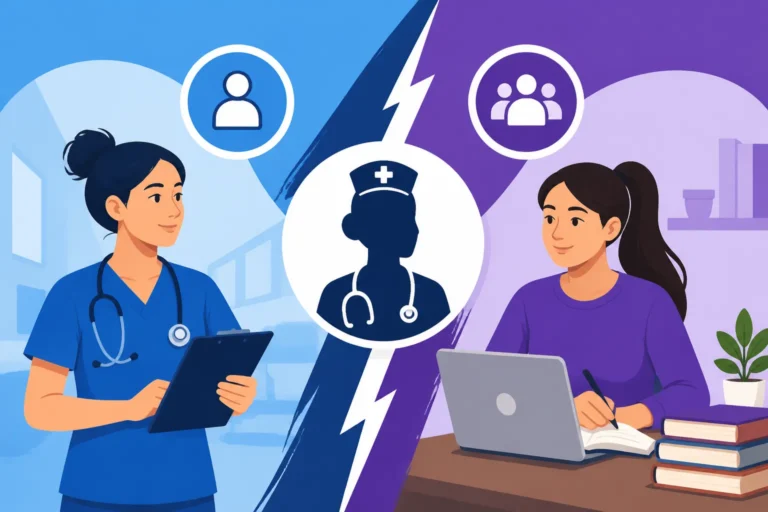
How to Balance Work and RN to BSN
Juggling a demanding nursing career with the added commitment of pursuing an online RN to BSN degree can feel like an impossible balancing act. Many nurses find themselves stretched thin, wondering how they'll ever fit study time into their already packed schedules filled with shifts, family responsibilities, and the general chaos of life. This comprehensive guide is here to walk you through practical strategies and empathetic advice to not just survive, but truly thrive while you earn your BSN.
Understanding the Unique Challenges of the Working RN Student
Deciding to pursue your BSN while already working as a registered nurse is a fantastic step for your career, but let's be real – it's not for the faint of heart. You're not starting from scratch; you're adding a significant academic load onto an already strenuous profession. It's a different beast entirely from being a full-time, traditional student.
The Reality of Working While Studying
When you're working 12-hour shifts, dealing with critical patient care, and then coming home to family responsibilities, finding the mental and physical energy for schoolwork can feel like an uphill battle. It's not just about finding the time; it's about finding the quality time when your brain isn't fried from a busy day on the floor. Many nurses opt for online RN to BSN programs precisely because of their flexibility, but "flexible" doesn't mean "easy" or "time-free." It simply means you have more control over when you study, not if you study. You're trading structured classroom time for self-discipline and the challenge of carving out learning opportunities from your personal time.
Think about it: you might finish a night shift at 7 AM, head home, try to get a few hours of sleep, only to wake up knowing you have an essay due or a discussion board post to make. The constant mental switch from clinician to student can be exhausting. It’s a marathon, not a sprint, and recognizing that upfront is key to managing expectations and building resilience. Many colleagues I know have shared stories of doing coursework during lunch breaks or after the kids were asleep, sacrificing leisure time to invest in their future.
Common Pitfalls and Stressors
The path is certainly rewarding, but it's also riddled with potential pitfalls. One of the biggest stressors is the feeling of guilt – guilt that you're not spending enough time with family, guilt that you're not giving your all at work, or guilt that you're falling behind in your studies. This emotional toll can be just as draining as the academic workload itself. Another common issue is procrastination, especially when you're exhausted. It's easy to push off that reading assignment until the last minute, only to find yourself scrambling before a deadline.
Isolation can also be a factor, particularly with online programs. While flexible, you might miss the immediate camaraderie and study groups of an in-person campus. This can make it harder to troubleshoot issues or simply vent when things get tough. Plus, the financial aspect of an RN to BSN can add another layer of stress. While it’s often seen as an investment, managing tuition alongside daily expenses and potentially reduced work hours can be a heavy burden. Understanding the full scope of these challenges is the first step in creating a solid plan.
Strategic Planning Before You Begin
Before you even fill out an application or crack open a textbook, a solid strategy is paramount. This isn't just about picking a school; it's about designing your entire life around this new academic pursuit.
Assessing Your Current Workload and Commitments
Take a brutally honest look at your current life. How many hours do you work each week? Are they consistent, or do they fluctuate with on-call shifts or mandatory overtime? What are your family obligations? Do you have young children, elderly parents you care for, or other significant commitments? It's easy to underestimate the sheer volume of time these responsibilities consume. Grab a planner or use a digital calendar and map out a typical week. Block out work shifts, commute times, family meal times, and any non-negotiable appointments.
Once you have this visual, you can start to see where the pockets of "free" time might exist. Be realistic about what you can truly commit to. If you're working full-time in a high-acuity unit, taking on a full-time RN to BSN program might be a recipe for burnout. Perhaps a part-time track, even if it means it will take a bit longer, is the more sustainable option. This is a crucial step in understanding how to balance work and RN to BSN effectively.
Choosing the Right Online RN to BSN Program
Not all online RN to BSN programs are created equal, and finding the right fit for your unique circumstances is critical. Consider the program's structure: Is it competency-based, allowing you to move faster through material you already know? Are there multiple start dates throughout the year, offering more flexibility if you need to take a break? Look into the typical completion timeline for students who work full-time. Some programs are designed specifically for working nurses, offering asynchronous coursework that doesn't require logging in at specific times.
Research institutions known for supporting working professionals. Some universities, like Western Governors University (WGU) or Capella University, are highly regarded for their flexible, self-paced models. When you're weighing your options, consider factors like the structure of Online RN to BSN Programs: Complete Guide or understanding if the program offers Competency-Based RN to BSN Programs. Think about the format of discussions, assignments, and exams. Do they align with your learning style and available time?
Setting Realistic Goals and Expectations
This might be the most challenging part: letting go of the idea of perfection. You're aiming for completion and knowledge acquisition, not necessarily straight A's in every single course. Understand that some weeks will be harder than others, and sometimes, simply submitting an assignment on time will be a victory. Talk to current students or alumni who have completed their RN to BSN while working to get a realistic perspective on the workload. They can offer invaluable insights into what to expect and how to manage the intensity.
It's also important to set small, achievable goals. Instead of "finish all my homework this weekend," try "complete Module 2 reading by Saturday morning" and "draft discussion post by Sunday evening." Celebrate these small wins! This gradual approach helps prevent overwhelm and builds momentum. Also, recognize that your social life might take a temporary backseat, and that's okay. It's a short-term sacrifice for a long-term gain.
Optimizing Your Study Habits for Maximum Efficiency
Once you've got your plan in place and chosen your program, it's time to dive into the nuts and bolts of studying. This is where you can reclaim hours and make your study sessions truly count.
Effective Time Management Techniques
Time is your most precious commodity, so you need to manage it like a pro. The Pomodoro Technique, where you focus intensely for 25 minutes followed by a 5-minute break, can be incredibly effective for breaking down large tasks and preventing burnout. Another useful strategy is "time blocking," where you schedule specific blocks of time in your calendar for studying, treating them like non-negotiable appointments. If a class requires 10-15 hours of work per week, figure out exactly where those hours will go. Maybe it's two hours every morning before work, or four hours on your days off.
Don't forget to account for commute times or waiting periods. I’ve known nurses who listened to lecture recordings during their drive to work or reviewed flashcards during a lunch break. Even 15-30 minute increments add up! Utilizing a detailed planner or app like Google Calendar or Todoist can help you visualize your schedule and stay on track. Remember, a little bit of study every day is often more effective than marathon sessions once a week.
Creating a Dedicated Study Environment
This might sound simple, but having a consistent, dedicated space for studying can dramatically improve your focus and efficiency. It signals to your brain that it's "study time." Ideally, this space is quiet, free from distractions, and has good lighting. If you live with family, clearly communicate that when you're in your "study zone," you need uninterrupted time. Noise-canceling headphones can be a lifesaver if a perfectly quiet space isn't an option.
Ensure your study area is stocked with everything you need – laptop, textbooks, chargers, water, snacks – to minimize interruptions. If your home environment is too chaotic, consider alternatives like a local library, a quiet coffee shop during off-peak hours, or even a quiet break room at work if permitted and appropriate. The goal is to create an environment that supports deep, focused work, which is essential when you're trying to fit complex coursework into limited time.
Utilizing Online Resources and Tools
The beauty of online education is the wealth of digital tools at your fingertips. Learning management systems (LMS) like Canvas or Blackboard are your central hub, but go beyond that. Many programs offer access to extensive online libraries, research databases, and academic support services. Don't reinvent the wheel; utilize these resources. For example, if you're struggling with a particular concept, search for supplementary videos on platforms like YouTube (from reputable sources, of course) or Khan Academy.
When it comes to preparing for quizzes, exams, or even the eventual NCLEX (which an RN to BSN helps reinforce), platforms like Uworld can be incredibly beneficial. Their extensive question banks and detailed rationales can help you solidify your understanding and identify areas where you need more practice. Many students swear by Uworld for its ability to simulate exam conditions and provide thorough explanations. Additionally, consider using digital flashcard apps (like Anki or Quizlet), note-taking apps (like Evernote or OneNote), or even mind-mapping tools to organize complex information. These tools are designed to streamline your learning process, saving you precious time and effort.
Leveraging Support Systems: You Don't Have to Do It Alone
Thinking you can tackle this journey in isolation is a surefire way to get overwhelmed. Building a strong support network is just as important as mastering your study habits.
Communicating with Your Employer
Open and honest communication with your employer can make a huge difference. Let your nurse manager or supervisor know you're pursuing your BSN. They might be more understanding if you need to adjust your schedule occasionally or decline extra shifts. Some hospitals even offer tuition reimbursement programs for nurses pursuing higher education, which can significantly ease the financial burden. This is definitely something to look into, as employer tuition assistance for BSN can be a game-changer.
Additionally, understanding the value of a BSN to your employer, particularly for hospitals seeking Magnet status, can create a supportive environment. They might be invested in your success, recognizing that a more educated workforce benefits everyone. Don't be afraid to ask about flexible scheduling options or even temporary reduced hours if that's feasible for you and your unit.
Harnessing Family and Friends' Support
Your loved ones are your most immediate and important support system. Sit down with your family and explain exactly why you're pursuing your BSN and what it will entail. Let them know there will be times when you're less available, when you're stressed, or when you need quiet study time. Explicitly ask for their support – whether it's taking on more chores, handling childcare for a few hours, or simply providing encouragement.
Friends can also be a wonderful source of support. They might not understand the intricacies of nursing theory, but they can be there for a quick coffee break, a sympathetic ear, or a much-needed distraction when you're feeling overwhelmed. Don't completely isolate yourself; human connection is vital for mental well-being. Plan short, low-energy social activities that allow you to recharge without demanding too much time or mental effort.
Connecting with Your Cohort and Instructors
Even in an online program, you're not truly alone. Make an effort to connect with your classmates. Many online programs have discussion forums, group projects, or even virtual study groups. These connections can be invaluable for clarifying assignments, sharing study tips, and commiserating when things get tough. Knowing that others are going through the same struggles can be incredibly validating and motivating.
Don't hesitate to reach out to your instructors when you're struggling or have questions. They are there to help, and proactive communication can prevent small issues from becoming major problems. Many instructors are experienced nurses themselves and understand the unique challenges of RN to BSN for Working Nurses. They often appreciate students who communicate their circumstances and seek guidance early on.
Maintaining Your Well-being: Crucial for Sustainable Success
This isn't just about school and work; it's about you. Neglecting your physical and mental health will inevitably lead to burnout, making it impossible to succeed in any area of your life.
Prioritizing Self-Care and Stress Reduction
Self-care isn't selfish; it's essential. This looks different for everyone, but it’s about consciously scheduling time for activities that recharge you. Whether it's a short walk outside, listening to music, reading a non-nursing book, or practicing mindfulness, make it a non-negotiable part of your routine. Even 15-30 minutes of intentional relaxation can make a huge difference in your ability to focus and cope with stress.
Developing healthy coping mechanisms for stress is also key. Nursing is already a high-stress profession, and adding school only amplifies that. Techniques like deep breathing exercises, progressive muscle relaxation, or journaling can help manage anxiety. Remember, the goal is not to eliminate stress entirely, but to develop tools to process and alleviate it effectively. Think of it as preventative medicine for your mind.
The Importance of Sleep and Nutrition
When you're constantly on the go, it's easy to let sleep and healthy eating fall by the wayside. However, consistent, quality sleep is non-negotiable for cognitive function and overall health. Aim for 7-9 hours whenever possible. This might mean adjusting your sleep schedule around shifts and study blocks, but prioritize it. A well-rested brain learns and retains information far more efficiently than an exhausted one.
Similarly, good nutrition fuels your body and your brain. Skip the sugary snacks and processed foods that lead to energy crashes. Focus on whole foods, lean proteins, fruits, and vegetables. Meal prepping on your days off can save you valuable time during busy weeks and ensure you have healthy options readily available. Hydration is also incredibly important – keep water nearby while you're studying and working.
Knowing When to Seek Help
There will be moments when it all feels like too much. That's normal. The important thing is to recognize these moments and know when to reach out for help. This could mean talking to a trusted friend or family member, seeking guidance from your academic advisor, or even consulting with a mental health professional. Many universities offer counseling services, and these resources can be incredibly valuable for navigating the emotional demands of balancing work and an RN to BSN.
Don't be ashamed to ask for an extension if you're truly overwhelmed, or to adjust your course load if you're consistently struggling. Sometimes, taking fewer credits each semester can be the key to long-term success, even if it means How Long Does an RN to BSN Take becomes a bit longer. Your mental and physical health are more important than pushing through at an unsustainable pace.
Practical Scheduling Tips for Real-Life Nurses
Now let's get down to the brass tacks: how do you actually make this all fit into your week? It requires meticulous planning and a willingness to be flexible.
Crafting a Weekly Schedule That Works
Creating a detailed weekly schedule is your roadmap. Start by blocking out all your fixed commitments: work shifts, sleep (seriously, block it out!), family meals, and any regular appointments. Then, identify "dead time" – pockets of time where you could potentially study. This might include your lunch break, your commute, or even the 30 minutes before your kids wake up. Slot in your study blocks, assigning specific tasks to each block (e.g., "Monday 9 PM-11 PM: Read Chapter 3 and take notes").
Be specific. Instead of just "study nursing," specify "review pathophysiology lecture notes" or "work on Capstone project." Remember to build in buffer time for unexpected delays or tasks that take longer than anticipated. Using a digital calendar that syncs across your devices can be extremely helpful for staying organized and receiving reminders. Tools like Uworld can fit into these study blocks seamlessly, providing focused review sessions that don't waste time.
Flexibility and Adaptation
No matter how perfectly you plan, life happens. A patient emergency might extend your shift, a child might get sick, or you might simply have an off day where your brain isn't cooperating. This is where flexibility comes in. Don't beat yourself up if you miss a scheduled study session. Instead, adapt. Look at your schedule for the rest of the week and see where you can redistribute that missed time.
Having a "flex block" in your weekly schedule can be incredibly helpful – a few hours dedicated each week that can be used to catch up, get ahead, or simply relax if you're on track. Learning to roll with the punches and adjusting your plan without abandoning it entirely is a critical skill for working students. Sometimes, an online RN to BSN program might feel difficult, but adapting your study schedule is key to making it manageable.
Balancing Clinical and Coursework Demands
For many RN to BSN programs, there's a practical or "clinical" component, even if it's not direct patient care in the traditional sense. These often involve community health projects, leadership initiatives, or capstone projects that require time outside of didactic coursework. Understanding what RN to BSN Clinical Hours Explained entails for your program is vital from the start. Schedule time for these practical requirements just as diligently as you schedule time for reading and assignments.
These experiences are often incredibly rewarding and allow you to apply your new knowledge. Work with your preceptor or project lead to set clear expectations and timelines. Sometimes, you can integrate your clinical project into your current work environment, which can make it more manageable. Proactive planning for these hands-on components prevents them from becoming overwhelming last-minute stressors.
Sample Weekly Schedule for a Working RN Student
Here’s a hypothetical example of how a working RN might structure their week, balancing three 12-hour shifts with an online RN to BSN program. This is just a template; your actual schedule will depend on your program, work schedule, and personal commitments.
| Time Slot | Monday (Day Off) | Tuesday (Day Off) | Wednesday (Work Day) | Thursday (Work Day) | Friday (Work Day) | Saturday (Day Off) | Sunday (Day Off) |
|---|---|---|---|---|---|---|---|
| 6:00 AM | Wake Up / Exercise | Wake Up / Exercise | Wake Up / Prep Work | Wake Up / Prep Work | Wake Up / Prep Work | Wake Up / Family Time | Wake Up / Family Time |
| 7:00 AM | Study Block 1 (2 hrs) | Study Block 4 (2 hrs) | Commute / Work | Commute / Work | Commute / Work | Study Block 7 (2 hrs) | Study Block 9 (1.5 hrs) |
| 9:00 AM | Errands / Chores | Errands / Chores | Work | Work | Work | Family Time / Chores | Meal Prep / Relax |
| 10:00 AM | Study Block 2 (1.5 hrs) | Relax / Lunch | Work | Work | Work | Study Block 8 (1.5 hrs) | Study Block 10 (1 hr) |
| 12:00 PM | Lunch / Break | Study Block 5 (1.5 hrs) | Lunch Break (review) | Lunch Break (review) | Lunch Break (review) | Lunch / Errands | Relax / Errands |
| 1:00 PM | Study Block 3 (2 hrs) | Free Time / Social | Work | Work | Work | Family Outing / Relax | Free Time / Social |
| 3:00 PM | Family Time / Prep | Family Time / Prep | Work | Work | Work | Relax / Dinner Prep | Dinner Prep / Relax |
| 5:00 PM | Dinner / Family | Dinner / Family | Commute Home / Dinner | Commute Home / Dinner | Commute Home / Dinner | Dinner / Family | Dinner / Family |
| 7:00 PM | Relax / Light Reading | Study Block 6 (1 hr) | Wind Down / Light Reading | Wind Down / Light Reading | Wind Down / Light Reading | Social / Relax | Wind Down / Prep |
| 9:00 PM | Bedtime | Bedtime | Bedtime | Bedtime | Bedtime | Bedtime | Bedtime |
Key:
- Study Blocks: Dedicated time for readings, assignments, discussion posts, or NCLEX prep using resources like Uworld.
- Lunch Break (review): Even 15-30 minutes can be used to review notes or flashcards.
- Family Time / Social: Important for maintaining relationships and preventing isolation.
- Wind Down / Light Reading: Crucial for mental health after work/study; non-academic reading or quiet activity.
- Errands / Chores: Scheduled to ensure household tasks don't pile up and become stressors.
- Meal Prep: Batch cooking on a day off saves time and ensures healthy eating during busy workdays.
This example shows how an RN can fit in roughly 10-12 hours of dedicated study time, plus short review sessions, around a demanding work schedule. Remember, the goal is not to fill every minute, but to be intentional with your time and build in necessary breaks and self-care. It's about finding your rhythm and what works best for your specific program and life. For a deeper dive, consider reading about Part-Time vs Full-Time RN to BSN options to see what pacing might suit you best.
Final Thoughts on Your RN to BSN Journey
Taking on an RN to BSN program while working is a significant undertaking, one that requires immense dedication, resilience, and strategic planning. It's not just about earning a degree; it's about growing as a professional, expanding your knowledge, and ultimately enhancing the care you provide. You'll encounter moments of doubt, exhaustion, and frustration, but each challenge overcome will strengthen your resolve and reinforce the value of your commitment.
Remember to lean on your support systems, utilize every resource available to you, and, most importantly, be kind to yourself. This journey is a testament to your ambition and your passion for nursing. The investment of your time and effort will pay dividends in your career trajectory, your personal development, and your ability to make an even greater impact in healthcare. As you explore the comprehensive details in a guide like Online RN to BSN Programs: Complete Guide, you’ll see many pathways designed to support nurses like you. You've got this!
Disclaimer
The information provided in this guide is intended for general informational purposes only and does not constitute professional advice. While we strive to provide accurate and up-to-date information, individual circumstances, program requirements, and institutional policies can vary. Always consult with academic advisors, financial aid professionals, and your employer to get the most accurate and personalized information for your specific situation.