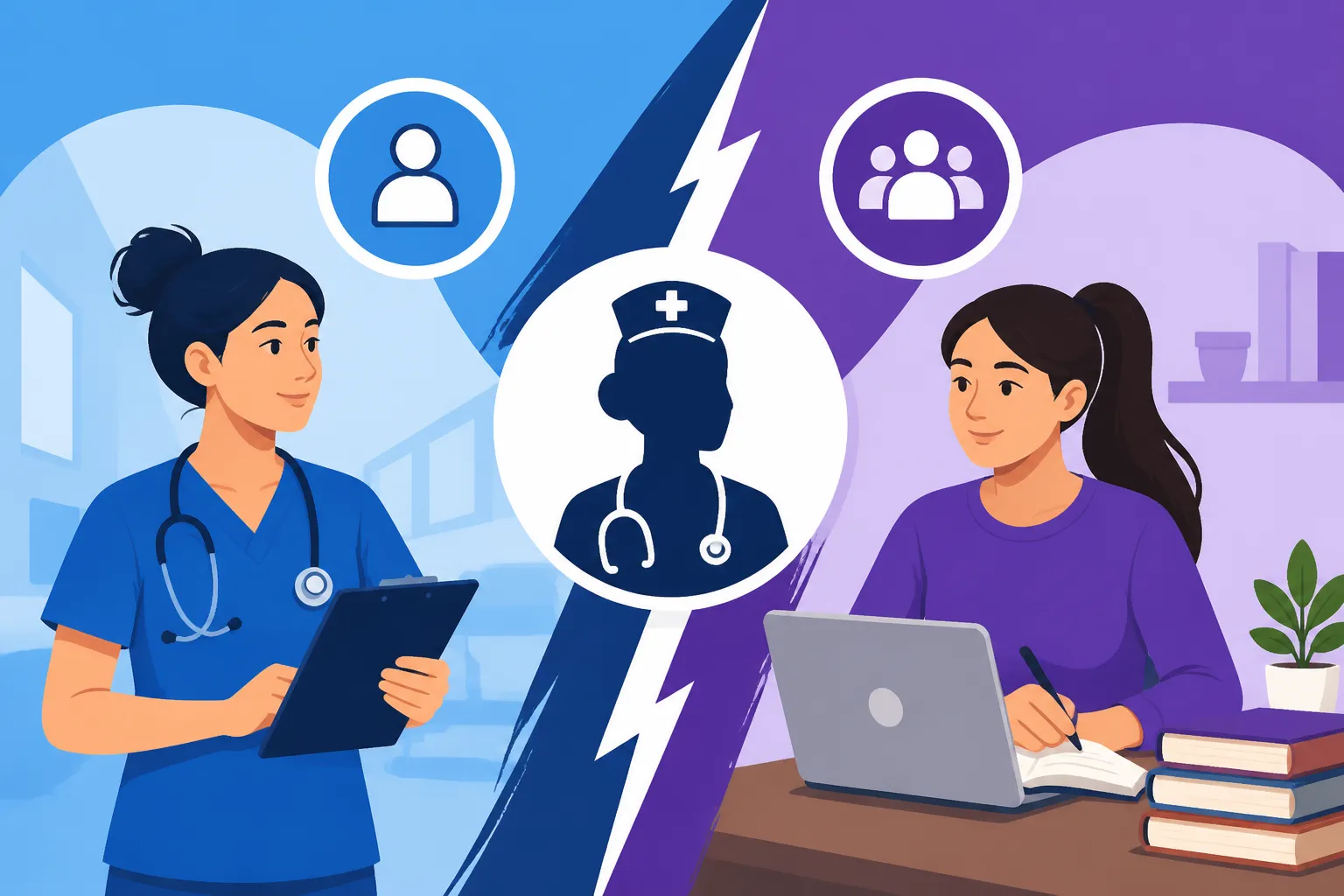
Part-Time vs Full-Time RN to BSN
Feeling stretched thin trying to juggle your nursing shifts, family life, and maybe even a semblance of a social life? The idea of adding an online RN to BSN program to that already overflowing plate can feel incredibly daunting, often leaving you wondering if it's even possible. Deciding whether to commit to a full-time sprint or a part-time marathon for your BSN is a huge decision, and it’s critical to choose a path that won't lead to burnout. This comprehensive guide will help you understand the realities of both options, so you can confidently pick the pace that’s truly right for you.
Understanding the RN to BSN Journey
The journey to earning your Bachelor of Science in Nursing (BSN) is a significant step for any Registered Nurse (RN) looking to advance their career. It’s a commitment to professional growth and often, better opportunities. With the rise of online learning, RNs now have more flexible options than ever before to pursue this degree without entirely uprooting their lives.
Why the BSN Matters More Than Ever
In today's healthcare landscape, a BSN is increasingly becoming the industry standard, moving beyond just a preference to a strong expectation in many settings. Hospitals, particularly those striving for or maintaining Magnet status, actively encourage or even require their nursing staff to hold a BSN. This isn't just about a piece of paper; it's about the enhanced critical thinking, leadership skills, and broader public health perspectives that a BSN curriculum instills. Many nurses pursuing this degree find that it directly impacts patient outcomes, equipping them with a deeper understanding of evidence-based practice and healthcare systems. If you've been wondering Is an RN to BSN Worth It, the answer is almost universally yes, both for individual career trajectory and for the profession as a whole.
The Flexibility of Online Programs
The advent of online education has been a game-changer for working nurses. Gone are the days when you had to choose between your career and your education. Online RN to BSN programs offer unparalleled flexibility, allowing you to study from home, often at your own pace, and around your demanding work schedule. This model is perfectly suited for those who can't commit to traditional on-campus classes due to shift work, family responsibilities, or geographical limitations. Whether you're in a busy metropolitan area or a rural community, the best online RN to BSN programs are accessible, making advanced education a realistic goal for countless RNs across the country. These programs acknowledge the unique challenges nurses face, striving to provide a supportive and adaptable learning environment.
The Full-Time RN to BSN Path: Sprint to the Finish
For some, diving headfirst into a full-time online RN to BSN program is the ideal way to get it done quickly. It’s a high-intensity, focused approach that can lead to rapid completion, often within a year or so. However, it's crucial to understand the significant demands and potential sacrifices involved.
The Intense Schedule and Time Commitment
Choosing a full-time RN to BSN path means you’re essentially adding another full-time job to your life. Most full-time programs require you to take anywhere from 12 to 18 or more credits per semester, which translates to tackling three to five courses concurrently. This level of coursework demands a substantial time commitment, often 30 to 40 hours of dedicated study each week, sometimes more, depending on the week and the course material.
Imagine working your regular three 12-hour hospital shifts, then trying to cram in hours of reading, research papers, discussion board posts, and project work on your "days off." It can feel like an endless cycle of work and study, leaving little to no time for anything else. For many, this intense pace often means sacrificing sleep, personal hobbies, and precious time with loved ones. It's a high-pressure environment that requires immense discipline and excellent time management skills, as you'll constantly be juggling multiple deadlines and large volumes of information. Trying to figure out How Many Hours a Week for RN to BSN for a full-time schedule often leads to the conclusion that it requires a monumental effort, stretching your capacity to its limits.
Financial Implications and Potential Sacrifices
While completing your BSN faster might seem like a financial advantage by getting you to a higher earning bracket sooner, the immediate financial implications of a full-time program can be substantial. The overall cost of an RN to BSN program can vary, but pursuing it full-time means concentrating those tuition and fee expenses into a shorter period. This can feel like a heavy financial burden for many.
Furthermore, the sheer volume of study required might force you to reduce your work hours, leading to a temporary decrease in your income. This reduction in earnings, coupled with the concentrated tuition costs, can put significant strain on your household budget. While financial aid options exist, such as loans, scholarships, or grants, they might not cover the entire cost of living, especially if you're taking a pay cut at work. You might find yourself dipping into savings or taking on more debt to cover living expenses, hoping the long-term career benefits will outweigh the short-term financial squeeze. Understanding How Much Does an RN to BSN Cost is vital, and those costs feel more immediate when condensed into a full-time schedule.
Accelerated Completion and Career Benefits
Despite the intensity, the primary allure of a full-time online RN to BSN program is undeniably the accelerated completion timeline. Imagine starting your program and, in just 12 to 18 months, proudly holding that BSN diploma. This rapid turnaround can be incredibly motivating and allows you to capitalize on career advancement opportunities much sooner. Hospitals that prefer or require a BSN will see you as a more competitive candidate for specialized units, leadership roles, or even graduate programs.
Finishing quickly means you can start applying for those BSN-level positions, potentially unlocking a higher salary and greater responsibilities earlier in your career. The momentum of continuous learning, without long breaks between semesters, also helps keep academic concepts fresh in your mind, which can be beneficial when preparing for any subsequent certification exams or even the NCLEX if you're a recent ADN graduate. This fast-track approach is perfect for those who are highly motivated, have strong self-discipline, and are eager to quickly transition into new professional roles. For a more detailed look at typical program lengths, check out our guide on How Long Does an RN to BSN Take.
The Part-Time RN to BSN Path: A Marathon, Not a Sprint
For the vast majority of working RNs, the part-time route to a BSN is a more realistic and sustainable option. It acknowledges the demands of your current life and career, allowing you to integrate education without completely disrupting your daily routine.
Balancing Work, Life, and Studies
The hallmark of a part-time online RN to BSN program is its emphasis on flexibility and balance. Instead of taking a full course load, you typically enroll in one or two courses per semester, amounting to around 6 to 9 credits. This significantly reduces your weekly study hours to a more manageable 15 to 25 hours, allowing you to maintain your full-time nursing job and attend to personal and family commitments.
Consider Sarah, a mother of two young children who works three 12-hour shifts a week. A full-time program would be nearly impossible for her. With a part-time schedule, she can dedicate a few hours each evening after the kids are asleep and some time on her days off to her studies. She might use resources like Uworld's comprehensive question bank to review concepts efficiently during her study blocks, ensuring she's maximizing her limited time. This approach prevents the overwhelming stress and burnout often associated with full-time study, making the BSN journey feel less like an insurmountable mountain and more like a steady, achievable climb. Our article on How to Balance Work and RN to BSN offers more insights into making this work effectively.
Managing Program Length and Motivation
While the part-time pace offers more breathing room, it comes with a longer overall program length. A part-time RN to BSN program can typically take anywhere from two to four years to complete, depending on the credit load you choose and your prior transfer credits. This extended timeline requires a different kind of dedication: sustained motivation and discipline over a longer period.
You might find moments where motivation wanes, especially during challenging courses or busy periods at work or home. It's easy to feel like you're in a never-ending cycle of schoolwork. Strategies for staying on track, such as setting small, achievable goals, celebrating milestones, and connecting with classmates, become even more crucial. Many find it helpful to create a long-term study plan and regularly check in with themselves to ensure they're not getting bogged down. Some programs offer multiple start dates throughout the year, which can be a boon if you need to take a break and jump back in without waiting for a traditional semester. Staying engaged, even when the finish line feels far away, is key to successfully navigating the RN to BSN Completion Timeline on a part-time basis.
Sustainable Learning Pace and Deeper Understanding
One of the often-overlooked advantages of a part-time schedule is the opportunity for a more sustainable learning pace and, consequently, a deeper understanding of the material. When you're not rushing through multiple courses, you have more time to truly absorb complex concepts, engage in critical thinking, and apply what you're learning to your current practice.
This slower, more deliberate approach can lead to better retention of information, moving beyond rote memorization to a genuine comprehension that serves you better in your nursing career. You can participate more thoughtfully in online discussions, conduct more thorough research for papers, and fully integrate new knowledge into your clinical reasoning. This reduced pressure often means less stress, less anxiety, and a more enjoyable educational experience overall. It allows you to maintain your performance at work while excelling in your studies, ensuring that you're truly benefiting from the education rather than just getting by. For nurses who prioritize mental well-being and a thorough grasp of their studies, taking a part-time RN to BSN While Working Full-Time offers a path that supports both. Even when studying part-time, resources like Uworld can be invaluable for reinforcing complex concepts and preparing for any internal program assessments or future certifications.
Choosing Your Pace: Factors to Consider
Deciding between a part-time and full-time RN to BSN program is a deeply personal choice. There's no single "right" answer, only the answer that aligns best with your individual circumstances, goals, and capacity. Here are some critical factors to weigh carefully before making your decision.
Your Current Work Schedule and Employer Support
Your professional life is arguably the biggest determinant of your BSN pace. If you're working demanding 12-hour shifts in a busy hospital, a full-time academic schedule on top of that could quickly lead to burnout. Consider the rhythm of your work: Do you have consistent days off? Can you realistically dedicate entire days or significant blocks of time to studying? Some employers are incredibly supportive, offering flexible scheduling, educational leave, or even tuition reimbursement programs.
It’s worth having a candid conversation with your nurse manager or HR department about your educational aspirations. Some hospitals actively incentivize BSN completion through programs like Employer Tuition Assistance for BSN or offer flexible schedules for employees pursuing higher education. Knowing the level of support you can expect from your workplace can significantly influence whether a full-time commitment is feasible or if a more measured, part-time approach is necessary to maintain your performance and well-being at work.
Personal and Family Obligations
Beyond your professional life, your personal and family commitments play a huge role in determining your available bandwidth for an RN to BSN program. Do you have children who need your attention? Are you caring for elderly parents? Do you have significant social engagements, volunteer work, or other responsibilities that demand your time and energy?
A full-time program often requires you to put many of these personal obligations on hold, leading to potential strain on relationships or feelings of guilt. A part-time schedule, while still demanding, allows for more flexibility to be present in your personal life. For instance, you might dedicate school hours to when children are at school or after they've gone to bed, or carve out specific study blocks on weekends that don't interfere with family time. Being realistic about how much "extra" time you actually have – not just how much you wish you had – is crucial for preventing overwhelming stress and ensuring the program remains a positive, rather than a draining, experience.
Financial Resources and Aid Availability
The financial aspect is another cornerstone of your decision. Can you afford to temporarily reduce your income if you pursue a full-time program? Do you have sufficient savings to cover living expenses if your work hours decrease? Or, conversely, would spreading out the tuition costs over a longer, part-time program be more manageable for your budget?
Exploring RN to BSN Financial Aid Options is a vital step regardless of your chosen pace. This includes federal student aid, scholarships specific to nursing students, and institutional grants. However, remember that loan amounts can sometimes be tied to your enrollment status (full-time vs. part-time). Some nurses strategically choose part-time programs to continue working full-time and avoid taking out additional loans, while others leverage employer tuition assistance programs that might cover a certain number of credits per year, naturally aligning with a part-time pace. Consider the long-term return on investment, but don't overlook the immediate financial feasibility.
Learning Style and Energy Levels
Self-awareness about your learning style and personal energy levels is paramount. Are you someone who thrives under intense pressure, performing best with tight deadlines and a demanding schedule? Or do you learn more effectively when you have ample time to reflect, research, and integrate new information at a more relaxed pace?
Some nurses are natural sprinters, energized by the quick progression of a full-time program. Others are marathon runners, preferring a steady, deliberate pace that allows for deeper understanding without feeling rushed or overwhelmed. If you're already feeling perpetually exhausted from your nursing shifts, adding a full-time academic load might be a recipe for burnout. It's okay to admit if you need a more manageable pace to truly succeed and enjoy the learning process. Furthermore, consider how you might supplement your studies. Utilizing resources like Uworld for focused practice questions and comprehensive explanations can be a great way to reinforce learning, regardless of your pace, as it offers a flexible platform to fit various study habits.
Academic Requirements and Transfer Credits
Before you finalize your decision, take a deep dive into the specific RN to BSN Requirements Explained by prospective programs. The number of credits you need to complete an RN to BSN can vary depending on your previous ADN curriculum and how many of those credits transfer. If you're starting with a significant number of transfer credits, your remaining coursework might be less, making a full-time option more achievable even for those with busy lives.
Conversely, if you have fewer transferable credits, or if a program has specific prerequisite courses you still need to complete, even a part-time schedule might take longer than anticipated. Always request an unofficial transcript evaluation from any university you're considering. This will give you a clear roadmap of exactly what courses you'll need to take, helping you accurately project your personal How Long Does an RN to BSN Take based on either a full-time or part-time enrollment.
Comparing Part-Time and Full-Time RN to BSN Options
To help you visualize the key differences, here's a comparison table outlining the main aspects of full-time versus part-time RN to BSN programs.
| Feature | Full-Time RN to BSN | Part-Time RN to BSN |
|---|---|---|
| Duration | Typically 12-18 months (e.g., University of Texas at Arlington offers accelerated options) | Typically 2-4 years (e.g., Western Governors University allows flexible pacing) |
| Credit Load | 12-18+ credits per semester | 6-9 credits per semester |
| Weekly Study | 30-40+ hours; can feel like a second job | 15-25 hours; more manageable alongside work |
| Intensity | High, fast-paced, demanding, can lead to burnout | Moderate, steady, sustainable, reduces stress |
| Flexibility | Lower, rigid deadlines, tight scheduling | Higher, more adaptable to life's unpredictable nature |
| Work-Life Balance | Challenging, significant sacrifices in personal time | Easier to maintain, less disruptive to family and social life |
| Financial Impact | Concentrated costs, potential income reduction from fewer shifts | Spread-out costs, easier to maintain full income, potentially less debt |
| Motivation | Short-term, high intensity required to push through quickly | Long-term, sustained discipline needed to stay engaged over years |
| Career Impact | Faster advancement to BSN-level roles and pay raises | Gradual advancement, steady progress towards BSN-level opportunities |
| Stress Levels | High, risk of academic and personal burnout | Moderate, allows for better coping and well-being |
Ultimately, your decision should stem from a thorough, honest assessment of your current life circumstances, your financial stability, your personal learning preferences, and your long-term career goals. There's no shame in choosing the pace that protects your mental health and allows you to truly learn and thrive, even if it means taking a bit longer to earn that valuable BSN.
Disclaimer
Please remember that the information provided in this guide is for general informational purposes only and does not constitute professional advice. Program details, costs, and requirements can vary significantly between institutions and are subject to change. Always consult directly with academic advisors and financial aid offices at your chosen university for the most accurate and up-to-date information regarding your specific situation.