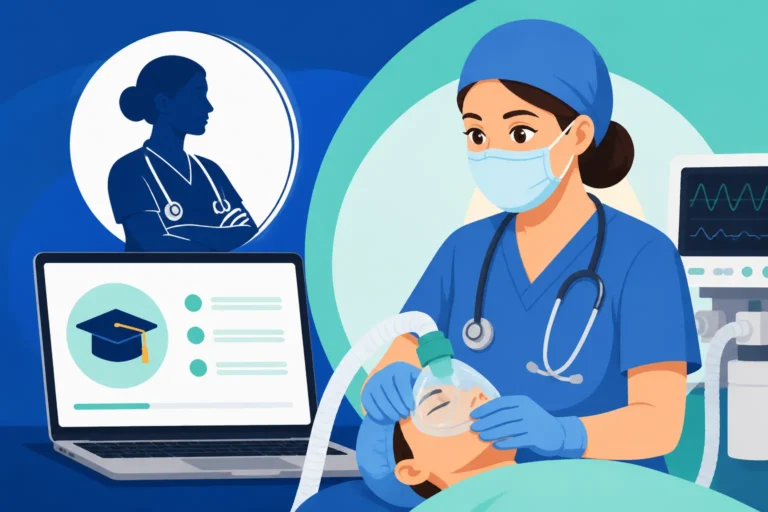
Best Online AGACNP Programs
Deciding to advance your nursing career to become an Adult-Gerontology Acute Care Nurse Practitioner (AGACNP) is a huge step, and finding the right online program can feel like searching for a needle in a haystack. Many experienced nurses struggle with balancing work, family, and the desire for higher education, making the flexibility of online learning incredibly appealing. This comprehensive guide is here to walk you through the ins and outs of choosing the best online AGACNP program, detailing what to look for, what to expect, and how to set yourself up for success.
Understanding the Adult-Gerontology Acute Care Nurse Practitioner Role
Stepping into the world of advanced practice nursing as an AGACNP means embracing a critical role in healthcare. It's not just about earning another degree; it's about transforming your practice and making a profound impact on a specific patient population.
What an AGACNP Does
As an Adult-Gerontology Acute Care Nurse Practitioner, you're on the front lines, providing direct patient care to adults, from young adulthood through old age, who are experiencing acute, critical, or chronic complex conditions. This isn't your typical primary care role where you manage routine check-ups and common illnesses. Instead, AGACNPs operate in settings where patients are acutely ill, often facing life-threatening situations. Think intensive care units (ICUs), emergency departments, specialty units within hospitals like cardiology or pulmonology, and even long-term acute care facilities.
Your daily tasks will be varied and demanding. You might be admitting patients, ordering and interpreting diagnostic tests, developing and managing complex treatment plans, performing advanced procedures, and collaborating closely with interdisciplinary teams of physicians, specialists, and other healthcare professionals. It’s a role that requires sharp critical thinking, rapid decision-making, and a deep understanding of pathophysiology and advanced pharmacology. You're often the one explaining complicated medical jargon to anxious family members, providing comfort, and ensuring a holistic approach to care during a vulnerable time for patients. The intensity is high, but so is the reward of seeing patients stabilize and begin their recovery journey under your expert care.
Why Become an AGACNP
Many nurses consider advancing their education for various reasons, and the AGACNP path offers compelling benefits. For one, it significantly broadens your scope of practice, allowing you to diagnose, treat, and manage complex acute illnesses in ways that an RN cannot. This increased autonomy and responsibility can be incredibly fulfilling, giving you more direct influence over patient outcomes. Beyond the personal satisfaction, becoming an AGACNP also opens doors to enhanced career opportunities and a substantial increase in earning potential. Hospitals and healthcare systems are increasingly valuing and hiring acute care NPs to manage patient loads, improve care coordination, and fill critical gaps in provider shortages.
The demand for Nurse Practitioners, including AGACNPs, is projected to grow significantly over the next decade, much faster than the average for all occupations. This strong job outlook means more security and a wider array of choices in where you want to practice. Furthermore, an AGACNP role can be a stepping stone for even further specialization or leadership positions down the line. It's a career path that challenges you, continually pushes you to learn, and places you in a position to truly make a difference when patients need it most. If you've ever felt limited by your current RN scope and yearn for a more advanced, impactful role in critical care settings, exploring Nurse Practitioner Specializations Explained will show you why the AGACNP path could be your next best move.
AGACNP vs. Other NP Specialties
When you decide to pursue advanced practice nursing, it's easy to get overwhelmed by the sheer number of specializations available. It’s crucial to understand the distinct differences, especially between the Adult-Gerontology Acute Care Nurse Practitioner (AGACNP) and other common NP roles like the Family Nurse Practitioner (FNP) or Adult-Gerontology Primary Care Nurse Practitioner (AGPCNP). The fundamental distinction lies in the patient population's acuity and the setting of care.
An FNP provides comprehensive primary healthcare across the entire lifespan, from infants to seniors, focusing on health promotion, disease prevention, and the management of common acute and chronic conditions in outpatient settings like clinics, doctor's offices, and schools. They are the generalists of the NP world. Similarly, an AGPCNP focuses on primary care, but specifically for the adult and geriatric populations, also in outpatient or long-term care settings, emphasizing preventative care and managing stable chronic illnesses. They help patients stay out of the hospital.
In contrast, the AGACNP is trained to manage acute and critically ill adult and geriatric patients, primarily in inpatient settings such as hospitals, ICUs, emergency departments, and specialty critical care units. Your focus will be on rapid assessment, diagnosis, and intervention for complex, unstable conditions that require immediate, intensive management. While both FNP and AGPCNP roles prioritize long-term health and prevention, the AGACNP is all about the immediate, high-stakes management of severe illness. Thinking about the long-term, you might also consider the MSN vs DNP: Which to Choose if you're looking at different degree levels beyond the specialization itself.
Key Factors to Consider When Choosing an Online AGACNP Program
Embarking on an online AGACNP program is a significant investment of time and resources. To ensure you make the best choice for your career and lifestyle, it’s vital to thoroughly evaluate several key factors. Don't just pick the first program you see!
Accreditation Matters
This isn't just a fancy word; accreditation is the bedrock of a quality nursing education and your future career. When researching Online MSN Programs: Complete Guide, you'll quickly learn that any reputable online AGACNP program must be accredited by either the Accreditation Commission for Education in Nursing (ACEN) or the Commission on Collegiate Nursing Education (CCNE). These two organizations are recognized by the U.S. Department of Education and are the gold standard for nursing education.
Why is this so critical? First, graduating from an unaccredited program means you likely won't be eligible to sit for your national AGACNP certification exam, which is a mandatory step to become a licensed Nurse Practitioner. No certification, no practice – it's that simple. Second, many state boards of nursing require graduation from an accredited program for licensure. Third, if you ever decide to pursue further education, like a DNP, other accredited universities will almost certainly not accept credits from an unaccredited program. Finally, employers, especially Magnet®-recognized hospitals, often only hire graduates from accredited programs because it signifies a certain level of educational rigor and quality. Always, always verify the program's accreditation status before applying. Understanding CCNE vs ACEN Accreditation Explained can give you even more insight into the specific nuances of each.
Program Structure and Flexibility
One of the biggest draws of an online AGACNP program is the promise of flexibility, but not all online programs are created equal. You need to understand the nuances of program structure to determine what truly fits your life. Some programs are primarily asynchronous, meaning you can access lectures and complete assignments on your own schedule, within deadlines, without needing to be online at specific times. This is fantastic for nurses working rotating shifts or with unpredictable family commitments. Others incorporate synchronous components, requiring you to log in for live virtual classes or discussions at set times. While less flexible, these can offer a more interactive and collaborative learning experience, which some students prefer.
Beyond the delivery method, consider the pace. Do they offer part-time and full-time options? A full-time online AGACNP program can be incredibly intensive, often requiring 20-40 hours of study and clinical work per week. This might be feasible if you're reducing your work hours, but for many working nurses, a part-time track, even if it extends the How Long to Become a Nurse Practitioner timeline, is a more realistic and sustainable option. Look for programs with multiple start dates throughout the year, as this can allow you to begin when it’s most convenient for you rather than waiting for a single fall semester start. A program that truly understands the demands on a working nurse will offer a variety of options to accommodate diverse student needs.
Clinical Placement Support
Ah, the clinical hours – often the most daunting part of any NP program, especially online ones. For an AGACNP program, you'll need hundreds of hands-on clinical hours, typically between 500-1000, in acute care settings like ICUs, emergency rooms, and specialty hospital units, under the direct supervision of a qualified preceptor. This is where many online programs truly distinguish themselves (or fall short). Finding a preceptor and a clinical site can be incredibly challenging, and doing it on your own can add immense stress and delay your graduation.
Therefore, robust clinical placement support from your chosen program is non-negotiable. Some of the best online AGACNP programs offer dedicated clinical coordinators who will actively assist you in identifying, securing, and vetting appropriate preceptors and clinical sites near your location. They might have established partnerships with hospitals and healthcare systems across the country, making the process much smoother. Other programs, however, place the entire burden of finding preceptors on the student, offering little more than a list of requirements. Before committing to any program, ask very specific questions about their clinical placement process: Do they find sites for you? What percentage of students secure their own? What happens if you can't find a preceptor? Understanding MSN Clinical Hours Requirements and the specific support offered can be the difference between a smooth journey and a frustrating one.
Faculty Expertise and Support
The quality of your instructors and the level of support they provide are paramount, even in an online environment. You want to learn from experienced, currently practicing AGACNPs or physicians who bring real-world knowledge and insights into the virtual classroom. Look for faculty members who are not just academics but also active clinicians with strong backgrounds in acute care. Their expertise will shape your understanding of complex cases and clinical decision-making.
Beyond their credentials, consider the faculty-to-student ratio and the accessibility of your professors. In an online setting, clear communication channels, timely feedback, and a willingness to engage with students outside of scheduled sessions are crucial. Do they hold virtual office hours? Are they responsive to emails? Do they offer mentorship? Strong faculty support can make a world of difference in your learning journey, helping you navigate challenging coursework and clinical experiences. A supportive faculty can also be invaluable resources for networking and career advice as you approach graduation and prepare for national certification exams.
Top Online AGACNP Programs: A Closer Look
When it comes to the "best" online AGACNP programs, it’s important to remember that "best" often depends on your individual needs, location, and specific career goals. However, certain institutions consistently rank high for their academic rigor, faculty expertise, and comprehensive support for online learners. Based on common rankings and student feedback, here are some programs that often come highly recommended.
University of Alabama at Birmingham (UAB)
UAB's School of Nursing is consistently recognized as one of the top nursing schools in the nation, and their online AGACNP program maintains that high standard. Their program is designed to prepare advanced practice nurses to provide expert care to acutely ill adult and geriatric patients across various settings, from critical care units to emergency departments. UAB emphasizes evidence-based practice and a strong clinical foundation. Students benefit from faculty who are actively practicing in their specialties, bringing current clinical knowledge to the virtual classroom.
One of the significant advantages of UAB's program is its strong reputation, which can be beneficial when seeking clinical placements and post-graduation employment. They often have robust resources for clinical site placement assistance, which is a huge relief for many online students. The curriculum is comprehensive, covering advanced physiology, pharmacology, physical assessment, and specialized acute care management courses. Graduates are well-prepared for the national certification exam, and the school prides itself on high pass rates. For those considering a program with a strong academic pedigree and a national presence, UAB is definitely worth a close look.
Duke University School of Nursing
Duke University's School of Nursing is another powerhouse in advanced nursing education, offering a highly respected online AGACNP program. Known for its innovation and commitment to excellence, Duke provides a rigorous curriculum that integrates cutting-edge research and clinical practice. Their program is designed for nurses who aspire to leadership roles and wish to practice at the highest level of acute care. While the program is primarily online, it often includes short, intensive on-campus immersions, providing invaluable opportunities for hands-on skills training, simulations, and direct interaction with faculty and peers. This hybrid approach offers the best of both worlds: the flexibility of online learning with the benefits of in-person mentorship and networking.
Duke places a strong emphasis on preparing students not just for certification but for leadership in complex healthcare environments. Their faculty are leaders in their fields, contributing to research and shaping healthcare policy. The school also boasts extensive resources for clinical placement support, leveraging its vast network of clinical sites. While typically more expensive than some other programs, the investment in a Duke education often pays dividends in career advancement and professional recognition. For students seeking a truly transformative educational experience with a strong research focus, Duke’s AGACNP program stands out.
Ohio State University
The Ohio State University (OSU) College of Nursing offers a highly regarded online AGACNP program that combines the convenience of distance learning with the prestige of a major public university. OSU’s program focuses on developing advanced clinical reasoning and diagnostic skills essential for managing critically ill patients. They are committed to supporting working nurses, often providing flexible scheduling options and strong technological infrastructure for their online courses.
One of the strengths of OSU's program is its practical approach to acute care, preparing students for real-world challenges in diverse inpatient settings. Their faculty often bring extensive clinical experience to the online environment, enriching discussions and case studies. For students specifically looking for a program with a strong regional presence and excellent clinical connections within the Midwest, Ohio State is a compelling option. They often provide resources and guidance for securing clinical placements, a crucial aspect for online students. If you're looking for a top-tier public university experience with a well-established online presence, consider diving deeper into the best online AGACNP programs in Ohio to see if it’s the right fit.
University of Cincinnati
The University of Cincinnati (UC) College of Nursing is a pioneer in online nursing education and offers a robust online AGACNP program. UC is known for its accessible and high-quality distance learning options, making it a popular choice for nurses seeking flexibility without compromising academic standards. Their AGACNP curriculum is designed to equip students with the advanced knowledge and skills to provide expert care to acute and critically ill adult and geriatric populations.
UC's program often features asynchronous coursework, which is ideal for nurses with unpredictable schedules. They also pride themselves on offering comprehensive support services for online students, from technical assistance to academic advising. Their faculty are experienced clinicians and educators who are dedicated to fostering a supportive learning environment. The University of Cincinnati also provides resources to assist students in identifying potential clinical sites and preceptors, understanding the challenges involved. Graduates of UC’s program are well-prepared for the national certification exam and for successful careers in acute care settings.
Rush University
Rush University, located in Chicago, boasts a highly respected College of Nursing, offering an online AGACNP program that consistently ranks among the top in the nation. Rush is renowned for its strong emphasis on evidence-based practice, clinical excellence, and patient-centered care. While their online program offers significant flexibility, it often incorporates intensive on-campus experiences or structured virtual simulations that ensure students gain hands-on proficiency and direct mentorship.
What sets Rush apart is its integration with the Rush University Medical Center, a leading academic health system. This connection provides unparalleled opportunities for clinical research, access to leading experts, and a deep understanding of cutting-edge acute care practices. Their faculty are often nationally recognized for their contributions to nursing research and practice. Students in the Rush AGACNP program benefit from a challenging curriculum and a supportive learning environment that prepares them for the complexities of acute care. If you're looking for a program with a strong reputation for clinical innovation and a direct link to a world-class medical institution, Rush University is an excellent consideration.
Navigating the Application Process and Prerequisites
Applying to graduate school can feel like a maze, especially with all the forms, essays, and deadlines. For an online AGACNP program, the process is detailed but entirely manageable if you prepare adequately.
Common Admission Requirements
When you're ready to apply, you'll find that most online AGACNP programs share a core set of admission requirements. First and foremost, you'll need an active, unencumbered Registered Nurse (RN) license. Many programs will also require a Bachelor of Science in Nursing (BSN) from an accredited institution. While some RN to MSN programs exist for ADN-prepared nurses, the direct AGACNP route typically assumes a BSN foundation. Academic performance is key, with most programs requiring a minimum GPA, often a 3.0 or higher on a 4.0 scale, in your undergraduate nursing coursework.
Beyond transcripts, you'll usually be asked for a personal statement or essay that outlines your professional goals, your reasons for pursuing an AGACNP, and how your experiences have prepared you for advanced practice. This is your chance to shine and tell your unique story. You'll also need professional references, typically from supervisors or professors who can attest to your clinical skills, work ethic, and potential for graduate-level study. Some programs may require a resume or CV highlighting your nursing experience, and many prefer or even require a certain number of years of experience in an acute care setting (e.g., ICU, ER) as a registered nurse, given the specialization's focus. A competitive application will address all these points thoroughly and thoughtfully. You can get more details on MSN Admission Requirements to ensure you cover all your bases.
Essential Prerequisites
Before you can even apply, many AGACNP programs will have specific prerequisite courses you need to complete. These are foundational courses that ensure you have the necessary scientific and academic background for advanced nursing studies. Common prerequisites often include statistics, anatomy and physiology (A&P), microbiology, and sometimes chemistry. While you likely took these during your ADN or BSN, some programs have recency requirements, meaning the courses must have been completed within the last 5-7 years. If yours are older, you might need to retake them or complete an updated version.
It's absolutely critical to review the specific prerequisites for each program you're interested in, as they can vary. Some schools might have additional requirements, such as a health assessment course. If you're missing a prerequisite, don't despair! Many universities offer these courses online as standalone options, allowing you to fulfill the requirement without enrolling in a full degree program. Planning ahead for these prerequisites is essential to avoid delays in your application process.
Crafting a Strong Application
In a competitive field like advanced practice nursing, a strong application can make all the difference. Your personal statement is your opportunity to articulate your passion for acute care, showcase your understanding of the AGACNP role, and connect your past experiences to your future aspirations. Be specific; instead of just saying you want to help people, describe a challenging patient situation where your acute care nursing skills made a tangible impact. Highlight leadership experiences, critical thinking abilities, and any contributions to quality improvement or evidence-based practice in your current role.
When choosing your recommenders, pick individuals who know you well professionally and can speak to your strengths as a nurse and a student. Give them ample time and provide them with your resume and personal statement to help them write a comprehensive letter. Finally, double-check all application materials for errors. A meticulous, well-written application demonstrates your attention to detail and commitment, qualities highly valued in advanced practice nursing. Even preparing for a challenging certification exam like the AGACNP exam requires meticulous preparation, similar to how you’d tackle an application, and resources like Uworld are invaluable for both.
Clinical Rotations and Preceptor Search
The clinical component of an online AGACNP program is where theory truly meets practice. It's often the most rewarding, yet also the most challenging, part of your journey to becoming an Acute Care Nurse Practitioner.
Understanding AGACNP Clinical Hours
For an AGACNP student, your clinical hours will immerse you in high-acuity settings where you'll gain hands-on experience managing complex, critically ill adult and geriatric patients. Unlike primary care NPs who might see patients for routine check-ups, your rotations will typically involve intensive care units (ICUs), emergency departments, specialty units such as cardiac care, trauma, or surgical ICUs, and potentially specialty clinics that manage acute exacerbations of chronic conditions. The total number of clinical hours required generally ranges from 500 to 1,000 post-BSN, with 700-800 being a common requirement for MSN-level AGACNP programs, on top of any prior advanced physical assessment or pharmacology clinical components.
During these hours, you'll be actively involved in patient assessment, diagnosis, treatment planning, and procedure performance under the direct supervision of a qualified preceptor. This is where you apply all the advanced pathophysiology and pharmacology you've learned. It's not just observation; it's about active participation, making clinical decisions, and developing your independent practice skills. Be prepared for the intensity; these rotations are designed to simulate the fast-paced, high-stakes environment you'll encounter as a licensed AGACNP. Successfully completing your MSN Clinical Hours Requirements is a major milestone towards graduation.
Strategies for Finding Preceptors
Finding qualified preceptors and appropriate clinical sites is, without a doubt, one of the biggest hurdles for online NP students. Many nurses experience significant frustration trying to secure placements, especially in high-demand specialties like acute care. The key is to start early and be proactive. Begin networking months before your clinical rotations are scheduled to start. Talk to the AGACNPs and physicians you currently work with; they might be willing to precept you or know someone who is. Reach out to local hospitals, specialty clinics, and acute care facilities. Don't be afraid to cold-call or email directors of nursing or nurse managers in units where you hope to practice.
Leverage your existing professional connections and make new ones. Attend local NP association meetings or conferences. Be prepared with a professional resume, a clear explanation of your program's requirements, and a polite, persistent attitude. Remember, you're asking for a significant commitment from a busy professional, so emphasize what you can bring to the table – your enthusiasm, your strong work ethic, and your ability to learn quickly. Some programs have online portals or resources dedicated to helping you track and manage your preceptor search, and this support can be a lifesaver. Finding a great preceptor is essential for gaining invaluable clinical experience, and this part of your education can truly make or break your learning.
The Role of Program Support in Clinicals
Given the immense challenge of securing clinical placements, the level of support your online AGACNP program provides is a critical factor in your success. As mentioned before, some of the best online programs have dedicated clinical placement coordinators whose sole job is to help students find suitable preceptors and sites. They might have existing affiliations with healthcare systems across various states, simplifying the process for you. These coordinators understand the specific requirements for How to Find NP Preceptors and can help match you with appropriate opportunities.
However, not all programs offer the same level of assistance. Some might provide a list of past preceptors and leave the legwork entirely up to you. Before you enroll, ask explicit questions about their clinical placement process: Do they guarantee placements? What percentage of students receive direct placement assistance? What is the average time it takes for students to secure their sites? What happens if you cannot find a preceptor – is there an alternative plan or a deferral option? Don't accept vague answers. Your ability to complete your clinical hours directly impacts your graduation timeline, so thorough program support is an absolute necessity.
Funding Your Online AGACNP Education
Investing in an online AGACNP degree is a significant financial decision. Understanding the costs and available funding options is crucial for planning your educational journey without undue financial stress.
Tuition and Fees
The cost of an online AGACNP program can vary widely depending on the institution type (public vs. private), its reputation, and your residency status. Generally, you can expect to pay anywhere from $30,000 to over $100,000 for the entire program, not including living expenses, books, or technology. Public universities often have lower tuition rates for in-state residents, but many online programs offer a flat tuition rate regardless of residency. Private universities, while potentially more expensive, might offer more individualized support or specialized curricula.
Beyond tuition, remember to budget for various fees. These can include application fees, technology fees, course materials (textbooks, software, lab supplies), graduation fees, and professional liability insurance for your clinical rotations. Travel and accommodation for any required on-campus intensives or for distant clinical placements should also be factored in. While the sticker price might seem intimidating, it's important to view this as an investment in your career. Many AGACNPs experience a significant salary increase after earning their degree, making the Adult-Gerontology Acute Care NP Salary and Job Outlook quite favorable in the long run.
Financial Aid Options
Thankfully, there are various ways to help fund your online AGACNP education. The first step for most students is completing the Free Application for Federal Student Aid (FAFSA). This determines your eligibility for federal grants (which you don't have to pay back) and federal student loans. Federal loans often have lower interest rates and more flexible repayment options compared to private loans. Many students also qualify for various scholarships designed specifically for nursing students or advanced practice nurses. Professional organizations, state nursing boards, and even private foundations offer these opportunities. Search for scholarships early and apply to as many as possible; every little bit helps.
Additionally, many healthcare employers offer tuition reimbursement programs as a benefit for their nurses who pursue advanced degrees. Check with your hospital or healthcare system's HR department to see if this is an option for you. Some employers might even have specific programs for AGACNPs, covering a significant portion of your tuition in exchange for a commitment to work for them after graduation. Don't overlook these possibilities. Exploring all your MSN Financial Aid and Scholarships options thoroughly can significantly reduce your out-of-pocket costs.
Return on Investment
Deciding whether an online AGACNP program is "worth it" often comes down to the return on investment (ROI). While the upfront costs and time commitment are substantial, the long-term career benefits can be immense. As an AGACNP, you'll gain increased autonomy, a broader scope of practice, and the ability to specialize in complex critical care. This often translates to a significantly higher salary compared to a registered nurse, even an experienced one. The national average salary for Nurse Practitioners continues to rise, and AGACNPs, particularly in high-demand areas like urban critical care centers, can command impressive compensation.
Beyond salary, consider the intangible benefits: greater job satisfaction, the ability to make a more profound impact on patient lives, and enhanced professional respect. The demand for AGACNPs is robust, ensuring strong job security and diverse career opportunities. While it might take a few years to recoup the initial financial investment, the enhanced earning potential, career advancement, and personal fulfillment often make the journey well worth it. It’s a career path that offers continuous learning and the chance to contribute significantly to healthcare, ensuring that the investment pays off in both financial and personal ways.
| Feature / Program Aspect | Description and Importance | What to Look For |
|---|---|---|
| Accreditation | Essential for licensure, certification, financial aid eligibility, and employer acceptance. | CCNE or ACEN accreditation; verify current status on their websites. |
| Program Structure | How courses are delivered (synchronous/asynchronous), flexibility of pace (full-time/part-time). | Asynchronous options for flexibility; multiple start dates; clear communication on required live sessions. |
| Clinical Support | Assistance with finding and securing required clinical preceptors and sites. | Dedicated clinical placement coordinator; established network of clinical sites; clear preceptor vetting process. |
| Faculty Experience | Expertise and current clinical practice of professors. | Faculty who are actively practicing AGACNPs; strong academic and clinical credentials; approachable and supportive. |
| Curriculum Depth | Comprehensive coverage of advanced pathophysiology, pharmacology, assessment, and acute care management. | Rigorous coursework aligning with national AGACNP competencies; emphasis on evidence-based practice. |
| Cost & Financial Aid | Overall tuition, fees, and available scholarships, grants, and loan options. | Transparent cost breakdown; FAFSA eligibility; school-specific and external scholarship opportunities; employer reimbursement info. |
| NCLEX Pass Rates | The program's historical success in preparing students for the national certification exam. | High first-time pass rates (e.g., 90% or above) for AGACNP certification; test prep resources like Uworld integration. |
| Student Support | Resources beyond academics, such as technical support, academic advising, and career services. | Accessible tech support; responsive academic advisors; career counseling; robust online learning platform. |
Disclaimer
Please note that the information provided in this guide is intended for general informational purposes only and does not constitute professional advice. Program details, admission requirements, costs, and accreditation status can change frequently. Always verify the most up-to-date information directly with the educational institutions you are considering. Individual career outcomes and salary expectations may vary.