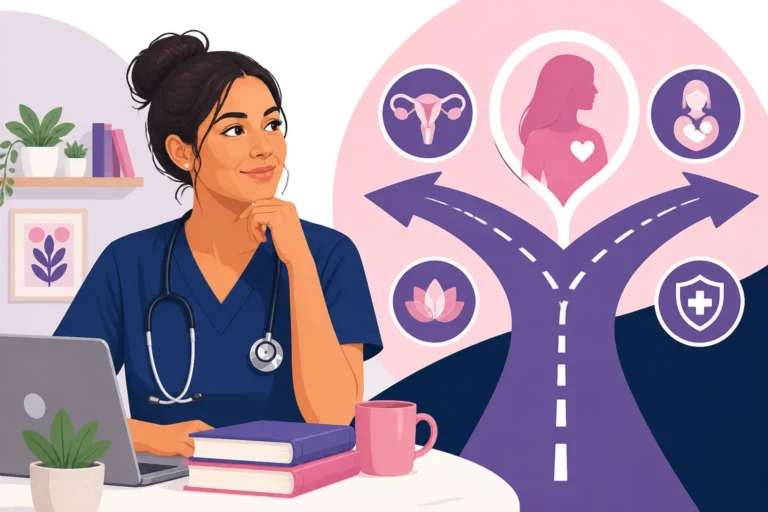
FNP vs PMHNP: Which to Choose
Deciding on your path in advanced practice nursing can feel like standing at a fork in the road, especially when you're weighing two incredibly impactful specialties like Family Nurse Practitioner (FNP) and Psychiatric Mental Health Nurse Practitioner (PMHNP). It’s a huge decision that impacts your career trajectory, daily work life, and the kind of patient care you'll be delivering, and it's totally normal to feel overwhelmed by the choices. This guide is here to walk you through the nuances of each role, helping you clarify which one truly aligns with your passion and professional goals.
Understanding the Family Nurse Practitioner FNP Role
The Family Nurse Practitioner is often what people envision when they think of a primary care provider. These NPs are the backbone of many communities, providing holistic, patient-centered care across the lifespan. They're often the first point of contact for families dealing with a wide array of health concerns.
What an FNP Does Day-to-Day
As an FNP, your daily activities are incredibly diverse. You might start your morning seeing a newborn for their first well-baby check, followed by a teenager coming in for a sports physical, then an adult with a new onset of hypertension, and finally, an elderly patient managing multiple chronic conditions. The beauty of the FNP role is this constant variation. You’re not just treating illnesses; you're often focused on preventive care, health education, and promoting wellness.
FNPs perform comprehensive physical exams, order and interpret diagnostic tests like blood work and X-rays, diagnose and treat acute and chronic illnesses, and prescribe medications. They also counsel patients on lifestyle modifications, provide immunizations, and manage ongoing care plans. The emphasis is on continuity of care, building long-term relationships with patients and their families, and addressing the full spectrum of their health needs.
Patient Population and Scope of Practice for FNPs
The "family" in Family Nurse Practitioner truly means everyone. From infancy through geriatrics, FNPs are trained to care for individuals and families across the entire lifespan. This broad scope is both a challenge and a reward, requiring a vast knowledge base of different developmental stages, common health issues for each age group, and the unique psychosocial factors that influence family health.
The FNP scope of practice is incredibly broad, encompassing health promotion, disease prevention, and the management of both acute and chronic conditions. They can work autonomously or in collaboration with physicians and other healthcare professionals, depending on state regulations. This includes everything from colds and flu, diabetes, asthma, heart disease, to minor injuries. To learn more about the specifics, you can delve into the detailed guide on FNP Scope of Practice Explained This breadth means FNPs need to be adept at rapid assessment and differential diagnosis across a wide array of presenting complaints.
Common Settings Where FNPs Work
FNPs are highly versatile and can be found in a multitude of healthcare settings. The most common environment is primary care offices, including family practices, community health clinics, and urgent care centers. These settings allow FNPs to serve a diverse patient population and provide continuous care.
Beyond traditional clinics, FNPs also work in rural health centers, school health clinics, employer health services, and even telehealth platforms. Their ability to provide comprehensive care for all ages makes them invaluable, particularly in underserved areas where access to healthcare might be limited. The demand for FNPs remains strong as healthcare systems continue to emphasize accessible primary care services.
Delving into the Psychiatric Mental Health Nurse Practitioner PMHNP Role
In stark contrast to the FNP's broad physical health focus, the Psychiatric Mental Health Nurse Practitioner specializes in the intricate world of mental health. These providers are on the front lines of addressing the growing mental health crisis, offering crucial support and treatment to individuals struggling with psychological and emotional well-being.
The Core Responsibilities of a PMHNP
A PMHNP's day is centered on mental health assessment, diagnosis, and treatment. This includes conducting thorough psychiatric evaluations, which often involve in-depth interviews about a patient's mental state, family history, social situation, and current stressors. They diagnose a wide range of mental health disorders, from depression and anxiety to bipolar disorder, schizophrenia, and PTSD.
Treatment modalities are varied and person-centered. PMHNPs are highly skilled in psychotherapy, offering individual, group, and family therapy sessions. They also prescribe and manage psychotropic medications, carefully monitoring for effectiveness and side effects. Education and counseling are huge components, empowering patients and their families with strategies for coping, stress management, and relapse prevention. Many PMHNPs find invaluable resources, including practice questions and study materials for certification exams, from platforms like Uworld, which can sharpen their diagnostic and treatment planning skills.
Patient Demographics and Mental Health Conditions Addressed
PMHNPs also care for individuals across the lifespan, but their focus is specifically on mental and behavioral health. They work with children, adolescents, adults, and seniors experiencing various psychological challenges. This can range from common conditions like generalized anxiety disorder and major depressive disorder to more complex and severe mental illnesses such as schizoaffective disorder, obsessive-compulsive disorder, and eating disorders.
They often address issues related to substance use disorders, trauma, grief, and adjustment disorders. The work requires immense empathy, active listening skills, and a deep understanding of psychological theories and neurobiology. The guide on PMHNP Scope of Practice Explained offers a more detailed look into the vast array of conditions and treatments PMHNPs manage.
Typical Practice Environments for PMHNPs
PMHNPs work in a diverse set of environments, often dictated by the needs of their specific patient populations. You'll find them in inpatient psychiatric hospitals, where they manage acute mental health crises, and outpatient mental health clinics, providing ongoing therapy and medication management.
Beyond these traditional settings, PMHNPs are increasingly vital in integrated primary care clinics, correctional facilities, community mental health centers, and private practice. Telepsychiatry has also seen a significant boom, allowing PMHNPs to reach patients in remote areas or those who prefer virtual care. Their specialized expertise is in high demand, making them critical members of interdisciplinary healthcare teams everywhere.
Key Differences and Considerations When Choosing
When you're trying to choose between FNP and PMHNP, it's not just about what you can do, but what truly resonates with your professional calling. The differences go beyond the patient population and dive deep into the very nature of the care you'll provide and the daily challenges you'll face.
Curricular Focus and Clinical Training Divergence
The educational pathways for FNPs and PMHNPs, while both culminating in an MSN or DNP, diverge significantly in their specialized coursework and clinical experiences. For an FNP program, you'll immerse yourself in advanced physical assessment, pathophysiology, pharmacology, and diagnostic reasoning across all age groups. Your clinical rotations will typically involve primary care settings, perhaps some urgent care, women's health, and pediatrics, emphasizing health promotion and the management of common acute and chronic physical ailments. Many students opt for comprehensive programs like those discussed in Online MSN Programs: Complete Guide.
In contrast, a PMHNP program focuses heavily on neurobiology, psychopharmacology, advanced psychiatric assessment, and a wide range of psychotherapeutic modalities. Your clinical hours will be spent in diverse mental health settings—inpatient psychiatric units, outpatient therapy clinics, community mental health centers, and possibly substance abuse treatment facilities. The emphasis is on developing a keen understanding of mental health diagnostics and evidence-based interventions for psychiatric disorders. Both paths demand rigorous MSN Clinical Hours Requirements but the nature of those hours is fundamentally different.
Career Outlook and Earning Potential Comparison
Both FNP and PMHNP roles boast excellent career outlooks, with projected growth well above the average for all occupations. The demand for nurse practitioners, in general, is soaring, driven by an aging population, an increasing prevalence of chronic diseases, and a national shortage of primary care providers. This robust demand ensures good job security for both specialties.
When it comes to earning potential, there can be some regional and facility-specific variations. Historically, specialists, particularly those in high-demand fields like mental health, often see slightly higher salary averages. PMHNPs, due to the critical shortage of mental health professionals and the complexity of the care they provide, can often command competitive salaries. However, FNPs, particularly those working in underserved rural areas or specialized primary care roles, also have strong earning potential. For a deeper dive into the financial aspects, you can explore resources like FNP Salary and Job Outlook and PMHNP Job Outlook and Demand. Ultimately, both paths offer financially rewarding careers, but the specifics can depend on location, experience, and practice setting.
Personal Aptitude and Passion: Finding Your Niche
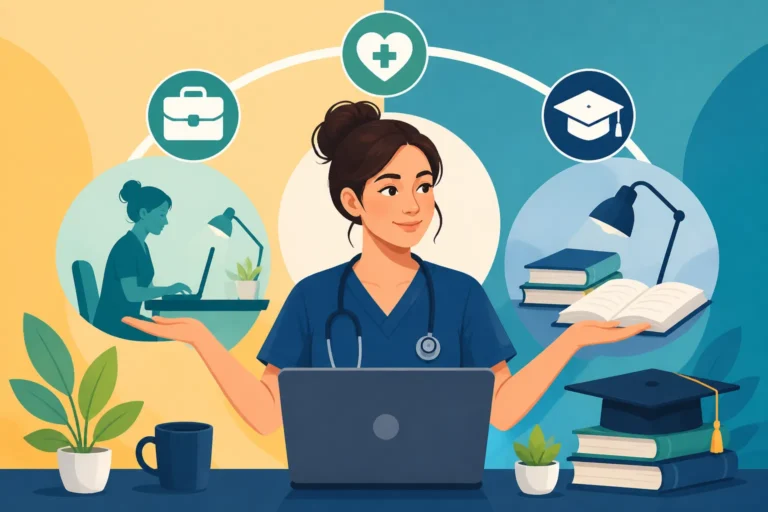
This is perhaps the most crucial consideration. Think about what truly energizes you in your current nursing role. Do you thrive on the immediacy of diagnosing a new physical ailment, managing a patient's diabetes, or educating families on preventive health? Or are you drawn to the profound, often challenging, work of understanding the human mind, supporting individuals through mental health crises, and helping them find stability and peace?
An FNP role is ideal for those who love variety, enjoy the detective work of general medicine, and are comfortable with the broad spectrum of physical health conditions. It requires strong assessment skills, an ability to multitask, and a passion for holistic family care. For more on navigating this decision, consider reading How to Choose an NP Specialty.
A PMHNP path is perfect for nurses with exceptional listening skills, a deep sense of empathy, resilience in dealing with complex emotional and psychological challenges, and a commitment to destigmatizing mental illness. If you find yourself deeply moved by patients struggling with their mental well-being and are fascinated by the intricacies of the brain and behavior, then the PMHNP path might be your true calling. Both are incredibly rewarding, but in very different ways.
Making Your Informed Decision
Choosing between becoming an FNP or a PMHNP is a significant step in your nursing journey, and it’s one that should be made with careful consideration and introspection. It’s not just about job prospects or salary, but about finding a career that fuels your passion and allows you to make the impact you desire.
Self-Assessment Questions to Guide Your Choice
Before you commit to either path, take some time to really dig deep and ask yourself some probing questions. Be honest about your strengths, weaknesses, and what you envision for your daily work life.
- What kind of patient problems truly captivate you? Are you more intrigued by a patient presenting with unexplained abdominal pain or by a patient experiencing severe panic attacks? Your innate curiosity is a huge indicator.
- What pace and type of environment do you prefer? FNPs often work in fast-paced primary care settings with a wide variety of urgent and non-urgent physical complaints. PMHNPs might have more structured, longer appointments focused on therapy and medication management, often dealing with intense emotional content.
- How do you handle emotional intensity? Both roles require emotional resilience, but the nature of the emotional demands differs. PMHNPs regularly engage with patients in profound psychological distress, which can be emotionally heavy but also incredibly rewarding.
- Do you prefer continuity of care across an entire family or deep specialization in a particular area? FNPs thrive on long-term relationships with families, managing evolving health needs. PMHNPs focus on the intricate, often long-term, journey of mental health recovery for individuals.
- What aspects of nursing education did you enjoy the most? Did you love your pharmacology courses related to physical conditions, or were you more drawn to psychology and sociology electives? Reflect on your academic interests.
Exploring Dual Certification or Post-Master's Options
It's also worth noting that your choice isn't necessarily set in stone forever. Some ambitious nurses pursue dual certification, becoming both an FNP and a PMHNP. This path is incredibly rigorous and requires completing a significant amount of additional coursework and clinical hours, often through a post-master's certificate program after completing their initial MSN degree. For instance, after completing your FNP, you could look into a Post-Master's NP Certificate Explained to specialize further.
While challenging, dual certification offers immense versatility and opens up a broader range of career opportunities, allowing you to provide integrated physical and mental healthcare. However, it's crucial to understand the time and financial commitment involved. You'll essentially be going through another significant chunk of specialized education and clinical training. If you're looking to quickly enter the workforce, this might not be your first choice, but it's an option for long-term career planning.
Practical Steps for Researching Programs and Job Markets
Once you have a clearer idea of which path you're leaning towards, it's time to do some practical research.
- Look into specific programs: Research accredited FNP and PMHNP programs. See what their curricula entail, what kind of clinical placements they offer, and if they align with your learning style. Many universities, like those mentioned in a University of Texas Arlington RN to BSN Program Review, offer robust online options for advanced degrees.
- Network with current NPs: Talk to FNPs and PMHNPs about their daily work, challenges, and satisfactions. Their real-world insights can be invaluable. LinkedIn is a great tool for this, or reach out to nurse practitioner associations.
- Investigate local job markets: Use online job boards to see the demand for FNPs and PMHNPs in your desired geographic area. Pay attention to job descriptions, required qualifications, and posted salary ranges. This can give you a realistic picture of your future career landscape.
- Consider certification exam preparation: No matter which path you choose, you'll need to pass a national certification exam. Familiarize yourself with the exam content and preparation resources for both. For example, Uworld is a widely recognized platform for exam preparation, and while they are more known for NCLEX, they also offer resources for NP certification in some specialties that can help you gauge the level of detail required for these exams. Understanding the certification process, such as the FNP Certification Exam Explained, will be crucial.
Choosing your NP specialty is a deeply personal journey, but with careful thought and thorough research, you can confidently select the path that’s right for you.
FNP vs. PMHNP: A Quick Comparison
To help summarize some of the key differences, here's a table outlining the two roles:
| Feature | Family Nurse Practitioner (FNP) | Psychiatric Mental Health Nurse Practitioner (PMHNP) |
|---|---|---|
| Primary Focus | Holistic primary care, physical health | Mental, emotional, and behavioral health |
| Patient Population | Individuals and families across the lifespan (infancy to geriatrics) | Individuals and families across the lifespan (children to geriatrics) |
| Common Conditions Treated | Acute illnesses (colds, flu), chronic diseases (diabetes, hypertension), preventive care, minor injuries | Depression, anxiety, bipolar disorder, schizophrenia, PTSD, substance use disorders |
| Key Responsibilities | Physical exams, diagnosing & treating illnesses, prescribing medications, health promotion, disease prevention | Psychiatric assessments, diagnosing mental disorders, psychotherapy, medication management, crisis intervention |
| Typical Settings | Family practices, urgent care, community clinics, rural health, telehealth | Inpatient psych, outpatient mental health clinics, integrated primary care, private practice, telepsychiatry |
| Curricular Emphasis | Advanced physical assessment, pathophysiology, general pharmacology, health maintenance, acute/chronic disease management | Neurobiology, psychopharmacology, advanced psychiatric assessment, various psychotherapies, crisis management |
| Clinical Hours Focus | Primary care, pediatrics, women's health | Psychiatric hospitals, outpatient mental health, addiction treatment |
Disclaimer
Please remember that the information provided in this guide is intended for general informational purposes only and does not constitute professional medical, legal, or educational advice. While we strive to provide accurate and up-to-date content, nursing regulations, program requirements, and job market conditions can change rapidly. Always consult with official academic advisors, program directors, and licensing boards for the most current and personalized information regarding your specific career path and educational pursuits.