Psychiatric Mental Health NP Salary and Job Outlook
It’s a tough decision, isn't it? You've already put in so much hard work to become a registered nurse, and now you’re looking at advancing your career, perhaps into a specialized role like a Psychiatric Mental Health Nurse Practitioner. But before you commit to more schooling and a new path, you naturally want to know if it's truly going to pay off, both in terms of financial stability and professional satisfaction. This comprehensive guide is here to shed light on the realistic salary expectations and robust job outlook for PMHNPs, helping you make an informed decision about your future in advanced practice nursing.
Understanding the PMHNP Role and Its Value
Becoming a Psychiatric Mental Health Nurse Practitioner (PMHNP) isn't just about earning a higher degree; it's about stepping into a critical role that directly impacts countless lives. In an era where mental health awareness is finally gaining the attention it deserves, the value of skilled, compassionate PMHNPs cannot be overstated.
What Exactly Does a PMHNP Do?
As a PMHNP, you're not just a diagnostician; you're a therapist, an educator, a prescriber, and a vital advocate for mental well-being. Unlike some other advanced practice roles that focus heavily on physical ailments, your daily work centers around the complex interplay of mind, body, and spirit. You'll assess, diagnose, and treat mental health conditions and substance use disorders across the lifespan, from children and adolescents to adults and older adults. This often involves conducting thorough psychiatric evaluations, developing individualized treatment plans, providing psychotherapy, and managing psychopharmacology. For instance, you might spend your morning helping a teenager manage anxiety through cognitive behavioral therapy and adjusting their medication, then move on to collaborating with a multidisciplinary team on a complex case of bipolar disorder for an adult patient, and in the afternoon, educate a family on supporting a loved one with dementia. It’s a dynamic and incredibly rewarding field where your expertise is truly transformative. Your scope of practice can vary slightly by state, but generally, it involves significant autonomy in providing comprehensive mental health care, often with prescriptive authority. If you're wondering how this advanced role fits into the broader picture, you might find our guide on PMHNP Scope of Practice Explained particularly helpful.
Why the Demand for PMHNPs is Skyrocketing
If you’re concerned about job security, rest assured, the demand for PMHNPs is not just steady; it’s booming. We are in the midst of a significant mental health crisis, exacerbated by global events and a long-standing shortage of mental health professionals, especially in rural and underserved areas. More people are seeking help for anxiety, depression, PTSD, and other conditions, and there simply aren't enough providers to meet the need. This increased awareness, coupled with advancements in treatment and a greater understanding of mental health's impact on overall well-being, has positioned PMHNPs as indispensable members of the healthcare team. Hospitals, community clinics, private practices, and even schools are actively recruiting PMHNPs to fill these critical gaps. This high demand translates directly into excellent job prospects and competitive salaries, making it a very smart career move for nurses looking to specialize.
Psychiatric Mental Health Nurse Practitioner Salary Deep Dive
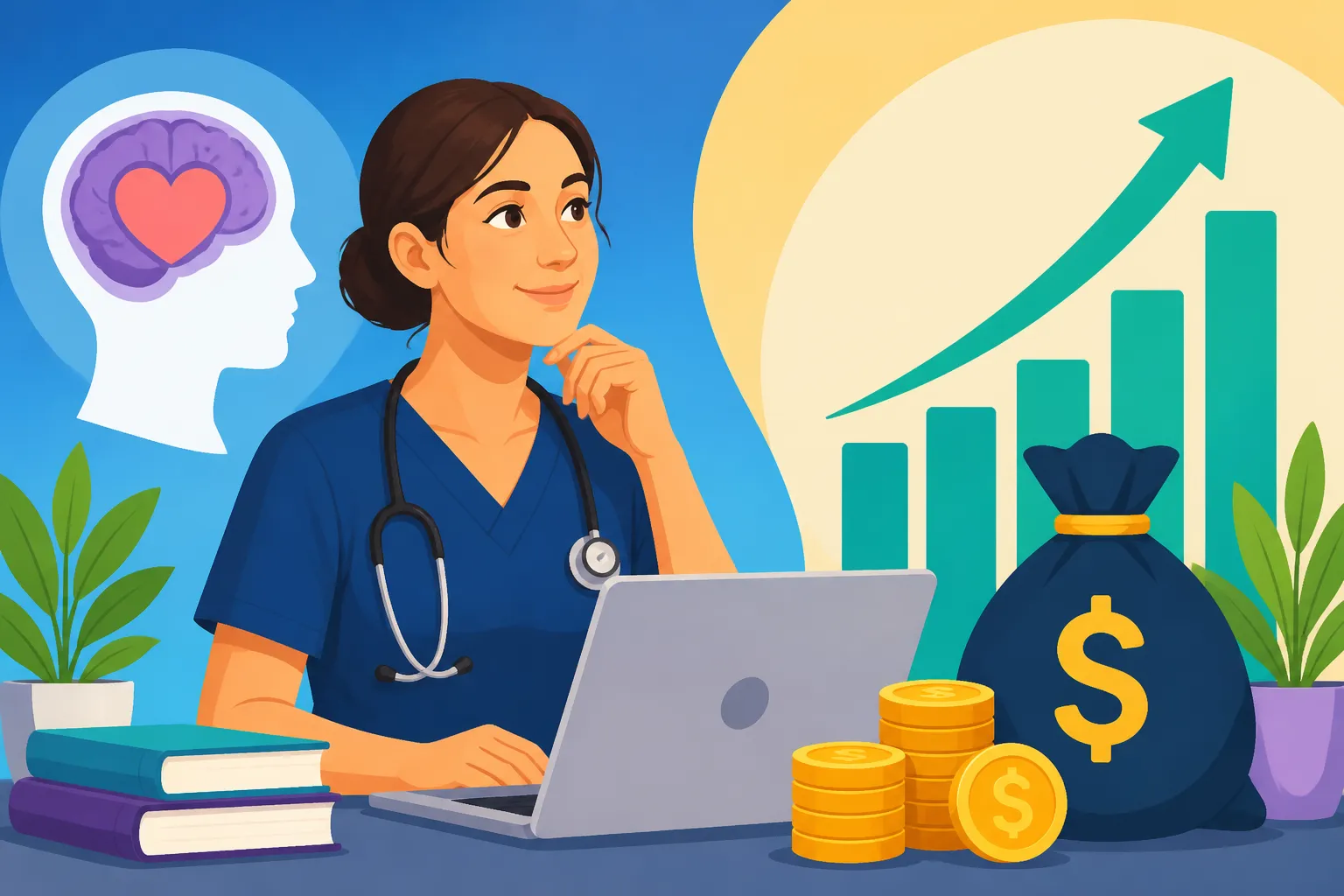
Let's get down to brass tacks: what kind of income can you realistically expect as a PMHNP? The good news is that this specialization is one of the highest-paying nursing careers, reflecting the extensive education, advanced skills, and critical demand for these professionals.
Average Salaries Across the Nation and Key Influencers
The national average salary for Psychiatric Mental Health Nurse Practitioners typically ranges from $120,000 to $145,000 per year, but this figure can fluctuate significantly based on several factors. For new graduates, the starting salary might be closer to the lower end, perhaps around $100,000-$110,000, especially in certain regions or settings. However, with just a few years of experience, that number can quickly climb. Factors like your geographic location, the specific practice setting (e.g., private practice, hospital, community clinic), your level of education (MSN versus DNP), and any additional certifications you hold can all play a huge role. For instance, a PMHNP working in a bustling metropolitan area known for high demand and high cost of living, like San Francisco or New York City, will likely earn considerably more than one in a smaller town in the Midwest. The specific needs of a region can drive up compensation, especially in areas with significant mental health provider shortages. To understand how these figures compare to other advanced nursing roles, you might want to explore our article on How Much Do NPs Make.
Here's a simplified look at how experience can influence salary, though individual results will vary widely:
| Experience Level | Average Annual Salary Range |
|---|---|
| New Graduate (0-1 year) | $100,000 – $115,000 |
| Early Career (1-4 years) | $115,000 – $135,000 |
| Mid-Career (5-9 years) | $135,000 – $155,000 |
| Experienced (10+ years) | $155,000 – $180,000+ |
Top-Paying States and Settings for PMHNPs
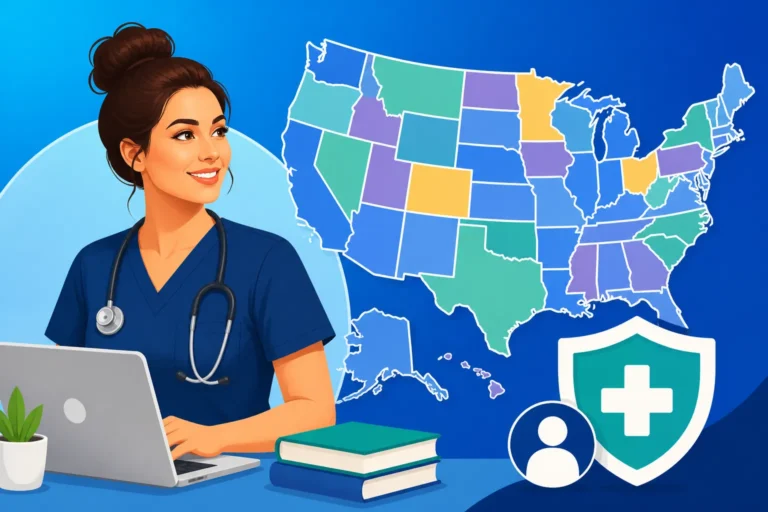
When it comes to location, some states consistently offer higher compensation for PMHNPs. States like California, New York, Massachusetts, and Washington tend to lead the pack, often due to a combination of high cost of living, strong unionization, and significant demand for healthcare professionals. For example, a PMHNP in the San Francisco Bay Area could easily command a salary upwards of $160,000 to $180,000 or even more, particularly with ample experience and specialized skills. This isn't just about base pay; these areas often have better benefit packages too.
Beyond geography, your practice setting can also influence your take-home pay. For example:
- Private Practice/Telepsychiatry: Often offers some of the highest earning potentials, especially if you establish your own practice. You have more control over your rates and patient load, but also greater administrative responsibilities.
- Hospitals (Inpatient/Emergency Psychiatry): Can be very competitive, particularly in specialized units, offering strong salaries and comprehensive benefits due to the acute nature of the care provided and often irregular hours.
- Community Mental Health Centers: While vital, these settings might offer slightly lower salaries than private practice or large hospital systems, but they often come with robust loan repayment programs and the immense reward of serving vulnerable populations.
- Correctional Facilities: Often provide highly competitive salaries due to the unique challenges and environment, though it's not a setting for everyone.
Understanding the landscape of Highest-Paying States for Nurses can give you a broader perspective on geographical advantages in nursing careers.
How Education and Experience Impact Your Earning Potential
It’s no secret that advanced education typically translates to higher earning potential in nursing, and the PMHNP role is a prime example. While a Master of Science in Nursing (MSN) is the minimum educational requirement to become a PMHNP, pursuing a Doctor of Nursing Practice (DNP) can further boost your salary. DNP-prepared PMHNPs often command higher salaries due to their enhanced clinical expertise, leadership skills, and ability to influence healthcare policy and outcomes. This isn't just a marginal difference; DNP-prepared NPs can see a salary increase of 5-10% or more compared to their MSN-prepared counterparts, especially in academic or leadership roles. If you're weighing your options, our detailed comparison of MSN vs DNP Which to Choose can offer valuable insights.
Beyond education, experience is a huge factor. Just like in any profession, the longer you've been practicing as a PMHNP, the more valuable your expertise becomes. Seasoned PMHNPs with 5-10+ years of experience have honed their diagnostic acumen, therapeutic skills, and psychopharmacology management, making them highly sought after. They are often entrusted with more complex cases, take on mentorship roles, or move into leadership positions, all of which come with increased compensation. Your skills, reputation, and ability to manage challenging situations effectively are all built over time, directly contributing to a higher MSN Salary Explained.
The Robust Job Outlook for PMHNPs
If you're looking for a career with solid growth and consistent demand, the PMHNP path is an excellent choice. The future of psychiatric mental health nursing is bright, offering stability and numerous opportunities for professional fulfillment.
Projections for Growth and Why the Field is Expanding
The U.S. Bureau of Labor Statistics (BLS) projects a phenomenal growth rate for all Nurse Practitioners, including PMHNPs, far exceeding the average for all occupations. The demand for nurse practitioners is expected to grow by around 45% from 2022 to 2032, which translates to tens of thousands of new job openings. This explosive growth for PMHNPs in particular is driven by several critical factors:
- Aging Population: As the population ages, the prevalence of mental health conditions like dementia, depression, and anxiety tends to increase, requiring more specialized care.
- Increased Access to Care: The Affordable Care Act and other legislative efforts have expanded mental health coverage, making services more accessible to a wider population, thus increasing demand for providers.
- Mental Health Parity Laws: These laws mandate that insurance coverage for mental health and substance use disorder treatment should be no more restrictive than for medical and surgical care, reducing barriers to treatment.
- Opioid Crisis and Substance Use Disorders: The ongoing national crisis has created an urgent need for PMHNPs trained in addiction medicine and recovery support.
- Integrated Healthcare Models: There's a growing trend to integrate mental health services into primary care settings, which means more PMHNPs are needed to collaborate with primary care providers to offer holistic patient care.
These factors combine to create a landscape where PMHNPs are not just in demand, but are essential for the health of communities nationwide. Our article on PMHNP Job Outlook and Demand can provide even more context on this exciting trend.
Diverse Practice Settings and Career Advancement Opportunities
One of the fantastic aspects of being a PMHNP is the sheer variety of environments where you can apply your skills. You're not limited to a single setting, which means you have significant flexibility to find a role that aligns with your passions and lifestyle.
Consider these diverse settings:
- Outpatient Clinics: Work in traditional clinics, offering ongoing therapy, medication management, and patient education.
- Inpatient Psychiatric Units: Provide acute care for individuals experiencing severe mental health crises in hospital settings.
- Community Mental Health Centers: Serve diverse populations, often those with limited resources, focusing on prevention, intervention, and long-term support.
- Telepsychiatry Services: Offer remote mental health care, breaking down geographical barriers and providing immense flexibility.
- Schools and Universities: Support student mental health, conduct assessments, and provide counseling.
- Correctional Facilities: Address the complex mental health needs of incarcerated individuals.
- Military and Veterans Affairs (VA) Hospitals: Care for service members and veterans grappling with PTSD, depression, and other combat-related mental health issues.
- Private Practice: For those with an entrepreneurial spirit, establishing your own practice offers autonomy and often higher earning potential.
Beyond these settings, there are ample opportunities for career advancement. You can move into leadership roles such as chief nurse practitioner, program director, or clinic manager. You might specialize further in areas like child and adolescent psychiatry, addiction psychiatry, or forensic psychiatry. You could also pursue academic positions, teaching the next generation of PMHNPs. The path you choose is largely up to you, offering continuous growth and evolution in your career.
The Impact of Telehealth on PMHNP Opportunities
The rise of telehealth, especially accelerated by recent global events, has dramatically reshaped the landscape for PMHNPs. Telehealth isn't just a temporary trend; it's a fundamental shift that has opened up a wealth of new opportunities and significantly broadened access to mental healthcare. For PMHNPs, this means:
- Increased Flexibility: Many PMHNPs can now work from home, offering a better work-life balance and reducing commute times. This has been a game-changer for many working nurses.
- Expanded Reach: You can provide care to patients across your state, especially beneficial for those in rural or underserved areas who previously had limited access to specialized mental health services. This ability to connect with more patients, regardless of their physical location, makes the PMHNP role even more impactful.
- Diverse Patient Populations: Telehealth platforms allow you to serve a wider array of patients, including those who may have difficulty accessing traditional in-person care due to mobility issues, childcare needs, or social anxiety.
- Entrepreneurial Avenues: Starting your own telepsychiatry private practice has become more feasible than ever, offering greater autonomy and potential for higher income.
- Continuous Learning: Maintaining competence in a virtual environment often encourages continuous learning. Resources like Uworld, for example, can be incredibly useful for PMHNPs looking to stay sharp on their clinical knowledge and prepare for recertification, which is especially important in a rapidly evolving field like telehealth.
Telehealth has truly solidified the PMHNP as a frontline provider in modern healthcare, making the profession more accessible and versatile than ever before.
Maximizing Your PMHNP Career and Earning Potential
You're not just a PMHNP; you're a professional with agency over your career trajectory and earning potential. There are tangible steps you can take to not only excel in your role but also ensure your compensation reflects your advanced skills and dedication.
Advanced Certifications and Specialized Skills
While your PMHNP certification is a fantastic achievement, acquiring additional certifications and specialized skills can significantly enhance your value and, by extension, your salary. Consider pursuing certifications in areas like:
- Addiction Nursing (CARN/CARN-AP): Given the national crisis, expertise in addiction is highly sought after and can open doors to specialized treatment centers or roles.
- Forensic Nursing (SANE): Combining psychiatric knowledge with forensic skills can lead to unique and often high-paying positions in legal or correctional settings.
- Specific Psychotherapy Modalities: Becoming certified in specialized therapies like Dialectical Behavior Therapy (DBT), Cognitive Behavioral Therapy (CBT), or Eye Movement Desensitization and Reprocessing (EMDR) can make you a more versatile and in-demand practitioner, especially in private practice.
- Child and Adolescent Psychiatric Nursing: Focusing on younger populations can fill a critical niche and often comes with specialized compensation.
These certifications demonstrate your commitment to continuous learning and advanced expertise, which employers are often willing to pay a premium for. Staying updated with knowledge is crucial for certification maintenance; many utilize study tools such as Uworld to ensure they are fully prepared for these rigorous exams. Understanding the landscape of NP Certification Exams Explained can help you plan your next steps.
Strategic Career Moves and Negotiation Tactics
Maximizing your earning potential as a PMHNP isn't just about what you know, but also how you strategically navigate your career. Don't be afraid to advocate for yourself and explore various opportunities.
- Negotiate Your Salary: Never accept the first offer. Do your research on average salaries for PMHNPs in your specific region and setting. Highlight your experience, any specialized skills or certifications, and the value you bring to the organization. Being confident and well-prepared during salary negotiations can significantly impact your starting pay and future raises. Our guide on Nurse Salary Negotiation Tips offers practical advice for these conversations.
- Consider Diverse Settings: Don't limit yourself to one type of employer. Explore roles in private practice, telepsychiatry, and even government agencies, which sometimes offer higher pay or better benefits packages compared to traditional hospital settings.
- Embrace Leadership Roles: As you gain experience, seek out opportunities for leadership, such as becoming a lead PMHNP, a clinical supervisor, or a program coordinator. These roles typically come with increased responsibility and higher compensation.
- Start Your Own Practice: For entrepreneurial PMHNPs, establishing a private practice can offer the greatest autonomy and earning potential. This path requires business acumen, but the financial and professional rewards can be substantial.
- Explore Travel PMHNP Assignments: Similar to travel RNs, travel PMHNPs are in high demand, particularly in areas with critical shortages. These assignments often come with significantly higher pay rates, housing stipends, and travel allowances, though they require flexibility and a willingness to relocate temporarily.
By actively pursuing these strategies, you can significantly enhance both your professional growth and your financial well-being as a Psychiatric Mental Health Nurse Practitioner.
Disclaimer
Please remember that the information provided in this article is intended for general informational purposes only and does not constitute professional advice. Salary figures and job outlook projections can vary based on numerous factors including location, experience, employer, and economic conditions. It is always recommended to consult with academic advisors, career counselors, and financial experts for personalized guidance.