Is the Neonatal Nurse Practitioner Path Right for You
Considering a career as a Neonatal Nurse Practitioner is a huge step, often bringing a mix of excitement and apprehension about the specialized training and intense responsibilities involved. It’s natural to wonder if this path truly aligns with your passion for caring for the most vulnerable patients, your career aspirations, and your personal life. This comprehensive guide will walk you through everything you need to know to help you determine if the Neonatal Nurse Practitioner path is genuinely the right fit for you.
Understanding the Role of a Neonatal Nurse Practitioner
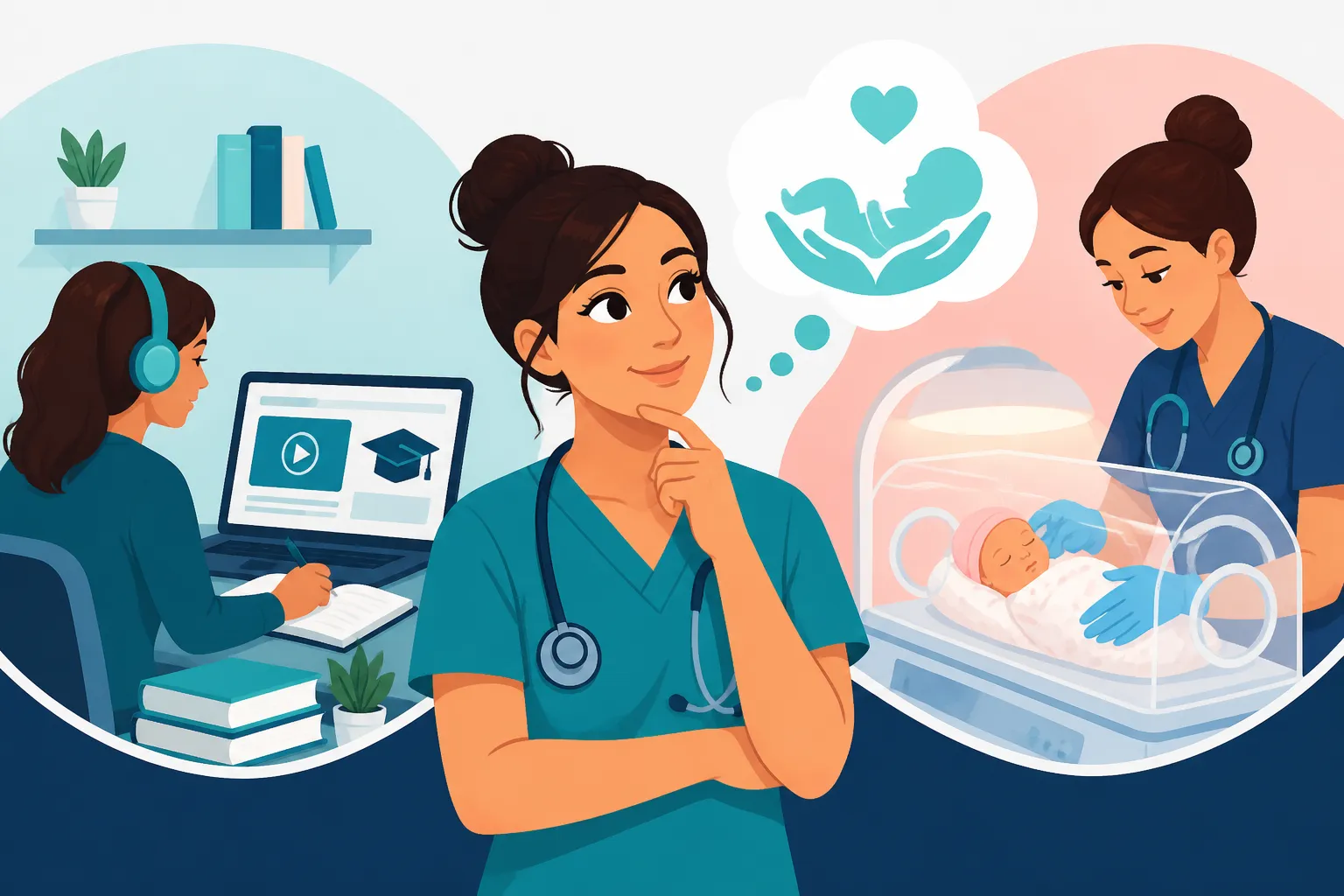
Becoming a Neonatal Nurse Practitioner (NNP) means stepping into a world where every single day you make a profound difference in the lives of critically ill or premature infants and their families. It's a role that requires a unique blend of highly specialized medical knowledge, advanced clinical skills, and a deep well of compassion. NNPs are not just nurses; they are advanced practice registered nurses (APRNs) who possess a master's or doctoral degree and advanced clinical training in neonatal care. They often work as part of a multidisciplinary team, collaborating closely with neonatologists, pediatricians, respiratory therapists, social workers, and other healthcare professionals to provide comprehensive care.
What an NNP Actually Does Day-to-Day
A typical day for an NNP is anything but typical, especially when you're working in a high-acuity environment like a Level III or Level IV Neonatal Intensive Care Unit (NICU). You might start your shift reviewing patient charts, checking vitals, and assessing the nuanced changes in a preemie's breathing pattern or skin color – tiny details that could signify a major shift in their condition. NNPs are often the primary providers managing complex treatment plans, which can include initiating mechanical ventilation, performing intubations, inserting umbilical catheters, or managing central lines. They prescribe medications, order and interpret diagnostic tests, and make critical decisions regarding fluid balance, nutrition, and infection control.
Beyond the technical skills, a significant portion of an NNP's day is dedicated to patient and family education. Imagine sitting down with new parents, perhaps after an emergency C-section, explaining their baby's critical condition, the array of tubes and wires, and the daunting journey ahead. You're not just delivering medical information; you're providing emotional support, translating complex medical jargon into understandable terms, and empowering families to be advocates for their tiny warriors. This aspect of the job can be incredibly demanding but also profoundly rewarding, as you witness families navigate fear and eventually, often, hope.
The Unique Environment of Neonatal Care
The environment of neonatal care, particularly the NICU, is unlike any other in healthcare. It's a highly specialized, technologically advanced, and emotionally charged space. The patients are the smallest and most fragile, often weighing less than a kilogram (just over two pounds) and born many weeks prematurely. They are susceptible to a myriad of complications, from respiratory distress syndrome and chronic lung disease to intraventricular hemorrhage and necrotizing enterocolitis. The care they require is intensive, requiring constant vigilance and rapid response to subtle changes in their delicate physiology.
Working in a NICU also means being immersed in a world of cutting-edge technology. You'll be using advanced incubators, ventilators designed for the tiniest lungs, sophisticated monitoring systems, and specialized feeding equipment. It’s a fast-paced environment where emergencies can arise suddenly, demanding quick thinking and expert intervention. The NNP often serves as the "eyes and ears" for the neonatologist, being the first to recognize a subtle decline in an infant's condition and initiating life-saving measures. This close observation and rapid action are paramount, as the margin for error with these vulnerable patients is incredibly slim. For those who thrive in high-stakes environments and are fascinated by the intricate science of early human development, the NICU offers an unparalleled professional challenge and opportunity.
The Educational Journey to Becoming an NNP
The path to becoming a Neonatal Nurse Practitioner is rigorous and requires a significant commitment to advanced education and specialized training. It's not a journey to be taken lightly, but for those dedicated to the field, it's incredibly fulfilling. Understanding the specific educational requirements and the practical aspects of clinical hours will help you prepare for what lies ahead.
Required Degrees and Certifications
To become a certified NNP, you must first be a licensed Registered Nurse (RN) with a Bachelor of Science in Nursing (BSN). After gaining some bedside experience, usually in a NICU, the next crucial step is to pursue an advanced degree, typically a Master of Science in Nursing (MSN) or a Doctor of Nursing Practice (DNP) with a specialization in Neonatal Nurse Practitioner. Many institutions offer Online MSN Programs: Complete Guide that cater to working nurses, providing flexibility while maintaining academic rigor.
These programs focus heavily on advanced pathophysiology, advanced pharmacology, advanced health assessment, and, of course, specialized neonatal content. You'll delve into topics like fetal development, common neonatal diseases, resuscitation techniques, and the unique ethical considerations in neonatal care. Upon graduation from an accredited program, you must then pass a national certification examination. The primary certifying body for NNPs in the United States is the National Certification Corporation (NCC), which offers the Neonatal Nurse Practitioner (NNP-BC) certification. Passing this exam is essential for licensure as an APRN in most states and is a critical step in How to Become a Nurse Practitioner. Resources like Uworld are often recommended by students and educators for comprehensive exam preparation, offering practice questions and detailed rationales to help you master the material for the NNP-BC exam.
Navigating Clinical Hours and Preceptorships
One of the most vital, and often challenging, components of any NP program, especially for a specialization like NNP, is completing the required clinical hours. These are not just observational hours; they involve direct patient care under the supervision of an experienced preceptor. The number of clinical hours required can vary by program and state, but typically ranges from 500 to over 1,000 hours. Finding suitable preceptors and clinical sites can be a hurdle for many students. For online programs, it often falls on the student to secure their own placements, which can be daunting. It's an area where networking and early planning are absolutely key. You'll want to review your program's guidelines on MSN Clinical Hours Requirements very carefully.
During your clinical rotations, you will gain hands-on experience in various levels of neonatal care, from well-baby nurseries to Level IV NICUs. You'll learn to perform comprehensive neonatal assessments, develop diagnostic reasoning skills, formulate treatment plans, and manage acute and chronic conditions. Your preceptors will guide you through complex cases, teach you how to perform procedures, and help you refine your clinical judgment. This immersive experience is where theoretical knowledge truly transforms into practical expertise. Many students find clinicals to be the most demanding yet rewarding part of their NNP education, as it provides invaluable real-world experience. Some programs, like those offered by universities such as the University of Alabama at Birmingham (UAB) or Vanderbilt University, are renowned for their strong clinical placement support, though the student still plays an active role in the process.
| Step in Becoming an NNP | Description | Estimated Timeframe |
|---|---|---|
| Become an RN | Obtain an Associate's Degree in Nursing (ADN) or Bachelor of Science in Nursing (BSN). | 2-4 years |
| Gain Experience | Work as an RN, ideally in a NICU, to build foundational skills. | 1-2+ years |
| Earn Advanced Degree | Complete an accredited MSN or DNP program with NNP specialization. | 2-4 years (full-time MSN) |
| Complete Clinicals | Fulfill required direct patient care hours under supervision. | Integrated into advanced degree program |
| Pass Certification Exam | Pass the NNP-BC exam administered by the NCC. | After graduation |
| Obtain State Licensure | Apply for APRN licensure in your desired state of practice. | Varies by state |
Essential Qualities and Challenges in NNP Practice
The NNP role demands a unique set of personal and professional attributes, given the fragility of the patient population and the emotional intensity of the work. It's not just about what you know, but also about how you handle pressure, communicate, and cope with the inherent stressors.
Personal Attributes for Success
Working with critically ill infants requires an exceptional level of attention to detail. A tiny weight fluctuation, a subtle change in skin color, or a slight alteration in respiratory effort can be a sign of significant clinical deterioration. An NNP must be meticulously observant, noticing these minute cues that can be easily missed. Beyond this, critical thinking skills are paramount. You'll often face complex, rapidly evolving situations where quick, sound decisions are vital. This means being able to synthesize a vast amount of data – lab results, vital signs, physical assessments – and formulate an appropriate plan of action under pressure.
Emotional resilience and empathy are also non-negotiable. You will undoubtedly encounter situations where despite your best efforts, an infant's condition worsens, or a family must face unimaginable loss. Being able to provide compassionate support to grieving parents while maintaining your professional composure and continuing to care for other patients is a delicate balance. Strong communication skills are equally crucial, not just with families but also within the interdisciplinary team. You'll need to clearly articulate clinical findings, treatment plans, and patient prognoses to neonatologists, residents, and other team members. The ability to advocate for your patients, even when faced with differing opinions, is a cornerstone of advanced nursing practice. For individuals who possess these qualities and are ready for a truly impactful role, the NNP path offers immense professional satisfaction.
Emotional Demands and Rewards
Let's be real, the emotional toll of working as an NNP can be heavy. You will witness incredible triumphs, like a tiny 24-week preemie finally going home after months in the NICU. These moments are exhilarating and fuel your passion. However, you will also experience heartbreak. You'll see infants who don't survive, or those who face lifelong disabilities due to complications of prematurity. Processing these outcomes, managing your own grief, and supporting families through their darkest hours is an inherent part of the job. It’s essential to develop healthy coping mechanisms, whether it's through peer support, personal hobbies, or seeking professional help when needed. Many NNPs find solace and strength in the camaraderie of their colleagues, who truly understand the unique pressures of the unit.
Despite these challenges, the rewards of being an NNP are profound and deeply personal. Imagine being part of a team that helps a baby born with severe heart defects defy the odds, or seeing the pure joy on parents' faces as they hold their baby for the very first time, knowing you played a crucial role in making that moment possible. The ability to advocate for and nurture the most vulnerable members of society, to positively impact their earliest moments of life, and to educate and empower their families, provides an unparalleled sense of purpose. For many, this deep connection to their patients and the tangible difference they make far outweigh the emotional demands. It's a career where you truly feel like you're contributing something vital to the world.
Career Outlook and Compensation for NNPs
Understanding the job market and potential earnings is a practical and important consideration when deciding if the Neonatal Nurse Practitioner path is right for you. The demand for advanced practice nurses, including NNPs, remains strong, and the compensation reflects the specialized knowledge and critical skills required.
Job Demand and Growth Projections
The demand for Nurse Practitioners across all specialties is projected to grow significantly in the coming years. According to the U.S. Bureau of Labor Statistics (BLS), the employment of nurse practitioners is projected to grow much faster than the average for all occupations, with a projected growth of 45% from 2022 to 2032. While specific projections for NNPs are not typically broken out, this overall growth for APRNs, combined with the increasing complexity of neonatal care and advancements in treating premature infants, suggests a steady and positive outlook for NNPs. Hospitals and specialized children's health systems are continually seeking highly qualified NNPs to staff their NICU units, ensuring continuous, high-level care for their smallest patients.
Many factors contribute to this robust demand. There's a national shortage of primary care providers, and NPs are increasingly stepping in to fill these gaps, even in highly specialized areas. In neonatal care, the ability of NNPs to manage complex cases, perform procedures, and lead care teams makes them invaluable. Hospitals often prefer a BSN for nurses entering advanced practice roles, so ensuring your foundational degree is a Bachelor of Science in Nursing (BSN) is a good starting point for pursuing an advanced degree like an MSN or DNP. Furthermore, the specialized nature of neonatal care means that facilities require practitioners with very specific expertise, making NNPs a critical part of the healthcare team. This strong job market provides a sense of security and numerous opportunities for career advancement within the field.
Expected Salary and Earning Potential
The compensation for Neonatal Nurse Practitioners is generally competitive and reflects their advanced education, specialized skills, and significant responsibilities. While specific salaries can vary widely based on factors such as geographic location, years of experience, type of facility (e.g., academic medical center vs. community hospital), and whether you work day or night shifts, NNPs typically earn a substantial income. For a broader perspective on what to expect, guides on Nurse Practitioner Salary Guide can offer useful insights.
According to data from various sources like the BLS and salary aggregators, the median annual salary for all Nurse Practitioners was around $126,260 in May 2023. While NNP-specific data can fluctuate, experienced NNPs often fall within or above this range, with some earning upwards of $150,000 or more, especially in high-cost-of-living areas or those with high demand. For instance, an NNP working in a Level IV NICU in a major metropolitan area like Los Angeles or New York City might command a higher salary compared to one in a rural area. Factors like additional certifications, leadership roles, or pursuing a Doctor of Nursing Practice (DNP) can also contribute to increased earning potential. While salary should never be the sole motivation, knowing that your commitment to this demanding specialty is financially recognized can certainly be a comforting and empowering aspect of this career choice. For those interested in maximizing their earning potential, exploring Highest-Paying Nursing Careers could also provide context on where NNPs stand within the broader nursing landscape.
Conclusion
Deciding whether the Neonatal Nurse Practitioner path is right for you is a deeply personal journey, requiring careful consideration of your passions, aptitude, and long-term career goals. It's a demanding yet immensely rewarding profession that calls for a unique blend of clinical expertise, emotional resilience, and a profound commitment to the most vulnerable patient population. If you possess an unwavering attention to detail, strong critical thinking skills, a deep well of empathy, and a desire to make a tangible difference in the earliest moments of life, then this specialized field may very well be your calling. Remember, a career as an NNP is not just a job; it's a profound commitment to nurturing new life and supporting families through their most challenging times.
Disclaimer
The information provided in this article is intended for general informational purposes only and does not constitute professional medical, legal, or educational advice. While we strive to provide accurate and up-to-date content, nursing program requirements, salary data, and job market conditions can change rapidly. Always consult with official academic advisors, professional organizations, and licensed healthcare professionals for personalized guidance.