How to Become a Psychiatric Nurse Practitioner
Becoming a Psychiatric Mental Health Nurse Practitioner (PMHNP) can feel like navigating a complex maze, especially when you're already juggling a demanding nursing career and trying to figure out the best path forward for your education. It's a huge commitment of time, energy, and resources, but the growing mental health crisis in our communities means that skilled, compassionate PMHNPs are more vital than ever. This guide will walk you through every step of the journey, from understanding the role to acing your certification exam and making a real difference.
The Indispensable Role of a Psychiatric Mental Health Nurse Practitioner
Let's face it, mental health care in this country has often been overlooked, underfunded, and stigmatized. People are struggling, and access to qualified providers is a constant challenge. That's where Psychiatric Mental Health Nurse Practitioners, or PMHNPs, come in. This isn't just another nursing specialty; it's a calling to make a profound difference in the lives of individuals, families, and communities battling mental illness and addiction.
What Exactly Does a PMHNP Do?
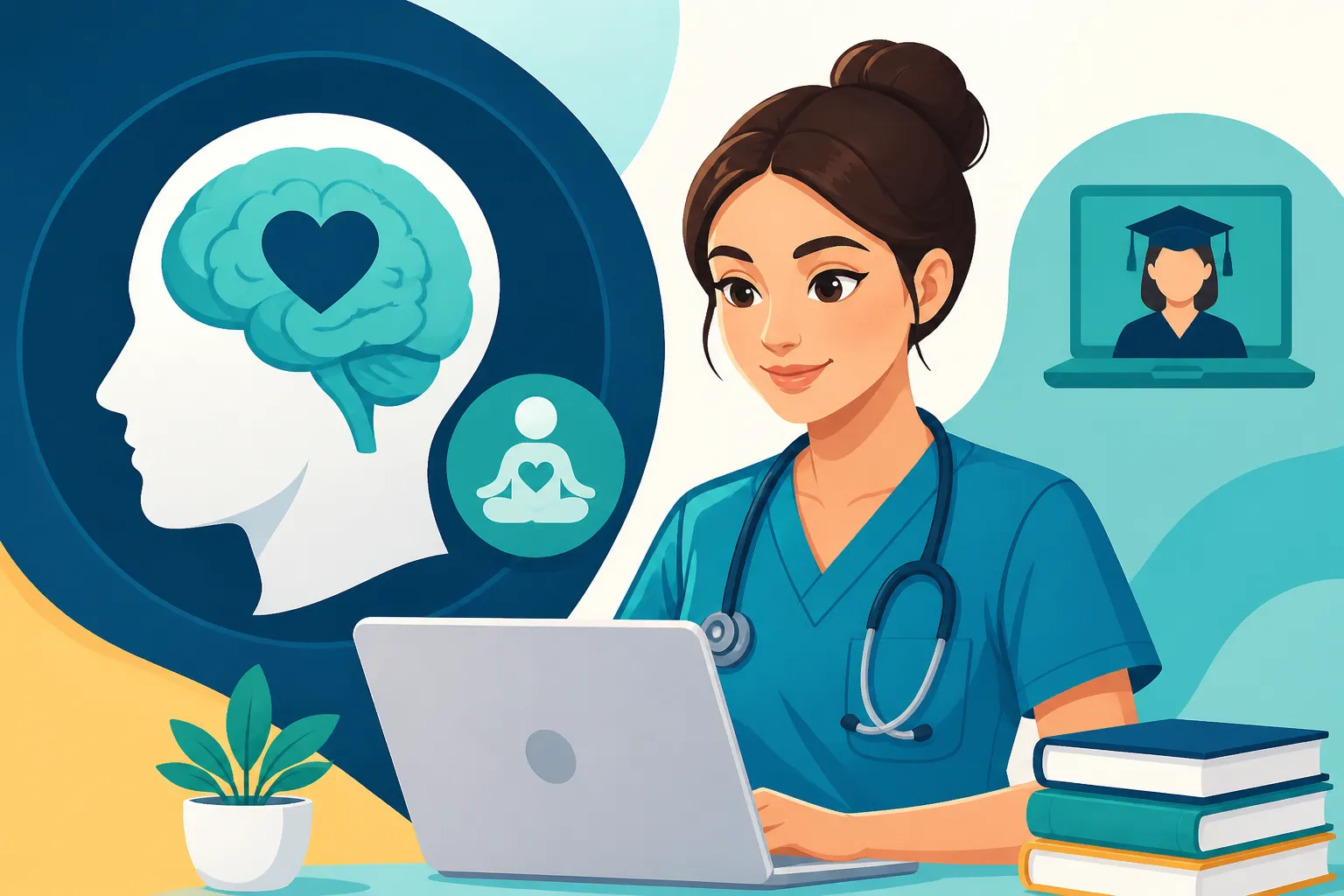
A PMHNP is an advanced practice registered nurse (APRN) who specializes in mental health care across the lifespan. Think of it as being a primary care provider, but for the mind. We're talking about everything from assessing, diagnosing, and treating mental health conditions to providing therapy and managing medications. It’s a holistic approach, often looking at the whole person – their physical health, social circumstances, and emotional well-being – not just a set of symptoms.
For instance, a PMHNP might see a teenager struggling with severe anxiety and depression, not just prescribing medication but also working with them on coping strategies, family dynamics, and connecting them with school resources. They could also be managing complex cases of schizophrenia or bipolar disorder in adults, carefully titrating medications, monitoring side effects, and offering ongoing support and psychoeducation to prevent relapses. The scope is incredibly broad, dynamic, and deeply rewarding. It’s a role that demands both sharp clinical judgment and a huge dose of empathy.
The Critical Need for PMHNPs in Today's World
The demand for PMHNPs is, quite frankly, through the roof. We're seeing unprecedented levels of anxiety, depression, substance use disorders, and other mental health challenges, exacerbated by everything from global pandemics to economic stress. Traditional psychiatric care often has long waitlists, especially in rural or underserved areas. PMHNPs are stepping up to fill these gaps, providing accessible, high-quality mental health care where it's desperately needed.
Consider a small town where the nearest psychiatrist is hours away, or a busy urban clinic where patients wait months for an appointment. A PMHNP can open their own practice (in states with full practice authority), work in community mental health centers, hospitals, or even provide telehealth services, reaching patients who might otherwise fall through the cracks. This role is not just about individual treatment; it's about building healthier, more resilient communities. The impact you can have as a PMHNP truly cannot be overstated, and the job outlook reflects this critical need. If you’re asking "Is an MSN Worth It?", especially for a specialization like PMHNP, the answer is a resounding yes, both personally and professionally.
The Educational Journey to Becoming a PMHNP
Embarking on the path to becoming a PMHNP is a significant educational undertaking, but it's designed to build upon your existing nursing knowledge and experience. It typically requires an advanced degree, either a Master of Science in Nursing (MSN) or a Doctor of Nursing Practice (DNP), with a specialization in psychiatric mental health.
Laying the Foundation: RN to BSN and Beyond
Before you can even think about becoming a PMHNP, you need to be a registered nurse (RN) with a solid educational background. For most advanced practice roles, this means having a Bachelor of Science in Nursing (BSN). If you're currently an ADN-prepared RN, don't despair! There are many fantastic Online RN to BSN Programs: Complete Guide that can help you earn your bachelor's degree efficiently, often while you continue to work. This foundational degree provides a broader understanding of nursing theory, research, and leadership that is essential for advanced practice.
Once you have your BSN, you'll need to gain some practical experience as an RN. While not always a strict prerequisite for admission to every PMHNP program, having experience in mental health, medical-surgical, or even emergency nursing can be incredibly beneficial. It helps you develop critical thinking skills, patient assessment abilities, and a deeper understanding of various health conditions that often co-occur with mental health issues. Many programs prefer or even require at least one to two years of nursing experience before you apply.
MSN vs. DNP for PMHNP Practice
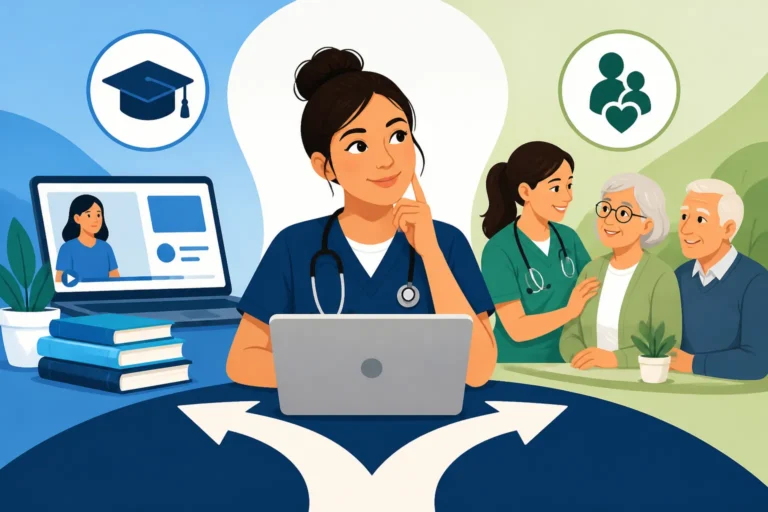
This is often where nurses hit a crossroads: should I pursue an MSN or a DNP? Both degrees will qualify you to sit for the PMHNP certification exam and practice, but they represent different levels of advanced education.
- Master of Science in Nursing (MSN) for PMHNP: An MSN program focuses on preparing you for direct patient care as an advanced practice nurse. The curriculum is highly concentrated on psychiatric theory, psychopharmacology, various therapeutic modalities (like cognitive behavioral therapy or dialectical behavior therapy), and diagnostic reasoning. Most Online MSN Programs: Complete Guide can be completed in 2-3 years of full-time study. The goal is to equip you with the clinical expertise to assess, diagnose, and treat mental health conditions.
- Doctor of Nursing Practice (DNP) for PMHNP: A DNP is a terminal degree in nursing practice, meaning it's the highest level of education available for clinical nursing. While it includes all the clinical preparation of an MSN, a DNP program places a stronger emphasis on leadership, healthcare policy, evidence-based practice, and quality improvement. DNP graduates are often prepared to lead practice changes, develop new care models, and influence healthcare systems. The American Association of Colleges of Nursing (AACN) has recommended the DNP as the entry-level degree for all advanced practice registered nurses (APRNs) by 2025, though this isn't yet a universal legal requirement. For a deeper dive, you can explore the MSN vs DNP: Which to Choose article.
The choice between an MSN and a DNP often comes down to your career aspirations. If your primary goal is direct patient care and you want to get into practice as quickly as possible, an MSN is a solid choice. If you envision yourself in leadership roles, policy development, or working on systemic improvements in mental health care, a DNP might be a better fit. Many schools offer both options, and some even have "post-master's DNP" programs for those who already have an MSN.
Essential PMHNP Coursework and Clinical Hours
Regardless of whether you choose an MSN or DNP, the core PMHNP curriculum will be rigorous and comprehensive. You'll delve into subjects like:
- Advanced Pathophysiology: Understanding the biological basis of mental illness.
- Advanced Pharmacology: A deep dive into psychotropic medications, their mechanisms of action, side effects, and safe prescribing practices.
- Advanced Health Assessment: Honing your skills to perform comprehensive mental and physical health assessments.
- Neuroscience for Mental Health: Exploring the intricate workings of the brain and how neurological processes impact mental well-being.
- Therapeutic Modalities: Learning various psychotherapies and counseling techniques to provide holistic care.
- Diagnostic Reasoning and Treatment Planning: Developing the ability to accurately diagnose mental health conditions using the DSM-5 and create effective treatment plans.
A critical component of any PMHNP program is the clinical experience. You'll need to complete a significant number of supervised clinical hours, typically ranging from 500 to over 1,000 hours, depending on the program and degree level. These hours provide invaluable hands-on experience, allowing you to apply classroom knowledge in real-world settings under the guidance of experienced preceptors. Finding these clinical placements and preceptors can sometimes be a challenge, so it's a good idea to understand MSN Clinical Hours Requirements and even start thinking about How to Find NP Preceptors early in your program search. Many online programs, like those offered by Capella or Walden, often have dedicated clinical placement coordinators to assist students, which can be a huge relief.
Certification and Licensure: Your Path to Practice
After completing your demanding PMHNP program, the final hurdles involve passing a national certification exam and obtaining state licensure. These steps formally recognize your expertise and grant you the legal authority to practice as an advanced practice registered nurse specializing in psychiatric mental health.
Conquering the PMHNP Certification Exam
The primary certification for Psychiatric Mental Health Nurse Practitioners is offered by the American Nurses Credentialing Center (ANCC). This comprehensive exam, known as the PMHNP-BC (Psychiatric-Mental Health Nurse Practitioner – Board Certified), assesses your knowledge across various domains, including:
- Scientific Foundation: Understanding advanced physiology, pathophysiology, and psychopharmacology.
- Advanced Practice Skills: Competence in assessment, diagnosis, treatment planning, and evaluation.
- Therapeutic Modalities: Application of various psychotherapeutic interventions.
- Ethical and Legal Practice: Knowledge of ethical principles, legal guidelines, and professional accountability.
- Professional Practice: Understanding of healthcare policy, quality improvement, and interprofessional collaboration.
Preparing for this exam is no small feat. It requires dedicated study, review of course materials, and practice questions. Many students find a robust review course incredibly helpful. Brands like Uworld offer comprehensive question banks and detailed rationales that are excellent for solidifying your understanding and building test-taking confidence. Utilizing a resource like Uworld for practice questions can make a significant difference in how prepared you feel walking into the exam, by helping you identify your weak areas and reinforcing your strengths. It's a common tool for nurses preparing for certification exams, known for its challenging questions that mirror the real thing. For general strategies on preparing for these types of assessments, consider reviewing NP Certification Exams Explained.
Navigating State-Specific Licensure Requirements
Passing the ANCC certification exam is a monumental achievement, but it's only one piece of the puzzle. To legally practice as a PMHNP, you must also obtain licensure from your state's Board of Nursing. This process varies slightly from state to state, so it’s crucial to research the specific requirements for where you plan to practice.
Typically, state licensure involves:
- Verification of your RN License: You must hold an active, unencumbered RN license.
- Submission of Official Transcripts: Proof of your MSN or DNP degree from an accredited program.
- Proof of National Certification: Your ANCC PMHNP-BC certification.
- Application and Fees: Completing the state-specific application and paying the associated fees.
- Background Check: Most states require a criminal background check.
Some states, like California or New York, might have additional requirements, such as specific hours of pharmacology coursework or supervised practice. It's really important to check with your state's Board of Nursing website early in your program, especially if you're pursuing an Online RN to BSN Program, to ensure your chosen educational path aligns with your future practice location. This foresight can prevent unexpected delays in your ability to practice.
Continuing Education and Professional Development
The learning doesn't stop once you're certified and licensed! As a PMHNP, you are required to engage in ongoing continuing education (CE) to maintain your certification and licensure. This ensures that your knowledge and skills remain current with the latest advancements in psychiatric care, treatment modalities, and psychopharmacology. The ANCC requires a certain number of contact hours, including specific hours in pharmacology, to recertify every five years. State Boards of Nursing also have their own CE requirements for license renewal. This continuous learning is vital for providing the best possible care and adapting to the evolving landscape of mental health treatment.
Career Outlook and the Profound Impact of a PMHNP
Stepping into the role of a Psychiatric Mental Health Nurse Practitioner isn't just a career change; it's an entry into a highly respected and desperately needed profession with a robust job market and the potential for immense personal and professional satisfaction.
Job Demand and Salary Expectations
The career outlook for PMHNPs is exceptionally strong. The U.S. Bureau of Labor Statistics projects significant growth for nurse practitioners, and PMHNPs are at the forefront of this expansion due to the critical shortage of mental health professionals. Hospitals, community mental health centers, private practices, correctional facilities, substance abuse treatment centers, and even schools are actively seeking qualified PMHNPs. The demand is particularly high for Psychiatric Mental Health NP Salary and Job Outlook, especially in underserved rural areas and within telehealth services.
In terms of salary, PMHNPs generally command excellent compensation, reflecting their advanced education and specialized skills. While actual salaries can vary based on factors like geographic location, years of experience, practice setting, and whether you have full practice authority, the national average for nurse practitioners, including PMHNPs, often falls into the six-figure range. For example, states like California, New York, and Massachusetts tend to offer higher salaries due to higher cost of living and strong demand, but even in other regions, the earning potential is significant. This strong financial outlook, combined with job security, makes the investment in a PMHNP education highly worthwhile.
Making a Real Difference in Patient Lives
Beyond the impressive salary and job security, the true reward of being a PMHNP lies in the profound impact you can have on patient lives. You're often the first line of defense, the compassionate listener, the skilled diagnostician, and the consistent support system for individuals navigating the complexities of mental illness.
Imagine being able to help someone manage their depression effectively, allowing them to return to work, reconnect with family, and find joy in life again. Or working with a patient battling severe anxiety, teaching them coping mechanisms that allow them to leave their home without panic. You might assist a veteran struggling with PTSD, or a new mother experiencing postpartum depression. The stories are endless, and the privilege of witnessing a patient's journey towards healing and recovery is truly unparalleled. This role is about restoring hope, empowering individuals, and helping them reclaim their lives. It's a challenging path, no doubt, but one filled with purpose and deep personal satisfaction. For more on what the role entails, check out PMHNP Scope of Practice Explained.
Continuing Professional Growth and Leadership Opportunities
Becoming a PMHNP doesn't mean you've reached the end of your professional growth. In fact, it often opens doors to even more advanced opportunities. You might choose to specialize further within psychiatric nursing, perhaps focusing on child and adolescent mental health, addiction medicine, or geriatric psychiatry. With a DNP, you could transition into leadership roles, becoming a director of mental health services, a program coordinator, or even an educator, training the next generation of PMHNPs.
You can also contribute to policy development, advocating for better mental health legislation and access to care. Many PMHNPs also engage in research, helping to advance the understanding and treatment of mental health conditions. The journey to become a PMHNP is not just about earning a degree; it's about joining a dynamic profession where your expertise is valued, your compassion is essential, and your capacity for impact is limitless.
Table: MSN vs. DNP for PMHNP at a Glance
| Feature | Master of Science in Nursing (MSN) | Doctor of Nursing Practice (DNP) |
|---|---|---|
| Program Length | 2-3 years (full-time) | 3-4 years (full-time) |
| Focus | Direct patient care, clinical expertise | Direct patient care, leadership, systems, policy, evidence-based practice |
| Terminal Degree | No (MSN is not a terminal degree) | Yes (highest practice-focused degree) |
| Clinical Hours | Typically 500-750+ hours | Typically 1,000+ hours (often includes MSN hours) |
| Career Path | PMHNP in various settings | PMHNP, leadership roles, policy advocate, educator, program developer |
| Cost | Generally lower than DNP | Generally higher than MSN |
| Entry Standard | Current standard for NP practice | Recommended future standard for NP practice by AACN |
This table provides a quick overview, but remember to consider your individual career goals and local state requirements when making your decision about How Long Is an Online MSN, or whether to pursue a DNP.
Disclaimer
The information provided in this guide is intended for general informational purposes only and does not constitute professional medical, legal, or educational advice. Specific requirements for licensure and practice as a Psychiatric Mental Health Nurse Practitioner vary by state and can change. Always consult with your state's Board of Nursing, academic advisors, and professional organizations for the most accurate and up-to-date information regarding educational pathways, certification, and licensure in your specific area.