Is the Psychiatric Mental Health NP Path Right for You
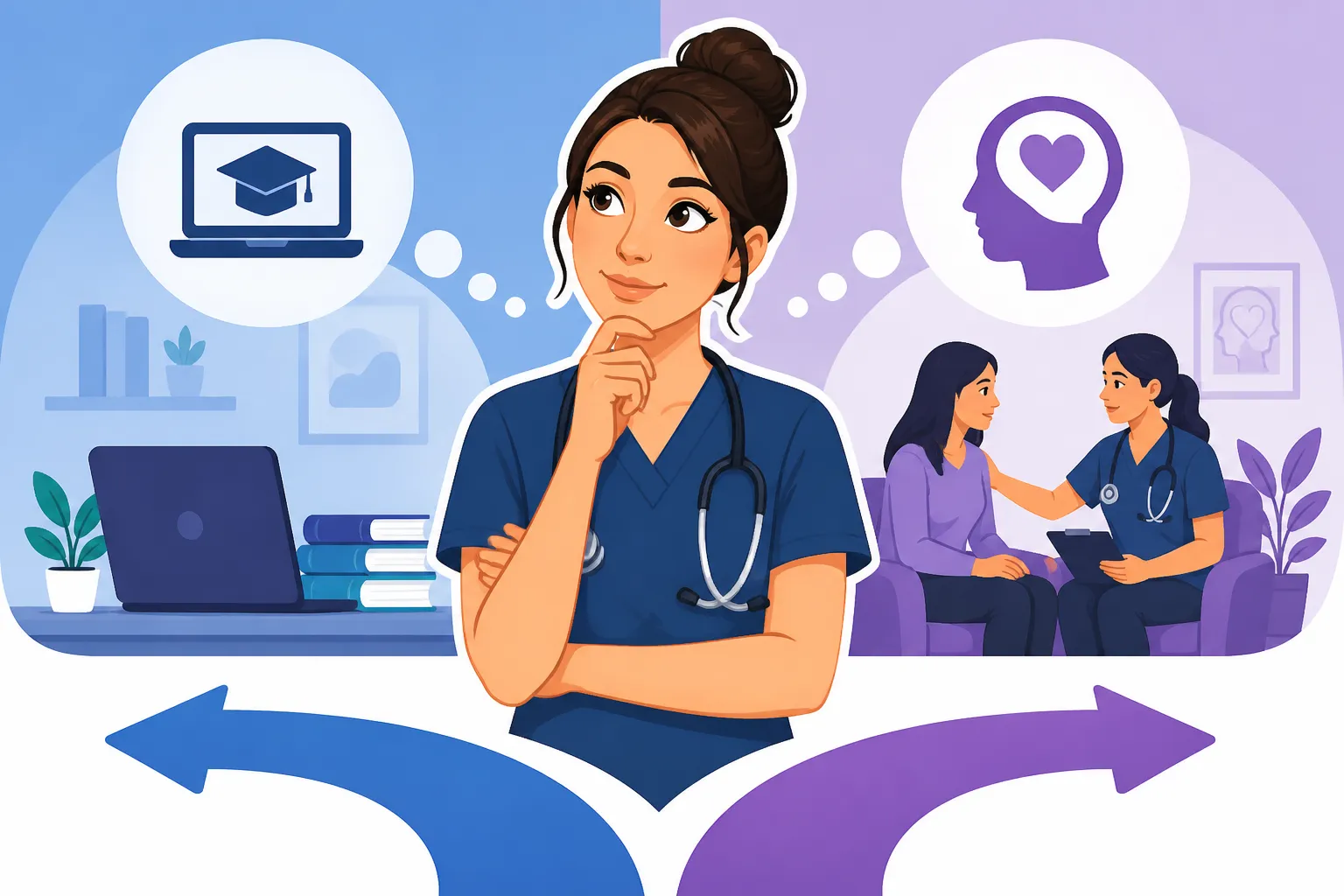
Deciding on a nursing specialization is a huge step, and for many compassionate and driven nurses, the world of mental health beckons. But committing to the Psychiatric Mental Health Nurse Practitioner (PMHNP) path isn't just about a degree; it's about aligning your deepest values and resilience with a demanding, yet incredibly rewarding, career. This guide is here to walk you through what it truly means to be a PMHNP, helping you discern if this vital role is where you're meant to make your mark.
Understanding the Psychiatric Mental Health Nurse Practitioner Role
The journey to becoming a Psychiatric Mental Health Nurse Practitioner (PMHNP) is one that requires dedication, empathy, and a profound understanding of the human mind. It's a role that stands at the forefront of mental healthcare, bridging the gap between medical and psychological needs. If you've ever felt drawn to understanding the complexities of mental illness and empowering individuals to navigate their inner worlds, this path might resonate deeply with you.
What Exactly Does a PMHNP Do?
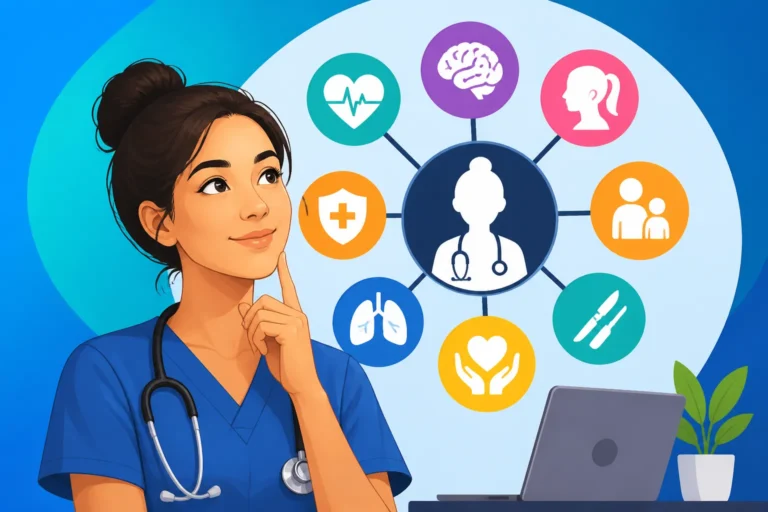
A PMHNP is an advanced practice registered nurse (APRN) who specializes in mental health across the lifespan – from childhood to geriatrics. This means you'll be working with a vast array of patients, each presenting unique challenges and requiring individualized care. The scope of practice for a PMHNP is incredibly broad and includes assessing, diagnosing, and treating mental health disorders. This isn't just about prescribing medication; it’s about providing holistic care that often integrates therapy, education, and collaboration with other healthcare professionals. You'll be the one to conduct thorough psychiatric evaluations, which involve deep dives into a patient's history, current symptoms, social environment, and family dynamics. It's detective work for the mind, seeking to understand the root causes and manifestations of distress.
You'll routinely manage common conditions like depression, anxiety disorders, bipolar disorder, schizophrenia, PTSD, eating disorders, and substance use disorders. Imagine a scenario where a new patient, perhaps a young adult struggling with severe anxiety and panic attacks, walks into your office. You would spend time actively listening, asking clarifying questions, and performing a comprehensive mental status exam. Based on this assessment, you might diagnose Generalized Anxiety Disorder and initiate a treatment plan that includes starting an antidepressant, discussing coping mechanisms, and referring them to a therapist for cognitive-behavioral therapy (CBT). Your role is dynamic, often involving medication management, psychotherapy (individual, group, or family), psychoeducation, and crisis intervention. You're not just treating a diagnosis; you're supporting a person through their healing journey. This is a key distinction, as you're blending the diagnostic and prescriptive capabilities of a medical provider with the therapeutic relationship-building of a counselor.
Why the PMHNP Role is More Critical Than Ever
In today's world, the demand for mental health services is at an all-time high, yet access to care remains a significant challenge. We're facing a critical shortage of mental health professionals, particularly in rural and underserved areas. This is where PMHNPs step in, becoming invaluable pillars in the healthcare system. By expanding the availability of qualified providers, PMHNPs are directly improving access to mental health support for millions of people who might otherwise go without. The stigma surrounding mental illness is slowly eroding, leading more people to seek help, which further emphasizes the need for more practitioners.
The impact of PMHNPs goes beyond just filling gaps; it transforms care delivery. Many PMHNPs work in integrated care settings, bringing mental health expertise directly into primary care offices, emergency departments, and even schools. This integration helps identify mental health issues earlier, prevents crises, and ensures that physical and mental health are treated as interconnected aspects of overall well-being. For example, a PMHNP might collaborate closely with a primary care physician to manage a patient's depression alongside their diabetes, recognizing how these conditions can influence each other. This holistic approach significantly improves patient outcomes and reduces the burden on emergency services. The Psychiatric Mental Health NP Salary and Job Outlook also reflects this increasing demand, showing robust growth and competitive compensation, which speaks volumes about the value placed on this specialization. This isn't just a job; it's a vital service that contributes immensely to public health and individual well-being.
Personal Qualities and Skills for a Successful PMHNP
Embarking on the PMHNP path requires more than just academic intelligence; it demands a unique blend of personal attributes and honed skills. You'll be working with some of the most vulnerable members of society, often at their lowest points, so your character and capabilities are paramount to providing effective and compassionate care.
Essential Soft Skills for Psychiatric Nursing
At the core of psychiatric nursing is an unwavering commitment to empathy and active listening. Patients seeking mental health care often feel unheard, misunderstood, or judged. Your ability to truly listen, not just to their words but to the emotions underlying them, creates a safe space for healing. This isn't about solving all their problems instantly, but about validating their experiences and demonstrating genuine understanding. Imagine a patient tearfully describing their struggle with suicidal thoughts; your empathetic response and ability to listen without interruption or judgment can be the lifeline they need to open up further and trust you with their deepest fears.
Patience and resilience are equally paramount. Progress in mental health treatment can be slow, sometimes frustratingly so, with setbacks and relapses being a part of the journey. A PMHNP must possess the resilience to navigate these challenges without losing hope or burning out. You need to celebrate small victories and remain steadfast in your commitment, even when outcomes aren't immediately apparent. Strong communication skills are also vital, not just for building rapport with patients, but also for collaborating with their families, therapists, social workers, and other healthcare providers. You'll be a central figure in a multidisciplinary team, requiring clear, concise, and compassionate communication. Above all, a non-judgmental attitude is absolutely crucial. Mental illness carries a heavy stigma, and patients often arrive with feelings of shame or guilt. Creating an environment where they feel accepted, regardless of their past behaviors or current struggles, is the foundation upon which all therapeutic relationships are built. This understanding forms the bedrock of a PMHNP's practice.
Critical Hard Skills and Knowledge Base
Beyond the foundational nursing education, the PMHNP role demands a deep well of specialized knowledge and hard skills. At the forefront is psychopharmacology expertise. You'll need to understand a vast array of medications used to treat mental health disorders – antidepressants, anxiolytics, mood stabilizers, antipsychotics – not just their names, but their mechanisms of action, potential side effects, drug-drug interactions, and patient-specific considerations. This is a complex area, requiring continuous learning and careful monitoring to ensure patient safety and optimal outcomes. Diagnostic skills are equally critical. You'll be using established diagnostic criteria, such as those found in the DSM-5, to accurately identify mental health conditions. This involves skilled interviewing, synthesizing information, and differentiating between similar disorders, which can often present with overlapping symptoms.
Your toolkit will also need to include an understanding of various therapeutic modalities. While not all PMHNPs provide extensive therapy, a solid grasp of approaches like Cognitive Behavioral Therapy (CBT), Dialectical Behavior Therapy (DBT), Motivational Interviewing, and supportive therapy is essential. This allows you to integrate therapeutic principles into your medication management, provide psychoeducation, or make appropriate referrals to specialists. Being proficient in crisis intervention is another non-negotiable skill. You'll inevitably encounter patients in acute distress, experiencing suicidal ideation, psychosis, or severe panic. Knowing how to de-escalate, assess risk, and implement safety plans swiftly and effectively is paramount. Organizations like Uworld, known for their comprehensive question banks and detailed rationales, can be an excellent resource, not just for NCLEX preparation, but also for solidifying the foundational nursing knowledge that becomes the springboard for these advanced clinical skills. Continuous professional development is key, as the field of mental health is constantly evolving with new research and treatment approaches.
The Educational Journey and Career Landscape
Making the decision to become a PMHNP means committing to a rigorous educational path that builds upon your existing nursing foundation. It's a journey designed to transform you into a highly skilled and compassionate mental health professional, equipped to address the complex needs of diverse patient populations.
Navigating the PMHNP Education Path
The standard pathway to becoming a PMHNP typically begins with a Bachelor of Science in Nursing (BSN) degree and a valid Registered Nurse (RN) license. While not always a strict prerequisite for every program, gaining some experience as an RN, especially in a psychiatric or mental health setting, is highly recommended. This hands-on experience provides invaluable insight into patient care, therapeutic communication, and the realities of mental health treatment before you dive into advanced practice. After your BSN and RN experience, the next crucial step is enrolling in a Master of Science in Nursing (MSN) or a Doctor of Nursing Practice (DNP) program with a specialization in Psychiatric Mental Health Nurse Practitioner. You can learn more about how different advanced nursing degrees compare by exploring topics like MSN vs DNP: Which to Choose.
These advanced programs are intensive, combining coursework with extensive clinical hours. The curriculum is designed to deepen your understanding of the human mind and prepare you for autonomous practice. You'll delve into subjects like advanced pharmacology, with a specific focus on psychopharmacology, ensuring you can safely and effectively prescribe and manage psychiatric medications. Other core courses include advanced pathophysiology, advanced health assessment, neurobiology, diagnostic reasoning, and a range of therapeutic approaches such as individual psychotherapy, group therapy, and family therapy. Clinical hour requirements are a significant component, often totaling 500-1,000 hours or more, varying by program and state. These hours are crucial for hands-on experience in diverse settings like outpatient clinics, inpatient psychiatric units, and community mental health centers, allowing you to apply theoretical knowledge in real-world scenarios. Many students also find themselves asking, How Long Does an FNP Program Take, and while the exact length varies, a PMHNP program typically ranges from two to three years for full-time MSN students and three to five years for DNP students. For working nurses, flexible Online MSN Programs: Complete Guide are widely available, offering the ability to balance studies with professional and personal commitments.
Career Opportunities and Practice Settings
Once you've successfully completed your PMHNP program, passed your national certification exam (ANCC is the primary one for PMHNPs), and obtained state licensure, a wide range of career opportunities will open up to you. The beauty of this specialization is its versatility. You could find yourself working in traditional outpatient psychiatric clinics, where you manage ongoing medication and therapy for individuals with chronic mental health conditions. Alternatively, you might work in acute care settings within hospitals, such as inpatient psychiatric units or emergency departments, where you manage patients experiencing psychiatric crises. Community mental health centers are another common practice setting, serving diverse populations, often including those who are underserved.
Many PMHNPs also establish successful private practices, offering a more autonomous and personalized approach to care, sometimes even specializing in particular areas like child and adolescent psychiatry or addiction medicine. The rise of telehealth has also created significant opportunities for PMHNPs to provide care remotely, increasing accessibility for patients in geographically isolated areas or those with mobility issues. The level of autonomy you experience as a PMHNP can vary significantly depending on state practice laws. Some states grant PMHNPs full practice authority, allowing them to assess, diagnose, treat, and prescribe independently. Other states may have reduced or restricted practice authority, requiring a collaborative agreement with a physician. Understanding these nuances, which you can learn more about by searching for resources on NP Full Practice Authority States, is essential when planning your career. In terms of compensation, the Psychiatric Mental Health NP Salary and Job Outlook is consistently strong, reflecting the high demand and specialized skills required for the role. With experience, additional certifications, or pursuing a DNP, there's ample room for career growth into leadership, education, or specialized clinical roles.
Weighing the Pros and Cons
Choosing the PMHNP path is a deeply personal decision, one that involves careful consideration of both the immense rewards and the significant challenges. It's not a journey for the faint of heart, but for the right individual, it can be profoundly fulfilling.
The Rewards of Being a PMHNP
Few nursing specialties offer the profound level of satisfaction that comes with being a PMHNP. You are truly at the front lines of helping vulnerable populations navigate some of the most difficult and isolating experiences of their lives. Witnessing a patient reclaim their life from the grips of depression, manage the complexities of bipolar disorder, or find stability after a psychotic episode is an unparalleled reward. The intellectual stimulation is constant; every patient presents a unique puzzle, demanding critical thinking, diagnostic prowess, and a nuanced understanding of psychopharmacology and human behavior. This continuous learning keeps your mind engaged and prevents stagnation.
Beyond the intellectual challenge, PMHNPs wield significant autonomy and impact. You're not just following orders; you're often the primary mental healthcare provider, making critical decisions that directly influence your patients' well-being. This direct impact on improving lives, fostering resilience, and restoring hope is incredibly powerful. As mentioned earlier, there's also the benefit of strong job security and competitive compensation. With the ongoing mental health crisis and provider shortages, your skills will always be in high demand, offering stability and excellent earning potential. Furthermore, the flexibility in practice settings – from inpatient to outpatient, private practice to telehealth – means you can often tailor your career to achieve a better work-life balance, especially compared to some other demanding nursing roles. The sense of purpose derived from this work is a driving force, making the sacrifices of education and ongoing challenges worthwhile.
The Challenges and Demands
While the rewards are substantial, the PMHNP role is not without its significant challenges, and it's crucial to approach this path with a realistic understanding of its demands. Perhaps the most prominent challenge is the emotional toll it can take. Working closely with individuals experiencing trauma, severe mental illness, and suicidal ideation can lead to secondary trauma, compassion fatigue, and burnout. You'll bear witness to immense suffering, and learning to manage your own emotional responses and practice robust self-care is not just beneficial, it's essential for longevity in the field. The complexity of mental illness itself can be frustrating. Patients may struggle with medication adherence, experience relapses despite best efforts, or face systemic barriers to care that are beyond your control. Patience is not just a virtue; it's a necessity when progress is slow or non-linear.
The documentation burden is another reality of healthcare, and PMHNPs are no exception. Detailed notes, treatment plans, and billing procedures can consume a significant portion of your time, diverting energy from direct patient care. Additionally, you'll often navigate the labyrinthine world of insurance approvals and limited access to resources, which can be disheartening when you know a patient needs more intensive support. Furthermore, despite growing awareness, stigma surrounding mental health persists in some communities and even within parts of the healthcare system. You might find yourself advocating not just for your patients, but also for the legitimacy and importance of mental health treatment. Understanding these challenges upfront, and building a strong support system, professional network, and personal coping strategies, are vital for a sustainable and impactful career as a PMHNP. Resources like Uworld, by offering structured learning and test preparation, can help alleviate some academic stress, allowing you to focus more on developing these crucial coping mechanisms as you progress.
Here's a quick look at some key aspects:
| Feature | Psychiatric Mental Health NP (PMHNP) | Other NP Specialties (e.g., FNP, AGNP) |
|---|---|---|
| Primary Focus | Mental health diagnosis, treatment, and medication management across the lifespan; psychotherapy. | Primary care, chronic disease management, health promotion (FNP); acute/chronic care for adults/older adults (AGNP). |
| Core Patient Needs | Depression, anxiety, bipolar, schizophrenia, addiction, trauma, behavioral issues. | Diabetes, hypertension, colds/flu, preventative screenings, minor injuries. |
| Typical Interventions | Psychiatric assessment, psychopharmacology, various psychotherapies, crisis intervention, psychoeducation. | Physical exams, diagnostic testing, medication management for physical conditions, health education, preventative care. |
| Emotional Demands | High; dealing with acute crises, emotional distress, secondary trauma, compassion fatigue. | Moderate to high; managing complex physical illnesses, patient education, end-of-life discussions. |
| Required Skills | Deep empathy, active listening, psychopharmacology, diagnostic reasoning (mental health), therapeutic communication, resilience. | Strong diagnostic reasoning (physical health), physical assessment, common medical procedures, health promotion, disease prevention. |
| Job Market Outlook | Very strong due to mental health crisis and provider shortages. | Strong, especially in primary care and underserved areas. |
| Educational Focus | Advanced practice nursing, psychiatric theory, psychopharmacology, advanced health assessment, neurobiology, various therapeutic modalities. | Advanced practice nursing, primary care principles, pathophysiology, health assessment, pharmacology, management of common physical conditions. |
Disclaimer
The information provided in this article is intended for general informational purposes only and does not constitute professional medical, legal, or educational advice. While we strive for accuracy, educational requirements, scope of practice, and career outlook can vary by state, institution, and evolving regulations. Always consult with academic advisors, official program resources, and relevant licensing boards for the most current and personalized guidance regarding your specific situation.