Hybrid Accelerated BSN Programs
Stepping into a new career, especially one as demanding and rewarding as nursing, often feels like a giant leap, doesn't it? You've got life happening – work, family, maybe even another degree under your belt – but that calling to care for others is persistent. The traditional path can feel like a decade-long commitment you simply don't have. This comprehensive guide is here to shed light on hybrid accelerated BSN programs, offering a realistic look at how you can earn your Bachelor of Science in Nursing without completely uprooting your life, combining the flexibility of online learning with the essential hands-on training you'll need.
What Exactly is a Hybrid Accelerated BSN Program?
Many aspiring nurses come from diverse backgrounds, often with a bachelor's degree in another field, or they're already working in healthcare and looking to advance. The idea of going back to school full-time for two to four years can be daunting, if not impossible. That's where the beauty of a hybrid accelerated BSN program comes into play, offering a bridge for those who are ready to dive into nursing but need a more flexible structure. It's a faster route to becoming a registered nurse, specifically designed for individuals who have already completed a non-nursing bachelor's degree.
Blending Online Convenience with Hands-On Experience
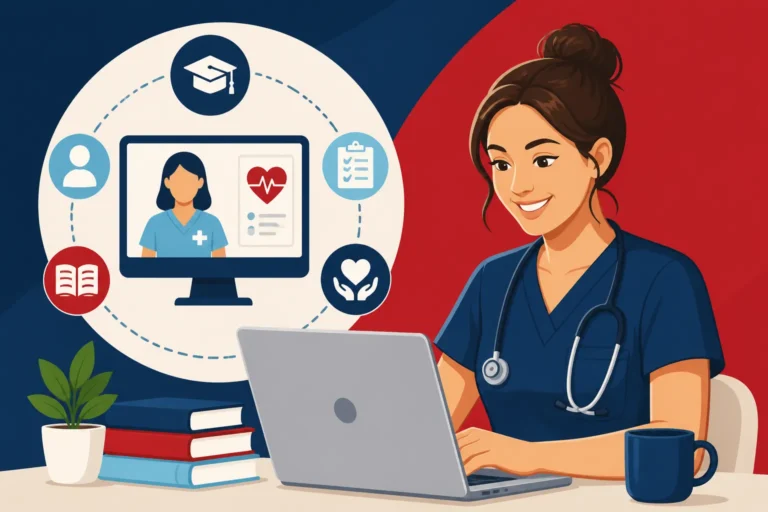
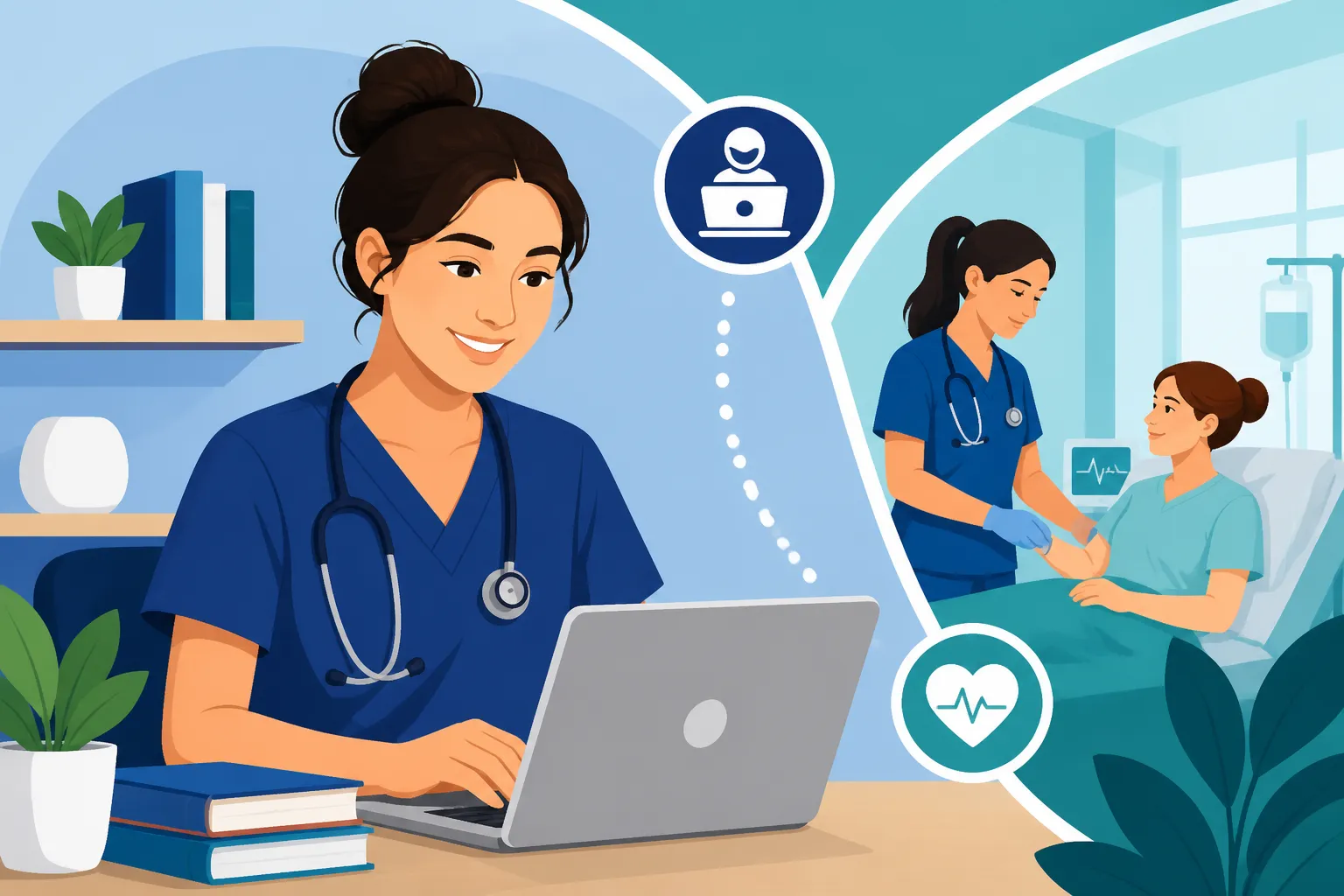
A hybrid accelerated BSN program is essentially a dynamic educational model that marries the convenience of online coursework with the absolute necessity of in-person, hands-on learning. Imagine being able to complete your lectures, reading assignments, and discussion board posts from your living room, your favorite coffee shop, or even during a quiet moment at your current job. This online component grants an incredible degree of flexibility, allowing you to manage your studies around existing commitments.
However, nursing isn't just about theory; it's about touch, empathy, critical thinking in real-time, and mastering vital skills. That's why the "hybrid" part is so crucial. These programs strategically weave in required on-campus lab sessions, simulation experiences, and extensive clinical rotations. These aren't just once-in-a-while visits; they're integral, mandatory components where you'll practice skills like IV insertion on manikins, respond to simulated patient emergencies, and ultimately apply everything you've learned in actual healthcare settings. It's about getting that real-world experience without having to attend every single lecture in a physical classroom. For a deeper dive into how these programs are structured, check out our guide on Accelerated BSN Programs Explained.
The Rationale Behind the Hybrid Model
The healthcare landscape is constantly evolving, and so is nursing education. The demand for baccalaureate-prepared nurses is higher than ever, driven by research showing improved patient outcomes with a more educated nursing workforce. Hospitals, especially those seeking or maintaining Magnet Status, actively recruit BSN-prepared nurses. Recognizing the bottleneck of traditional brick-and-mortar programs, and the need for flexibility for a mature student body, universities developed the hybrid model.
This approach acknowledges that many students pursuing an accelerated BSN already possess strong self-discipline, time management skills, and a foundational academic background. They often thrive in environments where they can control when and where they engage with didactic material, as long as they meet rigorous deadlines. The hybrid model allows schools to reach a broader demographic of potential nursing students, including those who may not live within easy commuting distance to a campus but can travel for intensive, periodic on-site requirements. It's an innovative solution to address the nursing shortage while maintaining high educational standards.
Who is the Hybrid Model Designed For?
So, is a hybrid accelerated BSN program right for you? It's definitely not a one-size-fits-all solution, but it particularly shines for a few specific types of individuals. Firstly, it's ideal for career changers who already hold a bachelor's degree in a non-nursing field and are looking for a fast track into healthcare. These students often bring valuable life experience and transferable skills. Secondly, it appeals to working professionals who need to maintain their current employment or family responsibilities while pursuing their nursing education. The online component provides the flexibility to schedule study time around work shifts or childcare.
However, it's crucial to understand that "flexibility" doesn't mean "easy" or "less demanding." These programs are incredibly intensive, packing a significant amount of nursing curriculum into a shorter timeframe, typically 12 to 18 months. Students must be highly motivated, organized, and capable of independent learning. If you thrive in a structured, solely in-person environment, or if you struggle with self-discipline and technology, a hybrid model might present more challenges than benefits. It truly suits those who are comfortable with online learning platforms and can manage rigorous coursework on a tight schedule.
Core Components of a Hybrid ABSN Curriculum
Don't let the "online" part of "hybrid" fool you into thinking you'll miss out on any crucial aspects of a comprehensive nursing education. Hybrid Accelerated BSN programs are meticulously designed to ensure you gain the same knowledge, skills, and clinical competency as graduates from traditional programs. The curriculum is just delivered in a different, more flexible format. This commitment to a holistic education means blending virtual classrooms with essential hands-on experiences.
Online Didactic Coursework
The bulk of your theoretical knowledge in a hybrid ABSN program will be delivered through online learning modules. This includes everything from foundational sciences like pathophysiology and pharmacology to core nursing subjects such as adult health, pediatrics, mental health nursing, and community health. You'll engage with pre-recorded lectures, participate in live virtual discussions, complete interactive assignments, and collaborate with peers on group projects – all from your computer.
The online environment often utilizes advanced learning management systems (LMS) like Canvas or Blackboard, where you can access all your course materials, submit assignments, and communicate with instructors. Many programs also incorporate robust study aids and practice questions, often from external platforms. For instance, many students find resources like Uworld invaluable for mastering content and preparing for exams, even before they start thinking about the NCLEX. This segment of the program demands significant self-discipline and time management, as you're responsible for keeping up with readings and assignments without the daily rhythm of a physical classroom. It’s important to acknowledge that this requires just as much, if not more, dedication than an in-person class, and it is vital for success in these accelerated programs.
In-Person Labs and Simulations
While online learning handles the theoretical groundwork, nursing is an applied science, and there's simply no substitute for hands-on practice. Hybrid ABSN programs feature mandatory, often intensive, in-person lab sessions and high-fidelity simulations. These usually take place at a university's nursing lab facility or a designated learning center. Here, you'll learn and practice fundamental nursing skills in a controlled, safe environment. Think about skills like sterile dressing changes, medication administration, urinary catheter insertion, physical assessments, and patient vital sign monitoring.
Simulation experiences take this a step further, placing you in realistic patient scenarios using advanced manikins that can "talk," "breathe," and even respond to interventions. You might manage a simulated cardiac arrest, care for a "patient" experiencing respiratory distress, or practice communicating with a difficult family member. These sessions are critical for developing clinical judgment, teamwork, and decision-making skills without the risk of harming actual patients. They're typically overseen by experienced faculty who provide immediate feedback and guidance, ensuring you're competent and confident before heading into real clinical settings.
Clinical Rotations in Healthcare Settings
The cornerstone of any nursing education, and certainly a major component of any hybrid accelerated BSN program, is the clinical rotation. This is where you apply all your learned knowledge and practiced skills directly to patient care under the supervision of a clinical instructor. These rotations take place in various healthcare environments, including hospitals, long-term care facilities, community health centers, and specialty clinics. You might find yourself assisting patients at a hospital in Sacramento one week, then working with a public health nurse in a local clinic the next.
The specific types and number of clinical hours for an accelerated BSN program will vary, but they are always extensive and crucial for licensure. You'll gain exposure to different specialties like medical-surgical, pediatrics, obstetrics, psychiatric nursing, and critical care. This direct patient interaction is invaluable for developing empathy, communication skills, and the ability to critically assess and intervene in diverse clinical situations. Many programs also have a "direct care component" or a community health focus, often satisfied through specific projects or placements. Finding quality clinical placements can be a challenge for nursing programs, so it's essential to understand how a program secures these experiences for its students, especially when considering an online format. For more on this, you can explore information about RN to BSN Clinical Hours Explained.
The Pros and Cons of Choosing a Hybrid ABSN
Deciding on a hybrid accelerated BSN program is a significant life choice. While the lure of a fast track to a nursing career is strong, it's essential to weigh both the considerable advantages and the potential challenges this unique educational path presents. There's no sugarcoating it: these programs are intense, but for the right person, they can be an absolute game-changer.
Advantages of Flexibility and Accelerated Pace
One of the most appealing aspects of a hybrid ABSN is the remarkable flexibility it offers. For individuals juggling existing careers, family responsibilities, or other life commitments, the ability to complete much of the didactic coursework online is a huge benefit. You can often study during off-hours, late at night, or early in the morning, fitting your education into the crevices of a busy schedule rather than having to clear your entire calendar. This flexibility can be a major factor in enabling students who might otherwise be unable to attend a traditional, entirely in-person program.
Beyond flexibility, the accelerated pace is a powerful draw. Instead of spending four years on a traditional BSN or two years on an ADN and then another 1-2 years for an RN to BSN, you can potentially earn your BSN in as little as 12 to 18 months. This quicker entry into the nursing workforce means you can start your new career, gain experience, and begin earning a higher salary sooner. For many, the idea of getting into their dream job in a shorter timeframe, coupled with the ability to manage personal life, makes the intensity entirely worth it. This efficiency is a core reason why many consider an Accelerated BSN for Career Changers.
Challenges of Intensive Schedule and Time Management
However, it's crucial to be realistic about the demands of an accelerated program. The very "accelerated" nature means you're condensing a vast amount of complex material into a short period. This translates to an incredibly rigorous, fast-paced curriculum that requires exceptional time management skills and a deep commitment. You'll often be taking multiple, challenging courses concurrently, with little downtime between semesters or modules. The reading assignments alone can feel overwhelming, not to mention quizzes, exams, projects, and preparing for your in-person labs and clinicals.
Students often describe the experience as "drinking from a firehose." While the online components offer flexibility, they still require significant hours each week – often 40-60 hours, similar to a full-time job. Juggling these online demands with scheduled in-person labs and demanding clinical rotations can lead to burnout if not managed carefully. It's not uncommon for students to reduce or even quit their part-time jobs during these programs, recognizing that the academic load requires their full attention. If you're wondering, "How hard is an Accelerated BSN?", the answer is usually, "Very."
Weighing the Financial and Time Commitment
Beyond the academic rigor, both the financial investment and the personal time commitment are substantial. Accelerated BSN programs can be more expensive per credit than traditional programs due to their specialized nature and the resources required for simulation labs and clinical coordination. While the quicker completion means you save on living expenses and deferred income over a longer period, the upfront cost can be significant. It's vital to research Accelerated BSN Financial Aid options thoroughly.
The time commitment isn't just about hours spent studying; it's also about travel. If your program's campus is not local, you'll need to factor in travel time and potentially accommodation costs for your intensive on-site labs and simulation weeks. Clinical rotations, while often arranged close to your location, might still require travel to various healthcare facilities. This means less time for family, friends, and personal hobbies. You'll need a strong support system at home and the mental fortitude to push through periods of intense focus and potential sacrifice. It's a commitment that impacts not just you, but also those around you.
Navigating the Admissions Process for Hybrid ABSN Programs
Getting into an accelerated BSN program, whether hybrid or fully in-person, can feel like navigating a maze. These programs are highly competitive, drawing a pool of motivated individuals eager to make a swift career change into nursing. Understanding the specific requirements and strategic approaches to your application can significantly boost your chances of acceptance. It's not just about meeting the minimums, but about demonstrating your potential and commitment.
Common Prerequisites and Academic Requirements
The foundation of any ABSN application, especially for a hybrid program, lies in your academic history. Because these programs build rapidly on core knowledge, there's a strict set of prerequisite courses you'll need to have completed, typically at a specific GPA. These usually include Anatomy & Physiology I & II (with labs), Microbiology (with lab), Chemistry, Statistics, English Composition, and sometimes Psychology or Sociology. Many programs require a minimum GPA of 3.0 or higher in these prerequisite courses, and some might even require a higher GPA for your overall bachelor's degree.
It's common for applicants to have already completed these courses as part of their first bachelor's degree, but if not, you might need to take them before you can apply. Keep in mind that many schools have policies regarding the age of prerequisite courses (e.g., must be completed within the last 5-10 years). Some programs will allow you to apply with prerequisites in progress, but all must be completed before you matriculate. Thoroughly understanding the Accelerated BSN Prerequisites Explained for each school you're interested in is the first critical step.
Application Strategies and Standing Out
Once you meet the basic academic requirements, the real strategy begins. Because admissions are competitive, simply having the prerequisites isn't always enough. You need to craft an application that highlights your unique strengths and demonstrates your genuine passion for nursing. This involves a compelling personal statement that clearly articulates your reasons for pursuing nursing, any relevant experiences (volunteer work, shadowing, healthcare experience), and how you envision your future in the field.
Strong letters of recommendation, ideally from professors or supervisors who can speak to your academic abilities and work ethic, are also crucial. Furthermore, some programs may require an interview, giving you a chance to verbally express your motivation and readiness for the rigorous curriculum. Showcasing your understanding of the challenges of a hybrid, accelerated program and your preparedness for them can make a big difference. Emphasize your time management skills, self-discipline, and comfort with technology, as these are vital for success in this format.
Understanding Program Selection and Waitlists
The application timeline for accelerated BSN programs can vary widely, with some offering multiple start dates throughout the year. It's common for programs to have rolling admissions, or specific application windows, so staying on top of the Accelerated BSN Application Timeline for your target schools is essential. Given the demand, some popular programs, especially those at well-regarded institutions, may have waitlists even for highly qualified candidates.
If you find yourself on a waitlist, don't despair immediately. It's important to understand the program's specific policies. Sometimes, simply maintaining contact with the admissions office (without being a nuisance!) to reiterate your interest and update them on any new achievements can keep you top-of-mind. While many factors go into program selection, demonstrating a clear understanding of the commitment involved and presenting a strong, well-rounded application is your best bet for securing a spot.
What to Expect During Your Hybrid ABSN Journey
Embarking on a hybrid accelerated BSN program is akin to running a marathon at a sprint's pace. It's exhilarating, challenging, and demands every ounce of your dedication. But knowing what to expect can help you prepare mentally, emotionally, and practically for the intense journey ahead. You’re not just learning nursing; you're learning to become an efficient, resilient, and effective healthcare professional under pressure.
Managing the Rigorous Academic Load
The academic workload in a hybrid ABSN program is no joke. You'll be inundated with new information constantly, from complex physiological processes to intricate medication dosages and ethical dilemmas in patient care. The online modules, while flexible in schedule, require consistent engagement. Expect daily readings, multiple assignments each week, and frequent quizzes or exams. Procrastination is not an option; falling behind, even for a few days, can create an almost insurmountable mountain of catch-up work.
Effective study strategies are paramount. Many students find success by creating a rigid study schedule and sticking to it, treating their education like a full-time job. Utilizing resources like study groups, tutoring services, and effective test preparation platforms can be incredibly helpful. Platforms such as Uworld are widely recognized for their comprehensive question banks and detailed rationales, which can be indispensable for solidifying your understanding of complex nursing concepts and building confidence for future exams, including the NCLEX. Don't be afraid to ask for help from instructors or peers when you're struggling; everyone in an accelerated program is in the same boat, and collaboration can be a lifeline.
Balancing Clinicals with Online Study
The hybrid model means you're constantly shifting gears between independent online study and structured, in-person clinical experiences. One week you might be deeply engrossed in online pharmacology lectures, and the next you're spending 12 hours on a busy medical-surgical floor. This requires a unique form of mental agility and planning. Clinical rotations are not just about showing up; they involve pre-clinical preparation (researching your assigned patients, understanding their conditions and medications) and post-clinical documentation or reflection.
Travel to clinical sites can add significant time to your week, and the emotional and physical demands of direct patient care can be draining. It's crucial to find a rhythm that allows you to decompress from clinicals while immediately re-engaging with your online coursework. This balance is often the trickiest part of the hybrid experience. Students often share that it’s less about having free time and more about strategically allocating every available hour. If you're considering how to manage, it's worth reading up on tips for How to Balance Work and RN to BSN, even if you aren't working, as the principles of managing a demanding schedule apply.
Preparing for the NCLEX and Beyond
The ultimate goal of any BSN program is to prepare you to pass the NCLEX-RN exam and become a licensed registered nurse. Hybrid accelerated programs integrate NCLEX preparation throughout the curriculum, often with dedicated review courses and practice exams toward the end of the program. Because of the compressed timeline, you'll be synthesizing a vast amount of information quickly, which can actually be an advantage for NCLEX readiness if you've developed strong study habits.
Many programs recommend or even require students to utilize external NCLEX review materials. Again, this is where a resource like Uworld frequently comes into play, offering thousands of practice questions that mirror the NCLEX format and content areas. After graduation and successfully passing the NCLEX, you'll be ready to enter the workforce as a BSN-prepared registered nurse. Your journey doesn't end there, though. Many nurses from accelerated programs quickly move into specialty areas, or even consider an RN to MSN Programs Explained path for advanced practice roles. The skills of independent learning and self-motivation you hone in a hybrid ABSN will serve you well throughout your entire nursing career.
Finding the Right Hybrid Accelerated BSN Program for You
Choosing the right hybrid accelerated BSN program can feel overwhelming with so many options available. It’s not just about finding any program, but finding the best fit for your unique circumstances, learning style, and career aspirations. A thoughtful evaluation process will save you headaches (and potentially tuition dollars) down the line.
Key Factors for Program Evaluation
When you’re sifting through potential hybrid ABSN programs, it's crucial to look beyond just the tuition cost and program length. Consider the program's specific structure: How often are the in-person components? Are they weekly, monthly, or in intensive "immersion" blocks? How far would you need to travel for labs and clinicals? What kind of technological support does the online learning platform offer? Do they have dedicated student advisors for online students?
Also, investigate the program's resources for clinical placement. Some programs might require you to find your own preceptors, which can be a huge hurdle. Others, especially larger universities, will have established partnerships with local hospitals and clinics, streamlining this essential part of your education. Look for programs that are transparent about their clinical coordination process. Finally, ask about student support services, career services, and alumni networks. These can be invaluable for job searching and professional growth after graduation.
Accreditation and Its Importance
This cannot be stressed enough: Accreditation is non-negotiable. When evaluating any nursing program, especially an online or hybrid one, ensuring it holds proper accreditation from a recognized agency is paramount. The two main accrediting bodies for nursing education in the United States are the Accreditation Commission for Education in Nursing (ACEN) and the Commission on Collegiate Nursing Education (CCNE). If a program isn't accredited by one of these, walk away.
Why is it so vital? First, you won't be eligible to sit for the NCLEX-RN exam if your program isn't accredited. Second, an unaccredited degree won't be recognized by employers or for future graduate studies. And third, you won't be able to apply for federal financial aid. Accreditation signifies that the program meets rigorous national standards for nursing education quality. Always verify a program's accreditation status directly on the ACEN or CCNE website, not just relying on the school's marketing materials. Understanding Why RN to BSN Accreditation Matters offers further insight into this crucial topic.
Exploring Specific Program Examples and Locations
While it's important to focus on the general characteristics of hybrid programs, sometimes looking at specific examples can help solidify your understanding. Many well-regarded universities offer hybrid ABSN options, particularly for students in areas with high demand for nurses. For example, institutions like the University of Texas Arlington are known for their robust online and hybrid nursing programs, attracting students from across the country who can travel for the in-person components. Similarly, the Drexel RN to BSN Program Review highlights a university often at the forefront of online education, with options that could be structured to include in-person requirements for initial licensure.
When researching, also consider your geographic location. While online coursework offers flexibility, clinical placements are typically arranged within your state of residence, or at least in a region where the school has affiliations. This means that if you're looking for a program while living in, say, San Antonio, Texas, you'll want to focus on schools that can guarantee clinical placements in or around that area, even if the didactic portion is online. Many schools offer state-specific hybrid programs, like those for nurses in Florida or California, specifically designed to meet local needs and clinical site availability.
| Feature | Hybrid Accelerated BSN | Traditional BSN (Second Degree) |
|---|---|---|
| Didactic Coursework | Primarily online, self-paced within deadlines | Mostly in-person lectures and classroom time |
| Hands-on Labs/Simulations | Scheduled on-campus intensives (e.g., weekly, blocks) | Regular, typically weekly, on-campus sessions |
| Clinical Rotations | Structured and facilitated by program, often local | Structured and facilitated by program, often local |
| Program Length | Typically 12-18 months | Typically 18-24 months |
| Flexibility | High for didactic, requires travel for in-person | Lower, fixed schedule for most components |
| Ideal For | Career changers, working professionals, self-starters | Those preferring structured, daily in-person learning |
| Travel Requirements | Required travel to campus/clinical sites for intensives | Primarily commuting to campus and clinical sites |
| Independence Level | High degree of self-direction and time management | Moderate, more external structure provided |
Disclaimer
The information provided in this article is for general informational purposes only and does not constitute professional advice. While we strive to provide accurate and up-to-date content, nursing program requirements, costs, and availability can change rapidly. Prospective students should always verify all program details, including accreditation, prerequisites, clinical requirements, and financial aid options, directly with their chosen educational institutions. Individual results and career outcomes may vary.