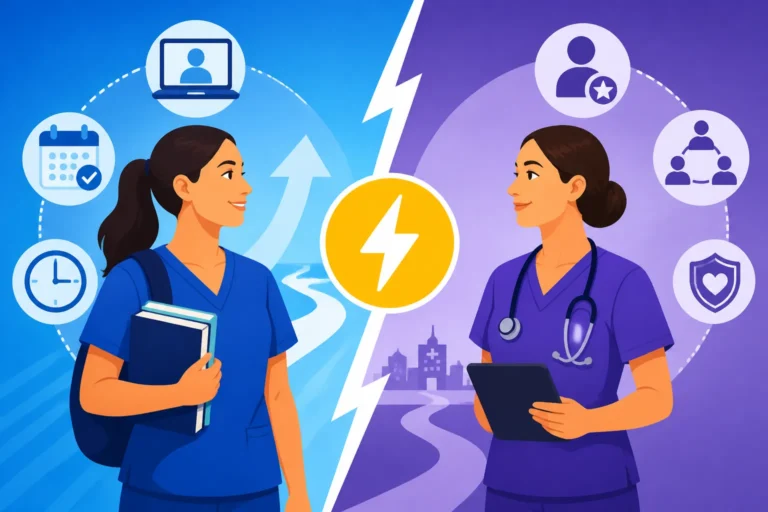
South University Accelerated BSN Program Overview
Navigating the path to becoming a registered nurse can feel like a labyrinth, especially when you're looking to make a career switch or accelerate your journey after earning a prior bachelor's degree. Many aspiring nurses find themselves overwhelmed by the sheer volume of information and the time commitment traditional programs demand. This guide aims to demystify the South University Accelerated BSN Program, providing a clear overview of what you can expect, from admissions to graduation, to help you determine if this fast-paced option is the right fit for your nursing aspirations.
Understanding the Accelerated BSN Model at South University
An Accelerated Bachelor of Science in Nursing (ABSN) program is specifically designed for individuals who already hold a bachelor's degree in a non-nursing field and wish to transition into nursing quickly. South University, with its various campus locations offering this program, understands the unique needs of these students, often balancing previous academic achievements with a desire for a new, impactful career. This isn't just a quicker version of a traditional BSN; it's an intensive, streamlined experience that compresses a significant amount of nursing education into a shorter timeframe.
What Makes an ABSN Program "Accelerated"?
The "accelerated" aspect of these programs comes from a few key factors. First, students typically complete the program in a much shorter period, often ranging from 12 to 18 months, compared to the standard four years for a traditional BSN or two years for an ADN. This rapid pace is possible because students have already completed their general education requirements during their first bachelor's degree. They essentially jump straight into the core nursing curriculum, without needing to spend time on foundational courses like English composition or introductory math again.
Secondly, the curriculum is intensely focused. You'll find yourself diving headfirst into nursing theory, clinical skills, and professional practice from day one. There's little downtime between terms, and the course load is significantly heavier than a traditional program. For example, while a traditional student might take 12-15 credit hours per semester, an ABSN student might be enrolled in 18-24 credit hours, with continuous coursework over multiple terms, including summers. This demands immense dedication and excellent time management, as every moment counts.
Ideal Candidates for South University's ABSN
Who thrives in an accelerated program like the one at South University? Typically, it's highly motivated individuals who are disciplined, organized, and possess strong academic foundations from their previous degree. Many students in these programs are career changers, coming from diverse backgrounds like biology, psychology, or even business, seeking a more fulfilling profession. They often have a clear understanding of their career goals and are ready to commit fully to the rigorous schedule.
It's not just about academic readiness; it's also about mental fortitude. The pace can be relentless, and successful students are those who can absorb large amounts of information quickly, adapt to new learning methods, and maintain a positive attitude even when faced with challenging coursework or demanding clinical rotations. If you're someone who thrives under pressure and is eager to quickly transition into a nursing role, then an accelerated BSN might be a fantastic pathway, offering a focused and efficient route to becoming a registered nurse.
Navigating South University ABSN Admission Requirements and Prerequisites
Getting into an accelerated BSN program is often more competitive than a traditional BSN program due to the specialized nature and the compressed timeline. South University, like many other institutions, has specific criteria to ensure that admitted students are well-prepared for the demanding curriculum. Understanding these requirements thoroughly is your first step toward a successful application. You might find our guide on Accelerated BSN Admission Requirements helpful as you prepare.
Academic Background and GPA Expectations
The most fundamental requirement for an ABSN program is a previous bachelor's degree from an accredited institution. This is non-negotiable, as it signifies that you've already completed the general education component of higher learning. Beyond just holding a degree, South University will also look closely at your academic performance. While specific GPA requirements can vary by campus and program intake, a competitive GPA for an ABSN program often falls in the range of 2.75 to 3.0 or higher on a 4.0 scale. However, some programs are even more selective, looking for a 3.25 or 3.5 minimum, especially for prerequisite courses.
It's not just your overall GPA that matters. Admissions committees pay particular attention to your performance in science and math prerequisites. A strong showing in courses like Anatomy and Physiology, Microbiology, and Chemistry demonstrates your ability to handle the rigorous scientific content inherent in nursing. If your previous bachelor's degree wasn't science-heavy, don't fret too much; many aspiring ABSN students take these prerequisite courses as post-baccalaureate studies. What's crucial is earning excellent grades in them to prove your readiness.
Essential Prerequisite Courses
Before you can even apply, you'll need to ensure you've completed a specific set of prerequisite courses. These are foundational science and non-science courses that prepare you for the core nursing curriculum. While the exact list can vary slightly depending on the specific South University campus you're applying to, common prerequisites include:
- Anatomy & Physiology I & II (with labs): These courses are absolutely critical for understanding the human body's structure and function, which is the bedrock of nursing practice.
- Microbiology (with lab): Essential for understanding infectious diseases, patient safety, and pharmaceutical actions.
- Chemistry (with lab): Often a general chemistry or inorganic chemistry course, providing a basis for understanding pharmacology and physiological processes.
- Statistics: Important for evidence-based practice and understanding research in healthcare.
- Developmental Psychology or Lifespan Development: Crucial for understanding patient care across different age groups and stages of life.
- Nutrition: Essential for patient education and understanding dietary impacts on health.
Some programs might also require specific communication courses, humanities, or additional social sciences. It's vital to check the exact requirements for your chosen South University location. Keep in mind that many programs have a time limit on how old your science prerequisites can be (e.g., completed within the last 5-7 years). If yours are older, you might need to retake them, even if you did well the first time. This ensures your scientific knowledge is current and ready for the intensive learning environment.
The Rigorous Curriculum and Clinical Experience
Once admitted to a South University Accelerated BSN program, prepare for a fast-paced, immersive educational journey. The curriculum is meticulously crafted to equip you with the knowledge and skills necessary to provide competent, compassionate patient care, all within a compressed timeframe. This intensive learning experience often mirrors the real-world demands of nursing, pushing you to quickly integrate theory with practice.
Core Nursing Coursework
The coursework in an ABSN program is comprehensive, covering all the major domains of nursing practice. You won't be taking electives; every course is directly relevant to becoming a successful registered nurse. Typical courses you might encounter include:
- Foundations of Nursing Practice: This usually kicks off the program, introducing core concepts, ethical principles, nursing process, and basic patient care skills.
- Pharmacology: An in-depth study of medications, their actions, side effects, and safe administration – a critical area for all nurses.
- Adult Health Nursing (Med-Surg): Often broken into multiple courses, this covers care for adult patients with a wide range of medical and surgical conditions, from common illnesses to complex chronic diseases.
- Maternal-Child Nursing: Focuses on the care of women during pregnancy, labor, and postpartum, as well as the care of infants, children, and adolescents.
- Psychiatric and Mental Health Nursing: Addresses mental health disorders and therapeutic interventions, emphasizing communication skills and patient advocacy.
- Community Health Nursing: Explores public health principles, health promotion, disease prevention, and nursing roles in diverse community settings.
- Leadership and Management in Nursing: Prepares you for leadership roles, patient advocacy, interdisciplinary collaboration, and understanding healthcare systems.
- Nursing Research and Evidence-Based Practice: Teaches you how to critically evaluate research and apply evidence to improve patient outcomes.
Many programs also include a capstone project or a comprehensive seminar in their final terms, allowing students to synthesize their learning and prepare for professional practice and the NCLEX-RN exam. During your studies, you'll benefit from numerous resources; for instance, many students find that practice questions and comprehensive review platforms like Uworld become invaluable tools, helping them to apply theoretical knowledge and prepare for exams, including the all-important licensure exam.
Hands-On Clinical Rotations
Clinical experiences are the heart of any nursing program, and South University's ABSN is no exception. While the theoretical coursework happens rapidly, the clinical component provides essential hands-on training in real healthcare settings. These rotations are strategically designed to expose you to various patient populations and specialties, allowing you to apply classroom knowledge under the direct supervision of experienced clinical instructors.
You can expect to complete clinical hours in a diverse range of settings, which might include:
- Acute Care Hospitals: Working on medical-surgical units, intensive care units (ICU), emergency departments (ED), or specialty units like cardiology or oncology.
- Maternity Wards: Assisting with labor and delivery, postpartum care, and newborn assessment.
- Pediatric Units: Providing care for children of all ages, from infants to adolescents, in various states of health.
- Psychiatric Facilities: Learning to care for individuals with mental health conditions, focusing on therapeutic communication and crisis intervention.
- Community Health Centers: Participating in public health initiatives, health screenings, and patient education in community settings.
These clinical rotations are often scheduled in blocks, meaning you might spend several full days a week at a hospital or clinic. The intensity is high, requiring you to quickly learn procedures, interact with patients and families, and collaborate with healthcare teams. Many students pursuing an Accelerated BSN with a Bachelor's Degree find these clinical experiences to be the most rewarding, as they solidify their career choice and build confidence. It’s also crucial to remember that while the program is fast, the quality of clinical education is never compromised, preparing you thoroughly for your future role as an RN.
Life as an ABSN Student and Post-Graduation Pathways
Deciding to pursue an Accelerated BSN is a significant commitment, and understanding the realities of student life and the opportunities that await you post-graduation is crucial. South University designs its ABSN programs to not only be academically robust but also to foster the resilience and critical thinking skills essential for a successful nursing career.
Managing the Demands of an Accelerated Program
Student life in an ABSN program is unlike a typical college experience. Your days will be packed with lectures, lab simulations, clinical rotations, and extensive self-study. Many students describe it as a full-time job, often requiring 40-60 hours per week dedicated to academics. Sacrifices are often necessary; social life might take a backseat, and working a part-time job can be extremely challenging, if not impossible, for some. You might find our guide on How to Balance Work and RN to BSN valuable, though the ABSN intensity is even greater.
Effective time management and study strategies are paramount. Forming study groups with classmates can be incredibly beneficial, allowing you to share notes, discuss complex concepts, and support each other through challenging periods. Utilizing all available resources, such as academic advising, tutoring services, and skill labs, is also vital. Programs often provide access to comprehensive review materials and online question banks, like those offered by Uworld, to help students prepare for high-stakes exams and build their test-taking stamina. This continuous engagement with challenging content and rigorous practice is fundamental to success.
Here's a quick look at the typical time commitment:
| Activity | Estimated Weekly Hours (Accelerated BSN) |
|---|---|
| Classroom Lectures | 15-20 hours |
| Skills/Simulation Labs | 4-8 hours |
| Clinical Rotations | 12-24 hours |
| Self-Study/Homework | 20-30 hours |
| Total | 51-82 hours (highly demanding) |
Note: These are general estimates and can vary by program and individual student needs.
Preparing for the NCLEX and Career Opportunities
Upon successful completion of the South University ABSN program, the next major milestone is passing the NCLEX-RN exam. This national licensure exam is required for all registered nurses to practice in the United States. South University programs integrate NCLEX preparation throughout the curriculum, often with dedicated review courses and resources to help students succeed. Many programs encourage the use of platforms like Uworld for focused practice questions and rationales, which can significantly boost confidence and readiness for the exam.
Once you pass the NCLEX, a wide array of career opportunities opens up. As a BSN-prepared nurse, you'll be qualified for entry-level positions in hospitals, clinics, community health centers, long-term care facilities, and many other healthcare settings. Hospitals increasingly prefer or even require a BSN for new hires, recognizing the broader education it provides in areas like leadership, research, and public health. This degree often translates to higher earning potential compared to ADN-prepared nurses. If you are wondering about how your new degree impacts your earnings, check out our article on BSN Salary Explained.
Beyond general bedside nursing, your BSN provides a strong foundation for future career advancement. Many ABSN graduates go on to specialize in areas like critical care, pediatrics, or oncology, often pursuing certifications to enhance their expertise. It also serves as an excellent stepping stone for advanced nursing degrees, such as a Master of Science in Nursing (MSN) or a Doctor of Nursing Practice (DNP), which can lead to roles as a Nurse Practitioner, Nurse Educator, or Nurse Administrator. The accelerated path into nursing quickly positions you to impact patient lives and grow within the profession.
Disclaimer
Please note that program details, admission requirements, course offerings, and tuition rates for South University's Accelerated BSN program can vary by campus location and are subject to change. It is always recommended to consult directly with the South University admissions department for the most current and accurate information pertaining to your specific interests.