Accelerated BSN for Non-Science Majors
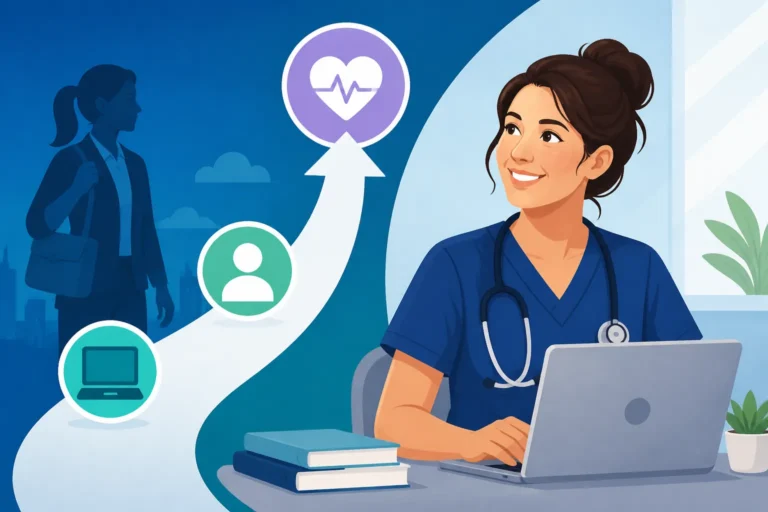
Feeling like your humanities or business degree might hold you back from a fulfilling career in nursing? It's a common worry for many aspiring healthcare professionals who didn't start on a traditional science path. But here's the good news: an Accelerated BSN (ABSN) program is specifically designed to bridge that gap, welcoming individuals with non-nursing bachelor's degrees and empowering them to become registered nurses. This guide will walk you through everything you need to know about making that transition, showing you how your unique background can actually be a huge asset.
Understanding the Accelerated BSN for Career Changers
Making a career pivot into nursing, especially from a non-science background, can feel like a monumental task. You might be looking at traditional nursing school requirements and thinking, "Where do I even begin?" That's where the Accelerated BSN program shines. It's not just a faster way to get your BSN; it's a pathway specifically designed for individuals who already hold a bachelor's degree in another field and are ready to immerse themselves in nursing education.
What Makes an ABSN Program Different?
Unlike a traditional four-year BSN program that integrates general education with nursing courses from day one, an ABSN program assumes you've already completed those foundational general education requirements. This means you dive straight into the intensive nursing curriculum. It's fast-paced, demanding, and incredibly rewarding. The curriculum is compressed, often lasting anywhere from 12 to 24 months, making it possible to become a licensed RN much quicker than starting from scratch. Think of it as a super-focused sprint to get you where you need to be. Many programs, like those at Drexel University or Marquette University, are renowned for their robust ABSN offerings, attracting a diverse cohort of students with varied academic histories.
The intensity of an ABSN program means you'll be dedicating a significant portion of your time to studies. It's often compared to a full-time job, requiring immense dedication and excellent time management skills. You'll be taking courses like pathophysiology, pharmacology, health assessment, and nursing care for various populations, all while simultaneously completing demanding clinical rotations. This concentrated learning experience is what makes it possible to earn your BSN in such a short timeframe, but it definitely isn't for the faint of heart. It truly is an immersive experience where you live and breathe nursing for the duration of the program.
Why Your Non-Science Background Can Be an Asset
It might feel counterintuitive, but your non-science degree can actually be a secret weapon in nursing. While you might worry about catching up on the science, the critical thinking, communication, and problem-solving skills honed in fields like English, history, psychology, business, or even fine arts are incredibly valuable in nursing. Nursing isn't just about memorizing facts; it's about connecting with patients, understanding complex social dynamics, communicating clearly with multidisciplinary teams, and thinking on your feet.
For instance, a philosophy major brings strong analytical skills, essential for ethical decision-making in complex patient care scenarios. A history major might have a deep understanding of societal trends and cultural competency, vital for providing holistic care to diverse patient populations. Someone with a psychology degree will have a natural advantage in understanding patient behavior and mental health, which is a cornerstone of nursing practice. These "soft skills" are often hard to teach and are increasingly sought after by healthcare employers. Many successful nurses I know came from backgrounds completely unrelated to science, and they often credit their previous experiences with giving them a unique perspective and resilience in their new career.
Your previous degree also demonstrates a commitment to higher education and the ability to succeed academically. Admissions committees understand that people change career paths, and they often look favorably on applicants who have already proven their academic prowess, regardless of the subject matter. It shows maturity, self-awareness, and a clear sense of direction – all qualities that make for an excellent nursing student and, ultimately, a compassionate and competent nurse. Don't underestimate the power of your unique journey and how it shapes your approach to patient care and teamwork.
Essential Prerequisite Courses for Non-Science Majors
Okay, let's address the elephant in the room: science prerequisites. Yes, you will need to complete a handful of core science courses before you can even apply to an ABSN program. This is often the biggest hurdle for non-science majors, but it's entirely manageable with a strategic approach. These courses lay the fundamental groundwork for understanding human anatomy, physiology, and disease processes, which are critical to nursing practice.
The Core Science Classes You'll Need
Most ABSN programs will require a similar set of science prerequisites. These typically include:
- Anatomy and Physiology (A&P) I & II with Lab: This is often the most significant prerequisite, as it provides the foundational knowledge of how the human body is structured and how its systems function. You'll learn about everything from skeletal muscles to the cardiovascular system. It's usually taught in two parts, and having the lab component is crucial for hands-on learning. Many students find Anatomy and Physiology for Accelerated BSN to be the most challenging but also the most rewarding.
- Microbiology with Lab: This course introduces you to microorganisms like bacteria, viruses, and fungi, and their role in health and disease. Understanding infection control and how pathogens affect the body is paramount for any nurse. The lab component often involves culturing and identifying these tiny organisms.
- Chemistry with Lab: While not always as in-depth as a chemistry major's course, you'll need a basic understanding of general or introductory chemistry. This helps you grasp concepts related to bodily functions, medications, and fluid balance. Some programs might specify inorganic or organic chemistry, so always check individual program requirements carefully.
- Nutrition: This course covers the principles of human nutrition, the role of various nutrients in health, and how diet impacts disease. It’s highly relevant to patient education and understanding dietary interventions in healthcare.
You might also encounter requirements for developmental psychology, statistics, or ethics, but the science courses are generally the make-or-break for non-science majors. It's absolutely vital to check the specific requirements for each ABSN program you're interested in, as they can vary slightly. Some programs, for example, might be more flexible with an online lab component, while others strictly require in-person labs.
Beyond Science: General Education Requirements
While your existing bachelor's degree typically covers the bulk of general education requirements, it's still worth a quick check. Most ABSN programs require you to have completed courses in areas like English composition, public speaking, statistics, and sometimes humanities or social sciences. The good news is that if you already have a bachelor's, these are almost certainly already taken care of.
The main challenge for many non-science majors isn't these broader requirements, but rather ensuring their previous college credits for prerequisites are up to date. Many nursing schools have policies regarding the age of prerequisite courses, especially the sciences. For instance, some programs require science prerequisites to have been completed within the last five to ten years. If your A&P class was from a decade ago, you might need to retake it. This isn't meant to be punitive; it's to ensure your scientific knowledge is fresh and current before you jump into the rigorous nursing curriculum. This is a common question, and you can learn more about Accelerated BSN Prerequisites You Need to get a clearer picture.
Strategizing Your Prerequisite Completion
Completing these prerequisites while balancing work and life can feel overwhelming, but there are several pathways. Many students choose to take these courses at a local community college, which often offers more affordable tuition and flexible schedules (including evening or online options) compared to four-year universities. Online prerequisite courses are also increasingly common, though some ABSN programs prefer or even require in-person lab components, so always verify this detail.
Another popular option is to enroll in a post-baccalaureate pre-nursing program, which is specifically designed to get you all the necessary prerequisites in a structured format. These programs often provide advising and can streamline the application process for ABSN programs. Regardless of your chosen path, aim to maintain a strong GPA in these prerequisite courses, as they are a key indicator of your ability to handle the rigorous science-heavy curriculum of an ABSN program. Admissions committees will be scrutinizing these grades closely. Many online resources and study aids can also be incredibly helpful; while you're tackling those science prerequisites, tools like Uworld can be invaluable for self-assessment and deeper understanding of scientific concepts, even before you hit your main nursing courses. They offer question banks that can help reinforce learning as you go.
Navigating the Accelerated BSN Application Process
Applying to an ABSN program is more than just submitting transcripts and test scores. For non-science majors, it's an opportunity to weave a compelling narrative that showcases how your unique background and experiences make you an exceptional candidate for nursing. It's about demonstrating your passion, resilience, and readiness for a demanding yet incredibly rewarding career.
Crafting a Compelling Personal Statement
Your personal statement is your chance to shine and explain why you're making this career change. For non-science majors, this essay is particularly crucial. Don't shy away from your previous degree; instead, frame it as a strength. How did your English literature degree teach you empathy and critical analysis of human experience? How did your business degree instill leadership skills and efficiency? Connect the dots between your past academic and professional life and your future as a nurse. Admissions committees want to see that you've thoughtfully considered this transition and that it's not a whim.
Think about specific moments or experiences that led you to nursing. Was there a volunteer experience, a personal health journey, or an interaction that sparked this passion? Share that story. Emphasize the transferable skills you've gained, such as communication, problem-solving, teamwork, cultural awareness, or client interaction. For instance, if you were a project manager, you can highlight organizational skills and the ability to manage complex tasks under pressure – qualities essential for managing patient care. Show, don't just tell, how your unique path has prepared you for the challenges and rewards of nursing. This is where your narrative truly differentiates you from other applicants.
Standing Out with Diverse Experiences
Beyond your academic record, your life experiences are incredibly valuable. Many non-science majors come from diverse professional backgrounds, and these experiences can be powerful differentiators. Have you worked in customer service, social work, education, or even a creative field? These roles often involve high levels of interpersonal skills, stress management, and a deep understanding of human needs – all directly applicable to nursing. Highlight any volunteer work, especially in healthcare settings, as it demonstrates a proactive interest and commitment to the field.
For example, I once knew an ABSN student who had a background in theater. She leveraged her stage presence and public speaking skills to excel in patient education and presentations, making complex medical information accessible and engaging. Another applicant with a journalism degree showcased her ability to synthesize information quickly and communicate clearly, which is vital for documentation and patient reports. These kinds of experiences illustrate maturity, a strong work ethic, and a broader perspective that can enrich the nursing profession. Remember, healthcare values diversity of thought and experience, and your unique journey could be exactly what a program is looking for. It's worth reading up on specific Accelerated BSN Admission Requirements to ensure you're addressing all aspects of the application comprehensively.
Success Strategies for the Non-Science ABSN Student
Embarking on an Accelerated BSN program as a non-science major is a bold step, and with the right strategies, you can absolutely thrive. It’s about being proactive, disciplined, and leveraging all the resources at your disposal to bridge any knowledge gaps and maximize your existing strengths. The pace is intense, but your dedication will see you through.
Bridging Knowledge Gaps Effectively
The rigorous nature of an ABSN means you can't afford to be behind on foundational science. If you feel shaky on your prerequisites, dedicate extra time to review before the program begins. Consider investing in supplemental study guides, online tutorials, or even flashcards for anatomy, physiology, and microbiology. Many students find study groups to be incredibly helpful for reinforcing complex concepts. Don't be afraid to ask for help from professors or tutors early on if you're struggling with a particular science topic. They are there to support you.
When it comes to test preparation, especially for the NCLEX, resources like Uworld are gold standards. Uworld provides extensive question banks that mirror the NCLEX format and content, complete with detailed rationales for both correct and incorrect answers. Starting to familiarize yourself with this type of rigorous questioning methodology even during your ABSN program, particularly after completing relevant coursework, can give you a significant advantage. It's not just about memorizing; it's about understanding the application of scientific and nursing principles, which Uworld excels at teaching. Don't wait until the very end to start this kind of intensive review; integrating it throughout your studies can build a solid foundation.
Leveraging Your Previous Degree and Skills
Remember those critical thinking, communication, and interpersonal skills you developed in your first degree? Now is the time to put them to good use. Your ability to write clear, concise papers will serve you well in nursing documentation and care planning. Your experience analyzing complex texts can translate into quickly grasping intricate patient cases. If your previous career involved managing projects, you'll find parallels in organizing patient care and prioritizing tasks.
Actively seek opportunities to integrate your past experiences into your nursing studies and clinical rotations. For example, if you have a background in teaching, you might excel in patient education scenarios. If you've worked in a customer-facing role, your empathy and ability to de-escalate stressful situations will be invaluable when interacting with patients and their families. Highlight these strengths during group projects and clinical discussions. Your unique perspective can offer fresh insights and innovative solutions to common nursing challenges. This is precisely why your Accelerated BSN for Non-Nursing Majors journey is so valuable.
Finding Support and Resources
You don't have to go through this challenging journey alone. Building a strong support network is paramount. Connect with your classmates, especially those who also come from non-science backgrounds. They understand your struggles and can be an incredible source of encouragement and study partners. Form study groups to tackle difficult concepts together; teaching others is one of the best ways to solidify your own understanding. Many programs will also offer resources like academic advisors, peer tutoring, and mental health support services. Don't hesitate to utilize them.
Beyond your immediate academic environment, tap into the broader nursing community. Join professional organizations, attend webinars, and seek out mentors who can provide guidance and insights. Online forums and social media groups dedicated to nursing students can also be great places to find advice and share experiences. Remember, maintaining your well-being is just as important as your academic performance. The intense nature of an ABSN program can be mentally and emotionally draining, so make sure to schedule time for self-care, whether it's exercise, hobbies, or simply spending time with loved ones. Resources like Accelerated BSN Study Tips and How to Manage Stress in an ABSN can offer specific strategies to help you navigate this demanding period successfully.
| Prerequisite Category | Typical Courses | Why it Matters for Nursing | Tips for Non-Science Majors |
|---|---|---|---|
| Core Sciences | Anatomy & Physiology I & II (with lab), Microbiology (with lab), Chemistry (with lab) | Understanding body systems, disease processes, infection control, medication actions. | Prioritize strong grades; consider community college or online options for flexibility; look for resources like Uworld for reinforcement. |
| Math & Statistics | College Algebra, Statistics | Dosage calculations, evidence-based practice, interpreting research. | Brush up on algebra skills; understand the practical application of statistics in healthcare data. |
| Social Sciences | Developmental Psychology, Sociology | Understanding human behavior, patient growth and development, social determinants of health. | Relate concepts to patient interactions and holistic care; often covered by previous bachelor's. |
| Humanities | English Composition, Ethics, Public Speaking | Effective communication, ethical decision-making, patient education. | Leverage your existing strengths from your previous degree; practice clear and empathetic communication. |
Embracing Your Unique Path to Nursing
Making the decision to pursue an Accelerated BSN from a non-science background is a testament to your determination and passion for helping others. It’s a path that requires hard work and commitment, but it’s incredibly rewarding. You're not just changing careers; you're bringing a wealth of diverse experiences and perspectives to a profession that desperately needs them. The skills you developed in your previous degree, whether it was in the arts, business, or social sciences, will serve you well in patient care, communication, and critical thinking.
The journey might involve catching up on science prerequisites, but this is a manageable step that thousands of nurses before you have successfully completed. With a strategic approach to your studies, leveraging resources like Uworld for deeper understanding and NCLEX preparation, and building a strong support network, you will not only survive but thrive in an ABSN program. Many former students, like those who transitioned from education or journalism, attest that their non-nursing backgrounds provided a unique lens through which to view patient care, making them more empathetic, adaptable, and well-rounded nurses.
So, if you’re a non-science major with a calling to nursing, don't let your past academic choices deter you. Embrace your unique story, prepare diligently for the road ahead, and know that your distinctive background will be a valuable asset in the dynamic world of healthcare. This is a path where your previous achievements aren't forgotten, but rather integrated to create a truly exceptional nurse. If you're wondering how intensive the study is, exploring How Hard Is an Accelerated BSN might offer some useful perspectives. And remember, the support systems are there for you.
Disclaimer
Please note that the information provided in this article is intended for general guidance and informational purposes only, and does not constitute professional advice. Program requirements, costs, and availability can vary significantly by institution and are subject to change. Always consult directly with academic advisors and admissions departments of specific Accelerated BSN programs for the most accurate and up-to-date information relevant to your personal circumstances.