Common Accelerated BSN Prerequisites
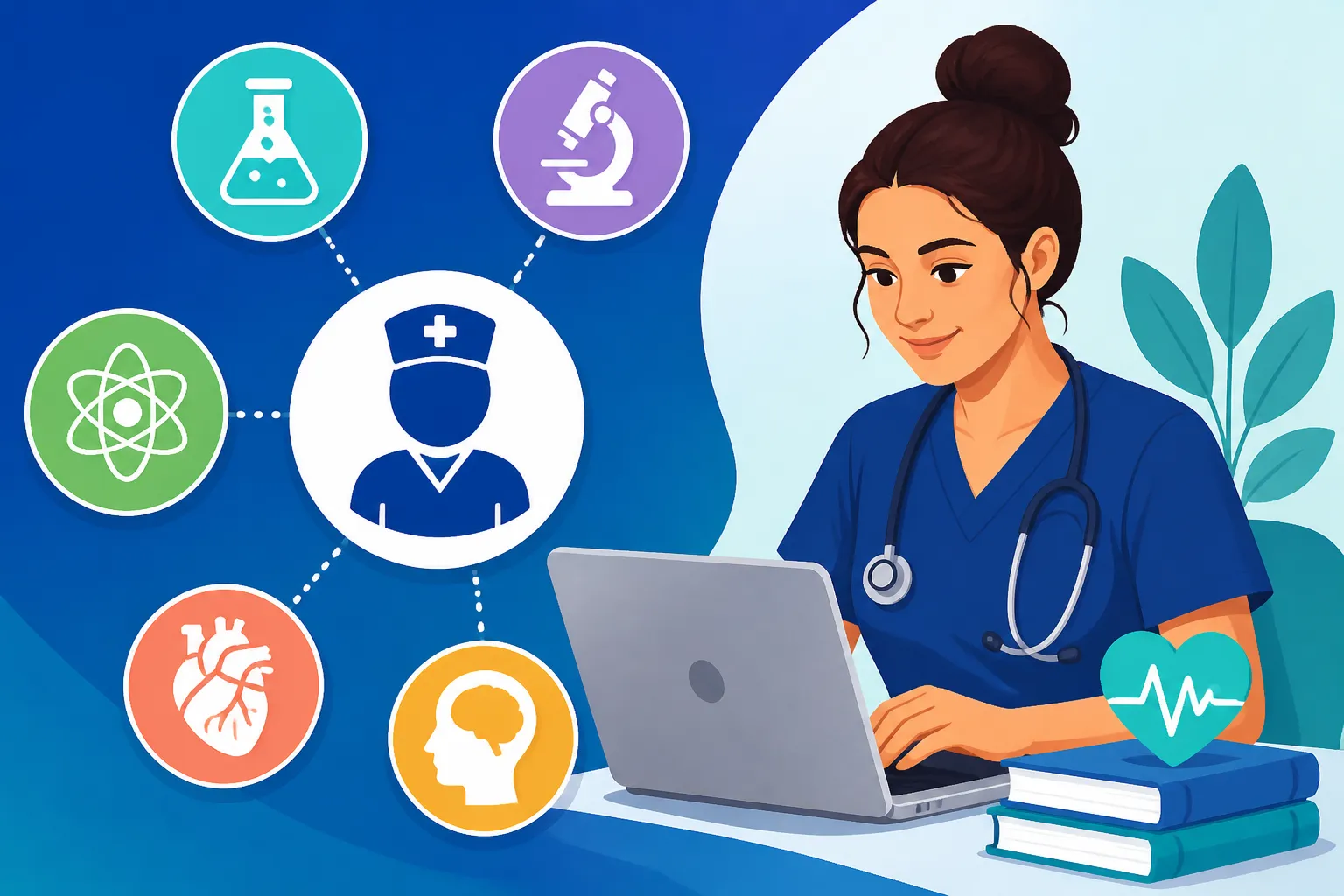
Figuring out which classes you need before you can even apply to an Accelerated BSN (ABSN) program can feel like navigating a complex maze, especially when you're eager to fast-track your nursing career. It's a common source of confusion and frustration for many aspiring nurses. This comprehensive guide is here to demystify those crucial prerequisites, breaking down the common courses you'll need, why they're important, and how to successfully prepare for them so you can confidently apply to the program of your dreams.
Laying the Groundwork: Why Accelerated BSN Prerequisites Matter
Embarking on an Accelerated BSN program is a significant commitment, a whirlwind of intensive learning designed to transform you into a competent registered nurse in a compressed timeframe. But before you can dive into advanced nursing theory and clinical rotations, there's a set of foundational knowledge you absolutely need to have in place. These aren't just arbitrary hoops to jump through; they're the bedrock upon which your entire nursing education will be built.
The Critical Role of Prerequisites in Your Success
Think of prerequisites as the essential tools in your toolkit. Without a solid understanding of subjects like anatomy, physiology, and microbiology, you'd struggle immensely to grasp complex nursing concepts related to disease processes, pharmacology, and patient assessment. ABSN programs are, by nature, intense and fast-paced. They don't have the luxury of spending extra time reviewing basic science concepts. They assume you arrive with that knowledge firmly in hand, ready to apply it immediately to nursing contexts. This is why universities have specific Accelerated BSN Requirements that often include rigorous prerequisite coursework.
For example, when you learn about cardiac medications in an accelerated program, your instructors expect you already know the structure and function of the heart (thanks, A&P!). If you're struggling to remember the difference between arteries and veins, you'll fall behind quickly. These foundational courses ensure that when you hit the ground running, you're not just running, but you're running with purpose and understanding. They set you up for success, not just in passing exams, but in truly understanding the "why" behind nursing care.
Distinguishing General Education from Core Science Prerequisites
It's helpful to understand that prerequisites typically fall into two main categories: the core sciences and general education courses. While both are necessary, they serve slightly different purposes in your preparation for an ABSN.
General education requirements are often broader liberal arts or humanities courses, like English composition, public speaking, or sociology. These courses hone your critical thinking, communication skills, and understanding of diverse populations – all vital for holistic nursing practice. They ensure you're a well-rounded professional who can communicate effectively with patients, families, and colleagues, and approach patient care with empathy and a broader perspective. Many schools require a certain number of general education credits, which might include specific courses like developmental psychology, to be completed before admission.
On the other hand, core science prerequisites are the non-negotiables. These are the highly specific biology, chemistry, and anatomy courses that directly inform your understanding of the human body, disease, and medical interventions. While some variation exists between programs, especially regarding specific chemistry requirements, the core science prerequisites are remarkably consistent across nearly all accredited ABSN programs. They are the gatekeepers, ensuring you have the scientific literacy required to handle the rigorous demands of a nursing curriculum. Understanding how these courses differ is key to preparing your application strategically.
The Indispensable Science Prerequisites for an ABSN
When it comes to Accelerated BSN programs, the science courses are often the most daunting, but they are undeniably the most critical. These aren't just casual electives; they are intensive studies that demand your full attention and a strong grasp of scientific principles. Getting good grades in these courses demonstrates to admissions committees that you have the intellectual capacity and dedication to handle the academic rigor of an accelerated program.
Anatomy and Physiology I and II with Lab
Ask any nursing student or professional, and they'll tell you that Anatomy and Physiology (A&P) is the cornerstone of their education. These courses, typically taken as two separate parts (A&P I and A&P II), cover every system of the human body, from the microscopic structures of cells to the macroscopic functions of organs.
- Why it's Crucial: A&P provides the fundamental knowledge of how the body is built and how it functions in health. Without this detailed understanding, it's impossible to grasp pathology (diseases), pharmacology (how drugs affect the body), or proper patient assessment techniques. For instance, understanding the intricate electrical pathways of the heart in A&P is essential before you can learn to interpret an EKG or administer cardiac medications. Similarly, knowing the structure of the lungs is paramount to understanding respiratory conditions like asthma or pneumonia.
- What to Expect: Most programs require both A&P I and A&P II, each typically carrying 3-4 credits with an accompanying lab component, totaling 8 credits or more. The lab is non-negotiable for most programs; it offers hands-on experience with models, dissections, and microscopic slides, solidifying your theoretical knowledge. Many ABSN programs are very specific about the recency of these courses, often requiring them to be completed within the last 5-10 years. You'll often need a minimum grade of a B or higher in each course, reflecting the competitive nature of Accelerated BSN GPA Requirements. If you're looking for more depth, consider our guide on Anatomy and Physiology for Accelerated BSN.
Microbiology with Lab
The world of microorganisms might seem distant, but it's incredibly relevant to nursing practice. Microbiology is the study of bacteria, viruses, fungi, and parasites, and how they interact with the human body, causing infection and disease.
- Why it's Crucial: As a nurse, you'll be on the front lines of infection control, wound care, and disease prevention. Understanding the principles of microbiology is absolutely essential for knowing why we wash our hands, how antibiotics work, and how to prevent the spread of healthcare-associated infections. It informs everything from sterile technique in the operating room to managing a patient with sepsis in the ICU. When a patient presents with a fever, knowing common pathogens and their modes of transmission is vital for providing appropriate care.
- What to Expect: This course usually carries 3-4 credits and almost always includes a laboratory component. In the lab, you'll learn culturing techniques, staining methods, and how to identify different microbes, giving you practical insight into diagnostic processes. Similar to A&P, a minimum grade of a B is often required. Keep in mind that many institutions also have a recency requirement for microbiology to ensure your knowledge is current. You can learn more about this specific requirement in our article, Microbiology Prerequisite Explained.
Chemistry with Lab
Chemistry might not immediately scream "nursing," but it's foundational to understanding how the human body works at a molecular level and how medications interact within that system.
- Why it's Crucial: From fluid and electrolyte balance to acid-base regulation, and especially pharmacology, chemistry underpins much of what you'll learn in nursing school. When you administer a medication, understanding its chemical properties and how it will be metabolized and excreted in the body is directly related to basic chemistry principles. It helps you understand why certain drug combinations are dangerous or why specific lab values indicate a problem. It provides the logic behind many physiological processes and medical treatments.
- What to Expect: Most ABSN programs require one semester of general chemistry with a lab (often 4 credits), though some might specify organic chemistry or biochemistry, or even a specific "chemistry for health sciences" course. It's crucial to check the exact requirements of each program you're interested in, as this is where some of the biggest variations among Accelerated BSN Prerequisites Explained can occur. Again, expect to need a B or higher, and verify any recency policies.
Key Non-Science Prerequisites for a Well-Rounded Nurse
While the sciences form the skeleton of your nursing education, non-science prerequisites provide the essential muscle and connective tissue, ensuring you're not just clinically competent but also a compassionate, effective communicator and critical thinker. These courses often bolster the soft skills that are indispensable in patient care and professional interactions.
Statistics
Don't let the word "math" scare you off! Statistics is far more than just numbers; it's about understanding data, critically evaluating research, and applying evidence-based practice to patient care.
- Why it's Crucial: In modern nursing, relying on evidence-based practice is paramount. You'll constantly encounter research studies, clinical trials, and patient outcome data. A solid understanding of statistics allows you to critically appraise this information, discern reliable studies from questionable ones, and apply the best available evidence to your patient care decisions. It also helps you understand quality improvement initiatives within healthcare settings and interpret patient population health trends. For instance, understanding the statistical significance of a new treatment protocol helps you advocate for its implementation or question its efficacy.
- What to Expect: A basic college-level statistics course (3 credits) is a common requirement. It typically covers topics like descriptive statistics, probability, hypothesis testing, and data interpretation. Some programs might accept a higher-level math course, but statistics is generally preferred due to its direct relevance to research and data analysis in nursing.
Developmental Psychology or Lifespan Development
Nursing isn't just about treating diseases; it's about caring for individuals across their entire lifespan, each with unique psychological, social, and emotional needs.
- Why it's Crucial: This course equips you with an understanding of human growth and development from infancy through old age. Knowing the typical cognitive, emotional, and social milestones at each stage helps you tailor your communication, education, and care plans to be age-appropriate and sensitive. For example, knowing the psychological impact of hospitalization on a toddler versus an adolescent allows you to provide more empathetic and effective support. It’s also invaluable for What You Learn in an RN to BSN Program when applying to future education.
- What to Expect: Typically a 3-credit course, it delves into theories of development (e.g., Erikson, Piaget), the challenges and transitions at different life stages, and how various factors (culture, family, environment) influence an individual's journey. This knowledge is fundamental for therapeutic communication and providing holistic care.
English Composition and Communication
Nurses are constantly communicating, whether it's through detailed charting, patient education, or collaborating with a multidisciplinary team. Strong communication skills are non-negotiable.
- Why it's Crucial: Your ability to write clearly, concisely, and accurately is vital for patient documentation, care plans, and professional correspondence. Misinterpretations due to poor writing can lead to serious errors in patient care. Similarly, effective verbal communication is essential for interviewing patients, explaining complex medical information in an understandable way, providing patient education, and advocating for your patients. Nursing involves constant interaction, and how you articulate yourself directly impacts patient safety and satisfaction. Imagine trying to explain complex post-op instructions to a worried family without clear, empathetic language.
- What to Expect: Most programs require 3-6 credits of English composition, focusing on academic writing, critical analysis, and proper citation. Some may also require a public speaking or general communication course (3 credits), which further develops your ability to present information effectively and engage in professional dialogue. These courses often seem generic but are absolutely fundamental to becoming a competent nurse.
Other Essential Requirements and Smart Strategies for Your Application
Beyond the core academic prerequisites, many Accelerated BSN programs have additional considerations or preferences that can significantly impact your application. Being aware of these and planning accordingly can give you a competitive edge. This is where researching individual programs, like those listed in Best Online Accelerated BSN Programs, really pays off.
Considering Additional Courses or Experience
While the aforementioned courses are the most common accelerated BSN prerequisites, some programs might have a few extra requirements or strongly recommend certain experiences.
- Nutrition: Some programs require a dedicated nutrition course (often 3 credits), as understanding dietary needs, therapeutic diets, and the role of nutrition in health and disease is fundamental to nursing care. If it's not required, it's still a highly valuable course to take, as it will give you a leg up in your nursing studies.
- General Psychology or Sociology: Beyond developmental psychology, a general psychology course (3 credits) can provide a broader understanding of human behavior, mental health, and psychological disorders, which is incredibly useful in all areas of nursing. Similarly, sociology offers insights into societal structures, health disparities, and cultural influences on health, all crucial for providing culturally competent care.
- Healthcare Experience: While not always a strict prerequisite, many competitive ABSN programs strongly prefer applicants with some form of direct patient care experience. This could be as a Certified Nursing Assistant (CNA), Emergency Medical Technician (EMT), medical assistant, or even volunteer work in a hospital setting. This experience demonstrates your commitment to nursing, exposes you to the realities of healthcare, and often provides invaluable insights into patient interactions. It shows you're not just interested in the idea of nursing, but you've actively sought to understand the profession firsthand.
- Basic Life Support (BLS)/CPR Certification: While typically required before starting clinical rotations rather than for admission, it's a good idea to get your BLS certification (often through the American Heart Association or American Red Cross) early. It's a fundamental skill for all healthcare professionals.
Achieving a Competitive GPA and Strengthening Your Application
Accelerated BSN programs are notoriously competitive. Simply meeting the minimum prerequisite requirements often isn't enough; you need to stand out.
- GPA is Key: Most ABSN programs look for a strong overall GPA, often 3.0 or higher, but they pay even closer attention to your science prerequisite GPA, frequently requiring a 3.0 or even a 3.5 in those critical courses. If your science GPA isn't where you want it to be, consider retaking courses to improve your grade or taking additional science courses to demonstrate your academic capability. Showing an upward trend in your grades can also be beneficial.
- Strategic Course Selection and Study Habits: When you're tackling these demanding prerequisites, especially science courses, it’s crucial to treat them as seriously as you would your actual nursing courses. This means employing rigorous study habits, seeking tutoring when needed, and forming study groups. Remember that the knowledge you gain in these courses will be continuously built upon, so a superficial understanding won't cut it. For robust studying and to ensure long-term retention of this critical information, resources like UWorld can be incredibly helpful. While primarily known for NCLEX preparation, its extensive question bank and detailed rationales can be used to test your understanding of foundational science concepts (like A&P, microbiology, and chemistry applied to health scenarios) as you progress through your academic journey, solidifying the knowledge you'll need for future success in your ABSN and beyond.
- Beyond the Transcript: Your application is more than just grades. A compelling personal statement that articulates your passion for nursing, strong letters of recommendation from professors or supervisors who can speak to your academic potential and work ethic, and any relevant healthcare experience can significantly bolster your application. Highlighting your resilience, critical thinking skills, and commitment to patient care can make a huge difference in distinguishing you from other applicants, especially when many candidates meet the basic Accelerated BSN Admission Requirements. For more insights, check out our guide on How to Get into an Accelerated BSN Program.
Here's a quick look at common prerequisites:
| Prerequisite Course | Typical Credits | Minimum Grade Usually Required | Why It's Crucial |
|---|---|---|---|
| Anatomy & Physiology I (with lab) | 3-4 | B | Fundamental understanding of body structure and function. |
| Anatomy & Physiology II (with lab) | 3-4 | B | Deeper dive into body systems; essential for pathology and pharmacology. |
| Microbiology (with lab) | 3-4 | B | Knowledge of infectious agents, disease prevention, and treatment. |
| Chemistry (with lab) | 3-4 | B | Basis for understanding physiological processes, fluid balance, and medication action. |
| Statistics | 3 | C (often B preferred) | Essential for evidence-based practice and interpreting research. |
| Developmental Psychology | 3 | C (often B preferred) | Understanding human growth and development across the lifespan. |
| English Composition I & II | 3-6 | C | Strong written communication for charting, care plans, and professional reports. |
| General Psychology | 3 | C | Broader understanding of human behavior and mental health. |
| Nutrition | 3 | C | Role of diet in health, disease, and therapeutic interventions. |
Remember, every program has its unique nuances, so always verify the specific prerequisites and expectations directly with the admissions office of each accelerated BSN program you're considering. It’s an investment in your future, and preparing thoroughly now will make your journey through the ABSN program much smoother and more successful.
Disclaimer
The information provided in this article is intended for general informational purposes only and does not constitute professional educational or career advice. While we strive to provide accurate and up-to-date information, program requirements, prerequisites, and admissions criteria for Accelerated BSN programs can vary significantly by institution and may change. Always consult directly with the admissions office or academic advisors of your desired nursing programs to confirm specific requirements and ensure eligibility.