Accelerated BSN Requirements
Deciding to pursue an Accelerated Bachelor of Science in Nursing (ABSN) is a huge step, often driven by a deep desire to make a real difference in healthcare. But let's be honest, the thought of all the application requirements can feel incredibly overwhelming, like staring at a mountain of paperwork while juggling your current life. Many aspiring nurses find themselves utterly confused about what's really needed to get into these fast-paced, competitive programs. This comprehensive guide is here to cut through that confusion, giving you a clear, detailed roadmap of every requirement you'll face on your journey to an ABSN.
Understanding the Accelerated BSN Landscape
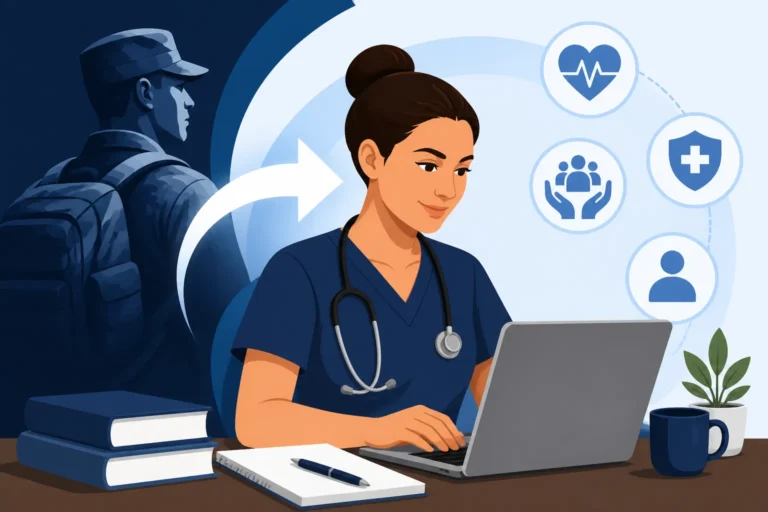
Venturing into an Accelerated BSN program is a unique path in nursing education, specifically designed for individuals who already hold a bachelor's degree in a non-nursing field. It's not just another nursing degree; it's a fast-track, intensive program that recognizes your prior academic achievements and focuses on building your nursing knowledge and clinical skills in a condensed timeframe. This means that while the core nursing content is robust, the foundational general education requirements are often considered met by your first degree.
What Makes ABSN Programs Unique?
The unique nature of ABSN programs really boils down to their compressed schedule and the demographic they serve. Unlike traditional four-year BSN programs that ease students into nursing concepts over eight semesters, an ABSN program packs all that essential learning into a much shorter period, typically 12 to 18 months. This intensity means that students hit the ground running, engaging with complex material and demanding clinical rotations almost immediately. It’s an ideal option for motivated career changers who are ready to fully immerse themselves in their studies.
For example, imagine Sarah, a former marketing professional with a degree in communications. She felt unfulfilled and realized her passion lay in patient care. A traditional BSN would mean starting from scratch, potentially spending another four years in college. An ABSN, however, allowed her to leverage her existing bachelor's degree, bypass many general education courses, and complete her nursing education in a little over a year, significantly speeding up her career transition. This is the core appeal: efficiently pivoting into a rewarding nursing career.
Who is an ABSN For?
An ABSN program is specifically tailored for individuals who are making a significant career change or who realized their calling to nursing later in life. It's not for everyone, and programs are selective for a reason. Successful ABSN candidates usually possess a strong academic record from their first degree, a demonstrated ability to handle rigorous coursework, and a clear understanding of the demands of the nursing profession. They're often highly motivated, disciplined, and prepared for a challenging academic journey.
Consider Michael, who earned a biology degree years ago but ended up in pharmaceutical sales. While successful, he yearned for direct patient interaction and a more impactful role. With his science background and a desire for a quicker entry into nursing, an ABSN was the perfect fit. He understood that while his previous degree covered some prerequisites, the pace would be intense. He was ready for that commitment. These programs look for that blend of academic preparedness and an unwavering commitment to the nursing field.
General Academic Prerequisites for ABSN Programs
Before you can even think about submitting your application, you'll need to ensure your academic foundation is solid. ABSN programs, while accelerated, demand a specific set of undergraduate coursework to prepare you for the intensity of nursing theory and clinical practice. These aren't just arbitrary hoops to jump through; they are foundational courses designed to ensure you have the scientific and analytical skills necessary to succeed.
Prior Bachelor's Degree Requirement
The most fundamental requirement for an Accelerated BSN program is, of course, already holding a bachelor's degree. This degree can be in any field, from liberal arts to engineering, as long as it's from an accredited institution. This prior degree is what allows you to bypass many of the general education requirements that traditional BSN students undertake. It signifies that you've already proven your ability to complete a rigorous academic program and possess a broad knowledge base.
For instance, if you have a Bachelor of Arts in English from the University of California, Berkeley, that counts! The program isn't looking for a specific major, but rather the completion of a four-year degree. This prerequisite acknowledges your general academic aptitude, critical thinking skills, and ability to manage a college-level workload, which are all crucial for handling the demanding schedule of an ABSN program. Without this first degree, you would typically need to pursue a traditional BSN path or an ADN vs BSN: Key Differences program before considering an RN to BSN.
Core Science Prerequisites
This is where many prospective ABSN students focus their attention, and for good reason. ABSN programs have strict science course prerequisites that must be completed, usually within a certain timeframe (e.g., the last 5-10 years) and with a minimum grade (often a B or higher). These courses provide the essential scientific understanding that underpins nursing practice. They include:
- Anatomy & Physiology (A&P I & II with labs): Understanding the structure and function of the human body is non-negotiable. These courses often cover everything from cells and tissues to organ systems, and the labs are critical for hands-on learning. Many programs, like those at Drexel University, are very specific about requiring both lecture and lab components.
- Microbiology (with lab): This course is vital for comprehending infectious diseases, sterile techniques, and pharmacology – all central to patient safety and care.
- Chemistry (General, Organic, or Inorganic, often with lab): A basic understanding of chemical principles is essential for grasping drug actions, fluid and electrolyte balance, and metabolic processes. Some schools, like the University of Texas Arlington, might specify a particular type of chemistry.
- Nutrition: While sometimes considered a general education course, it's often a core science requirement for nursing, as diet and nutrition play a crucial role in health and recovery.
It's not uncommon for applicants, even those with science-heavy first degrees, to find they need to take an extra A&P II or a specific chemistry course to meet a program's exact demands. Remember that these courses need to be college-level and taken at an accredited institution. If you're unsure if a previous course counts, always contact the admissions office directly. They can provide clarity on Accelerated BSN Prerequisites Explained and ensure you're on the right track.
Non-Science General Education Requirements
While your prior bachelor's degree covers many general education categories, ABSN programs usually still require a few specific non-science courses that are directly relevant to nursing practice and patient communication. These typically include:
- Developmental Psychology (Lifespan Development): This course helps nurses understand human growth and development from infancy through old age, which is crucial for providing age-appropriate care. You'll learn about cognitive, emotional, and social changes that occur across the lifespan.
- Statistics: Essential for understanding research, evidence-based practice, and data analysis in healthcare. Nursing practice is increasingly driven by data, so a solid grasp of statistics is invaluable.
- English Composition/Writing: Even with a previous degree, strong communication skills are paramount in nursing. Some programs may require a specific level of college writing or a communications course.
- Sociology or Cultural Anthropology: These courses help foster cultural competence and an understanding of societal influences on health, which is critical for holistic patient care in diverse communities.
Applicants often find they've already completed many of these during their first degree, but it's crucial to cross-reference your transcripts with each program's specific list. If you find yourself needing to pick up a statistics course, consider taking it online at a community college that offers transferable credits, as this can often be a more flexible and affordable option than a university course.
Non-Academic and Application Requirements
Beyond your transcripts and prerequisite courses, ABSN programs want to see who you are as a person and what drives your commitment to nursing. These non-academic requirements are your chance to showcase your passion, professionalism, and readiness for the rigorous journey ahead. They often serve as crucial differentiators among highly qualified applicants.
Letters of Recommendation
Most ABSN programs will require at least two, often three, letters of recommendation. These letters provide an external perspective on your character, work ethic, academic abilities, and suitability for a demanding program and the nursing profession. Who you choose to write these letters is incredibly important.
Ideally, you'll want a mix of academic and professional references. An academic reference should come from a professor who taught you in a science prerequisite course or your previous bachelor's degree program and can speak to your intellectual curiosity, study habits, and ability to handle challenging material. A professional reference could be a supervisor from a past job, especially one where you demonstrated responsibility, teamwork, and communication skills. If you have any healthcare experience, a supervisor or a nurse you shadowed would be an excellent choice. Avoid personal references from family or friends, as these rarely carry weight. Always give your recommenders ample time, provide them with your resume, personal statement, and details about the program, and follow up courteously.
Personal Statement or Essay
This is your opportunity to tell your story, to explain why you want to become a nurse and why an ABSN program is the right fit for you. Admissions committees are looking for genuine passion, self-awareness, and a clear understanding of the nursing role. Your essay should be well-written, articulate, and specific.
Think about:
- What experiences led you to nursing? Was there a specific moment, person, or event that sparked your interest?
- What qualities do you possess that will make you a successful nurse and ABSN student? (e.g., empathy, resilience, critical thinking, time management).
- Why this specific program? What aspects of their curriculum or mission resonate with you?
- How will you manage the intensity of an accelerated BSN? Be realistic but confident.
A compelling personal statement can make a huge difference, especially if your GPA isn't perfect or if you're coming from a non-traditional background. It allows you to demonstrate your critical thinking skills and your ability to communicate effectively, both vital for nursing. Many applicants struggle with crafting this, so don't be afraid to seek feedback from trusted mentors or writing centers.
Resume or CV
Your resume or CV provides a snapshot of your educational and professional journey. For ABSN programs, it should highlight experiences that demonstrate your readiness for nursing, even if they aren't directly clinical. Include:
- Academic History: All degrees, institutions, and relevant coursework.
- Work Experience: Detail your responsibilities and transferable skills (e.g., customer service, problem-solving, teamwork, leadership).
- Volunteer Work: Any volunteer experience, especially in healthcare settings, is highly valued. This shows initiative and exposure to the healthcare environment.
- Shadowing Experiences: If you've had the opportunity to shadow a nurse, definitely include this. It demonstrates your commitment and understanding of the role.
- Certifications: CPR, First Aid, CNA, or any other relevant certifications.
The goal is to show a progression of experiences that have shaped your desire to become a nurse and equipped you with skills that will contribute to your success in the program. Even a seemingly unrelated job can highlight critical transferable skills like attention to detail or managing multiple priorities, which are essential in nursing.
Standardized Tests and Background Checks
Some, though not all, ABSN programs may require standardized tests like the TEAS (Test of Essential Academic Skills) or the HESI A2 (Health Education Systems Inc. Admission Assessment Exam). These tests assess basic academic skills in areas like reading, math, science, and English language usage, ensuring you have the foundational knowledge to handle nursing school curriculum. Always check individual program requirements, as some, especially highly competitive ones, may still utilize these. Uworld is a popular resource for preparing for nursing exams, including the NCLEX, but they also offer robust study materials for prerequisite entry exams like the TEAS and HESI, which can be incredibly helpful.
Beyond academic assessments, once you're accepted, you'll almost certainly undergo a criminal background check and drug screening. This is standard practice in healthcare education and employment to ensure patient safety and compliance with clinical site requirements. Disclosing any past issues upfront, if applicable, is always better than having them discovered later in the process.
Specific Coursework Requirements Explained
Delving deeper into the prerequisite coursework, it’s not just about taking any science class; it’s about meeting the specific content and credit hour demands of each individual program. This level of detail often catches applicants off guard, leading to delays if courses need to be retaken or supplemental classes found.
Anatomy and Physiology Components
For most ABSN programs, Anatomy & Physiology (A&P) is considered the cornerstone of your science preparation. It's almost universally required to be a two-part series (A&P I and A&P II), and critically, both parts must include a lab component. This isn't just a suggestion; it's a non-negotiable standard. Why? Because understanding how the body works, both structurally and functionally, from the cellular level to complex systems, is fundamental to every aspect of nursing care.
For example, when you learn about the cardiovascular system in A&P II, you're not just memorizing parts of the heart; you're grasping concepts like blood flow, pressure regulation, and electrical conduction, which are directly applicable to monitoring vital signs, administering cardiac medications, and recognizing life-threatening arrhythmias in a clinical setting. Many universities, like Grand Canyon University, will explicitly state that a combined A&P course (where both parts are taught together in one semester) may not be accepted unless it can be demonstrated to cover the full scope of a two-semester sequence. Always verify the credit hours and course descriptions against your target program's requirements.
Microbiology and Chemistry Details
Microbiology is another critical science prerequisite, almost always requiring a lab. This course helps you understand pathogens, infection control, and the mechanisms of various diseases. Nurses are at the forefront of preventing and managing infections, so a strong grasp of microbiology is indispensable. You'll learn about bacteria, viruses, fungi, and parasites, and how they interact with the human body, which is foundational for understanding disease transmission and antibiotic therapies.
Chemistry prerequisites can sometimes vary more than A&P or microbiology. Some programs, particularly those at larger universities, might specify general chemistry, while others might accept organic or even biochemistry. The key is to ensure it's a college-level course, usually with a lab, that provides a solid foundation in chemical principles relevant to biological systems. For example, understanding pH balance (acids and bases) from a chemistry course is directly applied to understanding arterial blood gases and electrolyte imbalances in patients. If your undergraduate degree was in a non-science field, you might need to take these courses at a community college or through an extension program. This can be a great way to meet Accelerated BSN Prerequisites You Need without committing to another full university semester.
Social Science and Humanities Relevance
While less overtly "science-y," social science and humanities courses are equally vital for developing a well-rounded nurse. Developmental psychology, for instance, provides a framework for understanding patients across the lifespan, from pediatric care to geriatrics. Knowing the psychological and social milestones of different age groups helps you tailor your communication, interventions, and patient education. Imagine trying to explain a complex medical procedure to a child without understanding their cognitive stage, or providing comfort to an elderly patient without appreciating their unique social and emotional needs.
Similarly, courses in sociology or cultural anthropology foster cultural competence. In today's diverse healthcare landscape, nurses care for patients from myriad backgrounds. Understanding different cultural beliefs about health, illness, and treatment is crucial for providing respectful, effective, and patient-centered care. These courses help you recognize your own biases and develop a more inclusive approach to practice. Statistics, as mentioned earlier, is your gateway to understanding evidence-based practice and research, allowing you to critically evaluate medical literature and apply the best available evidence to your patient care decisions.
GPA Expectations and Strategies for Success
Let's talk about the numbers game. While your overall bachelor's degree GPA is important, ABSN programs often look at specific GPAs that hold more weight, and they set clear minimums. Meeting these numerical benchmarks is a critical part of demonstrating your academic readiness for a program that moves at lightning speed.
Minimum GPA Requirements
Most ABSN programs will state a minimum overall GPA for your previous bachelor's degree, often hovering around a 2.75 to 3.0 on a 4.0 scale. However, this is usually just the minimum to even be considered. The reality is, competitive programs often see admitted students with much higher GPAs, frequently in the 3.5+ range.
What's even more crucial is the prerequisite GPA. This is the GPA calculated only from your required science and sometimes non-science prerequisite courses. Many programs will require a separate minimum for this, often a 3.0 or higher. Some may even stipulate that you must earn at least a C+ or B- in each individual prerequisite course, regardless of your overall GPA for those courses. This means if you have one D in A&P II from years ago, you'll likely need to retake it, even if your other prerequisite grades are excellent. This meticulous approach ensures that your foundational knowledge in core subjects is robust. Checking the Accelerated BSN Admission GPA Requirements for each program is a step you cannot skip.
Calculating Your GPA and Specific Course Grade Minimums
It's vital to understand how each program calculates GPAs. Some might take the highest grade if you've retaken a course, while others might average all attempts. Some may also have a "recency rule," requiring science prerequisites to have been completed within the last 5-7 years. If your A&P was from a decade ago, even with a great grade, you might need to retake it.
Let's illustrate with an example. Sarah, applying to an ABSN program in Florida, had an overall undergraduate GPA of 3.2. However, her prerequisite GPA was a 2.8 because she struggled with Chemistry her freshman year. The program required a minimum prerequisite GPA of 3.0. Sarah realized she needed to retake that chemistry course and perform exceptionally well to meet the threshold. She took an accelerated online chemistry course at a local university extension, earning an A, which boosted her prerequisite GPA to an acceptable level. This strategic move allowed her application to be fully considered.
Here's a simplified table illustrating common GPA expectations:
| Requirement Type | Typical Minimum GPA | Competitive GPA Range | Notes |
|---|---|---|---|
| Overall Bachelor's Degree GPA | 2.75 – 3.0 | 3.4 – 3.8+ | From an accredited institution. |
| Science Prerequisite GPA | 3.0 – 3.2 | 3.5 – 4.0 | Often requires individual course grades of B or higher. |
| Last 60 Credits GPA | 3.0 – 3.5 | 3.6 – 4.0 | Some programs evaluate the most recent credits as an indicator of current academic ability. |
| Individual Prerequisite Grade | C or C+ (minimum) | B or A- (highly recommended) | Many programs require a specific minimum for each course. |
Strategies for Boosting Your Application GPA
If your GPA isn't as high as you'd like, don't despair! There are proactive steps you can take to strengthen your application.
- Retake Low-Grade Prerequisite Courses: This is often the most impactful strategy. If you have a C or lower in a critical science prerequisite, retaking it and earning an A or B demonstrates your improved understanding and commitment. This shows the admissions committee that you're capable of handling rigorous science content.
- Take Additional Upper-Level Science Courses: If your overall GPA is low but your prerequisites are strong, consider taking an advanced biology or human physiology course. Acing a challenging science course shows your current academic prowess.
- Excel in Remaining Prerequisites: If you still have prerequisites to complete, make sure you earn top grades in them. This will contribute positively to your prerequisite GPA.
- Consider a Post-Baccalaureate Program: If your academic record is significantly weak, a formal post-baccalaureate program in sciences can provide a structured way to complete prerequisites and demonstrate your academic readiness.
- Focus on Other Application Components: A compelling personal statement, strong letters of recommendation, and significant healthcare experience can sometimes help offset a slightly lower GPA, especially if you can articulate why your GPA isn't reflective of your true potential.
Remember, your GPA is a significant factor, but it's part of a holistic review. Strong performance in Accelerated BSN Prerequisite GPA courses, combined with an outstanding application, can make you a competitive candidate.
Clinical and Experience Requirements
While an ABSN accelerates your journey, it doesn't mean skipping over crucial real-world exposure. Many programs emphasize or even require certain levels of clinical experience, observation, or healthcare-related activities to ensure you truly understand the demands and realities of the nursing profession. This isn't just about checking a box; it's about confirming your commitment and suitability for a career that often demands resilience and empathy.
Volunteer or Work Experience in Healthcare
Having some form of direct or indirect exposure to a healthcare setting is a significant advantage, and for some programs, it's a mandatory prerequisite. This doesn't necessarily mean you need to be a Certified Nursing Assistant (CNA), although that experience is incredibly valuable. Programs want to see that you've been in a hospital, clinic, or long-term care facility and have a realistic understanding of patient care, the healthcare environment, and the diverse roles within it.
Think about positions like:
- Volunteer at a hospital: Transporting patients, assisting visitors, or even working in the gift shop can provide exposure to the rhythms and environment of a healthcare facility. You'll see nurses in action, interact with patients and families, and gain a sense of the interdisciplinary team.
- Medical Scribe: This role offers direct exposure to patient encounters, medical terminology, and the fast pace of clinical decision-making, providing invaluable insight into provider-patient interactions.
- Patient Care Technician (PCT) or CNA: These roles provide hands-on experience with basic patient care, vital signs, hygiene, and communication. They're excellent for developing practical skills and confirming your passion for direct patient care.
- Emergency Medical Technician (EMT): This provides high-pressure, acute care experience and teaches crucial assessment and intervention skills.
If you don't have direct patient care experience, focus on roles where you've demonstrated empathy, communication, and responsibility, perhaps in roles supporting vulnerable populations or in high-stress customer service environments. The key is to show you understand the human element of care and the demanding nature of the job.
Shadowing Experiences
Shadowing a Registered Nurse (RN) is an excellent way to gain firsthand insight into the daily life of a nurse in various specialties. While not always a strict requirement, it is highly recommended and can significantly strengthen your application. It demonstrates proactive interest and an informed decision to pursue nursing.
When shadowing, try to observe nurses in different settings – a medical-surgical floor, an emergency department, or an outpatient clinic. Pay attention to:
- How nurses interact with patients and families.
- Their communication with physicians and other healthcare team members.
- The critical thinking and problem-solving skills they employ.
- The emotional and physical demands of the job.
Document your experiences, reflecting on what you learned and how it reinforced your desire to become a nurse. This reflection can provide powerful content for your personal statement. For instance, after shadowing an ICU nurse, you might realize the immense responsibility and quick thinking required, and how that aligns with your personality traits.
Health and Technical Standards
Beyond academic and experiential requirements, nursing programs have essential health and technical standards that all students must meet. These are non-negotiable and ensure that you can safely and effectively perform the duties of a student nurse and eventually a licensed RN. These standards generally cover:
- Physical Strength and Mobility: The ability to stand for long periods, lift and move patients, and perform various physical tasks in a clinical setting.
- Manual Dexterity: The fine motor skills needed for procedures like administering injections, inserting IVs, and manipulating small instruments.
- Sensory Abilities: Adequate vision, hearing, and tactile sensation to assess patients, interpret vital signs, and respond to alarms.
- Communication Skills: The ability to communicate effectively, both verbally and in writing, with patients, families, and the healthcare team.
- Emotional Stability: The capacity to cope with stressful situations, maintain composure, and exercise sound judgment in demanding environments.
Before starting clinical rotations, you'll also need to provide documentation of immunizations (e.g., MMR, Varicella, Hepatitis B, Tdap, annual flu shot, COVID-19 vaccination), a recent physical exam, and potentially a Tuberculosis (TB) test. These health requirements are mandated by clinical sites to protect both students and patients. Being aware of these Accelerated BSN Clinical Requirements early on can help you prepare.
Navigating the Application Process
Once you've diligently gathered all your academic and personal qualifications, the actual application process for an ABSN program can still feel like a maze. It requires meticulous attention to detail, adherence to strict deadlines, and often, navigating centralized application systems.
Centralized Application Services (CAS)
Many nursing programs, including ABSNs, utilize a centralized application service like NursingCAS. This system allows you to apply to multiple programs with a single set of transcripts, letters of recommendation, and essays, streamlining the process significantly. While convenient, it also means adhering to NursingCAS's specific submission guidelines and deadlines, which may differ from individual school deadlines.
When using NursingCAS:
- Start Early: Gathering all your transcripts, ordering official copies, and coordinating with recommenders takes time. Don't underestimate this.
- Verify Everything: Double-check that all your courses are entered correctly and that your prerequisite equivalencies are mapped appropriately. A single error can cause delays or even rejection.
- Supplementary Applications: Remember that even if you use NursingCAS, many universities will also require a supplemental application directly through their admissions portal. This often includes program-specific questions or additional essays.
Understanding How to Apply to an RN to BSN Program (which shares many commonalities with ABSN applications) or other nursing programs through these systems is crucial for a smooth application journey.
Application Deadlines and Multiple Start Dates
ABSN programs are known for their multiple start dates throughout the year (e.g., fall, spring, summer). While this offers flexibility, it also means there are several application cycles, each with its own strict deadlines. Missing a deadline for your desired start date can mean waiting another 3-6 months, which can be frustrating when you're eager to get started.
- Research Specific Deadlines: Don't assume all deadlines are the same across programs or even across different start dates within the same program. Check each university's website meticulously.
- Early Bird Gets the Worm: Applying well before the deadline is always a good strategy, especially for competitive programs. It shows your organization and gives admissions staff more time to review your application thoroughly before the last-minute rush.
- Rolling Admissions: Some programs offer rolling admissions, meaning they review applications as they come in rather than waiting for a hard deadline. Even with rolling admissions, applying early is beneficial as seats can fill up quickly.
The Accelerated BSN Application Timeline can vary significantly, so mark your calendar, set reminders, and work backward from your target submission date to ensure everything is completed on time.
The Interview Process
For many competitive ABSN programs, an interview is a standard component of the admissions process. This is your chance to shine beyond your paper application, to demonstrate your communication skills, critical thinking, and genuine passion for nursing in person (or virtually).
Interviews often focus on:
- Motivation for Nursing: Why nursing, and why an ABSN?
- Understanding of the Role: Do you have a realistic grasp of the challenges and rewards of nursing?
- Problem-Solving and Ethical Scenarios: How would you handle common ethical dilemmas or stressful situations in healthcare?
- Teamwork and Communication: How do you collaborate with others and communicate effectively?
- Stress Management: How do you plan to cope with the rigorous demands of an accelerated program?
Prepare by researching the program thoroughly, practicing common interview questions, and thinking about specific examples from your past experiences that highlight your strengths and suitability for nursing. Be authentic, articulate, and confident. For those who feel nervous about interviews, many university career centers offer mock interview sessions that can be incredibly helpful.
Common Challenges and How to Overcome Them
Embarking on an Accelerated BSN journey is exciting, but it's also fraught with potential hurdles. Being aware of these common challenges and proactively planning for them can significantly increase your chances of success both in the application process and throughout the program itself.
The Intensity of the Program
One of the biggest challenges of an ABSN program is its sheer intensity. You're condensing a significant amount of challenging material and clinical hours into a short timeframe. This means heavy coursework, demanding clinical rotations, and often, very little downtime. Students frequently report feeling overwhelmed by the volume and pace of information.
- Pre-program Preparation: Before even starting, consider reviewing your prerequisite materials, especially A&P and pharmacology basics. Resources like Uworld, known for its NCLEX preparation, also offer subject-specific question banks and detailed rationales that can help reinforce foundational knowledge.
- Time Management is King: Develop a strict study schedule and stick to it. Treat your studies like a full-time job (or more!). Prioritize tasks, avoid procrastination, and be realistic about commitments outside of school. You'll want to leverage Accelerated BSN Study Tips that emphasize efficiency and retention.
- Lean on Your Cohort: Your classmates are going through the exact same experience. Form study groups, share resources, and provide emotional support to each other. This camaraderie can be a powerful antidote to feeling isolated or overwhelmed.
Financial Strain and Sacrifices
ABSN programs are an investment, both in time and money. While you're fast-tracking your career, the costs can be substantial, and the intensive schedule often makes it difficult to work full-time, or even part-time, during the program. This can lead to significant financial strain for many students.
- Budgeting and Financial Planning: Before applying, create a detailed budget that accounts for tuition, fees, books, living expenses, and lost income. Explore all possible avenues for funding.
- Explore Financial Aid and Scholarships: Don't assume you won't qualify for assistance. Research Accelerated BSN Financial Aid options, including federal loans, state grants, and nursing-specific scholarships. Many organizations and hospitals offer scholarships for aspiring nurses.
- Employer Sponsorship: If you currently work in healthcare, inquire if your employer offers tuition reimbursement or scholarships for employees pursuing advanced nursing degrees.
- Minimize Expenses: Consider ways to reduce living costs, such as living with family, carpooling, or cooking at home instead of eating out. Every little bit helps.
Balancing Life and Academics
For many ABSN students, particularly those with families or other significant responsibilities, balancing life with the demands of the program is a constant struggle. It requires immense personal sacrifice and strong support systems.
- Communicate with Loved Ones: Sit down with your family and explain the intensity of the program. Discuss how your availability will change and how they can support you. Delegate household tasks, arrange childcare, and set realistic expectations.
- Self-Care is Non-Negotiable: While time will be scarce, carving out even small moments for self-care is crucial to prevent burnout. Whether it's a short walk, meditation, or an hour with a hobby, protect your mental and physical well-being.
- Flexibility and Adaptability: Nursing school will throw curveballs. Be prepared to adapt your study schedule, manage unexpected clinical assignments, and be flexible with your personal plans. The ability to pivot is a valuable skill in nursing itself. For working professionals, specifically seeking out accelerated BSN programs for working nurses that may offer slightly more flexibility, even if still demanding, can be a wise choice.
Remember, thousands of nurses have successfully completed ABSN programs. It's a challenging but incredibly rewarding path. By understanding these requirements and preparing for the common hurdles, you'll be well-equipped to join their ranks.
Disclaimer
Please remember that the information provided in this guide is intended for general informational purposes only and does not constitute professional advice. Nursing program requirements, application processes, and financial aid options can change frequently and vary significantly by institution and state. Always consult the official websites of the nursing programs you are interested in and speak directly with their admissions counselors for the most accurate and up-to-date information.