Best Hybrid Accelerated BSN Programs
Trying to advance your nursing career while juggling work, family, and life's endless demands can feel like an impossible task. Many aspiring BSN-prepared nurses find themselves overwhelmed by the thought of a full-time, on-campus program, or unsure if they can manage a purely online format without any hands-on guidance. If this resonates with you, then a hybrid accelerated BSN program might just be the flexible, yet supportive, solution you've been searching for, blending the best of both worlds to get you to your BSN faster.
Understanding Hybrid Accelerated BSN Programs
For many experienced nurses holding an ADN or diploma, or even those coming from a non-nursing bachelor's degree looking to enter the field, the idea of going back to school can be daunting. You know you need that Bachelor of Science in Nursing to open up more career opportunities, higher salaries, and advanced roles, but the traditional classroom model just doesn't fit your life anymore. That's where hybrid accelerated BSN (ABSN) programs shine, offering a flexible pathway that combines the convenience of online learning with essential in-person components.
What Defines a Hybrid ABSN Program
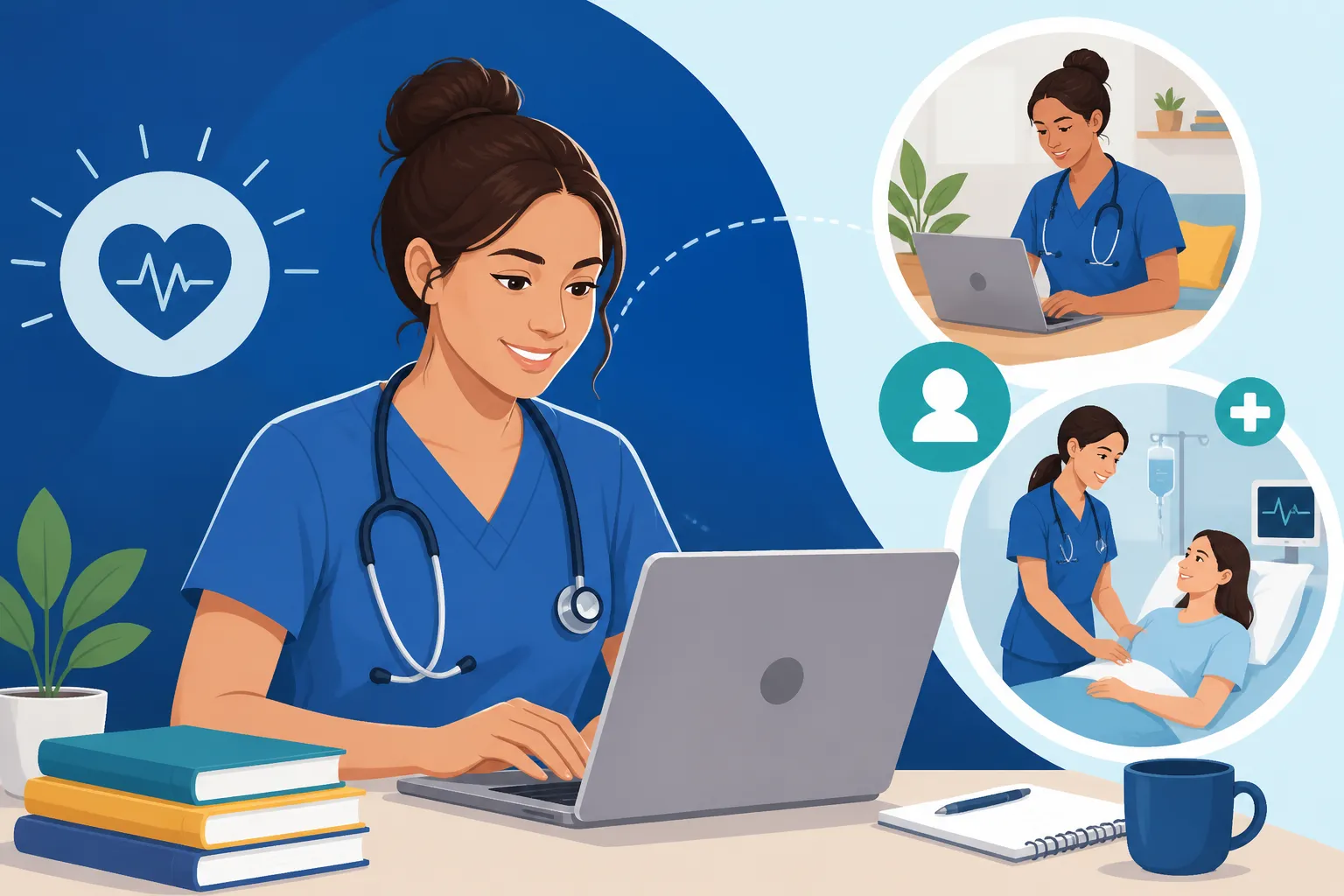
A hybrid accelerated BSN program is essentially a blended learning format. It takes the core curriculum, often delivered through online modules, lectures, and discussion boards, and couples it with crucial on-site experiences. These in-person requirements typically include laboratory skills, simulation experiences, and, most importantly, clinical rotations. The beauty of this model is that it allows students to complete a significant portion of their didactic coursework from home, on their own schedule, while still getting the hands-on practice and direct patient care experience that nursing absolutely demands. It's not a fully online program, nor is it a traditional campus-based one; it's a careful balance designed to maximize both flexibility and practical preparation.
For someone already working as an RN or coming from another field, this balance can be a game-changer. Imagine studying pathophysiology from your living room after your kids are asleep, then heading to a local simulation lab on a Saturday morning to practice your assessment skills. This combination means less time commuting to a physical campus for every single class, freeing up valuable hours in your week. These programs acknowledge that adult learners often have complex lives, and they're structured to support those commitments while still providing a rigorous and comprehensive nursing education.
Who Benefits Most from a Hybrid Learning Model
Hybrid ABSN programs are truly a sweet spot for several types of students. First, they are ideal for current Registered Nurses (RNs) who already have an ADN or nursing diploma and are looking to complete their BSN. For these nurses, much of their foundational clinical knowledge is already established, but they need to round out their theoretical knowledge, leadership skills, and community health perspectives. A hybrid model allows them to continue working, often full-time, while pursuing their degree, as they often have more autonomy over their online study hours.
Secondly, these programs are incredibly beneficial for individuals with a bachelor's degree in a non-nursing field who are looking for a career change. Many have already completed general education and prerequisite courses, making them eligible for the "accelerated" aspect. They appreciate the online flexibility for theoretical courses but absolutely need the structured, in-person clinicals to gain fundamental nursing skills and patient interaction experience they don't yet possess. This blend ensures they receive both the academic rigor and the practical training required to enter the nursing workforce confidently. They often ask, "How Hard Is an Accelerated BSN?" and the answer often points to the intensity of combining online study with demanding clinical rotations, making the hybrid model a popular choice for structured support.
Finally, individuals who thrive with a bit of structure and direct interaction, but also cherish their independence, will find hybrid programs particularly appealing. If you've tried purely online learning and felt isolated, or if you know you need the accountability of scheduled in-person labs and clinicals, a hybrid format offers that perfect blend. It provides opportunities for face-to-face engagement with instructors and peers, which can be invaluable for clarifying complex concepts and building a professional network, all while fitting into a busy lifestyle.
Benefits and Challenges of Hybrid ABSN Programs
Deciding on a nursing program is a huge commitment, and weighing the pros and cons of any format is crucial. Hybrid accelerated BSN programs offer a unique blend of flexibility and structure, but they come with their own set of advantages and potential hurdles. It’s important to understand these before diving in.
The Clear Advantages of Blended Learning
One of the biggest benefits of a hybrid ABSN program is the unparalleled flexibility it offers. Imagine not having to commute to campus five days a week for lectures. This can save you countless hours and dollars on gas, parking, and childcare. For working professionals or those with family responsibilities, this schedule adaptability is priceless. You can tackle your online coursework during off-hours, fitting it around your existing commitments, making it easier to balance your responsibilities. Many students find that this flexibility allows them to continue working, albeit sometimes part-time, during their program. You might be wondering, "Can You Work During an Accelerated BSN?" and with hybrid options, the answer is often a qualified yes, depending on the program's intensity and your personal time management skills.
Beyond flexibility, hybrid programs often provide a rich learning environment that combines diverse teaching methods. Online modules might incorporate interactive simulations, video lectures, and discussion forums, catering to different learning styles. When you come to campus for labs or simulations, you get direct, hands-on experience with equipment, manikins, and peer interaction in a controlled setting before entering real-world clinical environments. This blended approach means you’re not just reading about nursing theory; you're actively applying it in a safe space and then taking those skills directly into patient care. This comprehensive approach to learning helps prepare you exceptionally well for the NCLEX exam and your future career. For example, using study tools like Uworld can be incredibly effective when combined with the practical knowledge gained in person.
Furthermore, many students find the in-person components invaluable for building a sense of community and connection. While online discussions are helpful, there's something irreplaceable about meeting your cohort in person, working together on a simulated patient, or sharing experiences during clinical rotations. These connections can provide a strong support system throughout your intense accelerated program and often lead to lasting professional relationships. For many, this social aspect is a key factor in how to survive an Accelerated BSN and successfully complete the program.
Potential Drawbacks and Considerations
While hybrid programs offer significant advantages, they aren't without their challenges. The "accelerated" nature itself means a fast-paced, intense curriculum. Even with online flexibility, the sheer volume of material to cover in a short period can be overwhelming. You'll need exceptional time management skills and self-discipline to keep up with both online assignments and in-person requirements. Procrastination is not an option, as falling behind in one module can quickly snowball into a much larger problem. Students often underestimate the rigorous demands, leading to questions like, "Is an Accelerated BSN Hard?" The answer is usually yes, due to the condensed nature of the material.
Another potential hurdle is the geographical constraint of in-person requirements. While the online portion can be done anywhere, you'll still need to be within a commutable distance of the university or clinical sites for your labs, simulations, and clinical rotations. This might limit your program choices if you live in a rural area or far from major university hubs. You'll need to meticulously plan your schedule around these fixed on-site days, which can still interfere with work or family commitments, even if they are less frequent than a traditional program. It’s vital to investigate the specific Accelerated BSN Clinical Requirements for any program you consider.
Finally, technology can be a double-edged sword. While online learning offers convenience, it requires reliable internet access, a functioning computer, and a basic level of tech proficiency. Technical glitches, slow internet speeds, or unfamiliarity with learning platforms can add stress and hinder your progress. You'll also need to be a highly self-motivated learner, capable of engaging with material independently and reaching out for help when needed, without the constant presence of an instructor in a physical classroom. This autonomy is a core component of the online learning experience and something to consider if you thrive exclusively in traditional, lecture-based environments.
Key Factors to Consider When Choosing a Hybrid ABSN Program
Choosing the right hybrid accelerated BSN program is a decision that requires careful thought and research. With so many options out there, it can feel like a maze, but focusing on a few key factors will help you narrow down your choices and find a program that truly aligns with your goals and lifestyle.
Accreditation and Program Reputation
First and foremost, never compromise on accreditation. An accredited program ensures that your degree will be recognized by state boards of nursing for licensure, by employers for job applications, and by other institutions if you decide to pursue further education, like an MSN or DNP. For nursing, the two main accrediting bodies are the Accreditation Commission for Education in Nursing (ACEN) and the Commission on Collegiate Nursing Education (CCNE). Always verify that the program you're considering holds one of these accreditations. Without it, all your hard work could be for naught.
Beyond national accreditation, consider the program's overall reputation. Research their NCLEX pass rates – a strong indicator of how well they prepare their students for licensure. Look for reviews from current and former students, and see if you can connect with alumni on professional networking sites like LinkedIn to get firsthand insights. A program with a strong reputation often indicates quality instruction, robust clinical placements, and good support systems for students. For example, a program with a consistently high NCLEX pass rate will likely integrate excellent study resources, such as practice questions and rationales, which can be further supplemented by external resources like Uworld during your preparation. Exploring their specific Accelerated BSN NCLEX Pass Rates is a wise step.
Additionally, consider the institution's overall standing. Universities with long-standing nursing programs often have established relationships with healthcare facilities, which can translate into better clinical placement opportunities for students. A reputable institution also typically offers more comprehensive student support services, from academic advising to career counseling, which can be invaluable during an intensive program.
Curriculum Structure and Clinical Experiences
The "hybrid" nature of these programs means the blend of online and in-person components can vary significantly. Some programs might be mostly online with intensive, short-term on-campus sessions for skills labs, while others might have regular weekly in-person components. Dive deep into the curriculum details: How are classes delivered online? What technology is used? What kind of virtual simulations or interactive learning tools are integrated? Understanding the Online Accelerated BSN Programs structure will help you determine if it fits your learning style and technological comfort.
Equally important are the clinical experiences. This is where you gain real-world, hands-on patient care skills. Inquire about how clinical placements are arranged. Does the school secure placements for you, or are you responsible for finding them? What types of facilities will you be assigned to (hospitals, community clinics, long-term care)? What is the ratio of students to clinical instructors? A strong program will have diverse clinical experiences across various specialties, providing a well-rounded foundation. You need to ensure these clinicals are accessible to you geographically and that their scheduling works with your life. Don't hesitate to ask about specific examples of where students complete their rotations, such as major hospitals or community health centers in your region. The Accelerated BSN Clinical Requirements will be a major component of your program, so understanding them fully is essential.
For many, the clinical aspect is the most challenging and rewarding part of an ABSN program. You'll spend countless hours learning to assess patients, administer medications, assist with procedures, and communicate effectively with healthcare teams and families. The quality and accessibility of these experiences are paramount to your success as a future nurse.
Cost, Financial Aid, and Student Support
Let's be real, nursing school is an investment. You need to understand not just the tuition cost, but also fees, books, supplies, and potential travel expenses for those in-person sessions. Compare the How Much Does an Accelerated BSN Cost across different institutions. Don't forget to factor in the cost of living if you need to temporarily relocate or stay overnight for intense on-campus periods. Create a detailed budget to ensure financial feasibility.
Investigate the available financial aid options. Are there specific scholarships for accelerated BSN students or career changers? Does the school offer federal student aid, and what is the application process? Some employers even offer tuition reimbursement, so it’s worth checking with your current or prospective workplace about their policies for supporting advanced education. Exploring Accelerated BSN Financial Aid early can make a huge difference.
Finally, consider the level of student support. An accelerated program is demanding, and you'll benefit immensely from robust support services. Look for programs that offer:
- Academic Advising: Dedicated advisors who understand the unique demands of ABSN students.
- Tutoring Services: Especially helpful for challenging subjects like pharmacology or advanced pathophysiology.
- Career Services: Assistance with resume building, interview preparation, and job placement after graduation.
- Mental Health Resources: The intensity of an ABSN program can be stressful, and access to counseling or wellness support can be crucial for your success.
- Technology Support: Help desk services for online learning platforms and technical issues.
A program that genuinely invests in its students' success, both academically and personally, will make your journey much smoother.
Top Hybrid Accelerated BSN Programs and What Makes Them Stand Out
When searching for the "best" hybrid accelerated BSN programs, it's important to understand that "best" can be subjective and vary greatly depending on your location, prior education, and specific needs. Rather than listing definitive top programs that might not be accessible to everyone, let's explore characteristics of institutions that typically offer strong hybrid models and provide examples of how some universities structure these programs. Always remember to search for Best Accelerated BSN Programs in California or your specific state to find local options.
Characteristics of Excellent Hybrid ABSN Programs
The best hybrid accelerated BSN programs share several common traits that contribute to student success. Firstly, they boast strong accreditation from either the ACEN or CCNE, which is non-negotiable for career advancement and licensure. They also tend to have a proven track record of high NCLEX pass rates, indicating effective curriculum delivery and student preparation. This is often supported by integrating comprehensive review resources, and it's a phase where a study tool like Uworld becomes indispensable for honing test-taking skills.
Secondly, top programs excel in their curriculum design and delivery. They leverage cutting-edge online learning platforms that are intuitive and engaging, offering a mix of synchronous (live virtual classes) and asynchronous (self-paced modules) components. The online content is not merely text-heavy but incorporates interactive simulations, video lectures, and robust discussion forums that foster critical thinking. They also ensure seamless integration between online theory and in-person practical application.
Thirdly, access to high-quality clinical placements and simulation labs is paramount. Excellent hybrid programs have established partnerships with diverse healthcare facilities, from large urban medical centers to specialized community clinics, ensuring students gain broad exposure. Their simulation labs are state-of-the-art, allowing students to practice complex nursing skills in a safe, controlled environment before working with real patients. These programs also provide dedicated support for finding and managing clinical sites, often a major stressor for students. For a clear picture of what's involved, review the details of Accelerated BSN Clinical Requirements for any prospective program.
Finally, strong student support services are a hallmark. This includes personalized academic advising, readily available technical support, career counseling, and mental health resources to help students navigate the intensity of an accelerated program. They often foster a strong sense of community among cohorts, even with blended learning, through online collaboration tools and structured in-person interactions.
Examples of Hybrid Program Structures and Offerings
While a comprehensive list of every "best" program is beyond the scope here, let's look at how some notable institutions approach hybrid ABSN programs, offering insights into what you might find.
For instance, some universities, like Marquette University in Wisconsin, offer a "Direct Entry MSN" program that has a hybrid ABSN component for non-nurses. Their ABSN portion often combines online coursework with a local campus-based skills lab and clinical rotations that students complete in the Milwaukee area. This model allows students to complete their initial nursing licensure requirements in a condensed format before progressing to their Master's, demonstrating a blend of online and local in-person engagement.
Another example can be seen in institutions like Loyola University Chicago, which offers an ABSN program with hybrid elements. While their specific structure may evolve, programs like theirs often utilize online didactic courses to cover foundational theory, allowing students to learn at their own pace for certain modules. However, these programs also mandate a strong in-person component for essential hands-on skills training in simulation labs and extensive clinical rotations at affiliated hospitals and healthcare systems in the greater Chicago metropolitan area. This ensures students develop competencies under direct supervision, bridging the gap between theoretical knowledge and practical application.
Universities such as Northeastern University in Boston also feature accelerated nursing options that incorporate hybrid learning. These programs are often designed for students who already hold a bachelor's degree in another field and are looking to transition quickly into nursing. Their hybrid model typically includes online coursework for theoretical learning, combined with concentrated on-ground clinical experiences and lab work. This structure requires students to be available for specific in-person sessions at designated campus sites and clinical affiliates in the Boston area or other regional campuses where they offer the program. These intensive in-person components are critical for mastering practical skills and direct patient care.
When researching, pay close attention to the number of credits for an ABSN, the program length, and how clinical hours are structured. For instance, some programs might offer more flexibility by allowing clinicals on evenings or weekends, which is a huge benefit for those who need to maintain employment. Others might have very intensive, full-time clinical rotations. Each program's unique blend of online and in-person components will dictate the feasibility for your personal circumstances. Always investigate the Accelerated BSN Requirements thoroughly to ensure a good fit.
| Feature / Aspect | Typical Online Component | Typical In-Person Component | Ideal For | Considerations |
|---|---|---|---|---|
| Course Delivery | Lectures, readings, discussions, assignments, quizzes | Skills labs, simulation exercises, clinical rotations | Self-motivated learners, those with scheduling constraints | Requires strong self-discipline; travel to campus/clinical sites needed |
| Pace | Often self-paced within weekly deadlines for modules | Fixed schedules for labs/clinicals (intensive, mandatory attendance) | Individuals seeking faster degree completion, career changers | High intensity, significant time commitment required |
| Interaction | Online forums, virtual group projects, email/video calls | Direct interaction with instructors, peers, patients | Those who value both independent study and hands-on guidance | Geographic proximity to facilities is key |
| Skill Acquisition | Theoretical understanding of procedures, critical thinking | Hands-on practice, direct patient care, procedural mastery | Developing practical skills in a controlled environment | Requires physical presence and active participation |
| Flexibility | High (study anywhere, anytime for online modules) | Low (fixed dates/times for labs/clinicals) | Balancing education with existing work/family obligations | Must be able to commit to specific in-person dates |
| Cost Implications | May reduce commuting costs | Travel/accommodation for labs/clinicals, materials fees | Budget-conscious students looking to minimize time off work | Variable costs depending on commute and program specifics |
Ultimately, the best hybrid ABSN program for you will be one that is fully accredited, has a strong reputation, offers a curriculum and clinical structure that fits your learning style and logistical needs, and provides ample student support to guide you through this demanding but rewarding journey.
Disclaimer
Please remember that the information provided in this guide is intended for general informational purposes only and should not be considered as professional financial, educational, or career advice. Program details, accreditation status, costs, and availability can change rapidly. Always verify all information directly with the educational institutions and relevant accrediting bodies before making any decisions. Individual experiences and outcomes may vary.