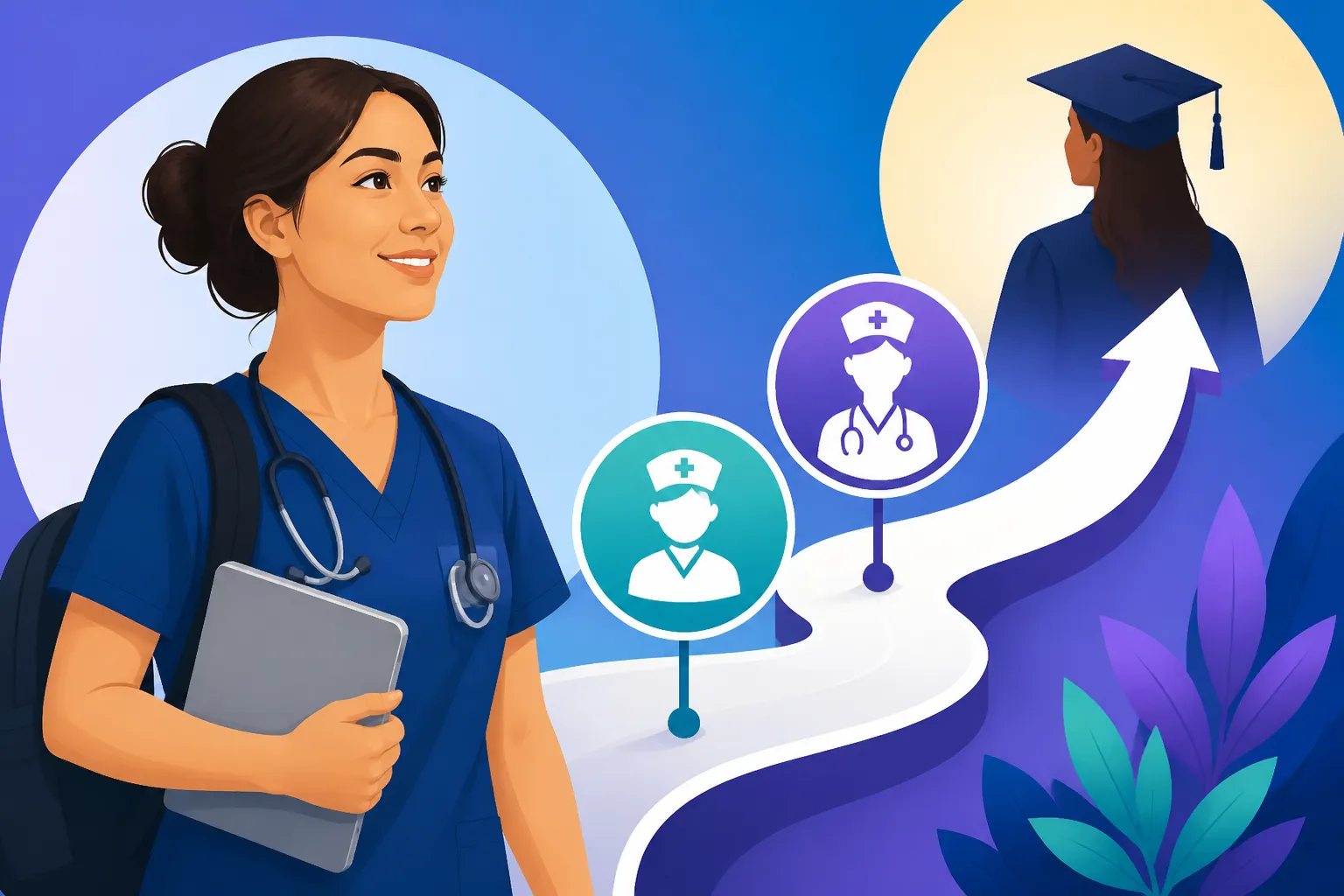
Accelerated BSN Then MSN Path
For many aspiring nurses or those looking to pivot into advanced practice, the traditional, multi-year path to a Master of Science in Nursing (MSN) can feel incredibly long and daunting. You've likely already invested in a degree, maybe even a whole career, and the idea of spending another four to six years in school just to become an RN, let alone an NP, might seem impossible. This guide is here to shed light on a faster, yet still rigorous, route: pursuing an Accelerated BSN (ABSN) as your foundational nursing degree, and then seamlessly transitioning into an MSN program to achieve your advanced nursing career goals.
Understanding the Accelerated BSN Foundation
Embarking on an Accelerated BSN (ABSN) program is a significant step, especially for those who already hold a bachelor's degree in a non-nursing field. It's not just a quick way to get your RN; it's an intensive, immersive experience designed to fast-track you into professional nursing with a strong academic foundation.
What an Accelerated BSN Entails
An Accelerated BSN program is specifically crafted for individuals who already possess a bachelor's degree in a discipline other than nursing. This isn't just a rehash of an ADN program; it's a condensed, full-time curriculum that typically spans 12 to 18 months, packing all the essential nursing theory and clinical practice into a rigorous timeframe. Because you've already completed general education requirements with your first degree, these programs focus almost exclusively on nursing-specific courses, which means there’s little downtime. You'll be diving headfirst into topics like pathophysiology, pharmacology, adult health, pediatrics, and psychiatric nursing, all while gaining hands-on experience through extensive clinical rotations in various healthcare settings. It's a marathon, not a sprint, and requires immense dedication and excellent time management skills, making you wonder, "How Hard Is an Accelerated BSN?"
This intense schedule means that students often find it challenging to work full-time, or even part-time, during their studies. It's designed for full immersion, and programs expect you to treat it as your primary focus. The admissions criteria are often competitive, requiring a strong GPA from your previous bachelor's degree and completion of specific science prerequisites like anatomy, physiology, microbiology, and chemistry. You'll want to thoroughly understand the specific requirements for each institution you're considering, as outlined in guides like Accelerated BSN Requirements. The upside? You emerge with a Bachelor of Science in Nursing, making you eligible to sit for the NCLEX-RN and launch your nursing career swiftly.
The Benefits of Starting with an ABSN
For career changers, or those eager to quickly enter the nursing field with a bachelor's degree, starting with an ABSN offers a compelling array of advantages. First and foremost, it’s the speed. You can become a registered nurse with a BSN in as little as one year, which is significantly faster than a traditional four-year BSN program. This rapid entry into the workforce means you start earning and gaining invaluable clinical experience much sooner, which can be a huge motivator. For many, an ABSN represents a second chance or a purposeful career pivot, and the streamlined nature allows them to pursue their passion without feeling like they’re starting from scratch.
Furthermore, graduating with a BSN positions you favorably in the job market right from the start. Many hospitals, especially those with Magnet status, prefer or even require new hires to hold a BSN. This degree is increasingly seen as the gold standard for entry-level nursing, providing a broader scope of practice and opportunities for leadership roles compared to an ADN. An ABSN also provides an immediate academic stepping stone. The rigorous curriculum not only prepares you for the complexities of modern healthcare but also builds a strong foundation for further academic pursuits, particularly an MSN. It teaches you how to manage a demanding workload, critically think under pressure, and quickly absorb vast amounts of information – all skills that will be incredibly valuable as you consider an MSN program. This initial investment in a BSN is often seen as being well worth it, as explored in discussions around Is an Accelerated BSN Worth It.
The Bridge to a Master of Science in Nursing (MSN)
Once you've successfully completed your Accelerated BSN, passed the NCLEX-RN, and gained some practical experience as a registered nurse, the natural next step for many is to pursue an MSN. This advanced degree opens doors to specialized roles, increased autonomy, and often, significantly higher earning potential.
Why Pursue an MSN After an ABSN
Deciding to pursue an MSN after earning your ABSN is often driven by a desire for greater professional growth, specialization, and leadership opportunities within the healthcare system. An MSN prepares nurses for advanced practice roles like Nurse Practitioner (NP), Clinical Nurse Specialist (CNS), Certified Nurse Midwife (CNM), or Certified Registered Nurse Anesthetist (CRNA). These roles involve a higher level of autonomy, diagnostic and treatment responsibilities, and often, prescriptive authority. Beyond direct patient care, an MSN can also lead to influential positions in nursing education, administration, or informatics. Imagine moving from the bedside to teaching the next generation of nurses, leading a healthcare team, or designing innovative digital health solutions. The career benefits of earning a BSN are numerous, but an MSN amplifies them considerably, as highlighted in "Nursing Degrees and Salaries Explained."
Financially, an MSN can significantly boost your earning potential, making the investment in further education highly worthwhile. Nurse Practitioners, for example, consistently rank among the highest-paying nursing careers. The specialized knowledge and skills gained through an MSN are highly valued, and demand for advanced practice registered nurses (APRNs) is projected to grow much faster than the average for all occupations. This ensures not only better pay but also enhanced job security and a wider array of career choices. For nurses who started with an ABSN, the transition to an MSN can feel like a logical, accelerated progression towards reaching their ultimate career aspirations faster.
Navigating the ABSN to MSN Transition
Transitioning from an ABSN directly into an MSN program is a well-trodden path for many ambitious nurses, but it requires careful planning. Most MSN programs require applicants to hold an active, unencumbered RN license and a Bachelor of Science in Nursing (BSN) from an accredited institution. Your ABSN fulfills this BSN requirement perfectly. Many programs also look for a minimum GPA from your BSN coursework, often around 3.0 or higher. Crucially, most MSN programs will also want to see some clinical experience as a registered nurse, typically one to two years, before admission. This hands-on experience is vital as it provides a practical context for the advanced theoretical knowledge you'll gain in an MSN program.
When it comes to applying, you'll generally need to submit transcripts, a personal statement, letters of recommendation, and potentially GRE scores (though many programs are moving away from this requirement). Because your ABSN was so intensive, it already demonstrates your capacity for rigorous academic work. Look into Online MSN Programs: Complete Guide for flexible options. Be prepared to discuss your nursing philosophy, career goals, and how the MSN will help you achieve them. For those concerned about managing the workload, many institutions offer part-time or online MSN options, which can be invaluable for working nurses. Transfer credits from your ABSN typically don't directly apply to an MSN curriculum, as the MSN is a distinct, higher-level degree focusing on advanced practice or specialized roles, rather than foundational nursing. However, your strong academic record from your ABSN will absolutely showcase your readiness for advanced studies.
Popular MSN Specializations for ABSN Graduates
The beauty of pursuing an MSN after your ABSN is the vast world of specialization it opens up. Whether your passion lies in direct patient care at an advanced level or shaping the future of nursing in a different capacity, there’s an MSN path for you.
Common Advanced Practice Nursing Roles
For many ABSN graduates, the primary draw of an MSN is to become an Advanced Practice Registered Nurse (APRN). The most common APRN roles include:
- Family Nurse Practitioner (FNP): This is one of the most versatile and in-demand specialties. FNPs provide comprehensive primary care to individuals and families across the lifespan, from infants to seniors. They diagnose and treat acute and chronic illnesses, perform physical exams, order and interpret diagnostic tests, and prescribe medications. Your ABSN foundation will serve you well, providing a broad understanding of patient care across various settings. You can learn more about specific roles in "How to Become a Family Nurse Practitioner."
- Psychiatric Mental Health Nurse Practitioner (PMHNP): With a growing mental health crisis, PMHNPs are critically needed. They provide mental health care to individuals, families, and groups, diagnosing mental health conditions, providing psychotherapy, and prescribing psychotropic medications. This path demands a deep sense of empathy and a strong grasp of behavioral health, building on the foundational psychology and therapeutic communication skills from your BSN.
- Adult-Gerontology Nurse Practitioner (AGNP): This specialization focuses on the healthcare needs of adolescents, adults, and older adults. AGNPs can work in either primary care (AGPCNP) or acute care (AGACNP), providing specialized care in hospitals, clinics, or long-term care facilities. The extensive clinical experience gained during your ABSN will be highly beneficial here.
- Pediatric Nurse Practitioner (PNP): If your passion is working with children, a PNP specialization is ideal. PNPs provide primary and specialty care to infants, children, and adolescents, focusing on growth, development, and common childhood illnesses.
Each of these specialties requires a distinct set of clinical hours and coursework, as detailed in MSN Clinical Hours Requirements and explored in Nurse Practitioner Specializations Explained. Preparing for these roles requires not just academic rigor, but also dedication to passing specific certification exams post-graduation, often supported by resources like Uworld's comprehensive review materials for various NP certification boards.
Non-Clinical MSN Paths
While many ABSN graduates gravitate towards APRN roles, an MSN also offers compelling opportunities outside of direct patient care. These paths leverage your clinical knowledge and leadership potential to impact healthcare systems on a broader scale.
- Nurse Educator: If you enjoy teaching and mentoring, an MSN in Nursing Education could be perfect. Nurse educators work in academic settings, teaching future nurses, or in clinical settings, providing staff development and continuing education. Your experience navigating the intense ABSN program gives you unique insight into the learning challenges and triumphs of nursing students.
- Nurse Informaticist: This role bridges the gap between nursing practice and information technology. Nurse informaticists design, implement, and optimize healthcare information systems to improve patient care, efficiency, and safety. Your BSN experience with electronic health records and data collection provides a solid starting point for this tech-focused path.
- Nurse Leader/Administrator: An MSN in Nursing Leadership or Administration prepares you for management positions, overseeing nursing units, departments, or entire healthcare organizations. These roles focus on budgeting, staffing, quality improvement, and policy development. The rapid pace and problem-solving inherent in an ABSN curriculum can uniquely prepare you for the strategic thinking required in these roles.
- Public Health Nurse: While some public health roles are available with a BSN, an MSN in Public Health Nursing or Community Health can prepare you for leadership positions in public health initiatives, epidemiology, or health policy, focusing on improving the health of entire populations.
These non-clinical roles often provide a different kind of impact and can offer more predictable schedules, which can be appealing after the demanding clinical shifts of an RN. Your strong clinical foundation from your ABSN remains invaluable, as all these roles ultimately aim to improve patient outcomes and healthcare delivery.
Practical Considerations for Your Accelerated BSN to MSN Journey
Embarking on the Accelerated BSN to MSN pathway is a challenging yet incredibly rewarding endeavor. It requires careful planning, unwavering dedication, and a realistic understanding of the demands ahead.
Balancing Academics, Work, and Life
Let's be real: pursuing an ABSN and then an MSN while also trying to maintain some semblance of a personal life and potentially a job is no small feat. The ABSN is known for its intensity, often leaving little room for anything else. As you transition to an MSN, especially if you're working as an RN, the juggle becomes even more complex. You'll be balancing advanced coursework, clinical rotations (for APRN paths), your nursing job, family responsibilities, and, hopefully, a little self-care. It's crucial to develop excellent organizational and time management skills. This might mean dedicating specific study blocks each week, leveraging online resources and study aids like Uworld for exam preparation, and clearly communicating your schedule with family and friends.
Many nurses choose to work part-time or per diem during their MSN studies to maintain clinical experience and financial stability without completely overwhelming themselves. Others opt for fully online MSN programs that offer greater flexibility, allowing them to complete coursework around their work shifts. It’s about finding a rhythm that works for you, remembering that this is a temporary period of intense focus for a long-term career benefit. Don't be afraid to lean on your support system, whether that's fellow students, family, or mentors. The journey to become a How Long to Become a Nurse Practitioner isn't just about textbooks; it's about resilience and smart planning.
Financial Planning for Advanced Degrees
The cost of nursing education, from your initial ABSN to your advanced MSN, can be substantial, making careful financial planning absolutely essential. An Accelerated BSN can range anywhere from $20,000 to over $90,000, depending on the institution and location. While your ABSN likely positioned you for a good RN salary, an MSN adds another layer of tuition, fees, and living expenses. MSN programs can cost anywhere from $30,000 to $100,000 or more, again varying significantly by school and specialty.
Fortunately, there are numerous avenues to help fund your advanced education. Many hospitals offer tuition reimbursement programs for their RNs looking to advance their degrees, especially for in-demand specialties. Exploring MSN Financial Aid and Scholarships is a crucial step. Federal financial aid, grants, and scholarships specifically for graduate nursing students are also widely available. Don't overlook professional nursing organizations, which often provide scholarships to their members. Additionally, some universities offer graduate assistantships that can reduce tuition in exchange for work within the department. Creating a detailed budget that accounts for tuition, fees, books, and living expenses, alongside potential income from your RN job, will help you make informed decisions and minimize financial stress throughout your journey.
Leveraging Your ABSN Experience in MSN Applications
Your Accelerated BSN is more than just a piece of paper; it's a testament to your capability, drive, and resilience. When applying for MSN programs, particularly competitive ones, your ABSN experience can be a powerful asset. Admissions committees recognize the intense nature of these programs and the dedication required to succeed. Highlight how your ABSN coursework instilled critical thinking, rapid learning, and effective time management skills – all essential for graduate-level study.
Furthermore, the clinical experiences you gained during your ABSN, combined with your subsequent work as a registered nurse, provide a rich tapestry of practical knowledge. Use your personal statement and interviews to articulate how these experiences have shaped your career goals and informed your decision to pursue a specific MSN specialization. Discuss challenging patient encounters, moments of leadership, or instances where you went above and beyond, demonstrating your commitment to patient care and professional development. Your ABSN shows you can handle a demanding academic schedule, and your RN experience proves you can apply that knowledge in real-world settings. This combination makes you a highly attractive candidate, showing you're not just academically capable but also clinically competent and ready for the advanced responsibilities of an MSN-prepared nurse. This path exemplifies how an ABSN can effectively prepare you for graduate school, bridging the gap from entry-level to advanced practice nursing.
MSN Specialization Comparison for ABSN Graduates
| MSN Specialization | Typical Program Length (Full-Time) | Primary Focus | Common Settings | Career Outlook (Post-MSN) | Key Skills Developed |
|---|---|---|---|---|---|
| Family Nurse Practitioner (FNP) | 2-3 years | Comprehensive primary care across the lifespan | Clinics, private practice, urgent care, community health | High demand, broad practice, stable growth | Diagnosis, treatment, health promotion, patient education |
| Psychiatric Mental Health NP (PMHNP) | 2-3 years | Mental health diagnosis, treatment, and therapy | Mental health clinics, hospitals, private practice, telehealth | Very high demand, critical shortage, significant impact | Psychotherapy, psychopharmacology, crisis intervention, empathy |
| Adult-Gerontology Acute Care NP (AGACNP) | 2-3 years | Acute and critically ill adult and elderly patients | Hospitals (ICU, ED, specialty units), acute care clinics | Strong demand in hospital settings, complex patient management | Advanced assessment, critical care management, procedural skills |
| Nurse Educator | 1.5-2.5 years | Teaching, curriculum development, staff development | Universities, community colleges, hospitals | Steady demand as current educators retire, shapes future nurses | Pedagogy, curriculum design, evaluation, mentorship |
| Nurse Informaticist | 1.5-2.5 years | Healthcare IT, data analysis, system implementation | Hospitals, IT companies, government agencies, consulting | Growing field, bridges clinical and technical expertise | Data analysis, project management, system design, communication |
| Nurse Leader/Administrator | 1.5-2.5 years | Management, policy, quality improvement, finance | Hospitals, healthcare systems, clinics, public health | Good demand, increasing need for skilled leaders | Leadership, budgeting, strategic planning, human resources |
Disclaimer
The information provided in this guide is intended for general informational purposes only and does not constitute professional advice. Nursing programs, requirements, and career outlooks can vary significantly by institution, state, and accreditation body. Prospective students should always verify specific program details, admission criteria, costs, and clinical requirements directly with their chosen educational institutions and relevant nursing boards.