Best Online RN to BSN Programs in Massachusetts
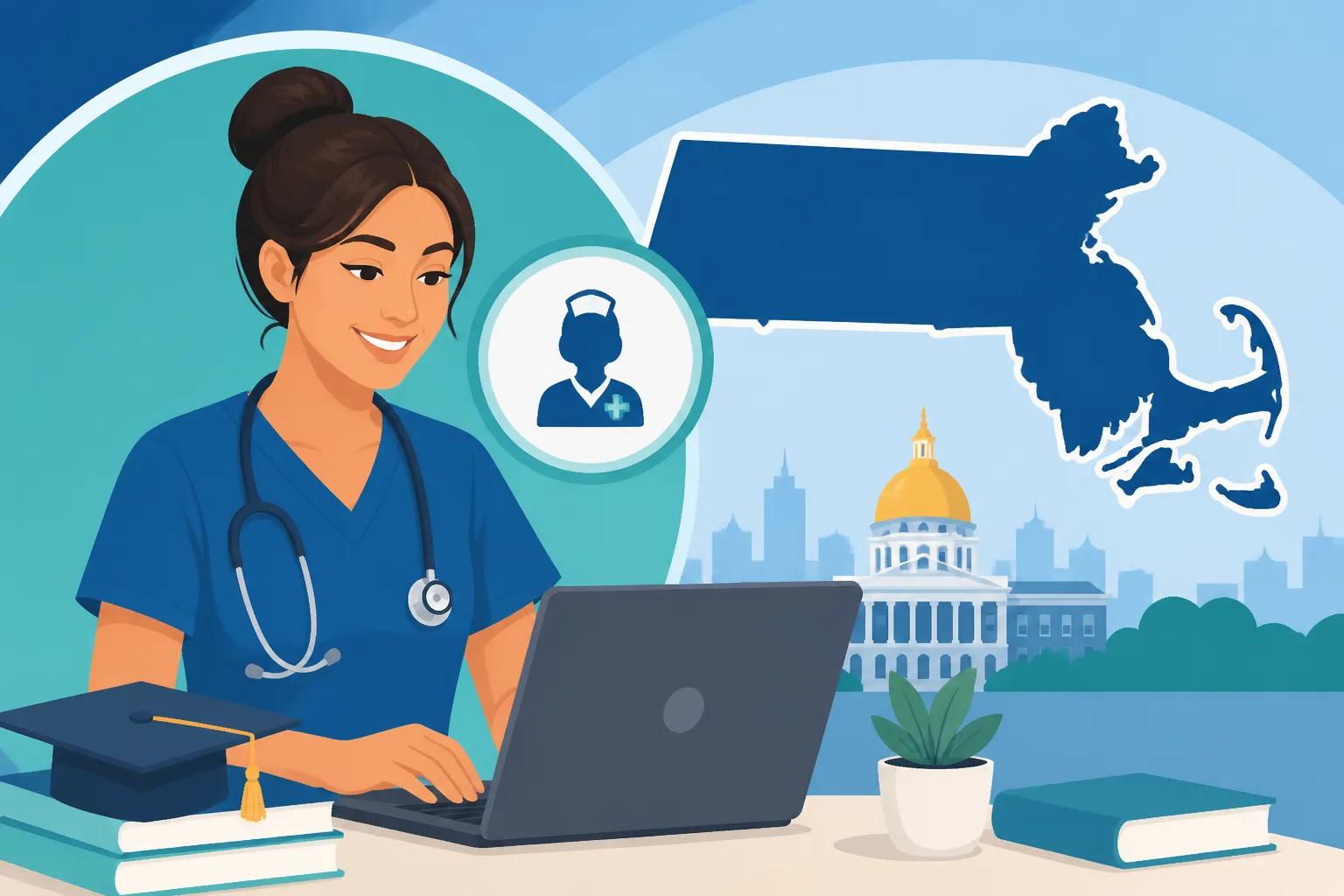
Navigating the world of higher education while balancing a demanding nursing career can feel like trying to perform CPR and document simultaneously – utterly exhausting and sometimes seemingly impossible. Many dedicated Registered Nurses in Massachusetts recognize the value of a Bachelor of Science in Nursing (BSN) for career advancement and enhanced patient care, but the thought of returning to a traditional campus setting is simply out of the question. This comprehensive guide is here to shed light on the best online RN to BSN programs available to nurses in Massachusetts, helping you find a flexible, accredited path to elevate your nursing career without putting your life on hold.
Why Pursue an Online RN to BSN in Massachusetts?
Deciding to go back to school for your BSN is a significant step, and for nurses already licensed and working in the Bay State, an online program offers a unique blend of benefits that can truly transform your professional trajectory. It’s not just about getting another degree; it’s about opening doors, refining your practice, and meeting the evolving demands of the healthcare landscape right here in Massachusetts.
Meeting Growing Healthcare Demands and Magnet Recognition
Massachusetts is home to some of the nation's leading healthcare institutions, many of which are striving for or have already achieved Magnet Recognition Status. This prestigious designation from the American Nurses Credentialing Center (ANCC) recognizes healthcare organizations for quality patient care, nursing excellence, and innovations in professional nursing practice. A cornerstone of Magnet status is a highly educated nursing workforce, often translating into a strong preference, if not a requirement, for BSN-prepared nurses. If you're working at a facility like Massachusetts General Hospital or Brigham and Women's Hospital, you’ve likely felt this push. Pursuing an online RN to BSN directly addresses this need, making you a more valuable asset to your current employer and opening doors to positions in these highly sought-after Magnet facilities. It shows your commitment to lifelong learning and advanced practice.
Enhanced Career Opportunities and Salary Potential
Let's be real, a BSN isn't just a piece of paper; it's a stepping stone to a broader range of career opportunities and often, a higher paycheck. In Massachusetts, BSN-prepared nurses often qualify for roles beyond direct bedside care, such as charge nurse positions, nurse management, case management, community health, and specialized areas. While experience is invaluable, many hospitals and healthcare systems in areas like Boston, Worcester, and Springfield now prioritize BSN-holders for these advanced roles, or even for initial hire. Moreover, statistics consistently show that nurses with a BSN generally earn a higher average salary than those with an ADN. Over the course of your career, that difference can really add up, making the investment in your education a sound financial decision. If you're wondering, "Is an RN to BSN Worth It?", the career and salary benefits often speak for themselves.
Unparalleled Flexibility for Working Nurses
This is often the deal-breaker, isn't it? As a working RN, your schedule is probably anything but 9-to-5, Monday through Friday. Juggling shifts, family responsibilities, and a social life already feels like a full-time job. This is where online RN to BSN programs truly shine for Massachusetts nurses. They offer the unparalleled flexibility to complete coursework on your own time, from your own home, or even during a quiet moment in the hospital breakroom (we've all been there!). You can typically access lectures, participate in discussions, and submit assignments around your work schedule, rather than having to adhere to rigid class times. This allows you to continue working full-time, maintain your current income, and avoid the logistical nightmares of commuting to campus multiple times a week. Many programs are designed with the working nurse in mind, understanding the unique challenges you face. For an in-depth look at managing your schedule, check out our guide on how to balance work and RN to BSN.
Key Considerations When Choosing an Online RN to BSN Program in Massachusetts
Selecting the right online RN to BSN program in Massachusetts can feel a bit like sifting through patient charts – there's a lot of information, and you need to know what to look for. Not all programs are created equal, and what works perfectly for one nurse might be a terrible fit for another. Focusing on a few crucial elements can help you narrow down your choices and find a program that truly aligns with your personal and professional goals.
Accreditation: Your Non-Negotiable Standard
This is absolutely paramount, folks. When researching programs, always, always check for proper accreditation. For nursing programs, the two main accrediting bodies are the Commission on Collegiate Nursing Education (CCNE) and the Accreditation Commission for Education in Nursing (ACEN). An accredited program ensures that the curriculum meets national standards for quality and prepares you for professional practice. More importantly, graduating from an accredited program is often a requirement for advanced practice degrees (like an MSN), certain certifications, and even some job opportunities in Massachusetts. If a program isn't accredited, walk away. It’s simply not worth your time or money. Understanding the difference between CCNE vs ACEN Accreditation Explained can help you make an informed choice.
Cost and Financial Aid Options
Let's talk money, because let's face it, tuition is a major factor. The cost of online RN to BSN programs in Massachusetts can vary significantly between institutions, ranging from state university rates to private college fees. Beyond tuition, remember to factor in other expenses like books, technology fees, and potential clinical or project fees. Many schools list their per-credit hour cost, but you'll want to calculate the total program cost.
Thankfully, there are various financial aid options available. Many Massachusetts universities offer financial aid tailored to adult learners and online students, including federal student aid (FAFSA), institutional scholarships, and even employer tuition reimbursement programs. Don't be shy about asking admissions counselors about these opportunities. For a more detailed breakdown, our article on RN to BSN Financial Aid Options is a great resource. You might also find that some institutions, like the University of Massachusetts system schools, offer more affordable options for in-state residents.
Program Structure and Flexibility
The whole point of an online RN to BSN is flexibility, right? But even within "online," there's a spectrum. Some programs are completely asynchronous, meaning you complete coursework on your own schedule within given deadlines. Others might have synchronous components, like live online lectures or group discussions at specific times. Consider your learning style and current commitments:
- Pacing: Do you prefer a self-paced program where you can accelerate through material, or a more structured, cohort-based approach? Some programs offer multiple start dates throughout the year, allowing you to begin when it suits your life best.
- Course Load: Can you handle a full-time academic load, or would a part-time option spread over a longer duration be more manageable? Our guide on how many credits for an RN to BSN can help you understand the typical workload.
- Clinical Requirements: Many online RN to BSN programs are "no-clinical" in the traditional sense, meaning they don't require additional direct patient care hours. Instead, they often focus on community health projects, leadership practicums, or evidence-based practice initiatives that can be completed in your current workplace or community setting. Always clarify the specific clinical or practicum requirements.
Transfer Credit Policies
As an RN, you've already completed a significant amount of nursing education, whether through an ADN or diploma program. Maximizing your transfer credits can significantly reduce the number of courses you need to take and, consequently, the overall cost and time to completion. Look for programs in Massachusetts that are generous with transfer credits for your previous nursing coursework and general education requirements. Some institutions have specific agreements with community colleges in Massachusetts, making the transfer process smoother. Inquire about how your RN license credits count toward a BSN, as this can be a major advantage. Our piece on RN to BSN Transfer Credit Explained offers further insights.
Top Online RN to BSN Programs for Massachusetts Nurses
Massachusetts boasts a fantastic array of educational institutions, and many have recognized the need for flexible, online options for their dedicated nursing workforce. While "best" is subjective and depends heavily on individual needs, here are some highly regarded online RN to BSN programs that Massachusetts nurses often consider, based on their reputation, accreditation, and flexibility.
University of Massachusetts (UMass) System Programs
The UMass system is a powerhouse in Massachusetts education, and its online RN to BSN offerings are no exception. These programs are generally well-respected, regionally accredited, and often come with more affordable tuition rates for in-state residents.
- UMass Amherst: The UMass Amherst College of Nursing offers an online RN to BSN completion program designed for working nurses. It focuses on leadership, community health, and evidence-based practice. Students appreciate its strong academic foundation and the prestige associated with the UMass name. The curriculum is typically flexible, allowing nurses to progress at their own pace within a structured framework.
- UMass Boston: Known for its diverse student body and urban focus, UMass Boston provides an online RN to BSN that emphasizes critical thinking, health policy, and community engagement. Their program often appeals to nurses working in the greater Boston area who want to stay connected to local healthcare trends and resources. It's fully online with no on-campus requirements, which is a huge plus for those with busy schedules.
- UMass Dartmouth: UMass Dartmouth's online RN to BSN program is also highly regarded, often featuring a blend of core nursing courses and electives that allow for some specialization. Like other UMass campuses, it prioritizes the needs of working professionals, making it a viable option for nurses across the state, from the South Coast to Western Massachusetts.
Private University Options in Massachusetts
While often pricier, private universities can sometimes offer unique program structures, smaller class sizes, or specialized support services that appeal to certain students.
- Curry College (Milton, MA): Curry College offers an online RN to BSN completion program that’s known for its supportive faculty and flexible course delivery. Many nurses appreciate their emphasis on individual student success and their commitment to blending theoretical knowledge with practical application. It's a great option for those looking for a more personalized experience.
- Northeastern University (Boston, MA): Northeastern, a prominent research university, offers an online RN to BSN program through its Bouvé College of Health Sciences. This program leverages Northeastern's strong reputation in healthcare and innovation. It's often structured with a focus on advanced nursing concepts, leadership, and professional development. While it might be on the higher end regarding cost, the robust curriculum and alumni network can be significant advantages.
- Fitchburg State University (Fitchburg, MA): Fitchburg State provides a cost-effective and fully online RN to BSN program that’s popular among nurses in Central and Western Massachusetts. Their curriculum is designed to enhance skills in areas like leadership, research, and public health nursing, all crucial for today's healthcare environment.
- Worcester State University (Worcester, MA): Worcester State also offers an accessible online RN to BSN program. It’s often praised for its practical approach and its relevance to the needs of the diverse communities within Massachusetts. The program aims to broaden your nursing knowledge base and prepare you for a wider range of roles.
It’s always a good idea to directly visit the websites of these universities for the most current information on tuition, curriculum, and application deadlines. Sometimes a quick call to their admissions office can clear up specific questions you might have about how your unique academic background fits their program.
Here's a quick comparison of some popular options (note: costs are estimates and subject to change; always verify directly with the institution):
| University | Accreditation | Est. Per Credit Cost (In-state) | Program Length | Key Features |
|---|---|---|---|---|
| UMass Amherst | CCNE | $500 – $600 | 1-3 years | Strong academic focus, leadership, community health |
| UMass Boston | CCNE | $500 – $600 | 1-3 years | Urban focus, health policy, evidence-based |
| UMass Dartmouth | CCNE | $500 – $600 | 1-3 years | Flexible, broad curriculum, professional development |
| Curry College | CCNE | $600 – $700 | 1.5-2 years | Supportive faculty, personalized approach |
| Northeastern University | CCNE | $800 – $1,000+ | 1-2 years | Research-focused, innovation, strong reputation |
| Fitchburg State University | CCNE | $400 – $500 | 1-2 years | Affordable, leadership, public health |
| Worcester State University | CCNE | $400 – $500 | 1-2 years | Practical approach, community-focused |
Remember, these are just a few examples. Many other excellent institutions like the University of Texas Arlington RN to BSN Program Review and Western Governors University (WGU) RN to BSN Program Review also offer online RN to BSN programs that accept Massachusetts residents, often with different models like competency-based learning. While some of these out-of-state options might have higher out-of-state tuition, their unique flexibility or accelerated formats can sometimes make them competitive choices. Always check the specific requirements for out-of-state enrollment and licensure for any program you consider.
Navigating Admissions and Financial Aid for MA Online RN to BSN Programs
Once you've zeroed in on a few promising online RN to BSN programs in Massachusetts, the next step is tackling the application process and figuring out how to pay for it all. It can feel daunting, but breaking it down into manageable steps makes it much less overwhelming.
Understanding Admission Requirements and Prerequisites
Don't let the phrase "admission requirements" intimidate you. For RN to BSN programs, they are generally designed for working nurses and are often quite clear. The core requirements usually include:
- Active, Unencumbered RN License: This is a given. You must hold a current, active Registered Nurse license in Massachusetts or a compact state, free from disciplinary actions.
- Associate Degree in Nursing (ADN) or Nursing Diploma: This proves your foundational nursing education.
- Minimum GPA: Most programs look for a minimum GPA from your ADN or diploma program, often around 2.5 on a 4.0 scale, though some competitive programs might ask for higher. Don't despair if your GPA is a little lower; some programs offer provisional admission or have alternatives like a strong professional portfolio. You might even find RN to BSN Programs with No GPA Requirement if you search broadly.
- Prerequisite Courses: Even as an RN, you might need to complete some general education prerequisites, especially if your ADN didn't cover specific subjects. Common prerequisites include statistics, psychology, sociology, and sometimes a writing or communication course. Many universities allow these to be taken online, sometimes even concurrently with your nursing courses. Our guide on RN to BSN Prerequisites Explained delves deeper into this.
- Application Materials: Expect to submit an online application, official transcripts from all previous institutions, a resume or CV, and sometimes a personal statement or essay explaining your reasons for pursuing a BSN. Letters of recommendation are occasionally required but less common for RN to BSN programs compared to initial nursing degrees.
It's crucial to review each program's specific requirements carefully, as they can differ slightly from one university to another. If you have questions about your specific academic background or work experience, reach out to the admissions office directly. They are usually very helpful and can offer guidance.
Leveraging Financial Aid and Employer Support
Paying for your RN to BSN doesn't have to be a solo mission. There are numerous avenues for financial assistance that can significantly reduce your out-of-pocket costs.
- Federal and State Aid: Always start by filling out the Free Application for Federal Student Aid (FAFSA). This determines your eligibility for federal grants, work-study programs, and federal student loans. Massachusetts also has state-specific grant programs and scholarships that nursing students might qualify for. Check with the Massachusetts Office of Student Financial Assistance (MOSFA) for local opportunities.
- University-Specific Scholarships: Most universities offer their own scholarships for admitted students, often based on academic merit, financial need, or specific demographic criteria. Be sure to explore these options on the financial aid pages of the schools you're interested in.
- Nursing Organization Scholarships: Professional nursing organizations, both national and local within Massachusetts (e.g., Massachusetts Nurses Association, local chapters of specialty organizations), frequently offer scholarships to nurses advancing their education. These can be fantastic resources.
- Employer Tuition Reimbursement: This is a big one for many working nurses. Many hospitals and healthcare systems in Massachusetts, recognizing the value of a BSN-prepared workforce, offer tuition reimbursement or assistance programs. This can cover a significant portion, if not all, of your tuition costs. It usually comes with an agreement to remain employed for a certain period after graduation. Talk to your HR department as soon as you start considering a program to understand your employer's policy. Our article on How to Get Your Employer to Pay for BSN provides excellent tips.
- Tax Benefits: Don't forget that certain educational expenses might be tax-deductible or qualify for education tax credits. Consult a tax professional for personalized advice.
Even after you've completed your BSN and are moving forward in your career, remember that continuous learning and professional development are key. Keeping your clinical knowledge sharp and preparing for future certifications with reliable resources like Uworld can be incredibly beneficial. The skills and discipline you gain during your online RN to BSN program in Massachusetts will serve you well, not just in securing your degree, but in every step of your nursing journey. This commitment to ongoing education, whether formal or through self-study with tools like Uworld, is a hallmark of truly exceptional nursing professionals.
Disclaimer
The information provided in this guide is intended for general informational purposes only and does not constitute professional advice. While we strive to offer accurate and up-to-date content, nursing program requirements, tuition rates, and financial aid options can change frequently. It is essential to verify all details directly with the respective educational institutions and financial aid offices. Always consult with academic advisors and financial counselors for personalized guidance.