Best Online RN to BSN Programs in Pennsylvania
It’s a tough juggle, isn't it? You’re already a dedicated RN, working shifts that probably feel like a marathon, and the idea of going back to school for your BSN can feel like just another hurdle. But you know deep down that advancing your education is key to opening new doors, whether it's for career growth, better pay, or simply providing even better patient care. For nurses across Pennsylvania, finding an online RN to BSN program that truly fits into an already packed life is crucial. This guide is here to walk you through some of the best online RN to BSN options right here in the Keystone State, helping you navigate the choices with practical advice and realistic expectations.
The Why and How of Online RN to BSN Programs in Pennsylvania
Many of us started our nursing careers with an ADN or a diploma, and frankly, that was enough to get us into the field and make a real difference. But the healthcare landscape is constantly evolving, and a BSN has become increasingly important, often seen as the new standard for professional nursing practice. For Pennsylvania nurses, pursuing an online RN to BSN isn't just about checking a box; it's about staying competitive, expanding your knowledge, and ultimately enhancing patient outcomes. The challenge, of course, is doing all of this while still managing your demanding work schedule and personal life.
Why a BSN is Becoming Essential for PA Nurses
Let’s be honest, you’ve probably seen the push for BSN-prepared nurses happening around you. Hospitals, especially those striving for or maintaining Magnet designation, often prefer or even require nurses to hold a BSN. This isn't just an arbitrary preference; research consistently shows that a higher proportion of BSN-prepared nurses on staff correlates with improved patient outcomes, lower mortality rates, and fewer medication errors. For you, this means that having your BSN can significantly impact your job prospects, eligibility for certain roles (like charge nurse or nurse manager), and even your earning potential. Plus, it provides a stronger foundation for critical thinking, leadership, and evidence-based practice—skills that are invaluable in today's complex healthcare environment.
The Unmatched Flexibility of Online Learning
The biggest hurdle for working RNs considering further education is almost always time. Between 12-hour shifts, family responsibilities, and just trying to have a semblance of a personal life, finding time for traditional on-campus classes can feel impossible. This is where online RN to BSN programs truly shine for Pennsylvania nurses. They offer the flexibility to complete coursework on your own schedule, often at your own pace, from the comfort of your home in Philadelphia, Pittsburgh, or even a smaller town like Altoona. You can fit studying into your off-days, early mornings, or late evenings, allowing you to maintain your income and your existing commitments. While the coursework is rigorous, the format is designed to accommodate the realities of a working nurse's life, making it a much more attainable goal than it might seem at first glance.
Key Factors to Consider When Choosing a PA Online RN to BSN Program
Choosing the right online RN to BSN program in Pennsylvania isn't a one-size-fits-all decision. There are so many options out there, each with its own quirks and benefits, that it can feel overwhelming to pick the one that's genuinely the best fit for you. Before you dive into applications, take a moment to really think about what matters most for your individual circumstances. It's not just about finding a school; it's about finding a partner in your educational journey. For a deeper dive, consider reading our comprehensive guide on How to Choose an RN to BSN Program.
Understanding Accreditation and Its Importance
First things first: accreditation. This isn't a suggestion; it's a non-negotiable requirement. An accredited program ensures that your degree is recognized by employers, licensing boards, and graduate schools. In nursing, you're primarily looking for programs accredited by either the Accreditation Commission for Education in Nursing (ACEN) or the Commission on Collegiate Nursing Education (CCNE). Both are reputable, so don’t stress too much about choosing between them, but make absolutely sure the program you’re considering holds one of these accreditations. Without it, all your hard work and tuition could be for nothing. Many programs in Pennsylvania, like those offered by Penn State World Campus or Drexel University, proudly display their CCNE or ACEN accreditation, assuring you of their quality.
Cost, Financial Aid, and Potential Employer Assistance
Let's talk money, because let's face it, that's often a major factor. The cost of an online RN to BSN program can vary significantly. Public universities in Pennsylvania might offer lower in-state tuition rates, while private institutions could be pricier. Don't just look at the sticker price; investigate all potential fees, textbook costs, and any technology requirements. Many nurses are surprised to find that there are numerous RN to BSN Financial Aid Options available, including federal aid, scholarships, and grants. Additionally, many hospitals and healthcare systems offer tuition reimbursement or assistance programs for their employees pursuing a BSN. It's absolutely worth talking to your HR department to see what benefits might be available to you. Sometimes, employers will even pay for a significant portion of your education if you commit to working for them for a certain period after graduation, which can be a huge relief.
Program Length, Flexibility, and Clinical Components
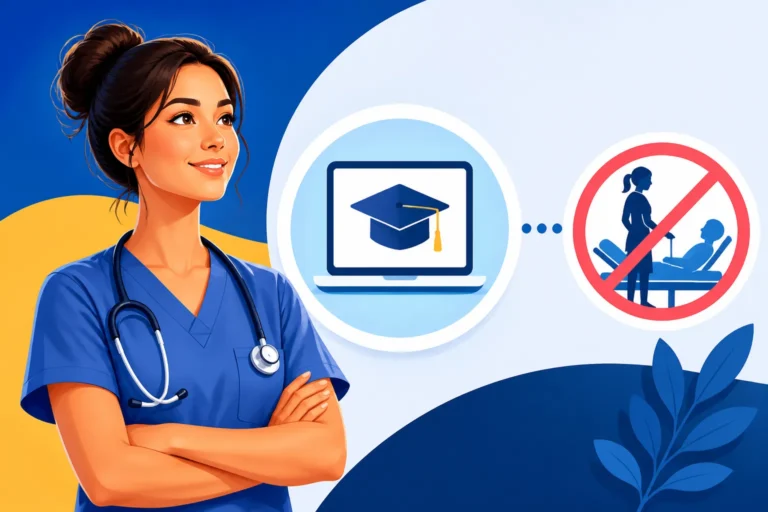
How quickly do you want to finish? Are you looking for a super-fast Accelerated RN to BSN Program or something more manageable at a part-time pace? Online RN to BSN programs typically require around 30-45 nursing credits, but the total credits needed will depend on how many of your ADN credits transfer. Some programs can be completed in as little as 12 months, while others allow for a more relaxed pace over two to three years. Consider if the program offers multiple start dates throughout the year, which can provide more flexibility in planning your academic year. You'll also want to look into the clinical component, if any. While most online RN to BSN programs are designed to minimize or eliminate traditional hospital-based clinicals, they often include community health or leadership practicums. These usually involve project-based work, simulations, or working within your own clinical setting, rather than direct patient care hours in a new facility. Always clarify the nature of these requirements before you enroll. You might be surprised to find many No-Clinical RN to BSN Programs available that are perfect for busy working nurses.
Top Online RN to BSN Programs in Pennsylvania
Pennsylvania is home to a robust selection of excellent universities, and many of them offer fantastic online RN to BSN programs designed specifically for working nurses. While this isn't an exhaustive list, I want to highlight some of the top-rated and most popular options that nurses in the state often consider, giving you a starting point for your research. Remember, each program has its own unique strengths, so dig into what resonates most with your goals and learning style.
University of Pittsburgh School of Nursing
The University of Pittsburgh, often called "Pitt," is a highly respected institution, and their online RN to BSN program is no exception. It's known for its strong academic rigor and its faculty of experienced nursing professionals. Pitt's program focuses on enhancing critical thinking, leadership skills, and an understanding of evidence-based practice.
One of the major draws of Pitt's program is its reputation for quality education and its connection to a large, well-regarded healthcare system. Students often appreciate the asynchronous format, which allows them to complete coursework whenever it fits their schedule, a crucial factor for nurses working varied shifts. The curriculum typically covers areas like health assessment, nursing research, community health, and leadership in nursing. While challenging, the program is designed to be accessible to working professionals, giving you the tools to advance your career without compromising your current job. The faculty are often available for virtual office hours and support, ensuring you don't feel isolated in your online learning journey.
Penn State World Campus
Penn State University is a household name, and its online arm, Penn State World Campus, offers a highly regarded RN to BSN program that draws students from all over Pennsylvania and beyond. The program emphasizes professional development, leadership, and a broader understanding of healthcare systems.
What makes Penn State World Campus particularly appealing is its flexibility and strong alumni network. You get the prestige of a Penn State degree without needing to commute to a physical campus. The program is designed to be completed part-time, typically over two years, though faster options might be available depending on transfer credits. Many nurses appreciate the comprehensive curriculum that covers topics such as nursing informatics, ethics, policy, and community health. They also provide robust student support services, from academic advising to technical assistance, which can be a lifesaver when you're balancing work and school. When preparing for exams or reviewing complex topics, supplementing your coursework with resources like Uworld can really help solidify your understanding and boost your confidence.
Drexel University Online
Drexel University in Philadelphia offers one of the nation's pioneering and most established online nursing programs. Their RN to BSN program is specifically tailored for registered nurses seeking to advance their education while maintaining their professional and personal commitments. Drexel is well-known for its practical, career-focused education and its strong ties to the healthcare industry.
The Drexel program often stands out for its emphasis on experiential learning, even in an online format. While predominantly asynchronous, some courses may include synchronous elements or collaborative projects that foster engagement. The curriculum is comprehensive, covering advanced topics in nursing theory, leadership, research, and public health. Students in the Drexel program benefit from a vast network of clinical partners, which can be helpful if any practicum components require local placements (though many RN to BSN programs are designed to use your existing work setting for community health projects). Nurses often choose Drexel for its long-standing reputation in online education and its commitment to producing highly skilled, BSN-prepared nurses ready for leadership roles. Access to academic support and career services is also a significant advantage, helping you make the most of your degree.
Other Notable PA Online RN to BSN Programs
Beyond these big names, several other excellent Pennsylvania institutions offer online RN to BSN programs worth exploring. These include:
- Duquesne University: Offers a highly-respected online RN-BSN program with a focus on holistic care and ethical leadership, often appealing to nurses looking for a faith-based educational experience.
- West Chester University of Pennsylvania: A state-affiliated university that provides a more affordable option for many PA residents, with a strong focus on community health and evidence-based practice. Their program is often praised for its accessible faculty and comprehensive curriculum.
- Villanova University: Known for its rigorous academic standards and strong emphasis on leadership development. While it might be a higher-cost option, a Villanova degree carries significant prestige and offers a robust network for career advancement.
- Chatham University: Offers a flexible online RN to BSN program that often emphasizes interprofessional collaboration and a global perspective on healthcare.
Each of these institutions brings its unique strengths, so it's always a good idea to visit their websites, speak to admissions counselors, and even connect with current or former students if possible. When preparing for licensure exams or just brushing up on your knowledge, practice questions and study tools, such as those offered by Uworld, can be incredibly beneficial regardless of the program you choose.
Here's a quick comparison of some aspects of these programs:
| Institution | Accreditation | Estimated Completion Time | Estimated Cost (Per Credit Hour) | Clinicals (Community/Project) | Special Features |
|---|---|---|---|---|---|
| University of Pittsburgh | CCNE | 1-2 years | $570 – $650 (In-state) | Project-based | Strong academic rigor, extensive research focus |
| Penn State World Campus | CCNE | 2 years (part-time) | $600 – $630 (In-state) | Project-based | Large alumni network, flexible coursework |
| Drexel University | CCNE | 12-18 months | $700 – $800 | Project-based | Long history in online ed, career-focused |
| West Chester University of PA | CCNE | 1-2 years | $350 – $450 (In-state) | Project-based | Affordable, public university prestige |
| Duquesne University | CCNE | 12-18 months | $900 – $1,000 | Project-based | Holistic care, ethical leadership emphasis |
Note: Costs are estimates and can change. Always check directly with the university for the most current tuition and fee information.
Navigating the Application and Enrollment Process
So, you've done your research, weighed your options, and you're ready to take the plunge. That's fantastic! The application and enrollment process for online RN to BSN programs in Pennsylvania can seem daunting, but it's typically straightforward. Many universities have dedicated admissions counselors specifically for their online nursing programs, and their job is to help you through every step. Don't hesitate to reach out to them; they are a valuable resource. For more in-depth information, check out our guide on How to Apply to an RN to BSN Program.
Common Admission Requirements for PA Programs
While specific requirements can vary slightly between institutions, most online RN to BSN programs in Pennsylvania will ask for a few standard things. First and foremost, you'll need an active, unencumbered Registered Nurse (RN) license in Pennsylvania. This is foundational, as these are "completion" programs for already licensed nurses. You'll also need an Associate Degree in Nursing (ADN) from an accredited program or a diploma from an approved nursing school.
Most programs will also require a minimum GPA from your previous nursing education, often a 2.5 or 3.0 on a 4.0 scale. If your GPA is a concern, don't despair; some RN to BSN Programs with No GPA Requirement exist, or you might be able to demonstrate readiness through other means, such as strong professional experience. You'll likely need official transcripts from all prior academic institutions, and a personal statement or essay might be requested to understand your motivations and goals for pursuing a BSN. Letters of recommendation are less common for RN to BSN programs than for graduate-level degrees, but it's always good to be prepared.
Transferring Credits and Maximizing Your ADN
A significant advantage of the RN to BSN pathway is that your ADN or nursing diploma, along with your RN license, typically grants you a substantial number of transfer credits. Many programs recognize your RN license as equivalent to a certain number of lower-division nursing credits (often around 30-45 credits). This means you're not starting from scratch; you're building on the strong foundation you already have.
It's crucial to understand how RN to BSN Transfer Credit Explained works at each institution you're considering. Some universities have generous transfer policies, accepting a high number of general education and even some nursing-related credits from community colleges or other institutions. Others might be more selective. Before applying, it's a great idea to request a preliminary transcript evaluation, if offered. This will give you a clear picture of how many credits you'll need to complete and how long your program will realistically take. Don't underestimate the power of those transfer credits; they can significantly reduce your overall workload and the total cost of your BSN.
Essential Technology and Study Tips for Online Success
Succeeding in an online RN to BSN program requires a bit of self-discipline and some basic technological savvy. You'll need a reliable computer with internet access, and familiarity with learning management systems like Canvas, Blackboard, or Moodle will be a huge asset (though most programs provide excellent tutorials). Strong time management skills are paramount, as you'll be responsible for pacing yourself through asynchronous coursework. Creating a dedicated study space, setting a consistent schedule, and communicating regularly with your instructors and classmates are all strategies that can contribute to your success.
Don't be afraid to utilize all the resources your chosen university offers, from online writing centers to virtual library services. And remember, you're not alone in this journey. Many online students form study groups or connect through discussion forums, offering support and sharing insights. For complex topics or exam preparation, supplementing your course materials with additional study aids, like the practice questions and rationales found in Uworld, can make a significant difference in comprehension and retention. You can absolutely balance your demanding work schedule with your studies; it just takes careful planning and the right tools. If you're wondering How to Balance Work and RN to BSN, know that countless nurses have walked this path before you and succeeded.
Is an Online RN to BSN in Pennsylvania Worth the Investment?
You're already doing incredible work as an RN, and the thought of adding more to your plate, not to mention the financial commitment, can make you wonder if an RN to BSN is truly "worth it." This is a valid question, and one many nurses grapple with. From a career perspective, both immediate and long-term benefits typically make the investment a smart move for nurses in Pennsylvania and beyond. To get a broader perspective, you might find our article on Is an RN to BSN Worth It helpful.
Career Advancement and Salary Potential
One of the most immediate benefits of earning your BSN is the expanded career opportunities. Many leadership roles, specialty nursing positions, and even some Magnet-designated hospital jobs specifically require a BSN. If you dream of becoming a charge nurse, a nurse manager, a clinical educator, or moving into areas like public health or case management, a BSN is often the minimum educational requirement. Beyond these direct opportunities, the BSN curriculum provides a deeper understanding of nursing theory, research, and healthcare policy, equipping you with a broader skill set that is highly valued by employers.
And let's not forget salary. While the exact increase can vary based on your location, specialty, and employer, BSN-prepared nurses generally earn more than their ADN-prepared counterparts. In Pennsylvania, the average salary for BSN-prepared nurses often reflects this upward trend. It's not uncommon to see an increase of a few thousand dollars annually, which over the course of your career, adds up to a substantial return on your educational investment. Moreover, a BSN is the foundational degree if you ever decide to pursue even higher education, such as a Master of Science in Nursing (MSN) to become a Nurse Practitioner or a Doctor of Nursing Practice (DNP).
Enhanced Patient Care and Professional Growth
Beyond the tangible benefits of career advancement and salary, earning your BSN significantly contributes to your professional growth and, most importantly, your ability to provide exceptional patient care. The BSN curriculum expands on the technical skills you gained in your ADN program, delving deeper into areas like community health, evidence-based practice, and healthcare policy. You learn to critically analyze research, apply best practices to complex patient scenarios, and understand the broader social and systemic factors that influence health.
This enhanced knowledge base empowers you to advocate more effectively for your patients, participate in quality improvement initiatives, and contribute to a safer, more effective healthcare environment. It fosters a more holistic approach to care, preparing you to tackle the challenges of modern healthcare with greater confidence and competence. Ultimately, the BSN isn't just a piece of paper; it's a testament to your commitment to lifelong learning and providing the highest standard of care to the communities of Pennsylvania.
Disclaimer
The information provided in this article is intended for general informational purposes only and does not constitute professional advice. While we strive to provide accurate and up-to-date information, educational programs, requirements, and costs are subject to change by individual institutions. Always verify all details directly with the university or college admissions department. Program availability, accreditation status, tuition rates, and admission criteria should be confirmed with the respective schools. We do not endorse any specific program or institution.