Chamberlain Accelerated BSN Program Overview
You're an experienced professional, perhaps in a completely different field, looking for a meaningful career change, or maybe you simply realized that nursing is your true calling after earning a non-nursing bachelor's degree. The idea of going back to school for years can feel daunting, but an accelerated program offers a quicker pathway. This comprehensive guide will walk you through everything you need to know about the Chamberlain University Accelerated Bachelor of Science in Nursing (ABSN) program, helping you understand its structure, requirements, and what to expect on this fast-paced journey.
What Exactly is Chamberlain's Accelerated BSN Program?
Chamberlain University, a well-known name in nursing education, offers an Accelerated BSN program designed specifically for individuals who already hold a bachelor's degree in a non-nursing field. This isn't just a quick re-tread of your previous degree; it's an intensive, focused path to equip you with the essential knowledge and clinical skills needed to become a registered nurse. Many aspiring nurses find themselves drawn to an Accelerated BSN Programs Explained because it acknowledges their prior academic achievement and condenses the nursing curriculum into a shorter timeframe.
The Core Structure and Philosophy
At its heart, Chamberlain's ABSN program is built on a competency-based model that rapidly delivers core nursing concepts. Instead of stretching out coursework over four traditional years, you're looking at a program that can often be completed in as few as 16 to 20 months, depending on the specific campus and your prior academic background. This accelerated pace means that you'll be immersed in nursing theory and practice from day one, covering foundational subjects like anatomy, physiology, microbiology, and pharmacology, alongside specialized nursing courses. The philosophy is to leverage your existing academic maturity and discipline to master new material quickly, preparing you for the demands of modern healthcare. It's a challenging but incredibly rewarding track for those ready to commit.
Who is This Program Designed For?
This program is truly a beacon for career changers. Imagine you spent four years earning a degree in marketing, history, or even engineering, and now you feel a strong pull toward direct patient care. The Chamberlain ABSN is tailor-made for you. It assumes you have a strong academic foundation and a demonstrated ability to learn complex subjects. It's not for brand-new high school graduates; they would typically pursue a traditional four-year BSN. Instead, it targets those with existing bachelor's degrees who are looking to enter the nursing profession as quickly and efficiently as possible, without sacrificing the quality of their education. This pathway is particularly appealing if you’re eager to make an impact in a healthcare setting sooner rather than later.
Campus Locations and Online Components
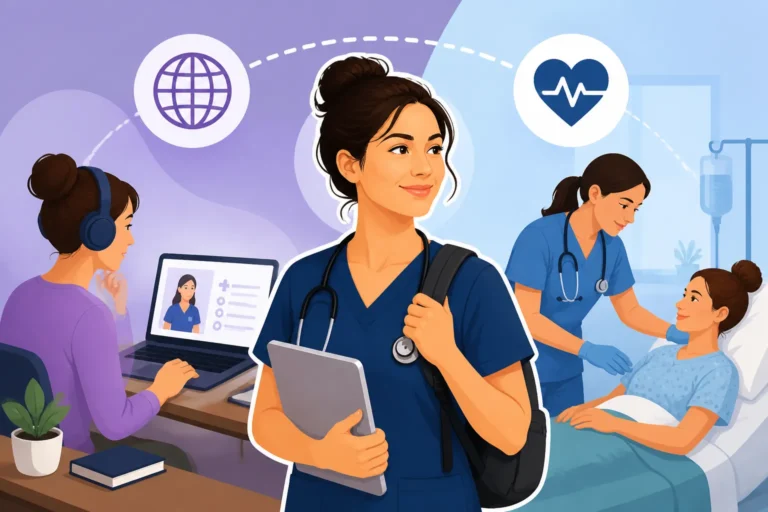
One of the great strengths of Chamberlain's Accelerated BSN program is its widespread availability. Chamberlain has numerous campuses across the United States, offering in-person or hybrid ABSN programs in many major cities. For example, you might find programs in Atlanta, Houston, Chicago, or Phoenix, to name just a few. While the core didactic coursework often includes online elements to provide flexibility, the hands-on clinical experiences, labs, and simulations are always conducted in person at approved facilities or on campus. This hybrid model allows students to manage some of their coursework from home, which can be a huge benefit when juggling the intensity of an accelerated BSN program overview with other life commitments, but it’s crucial to remember that this isn't a fully online program because of those essential clinical components.
Navigating the Admission Requirements for Chamberlain's ABSN
Getting into an accelerated nursing program, especially one from a reputable institution like Chamberlain, involves meeting a specific set of criteria. It’s not just about having a bachelor's degree; it's about demonstrating your readiness for the demanding curriculum. Understanding these requirements upfront can save you a lot of time and help you prepare a strong application. If you’re wondering How to Get into an Accelerated BSN Program, pay close attention to these details.
Academic Prerequisites and GPA Expectations
First and foremost, you must hold a bachelor's degree in a non-nursing field from an accredited institution. Beyond that, a series of prerequisite courses are required, often in subjects like anatomy and physiology, microbiology, chemistry, statistics, and psychology. These courses ensure you have a solid science foundation before diving into nursing-specific content. Typically, you'll need to have completed these prerequisites within a certain timeframe (e.g., the last 5-10 years) and earned a minimum grade, usually a C or higher.
The GPA requirement is another critical factor. While it can vary by campus and cohort, Chamberlain generally looks for a cumulative GPA of at least 2.75 on a 4.0 scale from your previous bachelor's degree, and often a higher GPA (e.g., 3.0 or 3.25) in your prerequisite science courses. Some competitive campuses might even look for higher. If your GPA is slightly below the preferred threshold, it's worth speaking with an admissions advisor; sometimes, strong performance in recent coursework or a compelling personal statement can make a difference. Understanding Accelerated BSN Admission Requirements and what they mean for your application is key.
Essential Application Steps and Deadlines
Applying to Chamberlain's ABSN program is a multi-step process. You'll typically start by filling out an online application and submitting official transcripts from all previously attended colleges and universities. Beyond academics, many programs require a personal statement or essay outlining your motivations for pursuing nursing and why you believe the accelerated format is right for you. Letters of recommendation, a professional resume, and even an interview may also be part of the selection process.
Deadlines for accelerated programs can be frequent, as many campuses offer multiple start dates throughout the year (e.g., Spring, Summer, Fall). It's crucial to check the specific campus you're interested in for their exact application deadlines. Applying early can sometimes be advantageous, as seats in these programs are often limited and highly sought after.
The Importance of a Prior Bachelor's Degree
Your existing bachelor's degree isn't just a checkbox; it's a testament to your academic ability and commitment. It signifies that you've already mastered the art of college-level study, critical thinking, research, and time management – all skills that will be invaluable in the fast-paced ABSN environment. While the subject matter of your first degree might not be directly related to nursing, the underlying academic discipline you developed is exactly what helps you succeed in a program like Chamberlain's. This prior educational experience is what allows the curriculum to be condensed, as you don't need to retake general education courses. This is a primary distinction for those interested in an Accelerated BSN for Non-Nursing Majors.
The Rigors and Rewards of the Chamberlain ABSN Curriculum
Let's be real: an accelerated program isn't a walk in the park. It's intense, demanding, and requires unwavering dedication. But with that rigor comes the immense reward of quickly entering a fulfilling and impactful profession. Understanding the curriculum and the commitment it demands will help you prepare mentally and logistically for the journey ahead. You'll quickly learn How Long Is an Accelerated BSN and what it truly entails.
Key Coursework and Learning Experience
The Chamberlain ABSN curriculum is designed to cover the breadth of nursing knowledge required for entry-level professional practice. You'll dive deep into subjects like:
- Foundations of Nursing: This often includes the history of nursing, ethical considerations, legal aspects, and basic patient care skills.
- Pathophysiology and Pharmacology: Understanding disease processes and how medications affect the body is fundamental.
- Health Assessment: Learning how to thoroughly assess patients of all ages, from head to toe.
- Nursing Across the Lifespan: Courses dedicated to pediatric, adult, and geriatric nursing, often including women's health.
- Medical-Surgical Nursing: This covers the care of patients with various medical and surgical conditions, a large part of inpatient nursing.
- Mental Health Nursing: Focusing on psychiatric disorders and therapeutic communication.
- Community Health Nursing: Exploring public health initiatives and caring for populations outside acute care settings.
- Leadership and Management in Nursing: Preparing you for your role as a professional nurse within healthcare systems.
The learning experience is typically a blend of online lectures, interactive discussions, simulation labs, and clinical rotations. Simulation labs are fantastic because they allow you to practice skills in a safe, controlled environment using high-fidelity mannequins that can mimic real patient responses. This hands-on practice builds confidence before you step into a live clinical setting.
Understanding Clinical Rotations and Practicums
Clinical rotations are the cornerstone of any nursing program, and the Chamberlain ABSN is no exception. These are your opportunities to apply classroom theory in real healthcare settings, working directly with patients under the supervision of experienced clinical instructors. You'll rotate through various specialties, such as medical-surgical, pediatrics, obstetrics, psychiatric, and critical care units. These experiences are invaluable for developing your critical thinking, clinical judgment, and direct patient care skills.
The number of Accelerated BSN Clinical Requirements hours can vary by state and program, but they are always substantial. You might find yourself at local hospitals, long-term care facilities, or community clinics, gaining diverse experience. It's often during these rotations that students discover their passion for a particular nursing specialty. These hours are mandatory for licensure and for gaining the practical experience needed to feel competent as a new nurse.
Time Commitment and Pacing
When people ask, "Is an Accelerated BSN Hard?", the answer is almost universally yes, primarily because of the intense time commitment. You're essentially cramming two years of nursing coursework into roughly 16-20 months. This means you’ll be taking multiple demanding courses concurrently, often attending classes or labs several days a week, and then spending additional days in clinicals. Expect to dedicate a significant amount of time to studying outside of structured class time – think 40-60 hours a week, similar to a full-time job.
This pace leaves little room for other significant commitments. While some students manage to work part-time, it’s strongly advised to minimize external obligations if at all possible. This intense schedule requires excellent time management, self-discipline, and a robust support system. If you're wondering Can You Work During an Accelerated BSN, it’s often possible, but requires careful planning and a program that allows for flexibility.
Financial Considerations and Support for Your ABSN Journey
Investing in your education, especially an accelerated one, is a big decision, and understanding the financial landscape is crucial. While the faster completion time of an ABSN might seem like it saves money, the per-credit cost can sometimes be higher, and you're compressing a lot of expenses into a shorter period. Let’s break down what to expect.
Breaking Down Tuition and Fees
The total How Much Does an Accelerated BSN Cost for a Chamberlain ABSN program can vary significantly based on the campus location, the specific credit load, and any additional fees. Tuition is typically charged per credit hour. On top of tuition, you'll need to budget for various fees, including application fees, technology fees, lab fees, graduation fees, and costs for textbooks, uniforms, clinical supplies, and possibly transportation to clinical sites. It's common for an ABSN program to range anywhere from $40,000 to $80,000 or more for the entire program. It’s essential to get a detailed breakdown from the admissions or financial aid office at the specific Chamberlain campus you’re considering.
Exploring Financial Aid and Scholarship Opportunities
Don't let the sticker shock deter you! Most students do not pay the full tuition out-of-pocket. There are numerous financial aid options available for nursing students. These can include:
- Federal Student Aid: Completing the Free Application for Federal Student Aid (FAFSA) is the first step to unlock federal grants, subsidized and unsubsidized loans, and sometimes even work-study programs.
- Institutional Scholarships: Chamberlain University, like many institutions, offers various scholarships specifically for nursing students, including those in accelerated programs. These can be need-based or merit-based.
- External Scholarships: Many organizations, foundations, and professional nursing associations offer scholarships. For instance, the National Student Nurses' Association (NSNA), American Nurses Association (ANA), and local community groups often have funding opportunities. Searching for "Accelerated BSN Scholarships" can yield a plethora of options.
- Private Loans: If federal aid and scholarships don't cover everything, private student loans are an option, though they often come with higher interest rates and different repayment terms.
Employer Reimbursement and Other Funding Avenues
If you are currently working in a healthcare setting, even in a non-nursing role, your employer might offer tuition reimbursement programs. Many hospitals and healthcare systems recognize the value of an educated nursing workforce and are willing to invest in their employees' professional development. It's always worth checking with your HR department about potential benefits.
Additionally, some students explore military benefits if they or a family member have served, or look into state-specific grants and loan forgiveness programs for nurses who commit to working in underserved areas after graduation. While it requires diligent research and planning, there are many ways to make an Accelerated BSN Financial Aid accessible.
Post-Graduation: NCLEX and Career Prospects with a Chamberlain ABSN
Completing the Chamberlain ABSN program is a monumental achievement, but it's just the penultimate step before officially becoming a registered nurse. The final hurdle, and arguably one of the most important, is passing the NCLEX-RN exam. After that, a world of career opportunities awaits.
NCLEX Preparation Resources
The NCLEX-RN (National Council Licensure Examination for Registered Nurses) is the standardized exam all aspiring registered nurses in the U.S. must pass to receive their license. Chamberlain programs integrate NCLEX preparation throughout their curriculum, often including review sessions and practice exams. However, most students find external resources incredibly beneficial for dedicated study.
Tools like Uworld are incredibly popular among nursing students for NCLEX preparation. Uworld offers a comprehensive bank of practice questions designed to mimic the format and difficulty of the actual NCLEX, complete with detailed rationales for both correct and incorrect answers. Using such a robust QBank can significantly boost your confidence and readiness. Other popular resources include Hurst Review, Kaplan, and ATI, which Chamberlain itself often uses for assessments. Aim to start your focused NCLEX prep well before graduation, integrating a variety of study methods to solidify your knowledge. Understanding the program's Accelerated BSN NCLEX Pass Rates can also be a good indicator of how well their curriculum prepares students.
Job Outlook and Advancement Opportunities
The job market for registered nurses continues to be robust across the United States. The Bureau of Labor Statistics projects a healthy growth rate for RN positions, driven by an aging population, increasing rates of chronic conditions, and an emphasis on preventive care. Earning an ABSN from an accredited institution like Chamberlain positions you well to enter this in-demand field. Hospitals, clinics, long-term care facilities, schools, and community health organizations are constantly seeking qualified nurses.
As a BSN-prepared nurse, you're also immediately eligible for a wider range of roles and often receive preferential treatment in hiring, especially in Magnet-recognized hospitals that prioritize BSN-level education. Beyond entry-level positions, your BSN provides a strong foundation for further specialization or advanced practice roles. Many nurses with a BSN go on to pursue a Master of Science in Nursing (MSN) or a Doctor of Nursing Practice (DNP) to become nurse practitioners, nurse educators, or nurse administrators. Your Chamberlain ABSN is a powerful springboard for a lifelong career in nursing.
Alumni Network and Career Support
Chamberlain University boasts a large alumni network, which can be a valuable resource as you transition from student to working professional. Networking with graduates who have been through the same program can provide insights into job opportunities, advice on specific specialties, and mentorship. Additionally, many Chamberlain campuses offer career services to help students and alumni with resume writing, interview preparation, and job search strategies. Leveraging these resources can make a significant difference in securing your first nursing position and navigating your early career. The professional connections you build, both during your studies and through the alumni network, are an often-underestimated benefit of attending a program like Chamberlain's.
Disclaimer
Please remember that nursing program requirements, tuition costs, and course details can change. While this guide provides a comprehensive overview, it is essential to verify all information directly with Chamberlain University's admissions and financial aid departments for the most accurate and up-to-date details regarding their Accelerated BSN program.