How Much Do NICU Nurses Make
It’s an undeniable truth: becoming a Neonatal Intensive Care Unit (NICU) nurse is a calling. You’re working with the most fragile of patients, often fighting for their very first breaths, and supporting their anxious families through incredibly difficult times. This profound emotional and physical labor often leads nurses to wonder, quite reasonably, how their dedication is reflected in their paycheck. This guide will meticulously break down the various factors that influence how much NICU nurses make, helping you understand the salary landscape and how to maximize your earning potential in this vital field.
The Core of NICU Nurse Salaries: What to Expect
Let's face it, when you're dedicating your life to tiny miracles, you want to know that your hard work is valued. NICU nursing is a specialized, high-stress, high-reward area of nursing, and the compensation reflects that specialization to some extent. Understanding the baseline is the first step in appreciating the full scope of your earning potential.
National Averages and Starting Pay
When you first step into the NICU as a new graduate, or even after a few years of general nursing, your starting salary will be influenced by many factors. Nationally, the average salary for a registered nurse (RN) hovers around $89,000 per year, but NICU nurses, due to their specialized skills and the critical nature of their work, often earn slightly more than the general RN average. Entry-level NICU nurses, fresh out of nursing school with their ADN or BSN, might see starting salaries in the range of $60,000 to $75,000 annually, depending heavily on where they live and the facility they join.
For instance, a new grad NICU nurse starting at a major children's hospital in a mid-sized city like Denver, Colorado, might start around $68,000, while their counterpart in a smaller community hospital in rural Iowa could be closer to $62,000. It’s a wide spectrum, and it truly drives home that "average" is just that — an average. Don't let a low national average discourage you, because the specifics of your situation will tell a much richer story.
Factors Influencing Base Salary
Your base salary isn't just a random number; it's a careful calculation based on several key elements. These factors often play a more significant role than you might initially realize.
- Experience Level: This is perhaps the most straightforward factor. The more years you have under your belt, especially in a specialized unit like the NICU, the higher your earning potential. A NICU nurse with 5-10 years of experience could easily command $85,000 to $100,000 annually, while those with over 10-15 years, particularly in leadership roles or highly specialized Level IV NICUs, could push well into the six-figure range. The incremental increases over time can really add up, so don't underestimate the power of longevity in a single specialty.
- Type of Facility: Not all hospitals are created equal, particularly when it comes to the NICU. A Level IV NICU, which provides the highest level of care for the most critically ill newborns, often located within major university medical centers or large children's hospitals, typically offers higher salaries than a Level II or Level III NICU in a smaller community hospital. These larger, more specialized facilities often handle more complex cases, require more advanced skills, and typically have larger budgets. For example, a NICU nurse at Boston Children's Hospital will likely earn more than one at a suburban community hospital.
Diving Deeper into Compensation: Beyond the Base Pay
While the base salary gives you a foundational understanding, a NICU nurse's overall compensation package is often far more intricate. It includes a variety of elements that can significantly boost your take-home pay and overall financial well-being. This is where you really start to see how much nurses make and how strategically choosing your path can impact your wallet.
Geographic Location and Cost of Living
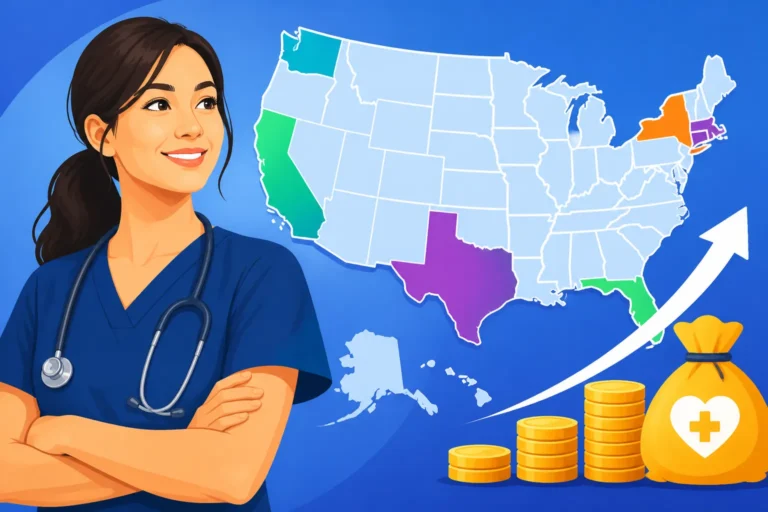
Where you choose to practice nursing might be the single biggest factor influencing your salary. States with a higher cost of living and robust healthcare markets tend to offer significantly higher salaries for NICU nurses.
- High-Paying States: California consistently ranks among the highest-paying states for nurses, with NICU nurses in major metropolitan areas like San Francisco or Los Angeles often earning well over $120,000 annually. Other states known for higher nursing wages include Hawaii, Massachusetts, Oregon, and Washington. These states frequently have a higher demand for skilled nurses and a stronger union presence in many facilities, which can drive up wages.
- Mid-Range and Lower-Paying States: In contrast, states in the Midwest or Southern regions, such as Alabama, Mississippi, or Arkansas, typically offer lower salaries, sometimes ranging from $65,000 to $80,000 for experienced NICU nurses. While the pay might seem lower, it's crucial to consider the cost of living. A nurse making $70,000 in rural Oklahoma might have a higher disposable income than a nurse making $100,000 in New York City, after housing, taxes, and other expenses are factored in. This is a critical consideration for any nurse planning their career trajectory.
Here's a quick look at average NICU nurse salaries in a few different states to illustrate the point:
| State | Average NICU Nurse Salary (Approx.) | Typical Cost of Living Index (US Avg = 100) |
|---|---|---|
| California | $120,000 – $150,000 | 150 – 180 |
| New York | $95,000 – $120,000 | 120 – 140 |
| Texas | $80,000 – $100,000 | 95 – 105 |
| Florida | $75,000 – $95,000 | 100 – 110 |
| Ohio | $70,000 – $88,000 | 90 – 95 |
Note: These are approximations and can vary greatly by city, facility, and individual experience.
Experience, Education, and Certifications
Beyond the state you live in, your personal qualifications are paramount to your earning potential. Investing in your education and professional development almost always pays off in nursing.
- Education Level: While an Associate Degree in Nursing (ADN) will get you into the field, a Bachelor of Science in Nursing (BSN) is increasingly preferred, especially in critical care units like the NICU. Hospitals striving for Magnet Status often require their nurses to have a BSN, and they frequently offer higher pay differentials to BSN-prepared nurses. This means that pursuing an Online RN to BSN Programs: Complete Guide can directly translate to a higher base salary and more career opportunities. Many nurses find it worthwhile to pursue their BSN, and some employers even offer tuition reimbursement to encourage it. An RN to BSN Salary Increase is a tangible benefit that can significantly boost your long-term earnings.
- Specialty Certifications: This is where NICU nurses can truly shine and add significant value to their paychecks. Obtaining specialty certifications demonstrates your expertise and commitment to the field. For NICU nurses, the RNC-NIC (Neonatal Intensive Care Nursing) certification from the National Certification Corporation (NCC) is a highly respected credential. Another valuable certification can be the CCRN-Neonatal (Critical Care Registered Nurse-Neonatal) from the American Association of Critical-Care Nurses (AACN), particularly if you work in a higher-acuity NICU. When considering How Certifications Increase Nurse Salary in your field, these specific certifications are excellent examples. Nurses with these certifications often receive a pay differential, anywhere from an extra $1 to $5 per hour, which can add thousands to your annual income. Preparing for these exams might involve studying with resources like Uworld, which provides comprehensive question banks and explanations, helping you confidently pass and earn that pay bump.
Maximizing Your Earning Potential as a NICU Nurse
Being a NICU nurse is more than just a job; it's a career with immense potential for growth, both professionally and financially. If you're looking to elevate your salary, there are clear paths you can take to move beyond your current earnings.
Specialization and Advanced Degrees
The pursuit of further education is one of the most reliable ways to increase your earning power in nursing. This is especially true in a specialized area like neonatal care.
- Advanced Practice Nursing Roles: The most significant jump in salary often comes with becoming an Advanced Practice Registered Nurse (APRN), such as a Neonatal Nurse Practitioner (NNP). NNPs are highly specialized healthcare providers who work with critically ill neonates, often managing their care in the NICU, attending high-risk deliveries, and providing follow-up care. To become an NNP, you'll need to earn a Master of Science in Nursing (MSN) or a Doctor of Nursing Practice (DNP) with a neonatal focus. The Nurse Practitioner Salary Guide shows just how significant this salary increase can be, with NNPs typically earning between $100,000 and $140,000 annually, sometimes much more depending on location and experience. It's a demanding but incredibly rewarding path, often requiring several years of experience as a NICU RN first.
- Other Advanced Roles: Beyond direct patient care, an MSN can open doors to other high-paying roles within a hospital or healthcare system. You could pursue a role as a Clinical Nurse Specialist (CNS) specializing in neonatal care, a Nurse Educator who trains the next generation of NICU nurses, or even move into management as a Nurse Manager or Director for a neonatal unit. These positions often come with higher salaries, reflecting the increased responsibility and specialized knowledge required. Exploring Online MSN Programs: Complete Guide can help you understand the options available for these career advancements.
Negotiating Your Salary and Benefits
Many nurses, especially early in their careers, feel hesitant to negotiate their salary, but it's a crucial skill that can impact your earnings for years to come.
- Researching Market Rates: Before any interview or annual review, do your homework. Look up what similar NICU nurses with comparable experience and education are making in your geographic area. Websites like Salary.com, Glassdoor, and Indeed can provide valuable insights. Understanding Nursing Degrees and Salaries Explained for your region can arm you with data for your negotiations.
- Highlighting Your Value: When you're ready to negotiate, articulate the unique value you bring. Have you achieved specific certifications like RNC-NIC or CCRN-Neonatal? Do you have experience with complex procedures or specialized equipment in the NICU? Have you precepted new nurses or contributed to unit improvements? Even if you're a new grad, you can highlight your strong academic performance, relevant clinical rotations, and enthusiasm for continuous learning. Remember, facilities are always looking for ways to attract and retain skilled nurses, and your unique qualifications can be a strong bargaining chip.
- Considering the Full Benefits Package: Salary isn't the only piece of the puzzle. A robust benefits package can be worth tens of thousands of dollars annually. This might include health, dental, and vision insurance, retirement plans (401k with employer match!), paid time off (PTO), tuition reimbursement, and professional development allowances. Sometimes, a slightly lower base salary might come with an exceptional benefits package that makes it a better overall offer. Always ask for a detailed breakdown of the benefits. For working nurses who are also pursuing further education, understanding How to Balance Work and RN to BSN is critical, and tuition reimbursement programs can be a huge financial help.
Long-Term Career Outlook and Salary Growth for NICU Nurses
The field of nursing, particularly specialized areas like the NICU, continues to be a robust and growing profession. Understanding the long-term trends can help you plan your career and financial future.
Job Demand and Future Trends
The demand for registered nurses, including those in specialized fields, is projected to remain strong. The U.S. Bureau of Labor Statistics anticipates a significant growth in RN employment over the next decade. Factors contributing to this include an aging population, increased emphasis on preventative care, and a growing number of chronic conditions requiring skilled nursing care.
- Specific NICU Demand: While general nursing demand is high, the need for highly skilled NICU nurses is particularly critical. Advances in medical technology mean that more premature and critically ill infants are surviving, requiring specialized care from nurses who understand their unique needs. This consistent demand means NICU nurses often enjoy good job security and competitive compensation packages. For those wondering Highest-Paying Nursing Careers or the most secure, critical care specialties like NICU nursing often feature prominently.
- Technological Advancements: The NICU is a high-tech environment. Continuous advancements in neonatal medicine, equipment, and treatment protocols mean that NICU nurses are always learning and adapting. This ongoing need for specialized knowledge and skills helps maintain the value of NICU nurses in the healthcare market, ensuring that their compensation remains competitive.
Transitioning to Advanced Roles
One of the beautiful aspects of a nursing career is the sheer number of paths available for growth and advancement. Your experience as a NICU RN can be a springboard to a multitude of other roles, many of which come with substantial salary increases.
- Nurse Practitioner (NNP) or Other APRN Roles: As mentioned earlier, becoming a Neonatal Nurse Practitioner is a natural progression for many experienced NICU nurses, offering a significant salary boost and increased autonomy. Beyond the NNP, your critical care experience could also translate to becoming a Pediatric Nurse Practitioner or even a Certified Registered Nurse Anesthetist (CRNA), which is consistently among the Highest-Paying Nursing Careers. Understanding How Long to Become a Nurse Practitioner or other advanced roles can help you plan your educational and financial journey.
- Leadership and Education: If direct patient care is not your long-term goal, your years of experience in the NICU are invaluable in leadership and education roles. You could become a Charge Nurse, Assistant Nurse Manager, or even the Director of a NICU unit. These administrative positions come with higher salaries, reflecting the responsibility of managing staff, budgets, and operational efficiency. Alternatively, you could transition into nursing education, teaching the next generation of nurses about neonatal care, either in a clinical setting or in academic programs. Your expertise, coupled with an advanced degree like an MSN, positions you perfectly for these roles.
No matter which path you choose, a career as a NICU nurse is one that promises not only financial stability but also immense personal satisfaction. The ability to care for the most vulnerable patients and make a profound difference in their earliest days is truly priceless.
Disclaimer
Please remember that the salary figures provided in this article are estimates based on national averages and current market trends. Actual salaries can vary significantly based on individual qualifications, employer, geographic location, economic conditions, and the specific terms of employment. This guide is for informational purposes only and should not be considered financial or career advice. Always conduct your own thorough research and consult with financial and career professionals.