Nurse Salary in New Jersey: What to Expect
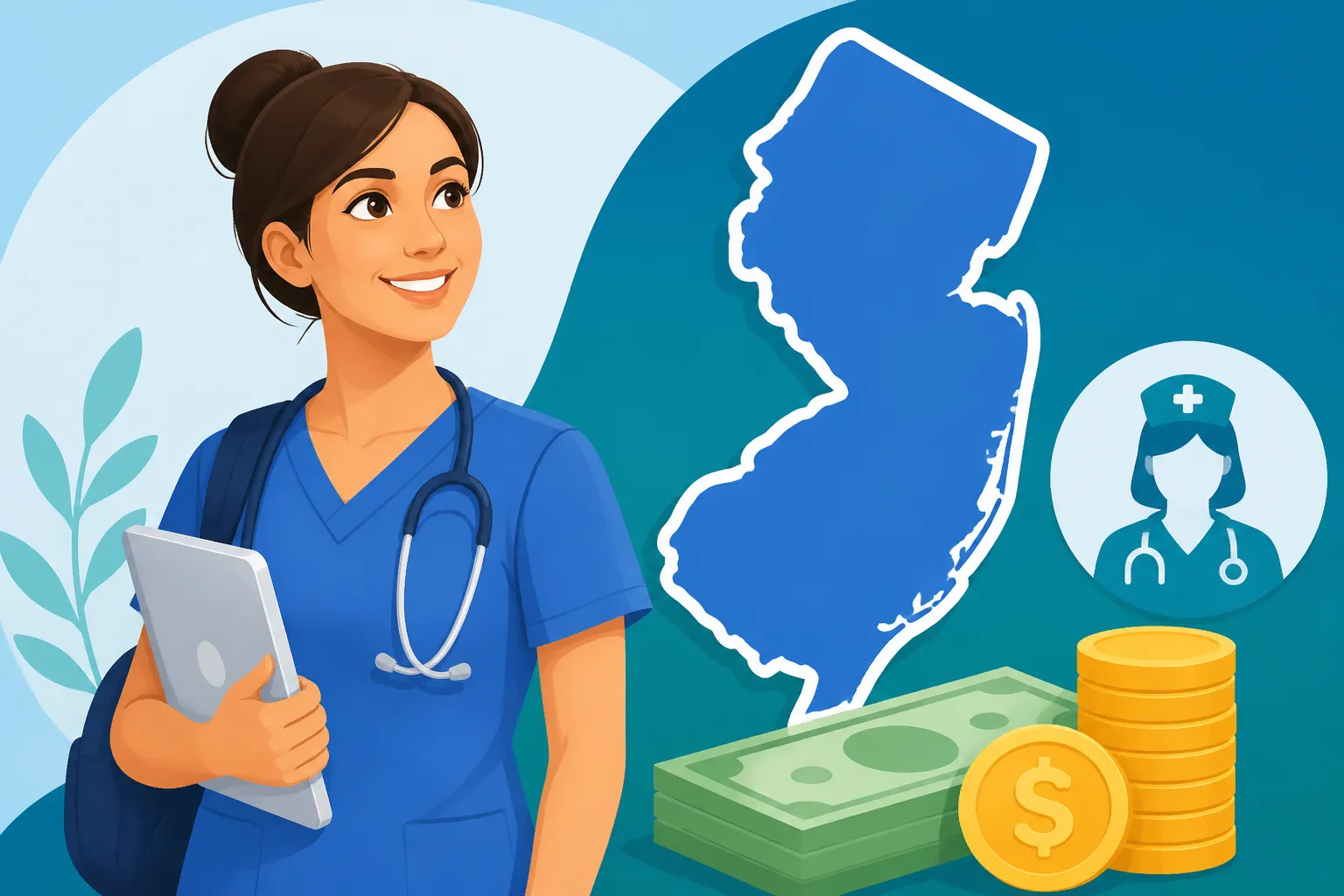
If you're a nurse, or aspiring to be one, in New Jersey, you know the struggle is real when it comes to understanding your paycheck. With the cost of living feeling like it’s constantly on the rise, getting a clear picture of what you can actually expect to earn is crucial for your financial planning and career trajectory. This guide is here to break down the complexities of nurse salaries across the Garden State, giving you a transparent look at the factors that influence your earning potential and how to make the most of your nursing career here.
The Landscape of Nurse Salaries in New Jersey: A General Overview
Let's cut right to it: New Jersey is one of the higher-paying states for nurses in the U.S., which is often a pleasant surprise for those considering working here, even if it's offset by the higher cost of living. The demand for skilled healthcare professionals continues to grow, and hospitals and other facilities are often willing to compensate well to attract and retain top talent. However, what you earn can vary wildly depending on your role, experience, and even where in New Jersey you choose to work.
Average Registered Nurse Salaries Across the State
When we talk about average salaries for Registered Nurses (RNs) in New Jersey, we're looking at numbers that generally sit comfortably above the national average. According to recent data, the average annual salary for an RN in New Jersey hovers around $96,000 to $98,000. This is significantly higher than the national average, which is typically in the low $80,000s. Of course, this is an average, meaning half of the nurses make more and half make less.
Think about what this average really means. It's influenced by nurses with varying years of experience, different educational backgrounds, and those working in diverse specialties. A brand-new graduate might start in the mid-$70,000s, while a seasoned nurse with decades of experience and specialized certifications could easily be pulling in over $110,000, or even more. The state’s dense population and proximity to major metropolitan areas like New York City and Philadelphia contribute to a robust healthcare market, fostering competitive wages.
Comparing NJ Nurse Salaries to National Averages
It’s always helpful to put things into perspective. Nationally, the median annual salary for registered nurses was around $81,220 in 2022, according to the U.S. Bureau of Labor Statistics (BLS). This means New Jersey nurses, on average, are earning roughly $15,000 to $17,000 more per year than the national median. This isn't pocket change!
However, it's not just about the raw numbers. The cost of living in New Jersey, particularly in the northern and central parts of the state, is notoriously high. Housing, taxes, and everyday expenses can eat into that higher salary quicker than you might expect. So, while the paychecks look impressive, the purchasing power might feel comparable to a lower salary in a state with a much lower cost of living. This is a common frustration nurses express – seeing the big number but feeling the squeeze when bills come in. It really highlights why it's so important to understand the full financial picture when considering a move or a job offer in the state.
Key Factors Driving Nurse Earnings in the Garden State
Nurse salaries aren't a one-size-fits-all deal. There are several significant factors that play a huge role in determining how much you'll take home each year. Understanding these can help you strategize your career path and make informed decisions about your education and specialty.
The Impact of Education and Certifications
Your educational background is arguably one of the most significant determinants of your earning potential. While an Associate Degree in Nursing (ADN) will get your foot in the door as an RN, a Bachelor of Science in Nursing (BSN) often translates to a higher starting salary and more opportunities for advancement. Hospitals in New Jersey, like many across the nation, are increasingly prioritizing BSN-prepared nurses, especially those seeking Magnet status or participating in quality improvement initiatives.
- ADN vs. BSN: On average, BSN-prepared nurses in New Jersey can expect to earn about $5,000 to $10,000 more annually than their ADN-prepared counterparts, right from the start. This gap tends to widen with experience. Many ADN nurses find pursuing an Online RN to BSN Programs: Complete Guide to be a worthwhile investment.
- Master's and Doctoral Degrees: If you truly want to boost your salary, pursuing an advanced degree like a Master of Science in Nursing (MSN) or a Doctor of Nursing Practice (DNP) is the way to go. Nurse Practitioners (NPs), Clinical Nurse Specialists (CNSs), Certified Registered Nurse Anesthetists (CRNAs), and Nurse Midwives (CNMs) command significantly higher salaries. For instance, the Nurse Practitioner Salary Guide shows average NP salaries in New Jersey can easily exceed $120,000 to $130,000, with CRNAs often earning well over $200,000. These advanced degrees open doors to specialized, autonomous practice, and with that comes substantially increased compensation.
- Specialty Certifications: Beyond your degree, specialty certifications can also increase your earning power. Whether it's a CCRN for critical care, CEN for emergency nursing, or OCN for oncology, these certifications demonstrate expertise and commitment to your field. While they might not add a huge bump to your base pay initially, they make you more marketable, often qualify you for higher-acuity units with better differentials, and can be crucial for advancing into leadership roles. Many nurses find studying with comprehensive platforms like Uworld incredibly helpful for preparing for these certification exams, ensuring they're well-equipped to demonstrate their specialized knowledge. Check out our guide on Nursing Certifications That Boost Pay for more insights.
Experience Level and Specialization
It’s no surprise that experience pays off. A new graduate RN, fresh out of their program, will start at the lower end of the salary spectrum. However, every year of experience adds value, skill, and often, a percentage increase to your pay.
- Entry-Level Nurses: New grads in New Jersey might start anywhere from $70,000 to $80,000, depending on the facility and location.
- Mid-Career Nurses (5-10 years experience): With 5-10 years under their belt, nurses can often see their salaries climb into the $90,000 to $105,000 range. They've honed their skills, perhaps taken on charge nurse duties, and are highly valued.
- Senior Nurses (10+ years experience): Highly experienced nurses, especially those in specialized or leadership roles, can push well past $110,000, sometimes reaching $120,000 or more annually.
Your chosen specialty also significantly impacts your earnings. Certain specialties are in higher demand or require more advanced skills, leading to better pay.
- High-Paying Specialties: Intensive Care Unit (ICU), Emergency Room (ER), Operating Room (OR), and Labor & Delivery (L&D) nurses often command higher wages due to the critical nature of their work and the specialized skills required. Travel nurses in these specialties, for example, can see incredibly lucrative contracts, especially during times of high demand. For a deeper dive into these roles, check out Nursing Specializations Explained.
- Lower-Paying Specialties: While no nursing role is "low-paying" in New Jersey, specialties like Med-Surg, long-term care, or school nursing might have slightly lower average salaries compared to the high-acuity units, though they often offer different benefits like more predictable hours or a different work-life balance.
Geographical Differences Within New Jersey
New Jersey is a surprisingly diverse state, and where you work within it can make a noticeable difference in your salary. Generally, areas closer to major metropolitan hubs tend to offer higher pay to offset the higher cost of living.
- Northern New Jersey: Hospitals in counties like Bergen, Essex, Hudson, and Union, especially those closer to New York City, tend to offer the highest salaries. This is often due to the intense competition for talent, the higher patient volumes, and the overall higher cost of living in these areas. You might find salaries pushing the upper bounds of the state average here.
- Central New Jersey: Regions like Middlesex, Monmouth, and Somerset counties also offer competitive wages, often slightly below the northernmost counties but still strong. These areas are still densely populated and have excellent healthcare systems.
- Southern New Jersey: Counties like Camden, Gloucester, and Burlington, while still offering good salaries, might see slightly lower averages than their northern counterparts. However, the cost of living in some of these areas can also be a bit more manageable, potentially balancing out the difference. Places like Atlantic City, with its unique demand for healthcare professionals, might also have specific wage structures.
When you're looking for jobs, it's worth comparing offers not just by the base salary, but by what that salary means for your lifestyle in that specific region.
Boosting Your Earning Potential: Strategies for New Jersey Nurses
You've got your license, you're working, but you're probably thinking, "How can I make more?" It's a valid question, especially in New Jersey! There are several proactive steps you can take to increase your take-home pay and advance your career.
Pursuing Advanced Degrees and Certifications
This really is one of the most direct paths to a fatter paycheck. We've touched on it before, but it bears repeating: further education and specialization are your best friends for salary growth.
- Master's Degrees: An MSN can open doors to becoming a Nurse Practitioner (FNP, PMHNP, AGACNP, etc.), a Nurse Educator, a Nurse Administrator, or a Clinical Nurse Specialist. These roles not only come with higher salaries but also increased autonomy and responsibility. Many online programs, such as those that allow you to earn an RN to MSN Without a BSN offer flexibility for working nurses.
- Doctoral Degrees: For the highest echelons of nursing, a DNP (Doctor of Nursing Practice) prepares you for advanced clinical practice, leadership, and executive roles. While requiring a significant time and financial investment, the DNP Salary Explained shows the return on investment can be substantial.
- Specialty Certifications: Beyond your degree, specific certifications validate your expertise and can lead to positions on specialty units that offer higher pay or shift differentials. For example, a Certified Emergency Nurse (CEN) or Certified Critical Care Registered Nurse (CCRN) is highly valued. Platforms like Uworld are fantastic for rigorous exam preparation, giving you the confidence needed to pass and earn those valuable credentials that employers look for. You can find more specific advice on How to Get a Nursing Certification.
Mastering Salary Negotiation and Job Searching
Many nurses, especially early in their careers, accept the first offer they receive. Don't! Salary negotiation is a skill, and it's one you can learn.
- Know Your Worth: Before any interview, research average salaries for your experience, education, and specialty in that specific New Jersey region. Websites like the BLS, Payscale, and Glassdoor can provide valuable data. Understand what other nurses with similar qualifications are making. Our article on How to Negotiate a Higher Nurse Salary can be a great starting point.
- Highlight Your Value: When negotiating, emphasize your unique skills, certifications, experience, and any additional responsibilities you've taken on. Did you precept new nurses? Lead a committee? Get great patient satisfaction scores? These add value.
- Consider the Whole Package: Salary isn't just about the base pay. Look at the benefits package: health insurance, retirement contributions (401k/403b match), tuition reimbursement, paid time off, shift differentials (evening, night, weekend), and opportunities for continuing education. Sometimes, a slightly lower base pay with excellent benefits can be better than a higher base with poor benefits.
- Strategic Job Search: Don't limit yourself to just one type of facility. While hospitals are major employers, consider ambulatory care centers, outpatient clinics, surgical centers, government agencies (like Veterans Affairs hospitals), and even corporate nursing roles. Sometimes, these alternative settings offer different pay structures or work-life balances that can be more appealing.
Leveraging Shift Differentials and Overtime
This is a common strategy for many working nurses to boost their income without necessarily pursuing a new degree or specialty.
- Shift Differentials: Most New Jersey hospitals offer additional pay for working evening, night, and weekend shifts. These differentials can add a significant amount to your hourly wage. If you're able to work these less popular shifts, it's an immediate way to increase your earnings. For example, a night shift differential might add $3-$5 per hour, which really adds up over a full pay period.
- Overtime Hours: If you're willing and able, picking up extra shifts, especially overtime shifts, can quickly increase your income. Overtime is typically paid at 1.5 times your regular hourly rate for hours worked over 40 in a week. Be mindful of burnout, though; it’s a marathon, not a sprint. How Much Do RNs Make Per Hour can help you calculate the real impact of these additional hours.
- Per Diem Work: Many nurses supplement their income by working "per diem" shifts at their own hospital or other facilities. This often comes with a higher hourly rate than full-time or part-time positions, as there are no benefits attached. It offers incredible flexibility and a great way to earn extra cash on your own terms.
Navigating the Job Market and Future Outlook for NJ Nurses
The nursing profession in New Jersey, much like the rest of the country, is projected to have a strong and positive job outlook for the foreseeable future. This means a relatively stable career path for those entering and remaining in the field.
Current Demand for Nurses in New Jersey
New Jersey, with its aging population and strong emphasis on healthcare access, continues to experience a high demand for qualified nurses. This demand is influenced by several factors:
- Aging Population: As the baby boomer generation ages, the need for healthcare services, especially chronic disease management and geriatric care, continues to rise. This fuels demand in hospitals, long-term care facilities, and home health agencies.
- Retirement of Experienced Nurses: A significant portion of the current nursing workforce is nearing retirement age. As these seasoned professionals leave the field, there's a constant need to replace them with new talent.
- Expanding Healthcare Services: Advances in medical technology and treatments mean more services can be offered, requiring more skilled nurses to deliver that care. This includes everything from advanced surgical procedures to specialized outpatient clinics.
- Pandemic Aftermath: The COVID-19 pandemic highlighted and exacerbated existing nursing shortages, particularly in critical care and emergency settings. While the immediate crisis has passed, the long-term impact on staffing levels and demand persists.
This consistent demand means that nurses in New Jersey generally have good job security and leverage when negotiating salaries and benefits. You can explore the broader context of Nursing Job Outlook and Demand for a national perspective.
Major Healthcare Systems and Employers
New Jersey is home to several large, prominent healthcare systems that are major employers of nurses. These systems often offer competitive salaries, comprehensive benefits packages, and opportunities for career growth and professional development. They are excellent places to look for employment, especially for those seeking to build a long-term career.
Some of the largest and most influential healthcare systems in New Jersey include:
- RWJBarnabas Health: One of the largest and most comprehensive healthcare networks in the state, with numerous hospitals and facilities across central and northern New Jersey. They offer a wide range of specialties and career paths.
- Hackensack Meridian Health: Another expansive network with multiple hospitals, including academic medical centers and community hospitals. They are often at the forefront of medical innovation and research.
- Atlantic Health System: Predominantly serving northern and central New Jersey, this system includes several well-regarded hospitals known for their patient care and employee satisfaction.
- Virtua Health: A major player in Southern New Jersey, offering a robust network of hospitals, ambulatory centers, and physician groups.
- Penn Medicine Princeton Health: While affiliated with the larger Penn Medicine system in Pennsylvania, its presence in central New Jersey makes it a significant employer.
Many of these large systems are Magnet-recognized or are pursuing Magnet status, which often means a strong commitment to nursing excellence, professional development, and competitive compensation. When you're considering a hospital, researching their size, specialty offerings, and whether they're Magnet-recognized can give you a good idea of the work environment and potential for growth.
Future Salary Projections and Career Growth
The outlook for nurse salaries in New Jersey remains positive. The continued demand, coupled with inflation and the increasing complexity of healthcare, suggests that salaries will continue to rise over the coming years.
- Steady Growth: Experts project a steady, incremental increase in nursing salaries, typically outpacing inflation slightly, ensuring that nursing remains a financially rewarding career.
- Specialty and Advanced Practice Growth: The fastest growth in salary and opportunities will likely continue to be in advanced practice roles (NPs, CRNAs) and highly specialized areas. As healthcare becomes more specialized, nurses with niche skills will be increasingly valued and compensated.
- Leadership and Management: For RNs who enjoy administrative work, moving into roles like charge nurse, nurse manager, or director of nursing can also lead to significant salary bumps. These positions often require a BSN or MSN and considerable experience.
- Technological Impact: As healthcare incorporates more technology, nurses with informatics skills will also be in demand, opening up new, potentially high-paying career avenues.
Understanding these trends can help you make strategic decisions about your education and career path to maximize your earning potential throughout your nursing journey in New Jersey. Always remember that the investment in your education, whether it's an Accelerated BSN Programs Explained or an MSN, often yields significant returns in the long run.
| Nursing Role | Average Annual Salary in New Jersey | Typical Education Level | Key Factors Influencing Pay |
|---|---|---|---|
| Licensed Practical Nurse (LPN) | $60,000 – $65,000 | Diploma/Certificate | Experience, healthcare setting (e.g., long-term care vs. clinic) |
| Registered Nurse (ADN-prepared) | $75,000 – $85,000 | ADN | Experience, facility type, shift differentials, location |
| Registered Nurse (BSN-prepared) | $80,000 – $110,000 | BSN | Experience, specialty certification, hospital size/type, location |
| Nurse Practitioner (NP) | $120,000 – $140,000+ | MSN/DNP | Specialty (e.g., FNP, PMHNP), experience, practice setting, autonomy |
| Certified Registered Nurse Anesthetist (CRNA) | $200,000 – $250,000+ | MSN/DNP | Experience, practice setting, on-call requirements, location |
| Nurse Educator | $85,000 – $105,000 | MSN/DNP | Experience, institution (e.g., university vs. hospital staff educator) |
Please note: These are estimated averages and can vary based on specific employer, location, and market conditions.
Disclaimer
The information provided in this guide is for general informational purposes only and does not constitute financial, career, or legal advice. Salary figures are estimates based on available data and can fluctuate. Always consult with a qualified financial advisor or career counselor for personalized guidance.