Walden Accelerated BSN Program Overview
Thinking about making a career shift into nursing, especially if you've already got a bachelor's degree in a completely different field, can feel like a monumental task. Many aspiring nurses grapple with the idea of going back to school full-time for years, wondering if it's even feasible with life's other demands. This guide is here to shed light on one popular option: the Walden Accelerated BSN (Bachelor of Science in Nursing) program, offering a detailed overview to help you decide if it’s the right path for your journey.
Understanding the Walden Accelerated BSN Program
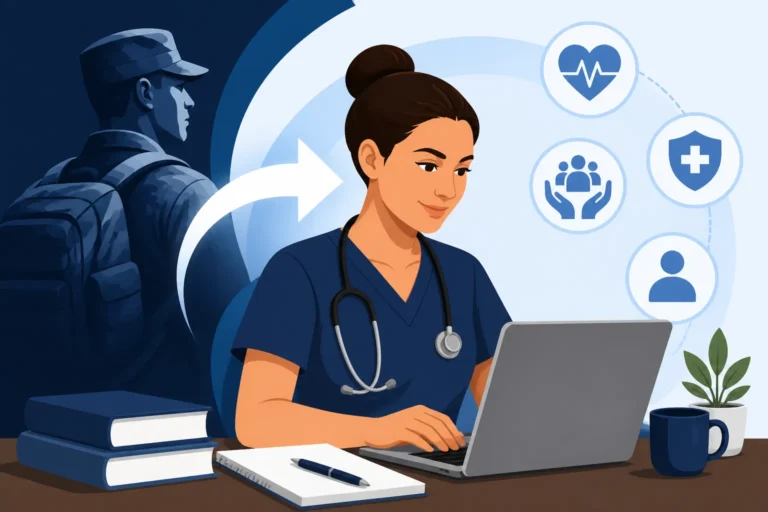
Let's face it, the thought of pursuing a nursing degree when you already hold a bachelor's in another discipline can be both exciting and daunting. You've already put in the time and effort for one degree, and now you're considering another, often with a demanding clinical component. The Walden Accelerated BSN program is designed specifically for individuals like you—those who have a non-nursing bachelor's degree and are ready to transition into the fast-paced, rewarding world of nursing. It's built to leverage your existing academic foundation, allowing you to complete your nursing education more quickly than a traditional four-year program.
What an Accelerated BSN Entails
An Accelerated BSN is essentially a condensed, intensive nursing program that recognizes your previous college coursework. Instead of starting from scratch, you're building on your existing knowledge base, particularly in general education requirements. This means you’re diving straight into core nursing concepts, often with a heavier course load per term. It's not a shortcut, but rather an efficient route for dedicated students who are eager to become registered nurses (RNs) quickly. These programs are notoriously rigorous, requiring a significant commitment of time and mental energy, often making it difficult to maintain outside employment during the program. For a deeper dive into these programs, you might find our guide on Accelerated BSN Programs Explained particularly helpful.
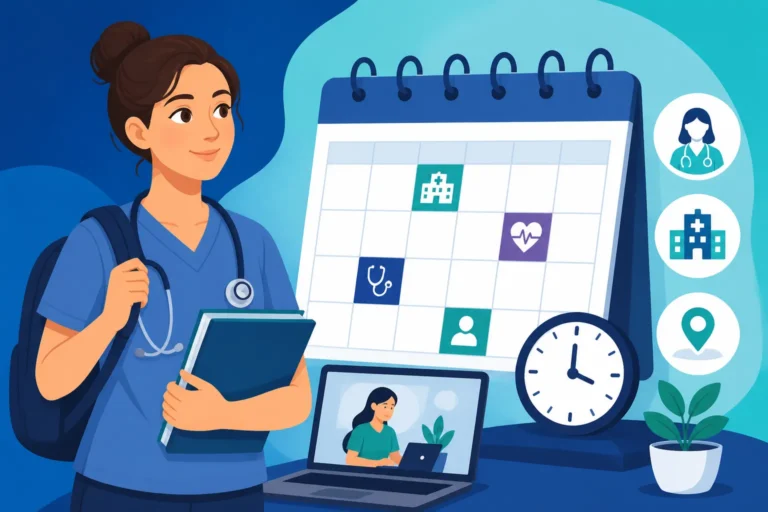
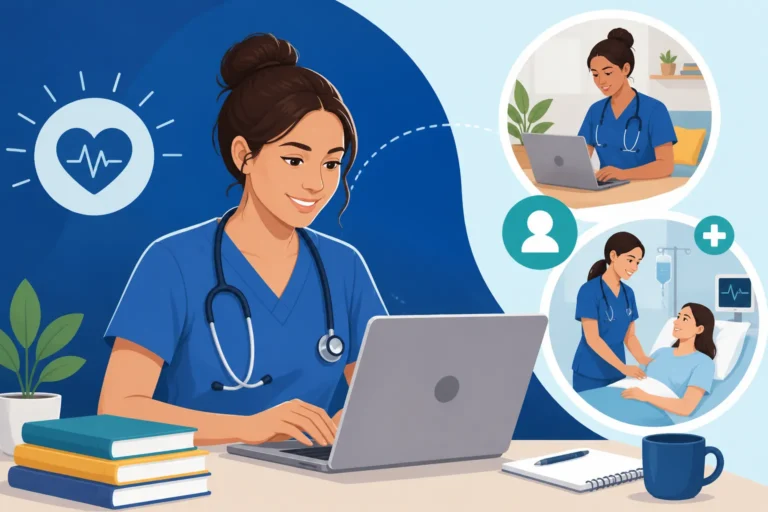
The structure of Walden's program, like many others, combines online didactic coursework with hands-on clinical experiences that are arranged in your local community. This hybrid approach offers flexibility for the academic portion, letting you manage your studies around your own schedule, while ensuring you get the essential practical skills needed for patient care. It’s an ideal setup for those who thrive in a structured yet adaptable learning environment.
Walden University's Approach to Nursing Education
Walden University has long been a presence in online education, and their Accelerated BSN program reflects their expertise in delivering accessible yet rigorous academic experiences. They understand that adult learners, especially those changing careers, need programs that fit their complex lives without sacrificing quality. Their curriculum is rooted in evidence-based practice and designed to prepare students for the demands of modern healthcare, from critical thinking and leadership to patient advocacy.
The program emphasizes a holistic approach to nursing, aiming to cultivate nurses who are not just clinically competent but also compassionate and culturally aware. This means you'll be engaging with coursework that covers everything from foundational nursing principles and pharmacology to community health and advanced physical assessment. Walden’s online platform is designed to be interactive, fostering discussions and collaborative learning, even in a virtual environment. They also have a clear focus on preparing you for the NCLEX-RN exam, integrating preparation tools and resources directly into the curriculum.
Navigating Admission Requirements and Application
So, you're intrigued by the idea of an Accelerated BSN and Walden's approach. The next big hurdle, and often the most intimidating one, is understanding and meeting the admission requirements. It can feel like deciphering a complex puzzle, especially when you're comparing different programs. Walden, like most reputable institutions, has specific criteria to ensure that admitted students are prepared for the intensity of the program.
Essential Prerequisite Courses and GPA
Before you even think about applying, you'll need to make sure you have the necessary prerequisite courses under your belt. These are foundational science and general education courses that lay the groundwork for nursing studies. Typically, this includes courses like Anatomy and Physiology I & II, Microbiology, Chemistry, Nutrition, Statistics, and sometimes developmental psychology or ethics. These can often be the make-or-break point for many applicants. If you're currently assessing your transcripts, our article on Accelerated BSN Prerequisites Explained offers a comprehensive checklist.
Walden, like many competitive ABSN programs, also has a minimum GPA requirement for these prerequisite courses, as well as an overall undergraduate GPA. While exact numbers can fluctuate, it's generally expected that applicants will have a competitive GPA, often 2.5 or higher, for both their previous bachelor's degree and their science prerequisites. If your previous grades weren't stellar, don't despair completely. Sometimes, showing recent academic success in new prerequisite courses can demonstrate your readiness. They are looking for students who can handle the demanding pace, and strong academic performance in challenging science courses is a key indicator.
The Application Process and Supporting Documents
Once you've confirmed your eligibility regarding prerequisites and GPA, it's time to tackle the actual application. This isn't just a simple form; it's your opportunity to present a comprehensive picture of yourself as a future nurse. The application typically includes submitting official transcripts from all previously attended institutions, a resume highlighting any relevant healthcare experience (volunteer or paid), and a compelling personal statement or essay.
Your personal statement is where you can truly shine and articulate why you want to become a nurse and why you believe the Walden Accelerated BSN is the right fit for you. Think about sharing your personal journey, any experiences that solidified your decision, and how your previous degree has prepared you for the critical thinking and problem-solving required in nursing. Additionally, you might need letters of recommendation from academic or professional contacts who can speak to your character and capabilities. Be sure to give your recommenders plenty of time. Successfully navigating this process is crucial, and our guide on How to Get into an Accelerated BSN Program provides excellent tips for strengthening your application.
The Learning Experience: Curriculum and Clinicals
Embarking on an Accelerated BSN program is a transformative experience, and Walden’s program is no exception. It’s a rigorous journey designed to mold you into a competent and compassionate registered nurse in a compressed timeframe. Understanding the blend of online learning and hands-on clinicals is key to managing expectations and thriving in the program.
Online Coursework and Learning Tools
The academic backbone of the Walden Accelerated BSN is delivered through its online learning platform. This is where you'll engage with lectures, readings, discussions, assignments, and exams. While the flexibility of online learning is a huge perk, it demands significant self-discipline and strong time management skills. You're not just passively watching videos; you're actively participating, collaborating with peers, and critically analyzing complex nursing concepts. The online format allows students from various locations to access the program, making it a viable option for those who might not have a local ABSN program.
Walden utilizes various digital tools and resources to support learning. This often includes access to extensive online libraries, virtual simulation labs to practice clinical decision-making, and robust discussion forums for peer interaction. Many programs also integrate NCLEX preparation tools early on. For example, resources like Uworld are often recommended, if not directly integrated, to help students continually assess their knowledge and test-taking skills, which is absolutely vital for success on the licensure exam. These integrated tools are designed to ensure you’re not just learning the material, but also mastering the application and critical thinking necessary for the NCLEX and real-world practice.
Clinical Placements and Hands-On Experience
While the theoretical knowledge is delivered online, nursing is ultimately a hands-on profession. This is where clinical placements come in. Walden's program requires students to complete supervised clinical hours in healthcare facilities within their local communities. This can sometimes be a point of anxiety for online students, as finding and securing these placements can be challenging. However, Walden typically has a dedicated team to assist students in coordinating these essential experiences. These clinicals are not just about observing; they're about actively participating in patient care, applying what you've learned in your online courses, and developing critical skills under the direct supervision of experienced preceptors.
You'll gain invaluable experience across various specialties, such as medical-surgical, pediatrics, obstetrics, psychiatric nursing, and community health. These rotations are crucial for developing your clinical judgment, communication skills, and understanding the diverse roles of a registered nurse. For many, these are the moments where the abstract concepts from online lectures truly click into place. It's a demanding but incredibly rewarding part of the program, preparing you for the realities of the nursing profession. For more insights into the practical components, check out our article on Accelerated BSN Clinical Requirements.
Cost, Financial Aid, and Career Prospects
Let's be real: investing in a second degree, especially an accelerated one, is a significant financial commitment. Understanding the full scope of costs and available aid, as well as the potential return on that investment, is crucial for making an informed decision.
Tuition and Associated Fees
The tuition for an Accelerated BSN program can vary widely, but it's generally a substantial figure. Walden's program, like others, will have a per-credit hour cost, and you'll need to factor in additional fees for things like technology, program materials, and clinical site access. It's important to get a detailed breakdown of all costs directly from Walden's admissions or financial aid office. Don't forget to account for indirect costs, such as textbooks, nursing uniforms, necessary medical equipment (like a stethoscope and blood pressure cuff), transportation to clinical sites, and licensure exam fees. For a thorough exploration of these financial aspects, our guide on How Much Does an Accelerated BSN Cost can provide broader context.
The total cost can easily range into the tens of thousands of dollars, so a clear financial plan is essential. Some students find that comparing the total cost of an online ABSN to a traditional in-person program is beneficial, as factors like commuting and living expenses can differ. It’s an investment, but one that often pays dividends in terms of career opportunities and increased earning potential.
Funding Your Accelerated BSN
Worried about how you'll pay for it all? You're not alone. Thankfully, there are several avenues for financial assistance available to Accelerated BSN students. Federal financial aid, such as grants and student loans, is often the first stop. To determine your eligibility, you'll need to complete the Free Application for Federal Student Aid (FAFSA). Many students also explore private scholarships specifically for nursing students or those pursuing second-degree programs. Walden University itself may offer institutional scholarships or payment plans to help ease the financial burden.
Beyond traditional financial aid, don't overlook potential employer tuition assistance or reimbursement programs if you're currently working in a healthcare setting. Some hospitals or clinics are keen to invest in their employees' professional development, especially in high-demand fields like nursing. Veterans and military families also have access to specific benefits that can significantly cover educational costs. Exploring every possible funding option is a critical step in making your nursing education affordable and manageable.
Career Outlook and Earning Potential
After all that hard work, what's waiting for you on the other side? A robust and growing job market, that's what! Earning your BSN, especially through an accelerated program, positions you well for a dynamic career in nursing. The demand for registered nurses, particularly those with a BSN, continues to be strong across the United States. Hospitals, clinics, community health centers, schools, and even corporations are consistently seeking qualified nurses.
Graduates of Accelerated BSN programs are just as qualified as those from traditional programs and often enter the workforce with a heightened sense of discipline and purpose given the intensity of their education. Having a BSN also opens doors to more advanced roles, leadership positions, and opportunities for further specialization or graduate study, such as pursuing an Online MSN Programs Complete Guide or becoming a How to Become a Nurse Practitioner. While starting salaries for new BSN graduates can vary by location and specialty, nurses with a BSN generally earn more than those with an ADN over their careers, and the potential for career growth and increased earnings is significant. Many sources, including job boards like Indeed and platforms like the Bureau of Labor Statistics, consistently show favorable job growth and competitive salaries for BSN-prepared nurses.
Important Considerations for Walden's Program
While the Walden Accelerated BSN program offers a compelling path for many, it's vital to consider a few specific aspects to ensure it aligns with your personal and professional needs. An accelerated program is not for everyone, and Walden's particular structure, while flexible, comes with its own set of expectations.
Program Intensity and Time Commitment
Make no mistake, an Accelerated BSN is a sprint, not a marathon. It’s incredibly intense. You're condensing years of material into a much shorter timeframe, meaning a heavy course load and a demanding schedule. For Walden's online component, this translates into rigorous weekly assignments, constant engagement with material, and often little downtime between terms. If you’re considering an accelerated program, you really need to carve out a significant amount of dedicated study time each week, often 40-60 hours, similar to a full-time job. Our guide on How Hard Is an Accelerated BSN delves into the realities of this intensity.
This level of commitment often means sacrificing other aspects of your life temporarily. Working full-time during an ABSN program is generally not recommended, and even part-time work can be challenging to balance. You’ll need a strong support system at home and the discipline to prioritize your studies above almost everything else. While the online format offers flexibility in when you study, it doesn't reduce the amount of study required.
Accreditation and Licensure
When choosing any nursing program, accreditation is paramount. It ensures the program meets specific quality standards and, critically, that its graduates are eligible to sit for the NCLEX-RN exam and apply for licensure. Walden University's nursing programs are typically accredited by the Commission on Collegiate Nursing Education (CCNE), which is a widely recognized and respected accrediting body. This is a non-negotiable factor. Always double-check a program's accreditation status directly on the CCNE or ACEN website.
Beyond national accreditation, you'll also need to ensure that Walden’s program meets the specific licensure requirements for the state where you intend to practice. Nursing licensure is handled at the state level, and while a CCNE-accredited BSN is widely accepted, some states may have unique requirements for online programs or clinical placements. It’s always a good idea to contact your state's Board of Nursing early in your research process to confirm eligibility. This due diligence is crucial for a smooth transition from student to licensed registered nurse.
Student Support and Resources
Even in an online environment, strong student support is critical for success, especially in a challenging program like an Accelerated BSN. Walden University, as an experienced online institution, typically provides a range of resources designed to help students thrive. This includes academic advising, technical support for the online learning platform, career services for post-graduation job searches, and mental health support.
For clinical placements, Walden often has a dedicated team or network to assist students in finding approved sites and preceptors in their geographic area. This support can alleviate a major source of stress for online ABSN students. Additionally, online programs often foster strong peer-to-peer support through discussion forums and virtual study groups, which can be just as valuable as in-person connections. When you're facing a tough assignment or feeling overwhelmed, knowing you have accessible support systems can make all the difference.
Disclaimer
Please remember that the information provided in this guide is for general informational purposes only and does not constitute professional advice. Program details, admission requirements, tuition costs, and accreditation status can change. It is essential to verify all current information directly with Walden University's admissions department and consult with a financial aid advisor or academic counselor for personalized guidance. Always confirm that any program you consider meets your state's licensure requirements before enrolling.