Accelerated BSN for Military Veterans
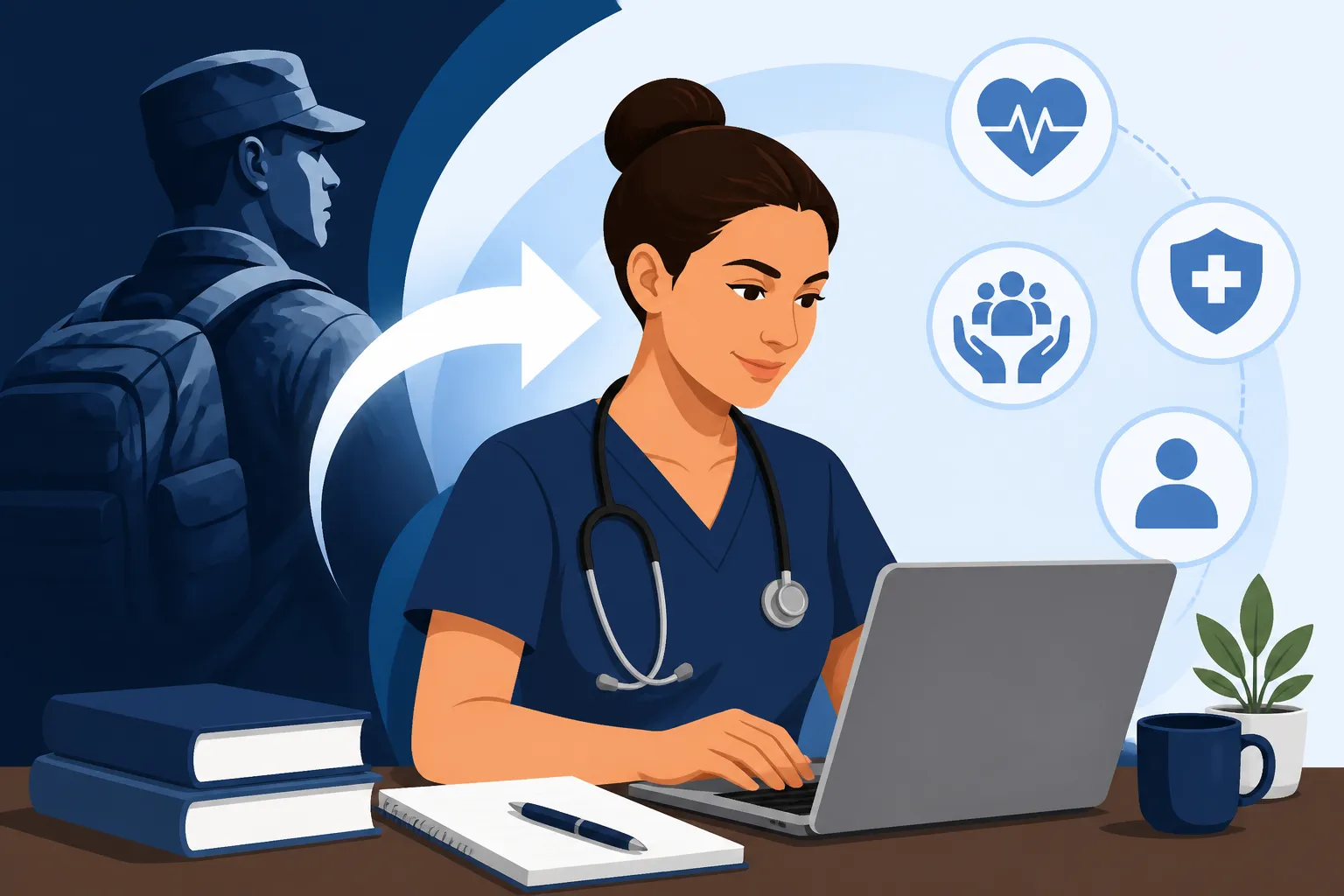
Transitioning from military service to a civilian career can feel like navigating a whole new world, especially when you're looking to embark on a demanding path like nursing. Many veterans face the challenge of finding a program that respects their past experience, fits their drive, and gets them into a fulfilling new role quickly. This comprehensive guide is designed specifically for military veterans considering an Accelerated BSN (ABSN) program, exploring how your unique background can be a huge asset and outlining the steps to successfully earn your nursing degree.
Why an Accelerated BSN is a Great Fit for Veterans
For many veterans, the idea of going back to school for a traditional four-year degree can feel like a step backward or too slow. You've already dedicated years of your life to service, often in high-pressure environments, and you're ready for the next chapter. That's where an Accelerated BSN truly shines. It’s designed for individuals who already hold a bachelor's degree in another field, or in the case of some veterans, extensive college credits and practical experience, allowing them to earn their Bachelor of Science in Nursing (BSN) in a condensed timeframe.
Leveraging Military Experience and Discipline
Your time in the military has instilled in you a unique set of skills that are incredibly valuable in nursing. Think about it: nurses operate in fast-paced, high-stakes environments, often requiring quick thinking, problem-solving under pressure, and impeccable teamwork. Does that sound familiar?
The discipline you gained from early mornings, rigorous training, and adherence to protocols directly translates to the demands of nursing school and clinical practice. Many veterans have experience with leadership, critical decision-making, and managing complex situations, all of which are core competencies for a successful nurse. Your ability to adapt, learn quickly, and maintain composure in stressful situations will give you a significant advantage in an accelerated program. It’s not just about what you learned in a classroom; it’s about the resilience and practical know-how you developed through service.
The Urgency of Transitioning to a Civilian Career
Let's be real, after serving, many veterans are eager to establish themselves in a new career, provide for their families, and regain a sense of purpose and stability. The traditional nursing school path, which can take four years, might seem too long, especially if you're already carrying student loan debt from a previous degree or trying to manage family responsibilities.
An ABSN program significantly cuts down the time it takes to earn your BSN, typically ranging from 11 to 18 months. This faster track means you can enter the job market sooner, begin earning a competitive salary, and start making a tangible difference in people's lives without prolonged academic commitment. For those who feel an urgency to transition and build a new life quickly, understanding how long is an Accelerated BSN and its condensed timeline makes it an incredibly attractive option.
Understanding Accelerated BSN Programs for Veterans
When you're looking at ABSN programs, it's not just about finding a quick path; it's about finding the right quick path that understands and supports your unique background as a veteran. There are specific considerations for how your military education and benefits can play a pivotal role.
Core Requirements and Transferable Credits for Veterans
Most Accelerated BSN programs require applicants to have a bachelor's degree in a non-nursing field, along with a set of specific prerequisite science and general education courses. This is where your academic record from your military service, or previous college endeavors, becomes crucial. Many institutions are adept at evaluating Joint Services Transcripts (JST) or Community College of the Air Force (CCAF) transcripts to award credit for military training and coursework.
It's common for veterans to have completed general education courses during their service or prior college attendance. However, specific science prerequisites like Anatomy and Physiology, Microbiology, and Chemistry are almost always required and must meet certain recency guidelines. If you need to complete these, look into reputable online courses or community college options. Many veterans find that their military discipline makes tackling these courses efficiently quite manageable. Understanding the full scope of Accelerated BSN Requirements Explained is essential for a smooth application process.
Pro-Tip for Veterans: Always, always request an official evaluation of your JST or CCAF transcripts early in the process. Some programs may offer a more generous transfer policy for veteran applicants, and it's worth exploring how many credits for an RN to BSN program you might already have covered. For any outstanding prerequisites or to prepare for entrance exams, resources like Uworld can be incredibly helpful for refreshing your knowledge and building confidence.
Financial Aid and Support for Veteran Students
One of the biggest concerns for anyone returning to school is how to pay for it. As a veteran, you have access to some of the most robust financial aid programs available, which can significantly reduce or even eliminate the out-of-pocket costs of an ABSN.
- GI Bill Benefits: The Post-9/11 GI Bill (Chapter 33) is arguably the most comprehensive benefit, covering tuition and fees, providing a monthly housing allowance (MHA), and a book and supply stipend. The Montgomery GI Bill (MGIB-AD, Chapter 30) also offers substantial educational assistance. It’s crucial to understand which benefits you're eligible for and how to maximize them. Many schools have a dedicated Veteran Services Office that can help you navigate these complex processes.
- Yellow Ribbon Program: If your tuition costs exceed the annual maximum covered by the Post-9/11 GI Bill, the Yellow Ribbon Program, a provision of the Post-9/11 GI Bill, can help cover the difference. Not all schools participate, and participation levels vary, so research this carefully when comparing programs.
- Other VA Education Benefits: Explore other potential benefits such as the Veteran Readiness and Employment (VR&E) program (Chapter 31) for service-disabled veterans, or the Survivors’ and Dependents’ Educational Assistance (DEA) program (Chapter 35) for eligible dependents.
- Federal Student Aid: Don't forget to complete the Free Application for Federal Student Aid (FAFSA). This form determines your eligibility for federal grants, work-study programs, and federal student loans. Even with GI Bill benefits, federal aid can supplement your funding.
- Scholarships: Beyond federal programs, numerous scholarships are specifically for veterans, active-duty service members, and their families. Organizations like the Pat Tillman Foundation, Army Nurse Corps Association, and various state nursing associations offer scholarships. Many schools also have their own veteran-specific scholarships. Looking into Accelerated BSN Financial Aid will provide a more detailed overview of all your funding options.
Navigating these financial aspects can feel like another deployment, but there are resources to help. A quick call or visit to the Veteran Services office at any prospective school will be invaluable.
Choosing the Right Accelerated BSN Program
With so many programs out there, picking the right Accelerated BSN can feel overwhelming. For veterans, there are a few extra layers to consider that can make a big difference in your success and overall experience.
Accreditation and Veteran-Friendly Schools
First things first: accreditation. This isn't just a suggestion; it's a non-negotiable requirement. Your ABSN program must be accredited by either the Accreditation Commission for Education in Nursing (ACEN) or the Commission on Collegiate Nursing Education (CCNE). If a program isn't accredited, you won't be eligible to sit for the NCLEX-RN exam, nor will your degree be recognized by employers or for future graduate studies. Understanding CCNE vs ACEN Accreditation Explained is paramount.
Beyond accreditation, consider schools that actively promote themselves as veteran-friendly. These institutions often have:
- Dedicated Veteran Service Centers: Staffed with individuals who understand your benefits, the application process, and potential challenges you might face.
- Veteran Student Organizations: A community of fellow veterans who can offer peer support, mentorship, and a sense of belonging.
- Flexible Policies: Some schools may offer more flexibility regarding transfer credits, admissions requirements, or military leave policies.
- Clinical Placement Support: Programs that actively work to secure diverse clinical placements for their students, including those sensitive to veteran needs or locations.
When you're comparing programs, it’s worth asking specific questions about their veteran support services and their track record with veteran students. You've earned the right to a supportive academic environment.
Online vs. Hybrid Options for Flexibility
The structure of an ABSN program can significantly impact your ability to balance your studies with life outside of school. Many veterans, especially those with families or who need to continue working part-time, benefit from flexible learning options.
- Online Accelerated BSN Programs: Some programs offer a fully online didactic (classroom) component, with in-person clinical rotations typically completed at healthcare facilities near your residence. This can be ideal if you need geographic flexibility, don't want to relocate, or prefer the self-paced nature of online learning for certain subjects. However, "fully online" can be a bit misleading for an ABSN, as clinical hours are always a requirement.
- Hybrid Accelerated BSN Programs: These programs blend online coursework with on-campus labs and simulation experiences, along with your in-person clinicals. This can offer a good balance, allowing for some flexibility while still providing hands-on instruction and direct faculty interaction.
- Traditional On-Campus Accelerated BSN Programs: These require regular attendance for all lectures, labs, and simulations, in addition to clinicals. While less flexible, they can provide a very structured and immersive learning environment that some veterans prefer, mimicking the routine they may be accustomed to.
When evaluating your options, think about your personal learning style, your family commitments, and your willingness to commute. For many, a hybrid approach or an online program with local clinicals, offers the best balance. Consider how RN to BSN Online vs In-Person might compare, although for ABSN, the clinical component is always a hands-on requirement.
Navigating the Application Process as a Veteran
Applying to an Accelerated BSN program can be competitive. As a veteran, you have unique experiences that can set you apart, but it's crucial to present them effectively.
Translating Military Experience into Application Strengths
Your military service isn't just a line item on your resume; it's a testament to your character, capabilities, and readiness for a challenging career. When crafting your application, think about how to frame your military experience in terms of nursing competencies.
- Leadership and Teamwork: Did you lead a squad, manage logistics, or train new recruits? These experiences demonstrate leadership, delegation, and collaborative skills vital in nursing.
- Problem-Solving and Critical Thinking: Nurses constantly face unexpected situations. Highlight instances where you had to think on your feet, assess a rapidly changing environment, and make critical decisions, even under duess.
- Adaptability and Resilience: The military demands adaptability. Show how you've thrived in diverse environments, learned new skills quickly, and bounced back from challenges.
- Communication: Effective communication is at the heart of nursing. Emphasize any roles where you had to communicate complex information clearly, de-escalate situations, or coordinate efforts across different teams.
- Service and Compassion: Ultimately, nursing is about caring for others. Connect your military service, which is inherently about serving, to your desire to care for patients in a healthcare setting.
Your personal statement is the perfect place to weave these narratives. Don't just list your duties; tell a story that illustrates how your military background has prepared you to excel in an ABSN program and as a nurse. Remember, strong Accelerated BSN Admission Requirements often value diverse backgrounds.
Essential Documents and Deadlines
Beyond your military transcripts, you'll need standard application documents. These typically include:
- Official Transcripts: From all previous colleges and universities, including your JST or CCAF.
- Letters of Recommendation: Aim for academic or professional references who can speak to your work ethic, maturity, and suitability for an intensive program.
- Resume/CV: Tailor it to highlight your military experience and any healthcare-related roles or volunteer work.
- Personal Statement/Essay: Your opportunity to tell your story and demonstrate your passion for nursing.
- Proof of Prerequisite Completion: Ensure all required science and general education courses are completed and meet grade requirements.
- Background Check/Drug Screen: Most programs will require these prior to clinical placements.
- DD-214: Your Certificate of Release or Discharge from Active Duty will be essential for verifying your veteran status and accessing benefits.
Pay close attention to application deadlines. Accelerated programs often have multiple start dates throughout the year, but the application windows can be narrow. Missing a deadline can mean waiting months for the next cohort. Organization and proactive planning are your best allies here. Preparing for the Accelerated BSN Application Timeline early will ease the process.
Success Strategies for Veterans in an ABSN Program
An Accelerated BSN program is rigorous. It compresses years of learning into a short timeframe, demanding intense focus and commitment. As a veteran, you have an inherent advantage with your discipline, but even the most prepared individuals need strategies to succeed.
Academic Support and Veteran Resources
Don't be afraid to ask for help or utilize the resources available to you. You've earned them!
- Veteran Services Office: As mentioned, this office is your hub for everything from GI Bill questions to connecting with other veteran students. They can often point you to academic support specifically for veterans.
- Tutoring and Academic Advising: If you're struggling with a particular subject, especially foundational sciences that might have been a while ago, seek out tutoring. Academic advisors can help you manage your course load and stay on track.
- Student Success Centers: Most universities offer writing centers, study skills workshops, and peer mentoring programs. These resources can be invaluable for honing your academic skills.
- Mental Health and Wellness Services: The transition to civilian life and the intensity of an ABSN program can be stressful. Don't hesitate to access counseling services or support groups. Many universities have services specifically tailored for veterans. The VA also offers a wide range of mental health services.
- Peer Support: Connect with your classmates, especially other veterans. Creating study groups and having a network of peers who understand the unique challenges of the program can be incredibly motivating and beneficial. For instance, using study aids like Uworld with a study group can make complex topics more digestible and reinforce learning.
Remember, seeking support is a sign of strength, not weakness. You wouldn't go into a mission without proper reconnaissance and backup, so apply the same principle to your academic journey.
Balancing Demands and Maintaining Well-being
The pace of an ABSN program is fast, and balancing academics with personal life is a constant challenge. This is particularly true for veterans who might be managing family responsibilities, part-time work, or ongoing health needs.
- Time Management is Key: Create a detailed schedule, allocate specific study blocks, and stick to them. Treat your studies like a full-time job (or more!). Be realistic about what you can accomplish in a day. Effective Accelerated BSN Study Tips often emphasize diligent scheduling.
- Prioritize Self-Care: It's easy to get caught up in the grind, but neglecting your physical and mental health will ultimately lead to burnout. Schedule time for exercise, healthy meals, sleep, and activities that help you de-stress, even if it's just 30 minutes a day.
- Communicate with Your Support System: Let your family and friends know the demands of your program. Their understanding and support will be vital. Don't be afraid to delegate household tasks or ask for help with childcare.
- Financial Planning: While your GI Bill benefits are substantial, having a clear financial plan for living expenses can reduce stress. Explore options for How to Pay for an Accelerated BSN that go beyond tuition.
- Set Realistic Expectations: You won't be able to do everything. It's okay to say no to social engagements or extracurricular activities that might detract from your studies or well-being. This is a temporary, intensive period in your life, and the reward will be worth it.
By leveraging your inherent discipline, proactively seeking support, and prioritizing your well-being, you can successfully navigate the rigors of an Accelerated BSN program. Once you're done, the world of nursing opens up, and you'll be ready for exciting career paths and opportunities. Many ABSN graduates even pursue an Accelerated BSN to MSN Path later in their careers. The Accelerated BSN Job Prospects After Graduation are strong, offering a fulfilling career where your service continues, just in a different uniform.
Is an Accelerated BSN Worth It for Veterans?
Deciding to pursue an Accelerated BSN is a significant commitment, both in time and effort. For veterans, however, the return on investment can be particularly high, offering a swift transition into a stable, in-demand, and meaningful profession.
Bridging the Gap from Service to Civilian Healthcare
Many veterans find that the healthcare field provides a natural continuation of their desire to serve and make a positive impact. Nursing, in particular, offers a direct patient care role where your empathy, resilience, and problem-solving skills are valued daily.
An ABSN program fast-tracks you into this career, allowing you to quickly leverage your existing academic foundation and military experience. Instead of spending years on entry-level jobs or another full bachelor's degree, you can become a registered nurse (RN) in as little as 11-18 months. This rapid entry into the workforce means you start earning a competitive salary sooner, gaining invaluable clinical experience, and building a new professional identity. It’s a powerful way to bridge the gap and avoid feeling stuck in a prolonged transition. When considering Is an Accelerated BSN Worth It, for veterans, the answer is often a resounding yes.
Expanding Career Opportunities and Earning Potential
A Bachelor of Science in Nursing (BSN) degree is increasingly becoming the industry standard, and in many healthcare systems, a BSN is preferred or even required for entry-level positions. For example, many Magnet® hospitals, known for their nursing excellence, mandate that all nurse leaders and managers hold a BSN or higher, and aim for a high percentage of their staff nurses to have a BSN. This preference means that earning your BSN through an accelerated program can significantly broaden your job opportunities right out of the gate.
Beyond general bedside nursing, a BSN opens doors to a wider array of specialized roles, leadership positions, and opportunities for advanced education. You might pursue specialties in critical care, emergency nursing, pediatrics, or even administrative roles. The demand for nurses is consistently high across the nation, and having a BSN positions you for better earning potential and greater career mobility throughout your nursing journey. This can lead to a significant increase in BSN Salary Explained compared to an ADN.
As a veteran, your unique background—marked by discipline, resilience, and a commitment to service—makes you an excellent candidate for the nursing profession. An Accelerated BSN is not just a degree; it’s a strategic pathway that honors your past while propelling you into a bright and stable future in healthcare.
| Program Aspect | Typical Veteran Benefit/Consideration | Action Steps for Veterans |
|---|---|---|
| Prerequisites | JST/CCAF for general education credit; need specific sciences | Submit JST early; evaluate previous coursework; complete any missing science courses. |
| Financial Aid | GI Bill (Post-9/11, Montgomery), Yellow Ribbon, VR&E, scholarships | Contact school's Veteran Services Office; complete FAFSA; research scholarships. |
| Program Length | Typically 11-18 months; rapid entry into workforce | Plan personal finances for intense short period; manage family expectations. |
| Program Rigor | Intense, fast-paced; requires strong discipline and time management | Utilize military discipline; build strong study habits; seek academic support. |
| Accreditation | Must be ACEN or CCNE accredited for licensure | Verify accreditation for all prospective programs. |
| Clinical Requirements | Essential hands-on experience, always in-person | Plan for clinical hours and commute; discuss any location preferences with school. |
| Support Systems | Veteran services, student organizations, mental health support | Actively engage with veteran resources; build a peer support network. |
| Career Outlook | High demand, competitive salary, diverse specialization options | Research desired specialties; connect with veteran nurse mentors. |
Disclaimer
The information provided in this guide is for general informational purposes only and does not constitute professional advice. Nursing program requirements, financial aid policies, and career outcomes can vary significantly by institution and individual circumstances. Always consult with academic advisors, university veteran services, and financial aid counselors for personalized guidance. While we strive to provide accurate and up-to-date information, readers should verify all details directly with their chosen educational institutions and relevant government agencies.