Nursing Specializations Explained
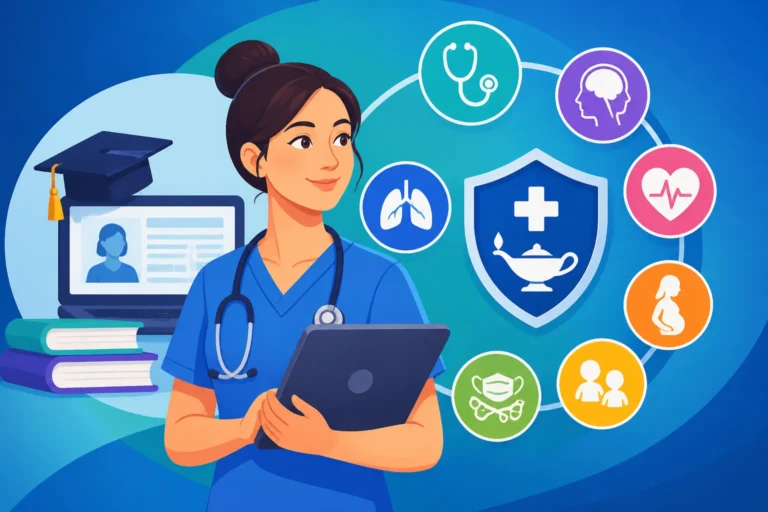
Stepping into the world of nursing is incredibly exciting, but for many, it quickly turns into an overwhelming journey when faced with the sheer number of career paths available. You might feel a bit lost, wondering how to move beyond general bedside care or even how to pinpoint what truly sparks your passion. This comprehensive guide is here to demystify the vast landscape of nursing specializations, helping you understand your options and chart a course toward a fulfilling career.
Why Specializing in Nursing Matters More Than Ever
In the rapidly evolving healthcare landscape, simply being an RN is a fantastic achievement, but choosing a specialization can truly elevate your career. It’s not just about earning more or getting a fancy title; it's about finding your niche, becoming an expert, and making a profound impact in an area you genuinely care about. The days of nurses staying in one general role for their entire career are largely behind us, and for good reason. Specialization offers a multitude of benefits that address common frustrations nurses face, from burnout to feeling stagnant.
Enhanced Career Opportunities and Growth
Let's be real: nursing is a demanding profession. The daily grind can be exhausting, and sometimes you might feel like you're just treading water. Specializing opens doors to diverse roles that are often less generalized and more focused, providing opportunities for deep skill development and continuous learning. Instead of being a jack-of-all-trades, you become a master of one, which makes you incredibly valuable to employers. For instance, a critical care nurse develops an entirely different skill set than a public health nurse, and both have distinct, robust career ladders. Hospitals and healthcare systems are constantly seeking nurses with specific expertise to staff their specialized units, clinics, and departments. This focus can lead to leadership roles within your chosen specialty, such as a charge nurse, unit manager, or even a clinical nurse educator specific to that field. This kind of progression offers a clear path forward, alleviating the feeling of being stuck in a routine.
Think about the growth trajectory: an entry-level RN might start in medical-surgical, but with a few years of experience and a passion for technology, they could pursue Nursing Informatics Salary. Or perhaps a love for working with families draws them to How to Become a Pediatric Nurse. These transitions aren't just lateral moves; they're often steps up, offering greater responsibility and intellectual challenge.
Increased Earning Potential
One of the most compelling reasons many nurses consider specializing is the potential for a higher salary. While all registered nurses earn a respectable living, those with specialized skills and certifications often command significantly higher pay. This isn't just a rumor; it's a well-documented trend. The demand for highly skilled nurses in specific areas, especially those requiring advanced degrees or certifications, directly translates into better compensation packages. This can be a huge motivator, especially when you're thinking about future financial stability, supporting a family, or simply paying off those student loans.
Consider the difference in earning potential between a general medical-surgical RN and a Certified Registered Nurse Anesthetist (CRNA). While both are incredibly vital roles, the educational investment and specialized skills of a CRNA place them among the Highest-Paying Nursing Specialties. Even within RN-level specializations, certifications like the CCRN for critical care or CEN for emergency nursing can lead to higher hourly rates or eligibility for premium positions. It's a clear return on investment for the extra effort and education you put in. For more details on this, you might find our guide on Nursing Salary by Degree Level very insightful.
Greater Job Satisfaction and Reduced Burnout
Let's face it, burnout is a real and pervasive issue in nursing. Feeling spread thin, constantly dealing with high patient loads, and struggling to connect with your purpose can take a serious toll. Specializing can be a powerful antidote to this. When you're working in an area that genuinely interests you, where you feel challenged and competent, your job satisfaction naturally increases. You're no longer just "a nurse"; you're the oncology nurse, the emergency room expert, or the labor and delivery guru. This sense of identity and purpose can rekindle your passion for the profession.
When you specialize, you often find yourself deeply immersed in a particular type of care, patient population, or healthcare environment. This focus allows you to develop deep expertise, build stronger relationships with specific patient groups, and see the tangible impact of your specialized skills. This intellectual engagement and emotional connection can significantly reduce the feelings of monotony and exhaustion that lead to burnout. Imagine going to work each day knowing you're making a difference in a field you truly love – that's the power of specialization.
Understanding the Broad Categories of Nursing Specializations
Before diving into specific roles, it's helpful to understand the overarching categories that define nursing specializations. Not all nursing roles look the same, and understanding these distinctions can help you narrow down what might be a good fit for your personality, skills, and career aspirations. It's not just about what kind of patient you care for, but also how and where you provide that care.
Bedside vs. Non-Bedside Roles
The image that most often comes to mind when we think of a nurse is someone at a patient's bedside, directly providing care, administering medications, and monitoring vitals. These are your traditional bedside roles, which include specialties like ICU, ER, medical-surgical, labor and delivery, and pediatric nursing. These roles are typically fast-paced, hands-on, and involve continuous direct patient interaction. They demand strong clinical skills, critical thinking, and often, the ability to make quick, life-saving decisions under pressure. For many, the direct impact and immediate gratification of bedside nursing are deeply rewarding.
However, a significant and growing number of nursing specializations are non-bedside roles. These positions still require a nursing license and a deep understanding of patient care, but they involve less direct, hands-on patient interaction in a hospital room. Examples include Nursing Informatics Salary, case management, legal nurse consulting, nurse education, and public health nursing. These roles often focus on systemic improvements, patient advocacy, education, data analysis, or administrative tasks. They can offer a different pace, more regular hours, and opportunities to influence healthcare on a broader scale, which can be particularly appealing to nurses looking for a change or those with specific interests outside of direct care.
Inpatient vs. Outpatient Settings
The inpatient setting refers to care provided when a patient is admitted to a hospital or other facility for an extended stay. This includes acute care hospitals, long-term care facilities, rehabilitation centers, and psychiatric hospitals. Nurses in inpatient settings manage complex, often critically ill patients, dealing with rapid changes in condition and requiring constant monitoring and intervention. The work often involves shift rotations, including nights, weekends, and holidays, reflecting the 24/7 nature of inpatient care. These environments are dynamic and often high-stress, but they also provide immense opportunities for skill development and direct intervention.
Outpatient settings, on the other hand, involve care provided in clinics, doctor's offices, urgent care centers, schools, community health centers, or patients' homes, where individuals receive care and then return home the same day. This can include roles in primary care clinics, specialty clinics (e.g., cardiology, dermatology, oncology infusion centers), ambulatory surgery centers, home health, and school nursing. Outpatient roles often offer more predictable schedules, typically daytime hours on weekdays, and a focus on preventative care, patient education, and chronic disease management. While still demanding, the pace can be different, and nurses often build long-term relationships with patients and their families. Choosing between inpatient and outpatient often comes down to your preferred work environment, schedule, and the type of patient interaction you find most rewarding.
Direct Patient Care vs. Indirect Roles
This distinction further clarifies the nature of nursing work. Direct patient care roles are those where the nurse directly interacts with and provides hands-on care to individual patients. This is the core of traditional nursing, encompassing everything from administering medication and wound care to patient assessment, education, and emotional support. Most clinical specializations, whether in inpatient or outpatient settings, fall under direct patient care. These nurses are on the front lines, directly influencing patient outcomes through their interventions and compassionate presence.
Indirect roles, while still critical to patient well-being, do not involve direct hands-on care with individual patients. Instead, these nurses work behind the scenes to support healthcare systems, improve care quality, educate other healthcare professionals, or advocate for public health. Examples include nurse educators, nurse researchers, healthcare policymakers, quality improvement specialists, and those in MSN Nursing Leadership Track or MSN Nurse Executive Track positions. These roles often require advanced degrees, such as an MSN or DNP, and a keen understanding of healthcare operations, policy, or education theory. They influence patient care on a systemic level, impacting many patients indirectly through their work on protocols, training, or organizational strategies. Both direct and indirect roles are indispensable; the best fit depends on whether your passion lies in direct interaction or broader systemic influence.
Popular Clinical Nursing Specializations and Their Roles
Now, let’s get down to the exciting part: exploring some of the most common and impactful clinical specializations you can pursue as a registered nurse. Each of these fields offers unique challenges, rewards, and opportunities for growth. This is where you start to see how diverse a nursing career can truly be, moving beyond the generalist role to become a true expert in a specific area.
Critical Care and Emergency Nursing
If you thrive in high-stakes environments, possess incredible critical thinking skills, and can remain calm under pressure, critical care and emergency nursing might be your calling. These specialties are at the forefront of acute patient care, often dealing with life-threatening situations.
Intensive Care Unit (ICU) Nursing
ICU nurses care for patients who are critically ill or unstable and require continuous, complex monitoring and advanced life support. This could include patients recovering from major surgery, those with severe infections, organ failure, or traumatic injuries. The pace can be intense, and the patient-to-nurse ratio is typically lower to allow for highly individualized and vigilant care. ICU nurses must be experts in advanced hemodynamic monitoring, ventilator management, titrating complex medications, and providing compassionate support to both patients and their families during incredibly challenging times. It's a field that demands a deep understanding of pathophysiology and the ability to react quickly and effectively to subtle changes in a patient's condition. If this sounds like a challenge you're ready for, consider looking into How to Become a Critical Care Nurse.
Emergency Room (ER) Nursing
ER nurses are the first line of defense for patients presenting with a wide range of acute illnesses or injuries, from minor lacerations to cardiac arrest and major trauma. The ER is unpredictable; you never know what will come through the doors next. This requires incredible adaptability, rapid assessment skills, and the ability to prioritize and multitask in a chaotic environment. ER nurses often stabilize patients, initiate emergency treatments, and prepare them for admission to other units or discharge. It's a role that demands resilience, quick thinking, and strong communication skills with both patients and the multidisciplinary team. For those who crave variety and adrenaline, the ER offers a truly dynamic career. Our guide on How to Become a Emergency Nurse provides a great starting point.
Flight and Transport Nursing
Taking emergency care to the skies or on the road, flight and transport nurses provide critical care during patient transfers, often from rural hospitals to larger trauma centers, or directly from accident scenes. These nurses operate in highly confined and often uncontrolled environments, requiring an advanced level of critical care knowledge and independence. They must be proficient in managing ventilators, drips, and monitoring equipment, often with limited resources and without immediate backup. This specialty is for experienced critical care nurses who are comfortable with autonomy, possess strong problem-solving skills, and are ready for an unpredictable, high-octane role. Flight nurses frequently work alongside paramedics and physicians, forming a tight-knit team dedicated to stabilizing patients en route.
Maternal-Child Health Nursing
If your passion lies in supporting families through some of life's most significant moments, from birth to early childhood development, maternal-child health nursing offers a deeply rewarding path. These specialties focus on the unique needs of mothers, newborns, infants, children, and adolescents.
Labor and Delivery (L&D) Nursing
L&D nurses are present for one of the most transformative events in a family's life: childbirth. They care for women during labor, delivery, and immediately postpartum. This involves monitoring the mother's and baby's vital signs, administering pain management, assisting the physician or midwife, and providing emotional support and education. L&D nurses must be prepared for both routine deliveries and potential complications, requiring a keen eye for subtle changes and the ability to act swiftly in emergencies. It's a specialty that combines high-tech monitoring with high-touch compassionate care, celebrating new life while ensuring safety.
Neonatal Intensive Care Unit (NICU) Nursing
NICU nurses specialize in caring for critically ill or premature infants, often weighing just a few pounds. These tiny patients require highly specialized care, including respiratory support, nutritional management, and close monitoring for complications common in prematurity or birth defects. NICU nurses work closely with neonatologists and other specialists, using miniature equipment and a gentle touch to provide life-saving care. This role demands meticulous attention to detail, incredible patience, and the ability to support anxious parents through an emotionally taxing journey. The rewards come from watching these fragile infants grow and thrive, eventually going home with their families.
Pediatric Nursing
Pediatric nurses care for infants, children, and adolescents, from general health and wellness to acute and chronic illnesses. Working with children requires a unique approach, as their physiological responses and communication styles differ significantly from adults. Pediatric nurses often use play therapy and age-appropriate language to build trust and explain procedures. They are also crucial in educating parents and caregivers, empowering them to manage their child's health. This field allows nurses to specialize further, for example, in pediatric oncology, cardiology, or emergency care. If you have a knack for connecting with children and their families, Pediatric Nurse: Role, Salary, and How to Start could be a fantastic fit.
Medical-Surgical and Progressive Care Specialties
While general medical-surgical nursing is often an entry point for many new grads, it's also a vast area with many opportunities for specialization. These units form the backbone of hospital care, managing patients with a wide array of conditions.
Progressive Care Unit (PCU) or Step-Down Nursing
PCU nurses care for patients who are stable enough to leave the ICU but still require a higher level of monitoring and intervention than those on a general medical-surgical floor. These patients might have complex cardiac conditions, require continuous cardiac monitoring, or be transitioning off ventilators. PCU nurses often manage complex medication regimens, advanced wound care, and provide extensive patient and family education as patients recover and prepare for discharge. This role serves as a bridge, demanding strong assessment skills and the ability to anticipate and prevent complications before they escalate. It’s a great stepping stone for those interested in critical care but want to ease into the intensity.
Telemetry Nursing
Telemetry nurses specialize in monitoring patients with actual or potential cardiac issues using continuous electrocardiogram (ECG) monitoring. These patients might have experienced a heart attack, be recovering from cardiac surgery, or have arrhythmias that require close observation. Telemetry nurses are experts at interpreting ECG rhythms, recognizing abnormalities, and initiating appropriate interventions. They play a crucial role in preventing cardiac complications and educating patients about heart health. While often found within PCU or medical-surgical units, some hospitals have dedicated telemetry units, making it a specialization in itself, particularly for those passionate about cardiac care.
Specialty-Specific Nursing
Beyond the broad categories, there are countless specialties focused on specific diseases, body systems, or patient populations. These roles demand a deep, nuanced understanding of their particular area.
Oncology Nursing
Oncology nurses provide holistic care for patients with cancer, throughout their diagnosis, treatment, and recovery journey. This includes administering chemotherapy, managing side effects, educating patients and families about their disease and treatment plan, and providing immense emotional and psychological support. Oncology nurses must understand complex drug regimens, clinical trials, and symptom management, often dealing with patients who are facing a life-altering illness. It’s a field that requires incredible empathy, resilience, and a commitment to continuous learning as new treatments emerge. For more information, check out Oncology Nurse: Role, Salary, and How to Start.
Cardiac Nursing
Cardiac nurses specialize in caring for patients with heart conditions, ranging from chronic heart failure to acute myocardial infarctions (heart attacks) and post-cardiac surgery recovery. They are experts in cardiovascular assessment, medication management, cardiac rehabilitation, and patient education on lifestyle modifications to promote heart health. This specialty often involves interpreting ECGs, managing pacemakers, and assisting with stress tests or cardiac catheterizations. Whether in a hospital, clinic, or rehab setting, cardiac nurses play a vital role in preventing, treating, and managing heart disease, which remains a leading cause of death globally.
Dialysis Nursing
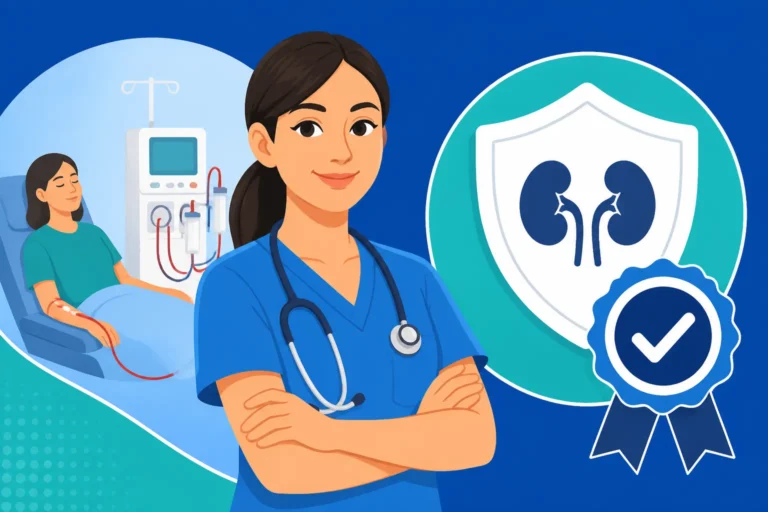
Dialysis nurses provide care to patients with end-stage renal disease (kidney failure) who require regular dialysis treatments to filter their blood. This involves operating dialysis machines, monitoring patients during treatment, administering medications, and managing potential complications like fluid shifts or electrolyte imbalances. Dialysis nurses often form strong, long-term relationships with their patients, who come for treatments multiple times a week. It requires a deep understanding of renal physiology, fluid and electrolyte balance, and patient education on diet, medication, and self-care. This specialty can be found in inpatient units or, more commonly, in outpatient dialysis centers.
Hospice and Palliative Care Nursing
Hospice and palliative care nurses provide specialized care for patients with serious illnesses, focusing on symptom management, pain relief, and improving quality of life for both the patient and their family. Unlike curative care, the goal of hospice is comfort and support during the end-of-life journey, while palliative care can be provided at any stage of a serious illness. These nurses work in homes, hospices, or hospitals, providing emotional, spiritual, and physical support. This role requires immense compassion, excellent communication skills, and a holistic approach to care, helping patients and families navigate difficult decisions and find peace.
Advanced Practice Registered Nurse (APRN) Specializations
For nurses looking to take their career to the highest clinical levels, Advanced Practice Registered Nurse (APRN) roles offer expanded autonomy, diagnostic capabilities, and prescriptive authority. These roles typically require a Master of Science in Nursing (MSN) or a Doctor of Nursing Practice (DNP) degree, building upon a strong foundation of RN experience. Becoming an APRN is a significant step, allowing nurses to play a more independent and leadership-oriented role in patient care.
Nurse Practitioner (NP) Roles and Pathways
Nurse Practitioners are a diverse group of highly skilled healthcare providers who diagnose and treat acute and chronic illnesses, prescribe medications, and order and interpret diagnostic tests. They often serve as primary care providers or specialize in various areas, offering comprehensive, patient-centered care. The pathway to becoming an NP typically involves earning an MSN or DNP, completing extensive clinical hours, and passing a national certification exam specific to their chosen population focus. You can learn more about this career path in our guide on How to Become a Nurse Practitioner.
Family Nurse Practitioner (FNP)
Family Nurse Practitioners are trained to provide comprehensive primary healthcare to individuals across the lifespan, from infants to seniors. They work in a variety of settings, including family practices, community clinics, urgent care centers, and even in some hospital settings. FNPs focus on health promotion, disease prevention, and the diagnosis and management of common acute and chronic conditions. They are often the first point of contact for patients seeking medical care and play a crucial role in managing family health. The broad scope of practice makes the FNP a highly versatile and in-demand specialization. Many choose this path because of the continuity of care it offers with families.
Psychiatric Mental Health Nurse Practitioner (PMHNP)
Psychiatric Mental Health Nurse Practitioners specialize in mental health care, providing assessment, diagnosis, and treatment for individuals with mental health disorders across the lifespan. They can prescribe psychiatric medications, conduct psychotherapy, and offer crisis intervention. PMHNPs work in inpatient psychiatric units, outpatient mental health clinics, correctional facilities, and private practices. Given the growing need for mental health services, PMHNPs are an incredibly vital part of the healthcare system, offering critical support to individuals and communities. This specialization requires a deep understanding of neurobiology, psychopharmacology, and therapeutic communication techniques.
Adult-Gerontology Nurse Practitioner (AGNP)
Adult-Gerontology Nurse Practitioners focus on the healthcare needs of adolescents (starting around age 13), adults, and the elderly. This broad category actually splits into two distinct specializations:
- Adult-Gerontology Primary Care Nurse Practitioner (AGPCNP): These NPs provide comprehensive primary care services, including health promotion, disease prevention, and the management of acute and chronic conditions, for adults and older adults. They often work in primary care clinics, long-term care facilities, and home health settings.
- Adult-Gerontology Acute Care Nurse Practitioner (AGACNP): These NPs specialize in caring for acutely ill patients, often in hospital settings like the ICU, emergency department, or specialty units. They manage complex, rapidly changing conditions, conduct advanced assessments, and perform procedures. This role is often sought by nurses who have extensive critical care experience and want to continue working with acutely ill populations at an advanced level.
Pediatric Nurse Practitioner (PNP)
Pediatric Nurse Practitioners focus solely on the health and well-being of infants, children, and adolescents. Similar to the adult-gerontology split, PNPs also have primary care and acute care tracks:
- Pediatric Primary Care Nurse Practitioner (PNP-PC): These NPs provide well-child check-ups, immunizations, manage common childhood illnesses, and offer health education to children and their families. They work in pediatric clinics, schools, and community health centers.
- Pediatric Acute Care Nurse Practitioner (PNP-AC): These NPs care for critically ill and complex pediatric patients in hospital settings, such as pediatric ICUs, emergency departments, and specialty units. They manage advanced medical technology and provide care during life-threatening situations, similar to AGACNPs but with a specific focus on the unique physiology and needs of children.
You can compare these and other options in our detailed breakdown of Nurse Practitioner Specializations Explained.
Certified Registered Nurse Anesthetist (CRNA)
CRNAs are highly skilled advanced practice nurses who administer anesthesia and provide anesthesia-related care in a variety of settings, including operating rooms, labor and delivery suites, pain management clinics, and outpatient surgical centers. They are responsible for pre-anesthetic assessment, intraoperative management (monitoring vital signs, adjusting anesthesia levels), and post-anesthesia care. Becoming a CRNA is an intensive process, requiring significant critical care experience, a DNP degree (or an MSN for those who started before the 2025 deadline), and passing a rigorous national certification exam. CRNAs have a high level of autonomy and are consistently among the highest-paid nursing professionals, making this a very competitive and sought-after specialization.
Certified Nurse-Midwife (CNM) and Clinical Nurse Specialist (CNS)
While NPs and CRNAs are often the most recognized APRN roles, CNMs and CNSs represent equally vital and advanced specializations.
Certified Nurse-Midwife (CNM)
CNMs provide primary healthcare services to women, focusing on reproductive health, gynecological care, prenatal care, labor and delivery, and postpartum care. They emphasize a holistic, patient-centered approach, empowering women to make informed decisions about their health. CNMs can work in hospitals, birth centers, clinics, or even provide home birth services, depending on state regulations and practice settings. They undergo rigorous education and training, often including an MSN or DNP, and a national certification exam. For women seeking a more natural and supportive birthing experience, CNMs are invaluable healthcare providers.
Clinical Nurse Specialist (CNS)
CNSs are expert clinicians who focus on improving patient outcomes and nursing practice within a specific population, setting, disease, or type of care. Unlike NPs who focus on direct patient diagnosis and treatment, CNSs typically work to empower other nurses and improve healthcare systems. They act as leaders in evidence-based practice, education, consultation, and research. For example, a CNS might specialize in critical care, oncology, or geriatrics. They might educate staff on new protocols, develop care plans for complex patient populations, or conduct research to improve clinical guidelines. CNSs typically hold an MSN or DNP degree and are certified in their area of specialization. They are essential for driving quality improvement and fostering professional development among nursing staff.
Non-Clinical and Indirect Care Nursing Specialties
Not all fulfilling nursing careers involve direct patient interaction. Many nurses find their passion in roles that leverage their clinical knowledge and critical thinking skills to impact healthcare on a broader, systemic level. These non-clinical and indirect care specialties are growing in importance, offering diverse opportunities for nurses who enjoy problem-solving, education, technology, or leadership.
Nursing Informatics and Technology Roles
In an increasingly digitized healthcare world, nursing informatics has become a crucial field. These nurses bridge the gap between clinical practice and information technology.
Clinical Informatics Nurse
Clinical informatics nurses utilize their deep understanding of nursing processes and patient care to design, implement, and optimize healthcare information systems (HIS), such as electronic health records (EHRs). They ensure that technology supports safe, effective, and efficient patient care. This might involve customizing EHR templates, training staff on new systems, analyzing data to identify areas for improvement, or troubleshooting technical issues from a clinical perspective. These roles are vital for leveraging technology to enhance patient safety and streamline workflows. A strong analytical mind, excellent communication skills, and a passion for technology are key for success in this field. Nurses in this field contribute to making platforms like Epic and Cerner more user-friendly and clinically relevant.
Telehealth Nurse
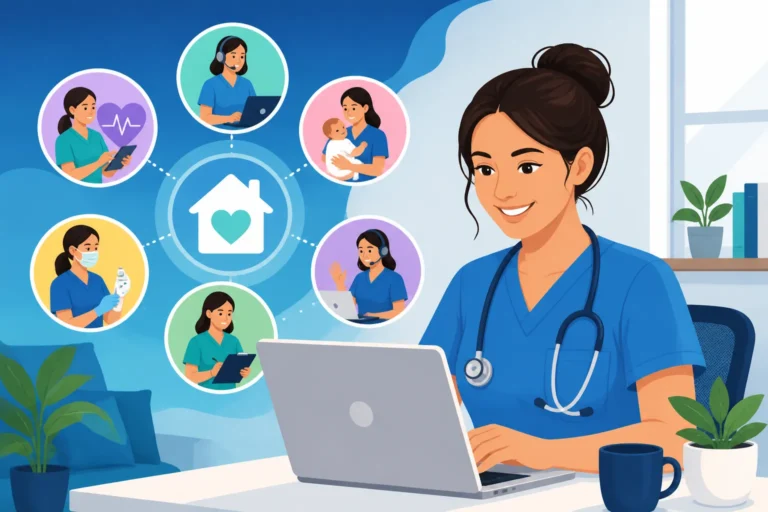
Telehealth nurses provide care remotely, using technology such as video calls, phone consultations, and secure messaging platforms. They assess patients' symptoms, provide health education, manage chronic conditions, and coordinate care without the need for an in-person visit. This specialty expanded significantly during the COVID-19 pandemic and continues to grow, offering flexibility for both nurses and patients. Telehealth nurses must have strong assessment skills, be excellent communicators, and be comfortable with technology. This role is often found in large healthcare systems, insurance companies, or dedicated telehealth providers, and can provide a welcome change from traditional hospital shifts.
Nurse Leadership and Management Positions
For nurses who excel at organization, communication, and motivating others, leadership and management roles offer the chance to shape healthcare delivery and foster positive work environments.
Nurse Manager
A nurse manager oversees the daily operations of a specific nursing unit or department, such as a medical-surgical floor, an ICU, or an emergency department. Their responsibilities include staffing and scheduling, managing budgets, ensuring compliance with regulations, and fostering a positive work environment. They act as a liaison between direct care nurses and upper hospital administration, advocating for their team while implementing organizational goals. This role requires strong leadership, problem-solving, and communication skills, often demanding an MSN or relevant leadership experience. Nurse managers are critical to the smooth functioning of healthcare facilities.
Director of Nursing (DON) or Chief Nursing Officer (CNO)
These are executive-level leadership positions within a healthcare organization. A Director of Nursing typically oversees nursing services across multiple units or an entire department, focusing on quality of care, patient safety, and staff development. A Chief Nursing Officer (CNO) is the highest-ranking nurse in a hospital or healthcare system, serving on the executive team. CNOs are responsible for all nursing operations, strategic planning, policy development, and ensuring nursing practice aligns with the organization's mission and vision. These roles require extensive experience, advanced degrees (MSN or DNP), and exceptional leadership capabilities to influence healthcare at the highest levels.
Public Health, School, and Community Nursing
These specialties focus on promoting health and preventing disease within specific populations or communities, rather than just individual patient care.
Public Health Nurse
Public health nurses work to improve the health of entire communities or populations. They identify health trends, implement health education programs, conduct disease surveillance, and advocate for policies that promote public wellness. This might involve managing immunization clinics, investigating disease outbreaks, or developing programs to address health disparities in underserved communities. Public health nurses often work for government health departments, non-profits, or universities. It's a field for nurses passionate about prevention, health equity, and influencing health outcomes on a large scale.
School Nurse
School nurses are vital members of the educational team, providing healthcare services to students and staff within a school setting. They manage acute and chronic illnesses, administer medications, provide first aid, conduct health screenings, and act as a resource for health education. School nurses play a critical role in ensuring students are healthy and ready to learn, addressing issues ranging from asthma management to mental health support and emergency response. They often work autonomously, requiring strong assessment skills, organizational abilities, and a deep understanding of pediatric health and development.
Forensic, Legal, and Case Management Nursing
These niches offer unique applications of nursing knowledge in non-traditional healthcare settings, often interacting with the legal system or insurance providers.
Forensic Nurse
Forensic nurses combine nursing expertise with forensic science to care for victims of violence, abuse, and trauma. They collect evidence, provide expert testimony, and offer compassionate care to survivors of sexual assault (Sexual Assault Nurse Examiner – SANE), child abuse, and domestic violence. They also work with law enforcement and legal professionals to ensure justice for victims. This demanding but incredibly important role requires specialized training in evidence collection, documentation, and trauma-informed care. Forensic nurses can work in hospitals, medical examiner offices, or community crisis centers.
Legal Nurse Consultant
Legal nurse consultants (LNCs) apply their nursing knowledge to legal cases, serving as expert advisors to attorneys, insurance companies, and government agencies. They review medical records, interpret medical terminology, identify deviations from standards of care, and provide expert opinions on healthcare-related legal matters. LNCs do not provide direct patient care but use their clinical experience to analyze cases involving personal injury, medical malpractice, and workers' compensation. This role is ideal for nurses with strong analytical skills, attention to detail, and an interest in the legal system.
Case Management Nurse
Case management nurses coordinate care for patients with complex medical needs, chronic conditions, or those transitioning between different care settings (e.g., hospital to home, rehab to long-term care). They act as advocates, educators, and navigators, ensuring patients receive appropriate, timely, and cost-effective care. This involves assessing patient needs, developing care plans, connecting patients with resources, and communicating with healthcare providers and insurance companies. Case managers can work in hospitals, insurance companies, home health agencies, or specialized clinics, focusing on improving patient outcomes and preventing readmissions.
The Path to Specialization: Education, Certifications, and Experience
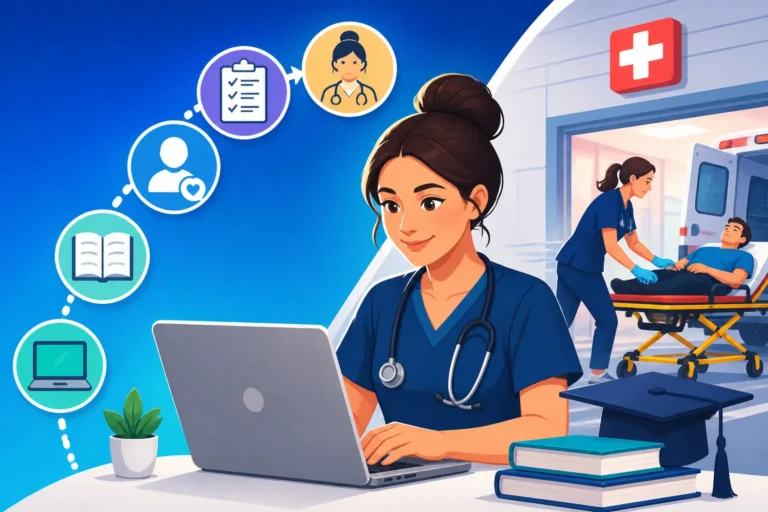
Deciding on a specialization is just the first step. The journey to becoming a specialized nurse involves a strategic combination of formal education, obtaining specific certifications, and gaining hands-on experience. It’s a commitment, but one that ultimately leads to a more focused and rewarding career.
Educational Requirements for Different Specialties
The foundational requirement for any nursing specialization is an active Registered Nurse (RN) license, typically obtained after earning an Associate Degree in Nursing (ADN) or a Bachelor of Science in Nursing (BSN) and passing the NCLEX-RN exam. However, for most specializations, particularly those in leadership, advanced practice, or highly technical areas, a BSN is often preferred or required. Many hospitals, especially those with Magnet status, encourage or require their RNs to pursue their BSN, recognizing the value of a broader nursing education. If you currently have an ADN, exploring Online RN to BSN Programs: Complete Guide can be a great next step.
For Advanced Practice Registered Nurse (APRN) roles like Nurse Practitioners, CRNAs, and CNMs, a Master of Science in Nursing (MSN) or a Doctor of Nursing Practice (DNP) is mandatory. These programs are highly specialized, focusing on a particular population (e.g., family, pediatrics, adult-gerontology) or role (e.g., nurse anesthesia, midwifery). They involve extensive classroom learning, advanced pathophysiology, pharmacology, health assessment, and thousands of supervised clinical hours specific to the chosen specialty. Some non-clinical roles, like nursing informatics or leadership, also often benefit from or require an MSN or a specialized post-graduate certificate.
The Role of Certifications
Nursing certifications are formal recognitions of expertise in a specific area of nursing. They demonstrate a nurse's commitment to excellence and often signify a higher level of knowledge and skill beyond the basic RN license. While not always legally required, certifications are highly valued by employers and often lead to better career opportunities and increased pay. Organizations like the American Nurses Credentialing Center (ANCC) or the American Association of Critical-Care Nurses (AACN) offer various certifications.
For example, an Emergency Room nurse might pursue the Certified Emergency Nurse (CEN) certification through the Board of Certification for Emergency Nursing (BCEN). An ICU nurse might aim for the Critical Care Registered Nurse (CCRN) certification. Oncology nurses can achieve the Oncology Certified Nurse (OCN) credential. These certifications usually require a certain number of hours of practice in the specialty and passing a rigorous exam. They are a fantastic way to validate your expertise and stay current with best practices in your chosen field. When studying for these exams, resources like Uworld are often recommended by peers for comprehensive content review and practice questions that mirror the actual exam format.
Gaining Relevant Experience and Mentorship
Education and certification are crucial, but hands-on experience is arguably the most vital component of specialization. Most advanced or highly specialized roles require nurses to have several years of experience in a related generalist role first. For instance, to become a flight nurse, you typically need extensive experience in the ICU or ER. To pursue a CRNA program, critical care experience is almost universally required. This practical experience builds your foundational clinical skills, critical thinking, and confidence in managing complex patient situations.
Mentorship also plays an invaluable role. Working alongside experienced nurses and specialists provides opportunities to learn nuances that textbooks can’t teach. A good mentor can guide your professional development, offer insights into the realities of a specialty, and help you navigate career challenges. Seeking out opportunities to shadow nurses in different specialties or volunteering in relevant departments can also provide invaluable exposure before committing to a specific path. For example, before diving into an intensive PMHNP program, shadowing a psychiatric nurse or mental health professional can provide a realistic glimpse into the day-to-day realities of the role.
How to Choose the Right Nursing Specialty for You
With so many incredible options, choosing the "right" nursing specialty can feel like an impossible task. It’s a deeply personal decision that should align with your values, personality, and long-term career goals. Rushing into a specialty that isn't a good fit can lead to dissatisfaction and burnout, which is exactly what we're trying to avoid! Taking the time for self-reflection and thorough research is key.
Self-Assessment: Interests, Skills, and Personality
Start by looking inward. What aspects of nursing genuinely excite you? Do you love the fast-paced, adrenaline-fueled environment of the emergency department, or do you prefer the slower, more methodical pace of long-term care? Are you fascinated by technology and data, or do you thrive on direct, hands-on patient interaction?
Consider your personal strengths and weaknesses. Are you a natural leader? Do you have exceptional organizational skills? Are you particularly empathetic? Some specialties demand a high tolerance for stress, while others require meticulous attention to detail. Your personality also plays a huge role. Introverts might prefer roles with less constant social interaction, like some research or informatics positions, while extroverts might thrive in community health or education. Reflect on what patient populations you connect with most: children, the elderly, families, or individuals with specific illnesses. Your passion and innate talents should guide your exploration. For more on this, our guide How to Choose a Nursing Specialty delves deeper into self-assessment strategies.
Researching Demand, Work-Life Balance, and Salary
Once you have a clearer idea of your internal compass, it's time to gather external information. Research the demand for various specialties. Are certain areas experiencing shortages or projected growth? Understanding job market trends can help you make a strategic choice for long-term career security. Resources like the Bureau of Labor Statistics (BLS) and professional nursing organizations offer valuable data on job outlooks.
Work-life balance is another critical factor. Some specialties, especially in acute care, often involve rotating shifts, nights, weekends, and holidays. Others, like many outpatient, administrative, or public health roles, might offer more predictable daytime hours. Think about what kind of schedule aligns with your personal life, family commitments, and desired lifestyle. There's no "right" answer here, just what's right for you.
And, of course, salary. While it shouldn't be the sole driving factor, understanding the earning potential of different specialties is important for financial planning. As mentioned earlier, advanced practice roles and highly specialized certifications often come with higher compensation. Researching average salaries in your region for different specialties can provide a realistic expectation. For a detailed look at earning potential, check out our article on Highest-Paying Nursing Careers.
Shadowing, Volunteering, and Networking
The best way to truly understand a specialty is to see it in action. If possible, arrange to shadow nurses in different departments or clinics. Spending a few hours or even a day observing the daily routines, challenges, and rewards of a specialty can provide invaluable insight that you won't get from a job description. Many hospitals and healthcare systems are open to shadowing requests, especially for their internal staff.
Volunteering in a specific healthcare setting can also offer a foot in the door and a chance to experience the environment without the full responsibility. Even if it's not a direct nursing role, being in the facility and observing can be incredibly educational.
Finally, network! Talk to nurses who are already working in specialties that interest you. Ask them about their typical day, what they love, what they find challenging, and what they wish they had known before entering the field. Attend nursing conferences or online forums specific to different specialties. These firsthand accounts are incredibly valuable and can help you make an informed decision. Remember, you might even find that a generalist certification from a reputable provider like Uworld can help you solidify your foundational knowledge before diving into a specific niche.
Navigating Challenges and Future Trends in Nursing Specializations
The nursing profession is dynamic, constantly evolving with new technologies, research, and healthcare needs. While specializing offers immense rewards, it also comes with its own set of challenges and requires nurses to be adaptable and forward-thinking. Understanding these aspects can help you prepare for a successful and sustainable career in your chosen field.
Overcoming Burnout and Maintaining Well-being
Even in a chosen specialty, burnout remains a significant concern in nursing. The intensity of patient care, emotional demands, and sometimes staffing shortages can take a toll. Specialized nurses often deal with complex cases and high-stakes situations, which can be emotionally and mentally exhausting. It's crucial for nurses to develop robust coping mechanisms and prioritize self-care. This might include setting boundaries, seeking peer support, engaging in hobbies outside of work, or even considering a shift to a less intense role within the same specialty if available.
Hospitals and professional organizations are increasingly recognizing the importance of nurse well-being. Look for employers that offer support programs, mental health resources, and opportunities for professional development that encourage resilience. Remember that your well-being directly impacts your ability to provide excellent patient care, so investing in it is not selfish; it's essential for a sustainable career.
The Impact of Technology and Telehealth
Technology is rapidly transforming healthcare, and nursing specializations are at the forefront of this change. From advanced electronic health records to sophisticated diagnostic tools and remote monitoring devices, nurses must be adept at integrating technology into their practice. The rise of telehealth, as previously discussed, is creating entirely new avenues for nursing care, requiring nurses to develop strong virtual communication and assessment skills. Specialized nurses, particularly in areas like informatics, play a crucial role in ensuring these technological advancements enhance, rather than hinder, patient care.
Embracing lifelong learning and staying updated on technological innovations within your specialty is not just a recommendation; it’s a necessity. Organizations like Uworld often provide excellent digital resources for continuous learning, helping nurses stay sharp and informed about the latest clinical practices and technological applications. The future of nursing will be heavily influenced by data analytics, artificial intelligence, and virtual care, and specialized nurses will be key players in leveraging these tools effectively.
Future Growth Areas and Emerging Specialties
The healthcare landscape is always shifting, and with it, new nursing specializations emerge. Areas experiencing significant growth include:
- Geriatric Nursing: As the global population ages, the demand for nurses specializing in the care of older adults, particularly in long-term care, home health, and specialized clinics, will continue to soar.
- Palliative and Hospice Care: With an increased focus on quality of life for those with serious illnesses, these specialties are expanding, offering nurses more opportunities to provide compassionate, holistic care.
- Mental Health Nursing: The rising awareness and need for mental health services mean psychiatric mental health nurses, especially PMHNPs, will be in extremely high demand across all care settings.
- Nurse Informatics and Telehealth: The digital transformation of healthcare ensures these roles will continue to be critical for optimizing systems, ensuring data security, and expanding access to care.
- Population Health Management: Nurses specializing in population health work to improve health outcomes for specific groups of people, often involving data analysis, preventative programs, and community outreach.
Keeping an eye on these trends and being open to continuous learning and adaptation will ensure your nursing career remains relevant, fulfilling, and impactful for years to come. The beauty of nursing is its incredible versatility; if one path no longer serves you, there are always new and exciting specializations waiting to be explored, even if it means learning How to Switch Nursing Specialties.
Nursing Specialization Comparison Table
To help you visualize some of the key differences, here's a comparison of a few popular nursing specializations:
| Specialty | Typical Work Setting | Primary Patient Population | Education/Certification Commonly Required | Key Responsibilities |
|---|---|---|---|---|
| ICU Nurse | Hospital (Intensive Care Unit) | Critically ill patients | BSN preferred; CCRN certification | Advanced monitoring, ventilator management, complex medication titration, crisis intervention |
| ER Nurse | Hospital (Emergency Department) | All ages, various acute illnesses/injuries | BSN preferred; CEN certification | Rapid assessment, stabilization, trauma care, triage, diverse patient presentations |
| Labor and Delivery Nurse | Hospital (L&D Unit, Birthing Ctr) | Pregnant women, newborns | BSN preferred; RNC-OB certification | Monitoring labor, assisting with delivery, pain management, postpartum care, newborn assessment |
| Oncology Nurse | Hospital, Outpatient Clinic | Cancer patients | BSN preferred; OCN certification | Chemotherapy administration, symptom management, patient education, emotional support |
| Family Nurse Practitioner | Primary Care Clinic, Urgent Care | All ages (infants to elderly) | MSN/DNP; FNP certification (e.g., AANP, ANCC) | Diagnose/treat, prescribe meds, order tests, provide preventative care, chronic disease management |
| Psychiatric Mental Health NP | Inpatient/Outpatient Psychiatry | All ages, mental health disorders | MSN/DNP; PMHNP certification (e.g., ANCC) | Psychiatric assessment, medication management, psychotherapy, crisis intervention |
| Clinical Informatics Nurse | Hospital (IT Dept), Healthcare Org | Systems, data, technology | BSN/MSN preferred; ANCC Informatics RN | EHR optimization, system implementation, data analysis, staff training, bridging clinical & IT needs |
| Public Health Nurse | Community Clinics, Health Dept. | Communities, specific populations | BSN preferred; CPHN certification | Disease surveillance, health education, program development, advocacy, prevention |
Disclaimer
The information provided in this article is for general informational purposes only and does not constitute professional medical, educational, or financial advice. While we strive to provide accurate and up-to-date information, nursing education requirements, certifications, job roles, and salaries can vary significantly by location, institution, and specific healthcare setting. Always consult with academic advisors, professional organizations, and official institutional websites for the most current and personalized guidance regarding your nursing career path.