Oncology Nurse: Role, Salary, and How to Start
Choosing a nursing specialization can feel like navigating a maze, especially when you're passionate about making a profound difference in patients' lives. If you're drawn to providing compassionate, evidence-based care for individuals facing cancer, then a career as an oncology nurse might be exactly what you're looking for. This guide will walk you through the essential aspects of this vital role, from daily duties and required education to salary expectations and how to jumpstart your career in oncology nursing.
What Does an Oncology Nurse Do?
Being an oncology nurse is far more than just administering medication; it's about being a steadfast advocate, an educator, and a source of strength for patients and their families during one of life's most challenging journeys. It requires a unique blend of clinical expertise, emotional resilience, and unwavering compassion.
Daily Responsibilities and Patient Care
Oncology nurses are at the forefront of cancer care, engaging in a wide array of duties that support patients through diagnosis, treatment, and recovery. On any given day, you might find yourself managing complex medication regimens, which often include chemotherapy, immunotherapy, and targeted therapies. This isn't just about pushing an IV pump; it's about meticulous calculations, understanding potential side effects, and monitoring patient reactions with eagle eyes. For instance, a patient receiving a new round of chemotherapy at a hospital like MD Anderson Cancer Center might develop nausea or fatigue, and it’s the oncology nurse who assesses these symptoms, provides comfort measures, and educates the patient on how to manage them at home.
Beyond medication, oncology nurses are masters of symptom management. Cancer and its treatments can bring a host of uncomfortable side effects, from pain and fatigue to nausea, appetite loss, and skin integrity issues. You'll be skilled in assessing these symptoms, implementing interventions, and continuously evaluating their effectiveness. Imagine a patient struggling with mucositis after radiation; an oncology nurse would provide guidance on oral hygiene, pain relief, and dietary modifications to ease their discomfort. You'll also be instrumental in administering blood transfusions, providing wound care for surgical sites or radiation burns, and assisting with procedures like bone marrow biopsies or lumbar punctures. Each task requires precision, adherence to strict protocols, and a deep understanding of the patient's delicate physiological state.
Specialized Skills and Knowledge
The realm of oncology nursing demands a highly specialized skillset that extends beyond general nursing practice. Clinically, you'll need an advanced understanding of cancer biology, pathophysiology, and pharmacology. This means knowing not just what a drug does, but why it's prescribed for a specific cancer type, how it interacts with other medications, and its unique side effect profile. Staying current with the rapid advancements in cancer treatments, diagnostics, and supportive care is also paramount. Oncology is a field that evolves quickly, with new therapies emerging regularly, so a commitment to continuous learning is crucial. This constant need for updated knowledge is a significant part of the job, and resources like Uworld's review materials can be incredibly helpful for staying sharp and preparing for certifications.
But it's not all science and procedures. Empathy, communication, and patient education are equally vital. You’ll spend a considerable amount of time explaining complex diagnoses and treatment plans in understandable terms, often to patients and families who are overwhelmed and frightened. This might involve discussing the intricacies of a clinical trial at a facility like Memorial Sloan Kettering Cancer Center, explaining the importance of infection prevention to an immunocompromised patient, or simply listening without judgment as a patient expresses their fears. Counseling and emotional support are also huge components; you're often the one helping patients cope with physical changes, emotional distress, and existential questions about their future. This requires a strong sense of self-awareness and the ability to maintain professional boundaries while offering genuine, heartfelt support.
Working Environment
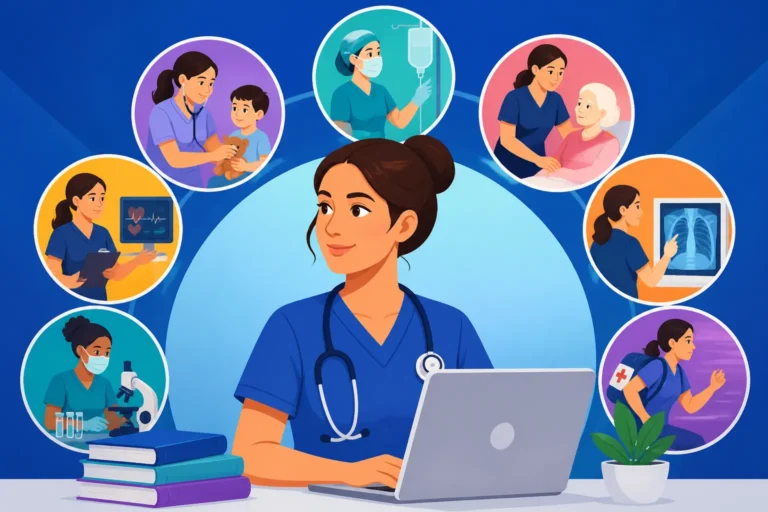
Oncology nurses work in diverse settings, each with its own rhythm and patient population. Hospitals are a common workplace, particularly in inpatient oncology units where patients might be undergoing intensive chemotherapy, recovering from surgery, or managing acute complications. These units often require round-the-clock care, meaning you could be working day, night, or weekend shifts. Outpatient cancer centers and infusion clinics are also major employers. Here, nurses primarily administer infusions, monitor patients during treatment, and provide education for those receiving therapies that don't require an inpatient stay. These settings often have more predictable daytime hours, which can be a draw for some nurses.
Beyond traditional clinical settings, oncology nurses can also find roles in research facilities, contributing to clinical trials and the development of new treatments. Some work in home health, providing care and support for patients who prefer to receive treatment or palliative care in their own homes. Public health agencies or community outreach programs also employ oncology nurses to focus on cancer prevention, screening, and education. Each environment offers a unique perspective on cancer care and allows you to tailor your career to your preferred pace and patient interaction style. If you're trying to decide between different environments, exploring a range of nursing specializations can help clarify your path.
Becoming an Oncology Nurse: Your Pathway
The journey to becoming an oncology nurse is incredibly rewarding, but it does require dedication, education, and specialized training. It's a path that builds upon your foundational nursing knowledge and then hones it to meet the specific needs of cancer patients.
Educational Foundations
To start, you'll need to become a registered nurse (RN). This typically means earning either an Associate Degree in Nursing (ADN) or a Bachelor of Science in Nursing (BSN). While an ADN will get you through the NCLEX-RN and into practice, many healthcare systems and Magnet-designated hospitals increasingly prefer or even require nurses to hold a BSN. A BSN provides a more comprehensive education, covering areas like leadership, research, community health, and evidence-based practice, which are invaluable in complex fields like oncology. If you currently hold an ADN, pursuing an online RN to BSN program is a fantastic way to advance your education while often continuing to work.
For those looking to specialize further or take on advanced roles, continuing your education with a Master of Science in Nursing (MSN) or even a Doctor of Nursing Practice (DNP) is a popular route. An MSN can open doors to becoming an Oncology Nurse Practitioner (ONP), a Nurse Educator specializing in oncology, or a Nurse Administrator in a cancer care setting. These roles often involve more autonomy, advanced clinical decision-making, and leadership responsibilities. For instance, an Oncology Nurse Practitioner might manage a panel of patients, prescribe medications, and order diagnostics, providing comprehensive care. Exploring how to become a Nurse Practitioner can provide more insight into these advanced opportunities.
Gaining Experience
Once you're a licensed RN, practical experience is your next crucial step. While it might seem daunting to jump straight into oncology, many new graduates actually thrive in entry-level positions on medical-surgical floors, where they gain fundamental skills in patient assessment, medication administration, and communication. This foundation is invaluable. After gaining some general experience, typically 1-2 years, you can then seek positions on dedicated oncology units, in infusion centers, or in other cancer care settings.
During this time, it's also highly beneficial to seek out mentorship opportunities. Connecting with experienced oncology nurses can provide invaluable guidance, practical tips, and a deeper understanding of the day-to-day realities of the role. Many hospitals offer residency programs or specialized training for nurses transitioning into oncology, which can provide structured learning and support. Look for opportunities to expand your knowledge through hospital-based continuing education, professional conferences, and even volunteer work with cancer support organizations. This hands-on experience, coupled with continuous learning, truly solidifies your readiness for specialized oncology care.
Oncology Nurse Certification
One of the most significant ways to demonstrate your expertise and commitment to the field is by obtaining specialized certification. The Oncology Certified Nurse (OCN) credential, offered by the Oncology Nursing Certification Corporation (ONCC), is the gold standard for registered nurses working in oncology. To be eligible for the OCN exam, you typically need to be a licensed RN, have a certain number of hours of oncology nursing practice (often 2,000 hours within the last 5 years), and a minimum of 10 contact hours of continuing education in oncology nursing.
Preparing for the OCN exam requires focused study, given the breadth and depth of knowledge tested. You'll need to review topics ranging from cancer prevention and early detection to treatment modalities, symptom management, oncologic emergencies, and ethical considerations in oncology. Many resources are available to help you prepare, including review courses, textbooks, and practice questions. Companies like Uworld are known for their comprehensive review materials, including question banks that simulate the exam experience, which can be incredibly helpful in solidifying your knowledge and building confidence for the OCN exam. Earning your OCN not only boosts your resume and often leads to higher earning potential, but it also signifies to patients and colleagues your dedication to excellence in cancer care. Understanding why nursing accreditation matters also helps appreciate the value of such certifications.
Oncology Nurse Salary and Career Outlook
Considering the immense responsibility and specialized knowledge required, it's natural to wonder about the financial and professional rewards of becoming an oncology nurse. The good news is that this specialty is not only in high demand but also offers competitive compensation and significant opportunities for career growth.
Earning Potential
The salary for an oncology nurse can vary significantly based on several factors, including geographical location, years of experience, educational attainment (ADN vs. BSN vs. MSN), the type of facility, and whether you hold specialized certifications like the OCN. As of early 2024, the average salary for a registered nurse in the United States generally falls between $80,000 and $95,000 annually. Oncology nurses, given their specialization, often earn slightly above the national average for general RNs, with salaries ranging from around $75,000 for newer nurses to well over $100,000 for highly experienced and certified individuals, especially in areas with a higher cost of living or high demand, such as California or New York.
For instance, an oncology nurse with a BSN and OCN certification working in a major metropolitan area like Boston or Seattle might command a salary closer to the higher end of that range. Conversely, a new ADN-prepared oncology nurse in a rural setting might start at a lower figure. Earning your OCN certification can often lead to a salary increase or bonus, as it demonstrates a proven level of expertise. Furthermore, pursuing an MSN to become an Oncology Nurse Practitioner can significantly boost earning potential, with NPs often earning upwards of $110,000 to $130,000 or more annually, depending on their specialization and location. Learning about ADN vs BSN key differences can illuminate why a BSN often leads to better pay.
Job Demand and Growth
The demand for oncology nurses is projected to remain strong and continue to grow. This is primarily driven by several factors: the aging population (with a higher incidence of cancer in older adults), advancements in cancer detection and treatment leading to more people living longer with cancer, and a general shortage of qualified healthcare professionals. The U.S. Bureau of Labor Statistics projects a robust job growth for registered nurses overall, and specialized fields like oncology nursing are often at the forefront of this demand.
As cancer treatments become more complex and personalized, the need for nurses with specific expertise in oncology will only intensify. Hospitals, outpatient clinics, and specialty cancer centers are consistently seeking skilled and compassionate oncology nurses to provide care, educate patients, and manage evolving treatment protocols. This strong job outlook means that once you gain experience and certification, you'll likely find ample opportunities for employment and career advancement across the country. Understanding the overall nursing job outlook and demand can offer a broader perspective on your career trajectory.
Advanced Roles and Career Progression
The career path for an oncology nurse isn't static; there are numerous avenues for professional growth and advancement. Beyond becoming an Oncology Certified Nurse (OCN), you might pursue further education to become an advanced practice registered nurse (APRN) specializing in oncology. This could mean becoming an Oncology Nurse Practitioner (ONP) or a Clinical Nurse Specialist (CNS) in oncology. As an ONP, you would have an expanded scope of practice, including diagnosing, treating, and managing patients, often in collaboration with oncologists.
Other career paths include moving into leadership and management roles, such as a nurse manager of an oncology unit, or becoming an Oncology Nurse Educator, teaching the next generation of cancer care nurses. Some oncology nurses gravitate towards research, contributing to studies that advance the understanding and treatment of cancer. Still others may move into roles in pharmaceutical companies or medical device sales, leveraging their clinical expertise in a different capacity. The depth of knowledge and experience gained as an oncology nurse makes you a highly valued professional, opening doors to a diverse range of opportunities within and outside direct patient care. If you're pondering whether an MSN is worth it, consider the advanced roles and higher earning potential it unlocks.
| Aspect | Description |
|---|---|
| Primary Role | Providing specialized care, education, and support to cancer patients throughout their treatment journey, including chemotherapy administration, symptom management, and emotional support. |
| Required Education | Registered Nurse (RN) license (ADN or BSN required, BSN preferred). Advanced roles (ONP) require an MSN or DNP. |
| Key Certifications | Oncology Certified Nurse (OCN) is the most recognized, demonstrating specialized knowledge and expertise. Other certifications exist for specific sub-specialties. |
| Average Salary | Generally higher than general RNs, ranging from approximately $75,000 to over $100,000 annually, depending on experience, location, and certification. Oncology Nurse Practitioners earn significantly more. |
| Work Environments | Inpatient hospital oncology units, outpatient cancer centers, infusion clinics, radiation therapy centers, research facilities, home health, community health. |
| Skills Needed | Clinical expertise in cancer biology and pharmacology, critical thinking, meticulous attention to detail, strong communication, empathy, resilience, patient education, emotional support, advocacy. |
| Career Outlook | Strong job growth due to aging population, advancements in treatment, and ongoing demand for specialized nurses. Diverse opportunities for advancement into advanced practice, leadership, education, and research roles. |
Disclaimer
The information provided in this guide is intended for general informational purposes only and does not constitute professional medical, financial, or educational advice. While we strive to provide accurate and up-to-date information, nursing regulations, educational requirements, and salary figures can vary significantly by location and change over time. Always consult with accredited educational institutions, professional nursing organizations, and qualified financial advisors for personalized guidance.