Cardiac Nurse: Role, Salary, and How to Start
Being a nurse is incredibly rewarding, but figuring out your niche can feel like navigating a maze, especially when you’re passionate about a specific area of care. Many nurses find themselves drawn to the critical and dynamic field of cardiology, yet they might be unsure about the exact responsibilities, the path to get there, or what kind of salary they can realistically expect. This comprehensive guide will walk you through everything you need to know about becoming a cardiac nurse, from the daily duties to the educational journey and potential earnings, helping you confidently pursue this vital specialization.
The Indispensable Role of a Cardiac Nurse
Cardiac nursing is a specialty that truly keeps the heart of healthcare beating. These dedicated professionals work with patients who have, or are at risk of developing, various heart conditions. It's a field that demands sharp clinical skills, quick thinking, and immense compassion, as you're often caring for individuals facing some of the most vulnerable moments of their lives. From monitoring complex rhythms to educating patients and families about lifestyle changes, a cardiac nurse is at the forefront of preventing and managing heart disease.
Daily Responsibilities and Patient Care
The day-to-day life of a cardiac nurse is anything but monotonous. You might start your shift reviewing patient charts, ensuring you’re up-to-date on their latest diagnostics, medications, and care plans. A significant portion of your time will involve continuous patient monitoring, which means being an expert at interpreting electrocardiograms (ECGs) to detect arrhythmias, tracking blood pressure and oxygen saturation, and carefully managing intravenous drips that often include potent cardiac medications. Administering these medications accurately, understanding their effects and potential side effects, is absolutely crucial.
Beyond the technical skills, cardiac nurses spend a lot of time as educators. Imagine Mr. Henderson, a 65-year-old patient just recovering from a heart attack. He's anxious about going home and doesn't fully understand his new diet restrictions or why he needs to take so many pills. As his cardiac nurse, you'd sit down with him, patiently explaining his medications, demonstrating how to monitor his own pulse, and discussing heart-healthy eating plans. You'd also involve his family, teaching them warning signs to look out for and when to seek emergency care. This comprehensive patient education empowers individuals to manage their condition effectively and prevents readmissions, making a tangible difference in their long-term health.
Where Cardiac Nurses Practice
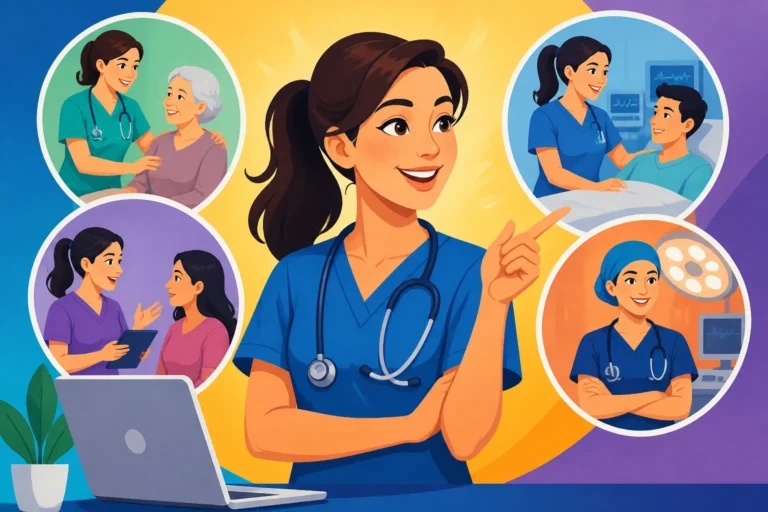
Cardiac nurses are essential across a wide spectrum of healthcare settings, each offering a unique environment and patient population. One common area is the Coronary Care Unit (CCU) or Cardiac Intensive Care Unit (CICU), where you'd care for critically ill patients immediately after heart surgery, a severe heart attack, or those with life-threatening arrhythmias. The pace here is often fast, demanding a high level of critical thinking and rapid intervention.
Then there's the cardiac telemetry unit, often referred to as a step-down unit. Here, patients are stable enough to leave the ICU but still require continuous cardiac monitoring. This is where you might find patients recovering from a heart attack, those with chronic heart failure, or individuals undergoing diagnostic tests. Beyond the inpatient settings, cardiac nurses are vital in cardiac catheterization labs, assisting during procedures like angioplasties or stent placements, as well as in outpatient cardiology clinics, providing follow-up care, stress testing, and managing chronic conditions. Some even work in rehabilitation centers, guiding patients through structured exercise and lifestyle modification programs to regain strength and independence. The diversity of roles within this specialty is truly impressive, offering varied experiences depending on your interests.
The Emotional Impact of Cardiac Nursing
Working with cardiac patients can be an intense emotional experience. On one hand, you witness incredible resilience and recovery, celebrating milestones with patients like their first walk down the hall after a major surgery, or watching them leave the hospital with a renewed sense of hope. These moments are incredibly rewarding and reinforce why you chose nursing in the first place. You build deep connections with patients and their families, often becoming a trusted source of comfort and information during a very frightening time.
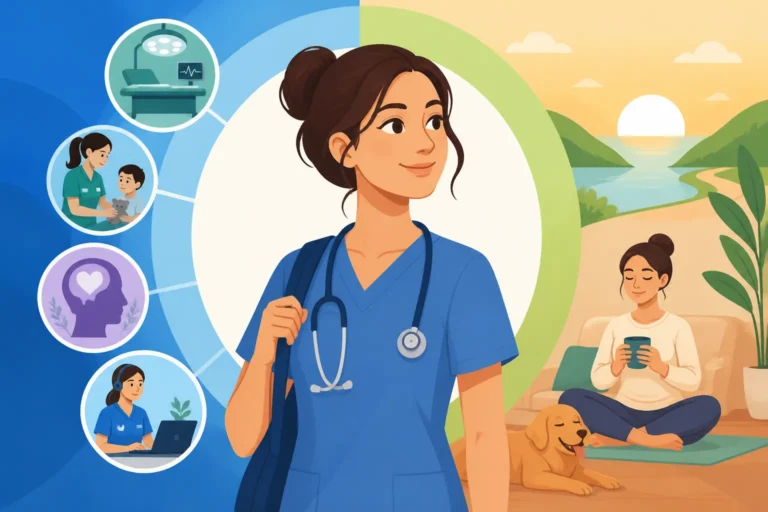
However, it's also a field where you face high-stakes situations regularly. Patients can decompensate rapidly, and despite your best efforts, outcomes aren't always positive. This can take an emotional toll. It's crucial for cardiac nurses to develop strong coping mechanisms, lean on their colleagues for support, and prioritize self-care to prevent burnout. Recognizing the importance of mental well-being is not a weakness; it's a necessity for sustaining a long and impactful career in this demanding, yet profoundly meaningful, specialty.
Paving Your Path to Becoming a Cardiac Nurse
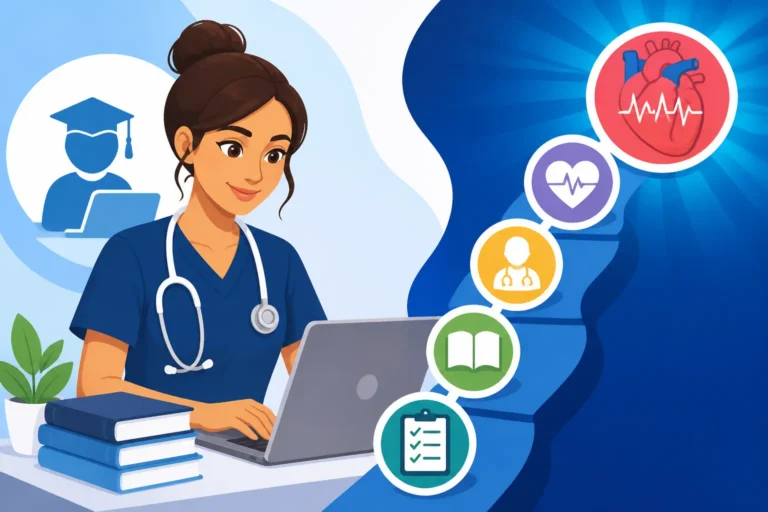
Becoming a cardiac nurse isn't something that happens overnight. It's a journey that requires a solid educational foundation, deliberate clinical experience, and often, specialized certifications. Many nurses find themselves evolving into this role after gaining general experience, realizing their passion lies in the intricacies of cardiovascular health. It's a path that offers continuous learning and growth.
Educational Foundations: ADN or BSN?
Your journey into nursing typically begins with either an Associate Degree in Nursing (ADN) or a Bachelor of Science in Nursing (BSN). While an ADN can get you started as a Registered Nurse (RN) and allow you to sit for the NCLEX exam, most hospitals and certainly the more specialized cardiac units, strongly prefer nurses with a BSN. A BSN program provides a more comprehensive education, covering topics like leadership, research, community health, and critical thinking, which are invaluable in complex fields like cardiology.
If you currently hold an ADN, don't despair! There are countless excellent Online RN to BSN Programs: Complete Guide available that allow working nurses to seamlessly advance their education. Many nurses find that completing their BSN opens doors to more opportunities in specialty areas, and some institutions even require it for Magnet Status, which recognizes nursing excellence. It's an investment in your career that pays dividends in terms of knowledge, skills, and career mobility.
Gaining Critical Experience
Once you've passed the NCLEX and become a licensed RN, you won't typically jump straight into the Cardiac ICU unless you're part of a very specialized new graduate program. The usual progression involves gaining foundational experience in a general medical-surgical unit. This environment allows you to hone essential skills like medication administration, wound care, patient assessment, and time management across a diverse patient population. It’s the bootcamp for all future specialties!
After a year or two of solid med-surg experience, many aspiring cardiac nurses transition to a telemetry unit, which specializes in monitoring patients with heart conditions. This is a fantastic stepping stone, as it exposes you to various arrhythmias, cardiac medications, and specific patient education needs. From telemetry, with its focus on heart monitoring, you can then often apply for positions in more acute cardiac areas like the CCU, cardiac cath lab, or even a cardiovascular surgery unit. Each step builds on the last, equipping you with the specialized knowledge and confidence required for this demanding field.
Certifications That Set You Apart
While not always a strict requirement to start as a cardiac nurse, earning specialized certifications can significantly enhance your resume, demonstrate your commitment to the field, and often lead to better career opportunities and even higher pay. These certifications validate your advanced knowledge and skills in cardiovascular nursing. For example, the Cardiac Vascular Nurse Certification (CVRN-BC) offered by the American Nurses Credentialing Center (ANCC) is a common one for general cardiac nursing. This certification focuses on managing adult patients with cardiac or vascular conditions across various settings.
For nurses working in critical care cardiac units, the Critical Care Registered Nurse (CCRN) certification from the American Association of Critical-Care Nurses (AACN) is highly respected. This certification specifically focuses on the acute care of critically ill adult patients, including those with severe cardiac issues. To prepare for these rigorous exams, many nurses utilize study resources and practice questions from platforms like Uworld, which are known for their comprehensive review materials designed to mimic the actual exam experience. Understanding Nursing Certifications by Specialty and how to effectively How to Get a Nursing Certification can be a game-changer for your career trajectory.
| Certification Abbreviation | Certification Name | Administering Body | Key Focus Area | Experience Recommended |
|---|---|---|---|---|
| CVRN-BC | Cardiac Vascular Nurse Board Certified | ANCC | General adult cardiac/vascular care | 2 years RN, 2000 hours in specialty |
| CCRN | Critical Care Registered Nurse | AACN | Critically ill adult patients (including cardiac) | 1750 hours in critical care |
| CEN | Certified Emergency Nurse | BCEN | Emergency department nursing (often includes cardiac emergencies) | 2 years RN in ED |
| CSC | Cardiac Surgery Certification | AACN | Adult cardiac surgery patients in critical care | CCRN required, 1 year in cardiac surgery ICU |
| PCCN | Progressive Care Certified Nurse | AACN | Adult critically ill patients in progressive care | 1750 hours in progressive care |
What to Expect: Cardiac Nurse Salaries and Career Outlook
Let's be real—while passion drives many nurses, understanding the financial aspects and career stability of a specialty is incredibly important. Cardiac nursing offers competitive salaries and a strong job outlook, reflecting the critical need for skilled professionals in this area of healthcare. Your earnings will naturally evolve as your experience grows and your expertise deepens.
Average Salaries and Influencing Factors
The salary for a cardiac nurse can vary significantly depending on several factors. Generally, registered nurses in the United States earn a median annual salary of around $86,070, or roughly $41.38 per hour, as of May 2023, according to the U.S. Bureau of Labor Statistics. However, cardiac nurses often earn slightly more than the general RN average due to the specialized nature and high demand for their skills. Entry-level cardiac nurses, perhaps with a BSN and a year or two of med-surg experience, might start in the $65,000-$75,000 range. With 5-10 years of experience and specialized certifications like the CVRN-BC or CCRN, a cardiac nurse could easily earn $85,000 to $100,000 or more annually.
Location plays a huge role in salary. States with a higher cost of living and strong union representation for nurses, such as California, New York, and Massachusetts, tend to offer higher wages. For example, a cardiac nurse in Los Angeles or San Francisco will likely earn significantly more than one in a rural area of, say, Kansas, even if they have comparable experience. Shift differentials (working nights, weekends, or holidays), overtime, and the type of facility (hospital vs. outpatient clinic) also factor into total compensation. Understanding how Nursing Salary by Degree Level and How Much Do Nurses Make are influenced by these variables is key when planning your career.
The Future of Cardiac Nursing
The demand for cardiac nurses is projected to remain strong, and even grow, in the coming years. This is largely due to several factors. The aging population in the U.S. means a higher incidence of age-related cardiovascular diseases, such as heart failure, coronary artery disease, and arrhythmias. Advances in medical technology and treatments also mean that more people are living longer with chronic heart conditions, requiring ongoing care and management.
Moreover, lifestyle factors like obesity and diabetes continue to contribute to the prevalence of heart disease across all age groups. Hospitals and clinics will continue to need highly skilled cardiac nurses to manage these complex cases, perform critical interventions, and educate patients on preventative care. For those considering this specialty, the Nursing Job Outlook and Demand for cardiac nurses is bright, offering stability and continuous opportunities for growth.
Advancing Your Career in Cardiology
Earning your BSN and gaining experience as a cardiac nurse is an excellent foundation, but it's by no means the end of your educational or professional journey if you choose to advance. Many cardiac nurses pursue further education to become advanced practice registered nurses (APRNs), opening doors to even more specialized roles and increased autonomy. For instance, you could pursue a Master of Science in Nursing (MSN) to become a Cardiovascular Nurse Practitioner. These NPs diagnose and treat cardiac conditions, prescribe medications, and manage patient care independently or collaboratively with physicians.
Another popular advanced path is becoming a Clinical Nurse Specialist (CNS) in cardiovascular health, focusing on improving patient outcomes, staff education, and evidence-based practice within a hospital system. Some even go on to earn a Doctor of Nursing Practice (DNP), preparing them for leadership, policy, and advanced clinical roles. Exploring different Nursing Career Paths and Salaries can help you visualize your long-term potential in this dynamic field. Continual learning, whether through formal education or professional development, is paramount for staying at the top of your game and maximizing your impact. If you're looking to significantly How to Increase Your Nursing Salary, advanced degrees and certifications are often the most direct route.
Overcoming Challenges and Thriving in Cardiac Nursing
No nursing specialty is without its challenges, and cardiac nursing is no exception. It’s a field that demands a lot from you, both mentally and physically. However, understanding these demands and proactively seeking support can help you not only survive but truly thrive in this incredibly vital role.
The Demands of the Specialty
The high-stakes nature of cardiac care can be incredibly demanding. You're often dealing with patients whose conditions can change rapidly and unpredictably. One moment a patient might be stable, the next they could be coding, requiring immediate, life-saving interventions. This constant state of vigilance, combined with the emotional weight of caring for critically ill individuals and their anxious families, can be a heavy burden. The work involves complex equipment, intricate medication regimens, and a need for precise, critical thinking under pressure.
Beyond the clinical intensity, cardiac nurses often face long shifts, sometimes requiring them to make difficult decisions with limited resources or understaffing. The emotional toll of patient loss, particularly with younger patients, can be profound. It’s crucial to acknowledge these stressors and develop strategies to manage them, rather than letting them build up. This is where a strong support system, both professional and personal, becomes absolutely essential.
Finding Support and Resources
To truly thrive in cardiac nursing, you need to be proactive about your well-being and professional growth. Lean on your colleagues; they understand the unique pressures of the unit because they experience them too. Debriefing after a difficult shift or a challenging patient outcome can be incredibly therapeutic. Many hospitals offer employee assistance programs or critical incident stress management teams that provide counseling and support for healthcare workers dealing with trauma. Don't hesitate to use these resources.
Professionally, consider joining organizations like the American Association of Critical-Care Nurses (AACN) or the American Heart Association (AHA). These organizations offer invaluable resources, continuing education opportunities, and a sense of community. Attending conferences, webinars, and workshops not only keeps your knowledge current but also provides networking opportunities and a chance to recharge. Utilizing study tools from reputable providers like Uworld for ongoing education or certification preparation can also bolster your confidence and competence. Remember, investing in your professional development and personal well-being isn't a luxury; it's a necessity for a long, fulfilling career in cardiac nursing.
Disclaimer
The information provided in this guide is intended for general informational purposes only and does not constitute professional medical, legal, or financial advice. Always consult with qualified professionals for specific advice tailored to your situation. Educational program requirements, salaries, and job outlooks can change, and readers should verify current information with official sources and educational institutions.