How to Become a Labor and Delivery Nurse
Becoming a labor and delivery (L&D) nurse is a dream for so many of us, but the path to get there can feel overwhelming, like a dense jungle filled with confusing turns and hidden requirements. If you've ever felt the pull of bringing new life into the world, of being that vital support for families during one of life's most profound moments, then you've landed in the right place. This guide is dedicated to demystifying every step of becoming an L&D nurse, from the foundational education to the specialized skills and certifications that will make you an invaluable part of the birthing team.
The Call to Labor and Delivery Nursing: Is It for You?
The world of labor and delivery nursing is unlike any other specialty. It’s a unique blend of high-stakes medical care, profound emotional support, and the sheer joy of new beginnings. But let’s be real, it’s not always sunshine and rainbows; it’s also challenging, demanding, and requires a very particular kind of person to thrive. If you're pondering this path, it's crucial to understand what truly lies ahead.
Understanding the Unique Role of an L&D Nurse
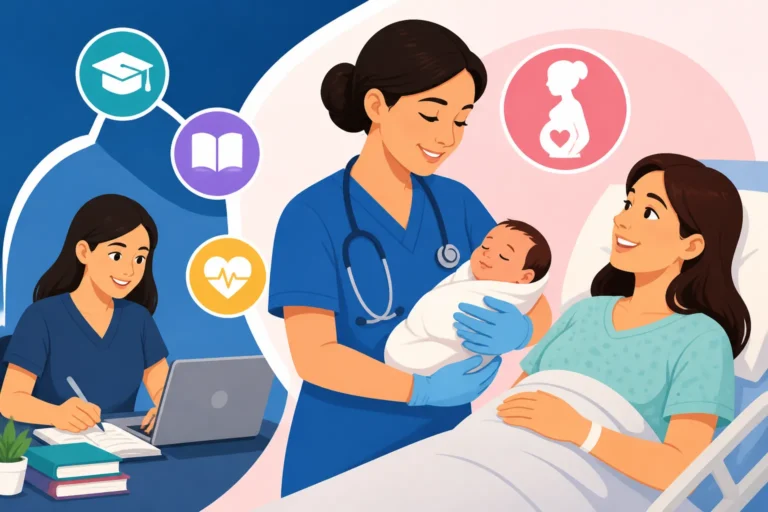
As an L&D nurse, you're not just monitoring vital signs or administering medications – though those are certainly core parts of the job. You are often the central figure, the steady hand, and the compassionate voice for an expectant parent and their support system during one of the most vulnerable and intense experiences of their lives. Your responsibilities are incredibly diverse, spanning from the initial assessment of a laboring person, continuous fetal monitoring, managing pain relief options, assisting with delivery, providing immediate postpartum care, and even caring for the newborn in those crucial first moments.
Imagine a scenario: a first-time parent comes into the unit, contractions picking up, a mix of excitement and palpable fear in their eyes. Your role isn't just to hook them up to the monitor; it's to calm their anxieties, explain every step of the process, advocate for their birth plan while ensuring safety, and guide them through each push. You might find yourself coaching a partner on how to best support their loved one, celebrating with a family when their baby finally arrives, and then quickly pivoting to manage a sudden hemorrhage or a newborn needing resuscitation. This environment demands constant vigilance and the ability to switch gears instantly. The emotional highs are incredibly rewarding – witnessing a parent hold their baby for the first time is a privilege few professions offer. However, the lows can be equally profound when facing complications, stillbirths, or tragic outcomes. It takes a toll, and it's something every prospective L&D nurse needs to seriously consider.
Essential Traits for Thriving in L&D
Given the intensity and unpredictability of the L&D environment, certain personal and professional qualities aren't just helpful – they're absolutely essential. Without these, even the most skilled nurse might struggle to find their footing or maintain their well-being in this demanding specialty.
First and foremost, empathy is non-negotiable. You’re working with people at their most vulnerable, often experiencing immense pain, fear, and sometimes, profound loss. Being able to truly connect, to understand their unspoken anxieties, and to offer genuine comfort makes all the difference. Beyond empathy, quick thinking and decisiveness are paramount. Labor can change rapidly, and you need to be able to assess situations, anticipate potential complications, and act swiftly under pressure. A moment's hesitation can have significant consequences for both parent and baby. Coupled with this is resilience – the ability to bounce back from difficult situations, to process the emotional weight of a bad outcome, and to be ready for the next patient with a fresh perspective. You’ll see triumphs and tragedies, sometimes within the same shift, and learning to cope with that emotional rollercoaster is vital. Finally, impeccable communication skills are key. You’ll be communicating complex medical information to patients and their families, collaborating with obstetricians, anesthesiologists, and pediatricians, and providing clear, concise updates. Being able to explain, reassure, and collaborate effectively is the bedrock of safe and supportive L&D care. Without these traits, the daily realities of an L&D nurse can quickly lead to burnout. It's a role that asks a lot, but for those with the right temperament, it gives back immeasurably.
Educational Pathways to Becoming an L&D Nurse
No matter how strong your calling to L&D might be, it all starts with becoming a licensed Registered Nurse (RN). This foundational step is non-negotiable and sets the stage for your entire nursing career. There are a few different educational routes you can take to get there, each with its own timeline and benefits.
Earning Your Registered Nurse (RN) License
To become an RN, you typically need to complete an approved nursing program and then pass the NCLEX-RN exam. The two most common pathways for the initial nursing degree are an Associate Degree in Nursing (ADN) or a Bachelor of Science in Nursing (BSN).
An ADN program is usually offered at community colleges and can be completed in about two years. It focuses heavily on direct patient care and prepares you for entry-level nursing roles. Many nurses start with an ADN because it’s a faster and often more affordable way to enter the workforce. However, the nursing landscape is increasingly favoring BSN-prepared nurses, especially in specialty areas like L&D. While an ADN will qualify you to sit for the NCLEX-RN and become licensed, many hospitals, particularly those with Magnet Recognition, now require new hires to hold or be actively pursuing a BSN. This growing preference means that while you might get your foot in the door with an ADN, you’ll likely need to go back for your BSN later.
A BSN program, typically offered at four-year universities, usually takes about four years to complete if you're starting from scratch. These programs include a broader curriculum that delves into nursing theory, research, community health, leadership, and critical thinking, in addition to hands-on clinical experience. For those considering the long game in nursing, especially in a specialized and dynamic field like L&D, a BSN provides a more comprehensive educational foundation. It’s also often a prerequisite for advanced nursing roles and graduate studies. If you're looking for flexibility, there are many Accredited Online RN to BSN Programs available, allowing you to balance work and studies if you start with an ADN. Understanding the ADN vs BSN: Key Differences can help you make an informed decision early on.
The RN to BSN Advantage for L&D Aspirants
Let's talk frankly: while an ADN gets you in the door, a BSN is increasingly becoming the standard, and often the expectation, in many hospital settings, especially for specialized units like Labor & Delivery. The reasons for this shift are multi-faceted and directly impact your career trajectory and opportunities. Hospitals, particularly those striving for or having achieved Magnet status, are actively seeking BSN-prepared nurses. Magnet Recognition is a prestigious designation awarded by the American Nurses Credentialing Center (ANCC) that recognizes healthcare organizations for quality patient care, nursing excellence, and innovations in professional nursing practice. One of the key criteria for this status is a highly educated nursing workforce, leading many Magnet hospitals to require or strongly prefer BSN-prepared nurses for all positions, including L&D. This means if your dream hospital is a Magnet facility, a BSN might be your golden ticket.
Beyond institutional preference, a BSN education provides a deeper dive into evidence-based practice, critical thinking, leadership, and public health, which are invaluable in the complex and often high-stress L&D environment. You'll learn to analyze research, lead patient education initiatives, and contribute to quality improvement projects – all skills that elevate patient care and distinguish you as a professional. For those who initially obtained an ADN, pursuing an RN to BSN program is a smart move. These bridge programs are designed for working RNs and allow you to complete your bachelor's degree efficiently, often online. You can learn more about these pathways in our Online RN to BSN Programs: Complete Guide. The investment in a BSN truly pays off, not just in meeting hospital requirements, but in enhancing your clinical judgment, leadership potential, and ultimately, your ability to provide the best possible care to your L&D patients. It’s also important to consider Is an RN to BSN Worth It when planning your education.
Passing the NCLEX-RN
Once you've completed your ADN or BSN program, the next major hurdle is successfully passing the National Council Licensure Examination for Registered Nurses, or NCLEX-RN. This exam isn't just a test of what you memorized; it's a comprehensive assessment of your ability to apply nursing knowledge, critical thinking, and clinical judgment to provide safe and effective patient care. It’s the gatekeeper to becoming a licensed RN and, by extension, to starting your journey in L&D.
Preparing for the NCLEX-RN requires dedication and a strategic approach. It's not uncommon for new graduates to feel immense pressure, and for good reason—your future hinges on this exam. Most nursing programs integrate NCLEX prep into their curriculum, but independent study and supplementary resources are almost always necessary. Many students utilize comprehensive review courses, question banks, and study guides. Programs like Uworld are incredibly popular for their challenging practice questions and detailed rationales, which simulate the actual exam experience and help identify areas for improvement. The key is to practice consistently, review your weak points, and get comfortable with the exam format. Don't underestimate the power of consistent review and simulated testing environments. Passing the NCLEX isn't just about knowledge; it's about endurance and applying that knowledge under pressure. Once you pass, you're officially a licensed Registered Nurse, ready to seek your first nursing position and begin your specialized training towards L&D.
Gaining Experience and Specialized Training
With your RN license in hand, the real journey begins. While your ultimate goal is L&D, securing a direct entry position into this highly specialized unit can be challenging, especially as a new graduate. Many nurses find it beneficial to gain broader experience first.
Entry-Level Positions and Building Foundational Skills
It’s a common misconception that you need to jump straight into L&D right out of nursing school. While some new grads are lucky enough to secure an L&D residency, it’s not the norm. For most aspiring L&D nurses, starting in a general medical-surgical unit or a telemetry floor can provide an invaluable foundation. These units, while demanding, offer a broad exposure to patient care, diverse medical conditions, and essential nursing skills that are highly transferable to any specialty. You’ll hone your assessment skills, medication administration, critical thinking, time management, and communication with patients and multidisciplinary teams. These skills are absolutely crucial in the fast-paced, high-stakes environment of L&D. For example, managing a patient with a complex medical history who is also in labor requires a holistic understanding of their physiology, not just their obstetric status.
When you do apply for L&D positions after gaining some experience, remember to tailor your resume and cover letter to highlight how your general nursing skills translate to the L&D setting. Emphasize your ability to manage multiple priorities, respond to emergencies, provide compassionate patient education, and work effectively as part of a team. Networking within your hospital is also incredibly important. If your hospital has an L&D unit, try to do some shadowing, express your interest to charge nurses or managers, and demonstrate your eagerness to learn. You might even find that your first job could be in a related field like postpartum or newborn nursery, which can often be a stepping stone into L&D. Remember, the goal is to become a well-rounded nurse first, and that solid foundation will serve you well, no matter where you end up. For more ideas on where to start, check out our guide on Best Nursing Specialties for New Grads.
Specialized L&D Training and Certifications
Once you've secured a position in Labor and Delivery, your specialized training truly begins. This isn't just about learning the ropes; it's about mastering a highly focused set of skills and knowledge critical to the safety and well-being of both parent and baby. Hospitals typically offer robust orientation programs for new L&D nurses, which can range from several weeks to several months, depending on your prior experience. These programs will pair you with an experienced preceptor who will guide you through everything from admitting a laboring patient to assisting with C-sections and managing postpartum emergencies.
Crucial to L&D nursing are several certifications that you’ll either need to obtain before starting or within a few months of hire. The Neonatal Resuscitation Program (NRP) is absolutely vital. This certification teaches you the skills to resuscitate and stabilize newborns, an essential skill since unexpected emergencies can arise during any birth. You’ll also need to maintain your Basic Life Support (BLS) certification, and often Advanced Cardiovascular Life Support (ACLS) and Pediatric Advanced Life Support (PALS) as well, as these prepare you for adult and pediatric cardiac emergencies which, while rare, can occur in the birthing suite or immediately postpartum. Many hospitals will also provide training in Electronic Fetal Monitoring (EFM), which is the cornerstone of assessing fetal well-being during labor. This involves interpreting complex tracings to identify potential distress and initiate timely interventions. While these are usually taught in-house, dedicated courses and practice questions, some of which can be found on platforms like Uworld, can enhance your understanding and preparation. Beyond these core certifications, continuous learning through workshops, conferences, and unit-specific competencies is an ongoing expectation in L&D. It's a field where staying current with best practices and emerging evidence is paramount.
Here's a quick look at some key certifications you'll encounter:
| Certification | Description | Why it's Important for L&D | Renewal Frequency |
|---|---|---|---|
| BLS | Basic Life Support for healthcare providers (CPR, AED use). | Foundational for all healthcare roles, crucial for maternal/fetal emergencies. | Every 2 years |
| ACLS | Advanced Cardiovascular Life Support for adult cardiac arrest/stroke. | Essential for managing maternal cardiac arrest or other adult emergencies. | Every 2 years |
| PALS | Pediatric Advanced Life Support for pediatric emergencies. | Valuable for managing emergencies involving older children or parents. | Every 2 years |
| NRP | Neonatal Resuscitation Program for newborn resuscitation. | CRITICAL for stabilizing and resuscitating distressed newborns. | Every 2 years |
| EFM | Electronic Fetal Monitoring (often in-house training or separate course). | Core skill for assessing fetal well-being during labor. | Varies by program |
Advancing Your Career in Labor and Delivery
Once you’ve established yourself as a competent L&D nurse, the opportunities for growth and specialization within the field are vast. This isn't a career where you simply plateau; continuous learning and advancement are not only possible but encouraged.
Pursuing Advanced Certifications
Beyond the initial certifications like NRP and BLS, there are several advanced certifications specifically designed for experienced L&D nurses. These certifications validate your expertise, enhance your professional standing, and can even lead to increased pay and new career opportunities. The most prominent certification is the Inpatient Obstetric Nursing (RNC-OB) credential, offered by the National Certification Corporation (NCC). To be eligible for the RNC-OB, you typically need to be a licensed RN and have accumulated a certain number of hours of direct patient care experience in inpatient obstetrics. This certification demonstrates a deep understanding of antepartum, intrapartum, postpartum, and neonatal care, signaling your advanced knowledge to employers and peers.
Another valuable credential is the Certification in Electronic Fetal Monitoring (C-EFM), also offered by the NCC. While you'll undoubtedly receive EFM training on the job, this formal certification shows a higher level of proficiency in interpreting complex fetal heart rate patterns and understanding the appropriate interventions. Both RNC-OB and C-EFM require rigorous study and passing a comprehensive exam. Many nurses use resources like Uworld for practice questions to prepare for these specialty exams, much like they did for the NCLEX. Holding these advanced certifications not only boosts your resume but also often translates into higher earning potential and eligibility for leadership roles, such as charge nurse, clinical educator, or unit manager. You can read more about how these certifications contribute to your earnings in Nursing Certifications That Boost Pay.
Exploring Higher Education: MSN and Beyond
For L&D nurses who are passionate about advancing their practice, taking on leadership roles, or even becoming independent providers, higher education at the master's or doctoral level is the next logical step. A Master of Science in Nursing (MSN) opens doors to a variety of advanced nursing roles, many of which can still keep you deeply connected to maternal-newborn care.
One popular pathway for L&D nurses is to become a Certified Nurse-Midwife (CNM). Nurse-midwives are advanced practice registered nurses (APRNs) who provide comprehensive care to women throughout their lifespan, with a strong focus on pregnancy, childbirth, and the postpartum period. This includes prenatal care, attending births in various settings (hospitals, birth centers, homes), and providing gynecological and primary care services. Becoming a CNM requires completing an accredited graduate program, typically an MSN or DNP, and then passing a national certification exam. It's a role that offers significant autonomy and the ability to truly champion the physiological process of birth. If this sparks your interest, our guide on How to Become a Nurse Midwife offers an in-depth look.
Other MSN specializations that L&D nurses might consider include Nurse Educator, allowing you to teach the next generation of nurses, or Nurse Leadership/Administration, preparing you for management roles within a hospital system. For those interested in a more general advanced practice role focused on women's health but not necessarily centered on birth attendance, pursuing a Women's Health Nurse Practitioner (WHNP) specialization is an excellent option. WHNPs provide primary and specialty healthcare to women of all ages, focusing on reproductive, gynecological, and general health needs. These advanced degrees not only increase your earning potential, as highlighted in Women's Health NP Salary and Job Outlook, but also allow you to impact patient care on a broader scale, influence policy, and contribute to nursing research. Our Online MSN Programs: Complete Guide offers a comprehensive overview of your options.
The Realities of L&D Nursing: Challenges and Rewards
Stepping into the labor and delivery unit means embracing a world of profound joy, but also significant challenges. It's a specialty that demands a unique blend of emotional fortitude and clinical excellence. For those considering this path, it's vital to have a realistic understanding of what to expect day-to-day.
Navigating the Emotional Rollercoaster
Working in L&D is often described as an emotional rollercoaster, and that’s truly an understatement. One moment, you might be celebrating with a family as they welcome a healthy baby with overwhelming joy and tears of happiness. The very next hour, you could be in a high-stakes emergency, rushing to the operating room for an emergency C-section, managing a postpartum hemorrhage, or, in the most heartbreaking of circumstances, supporting a family through the unimaginable loss of a baby. These moments of profound grief are incredibly challenging and can take a significant emotional toll on nurses. Supporting parents through stillbirths, infant loss, or severe birth complications requires immense compassion, resilience, and the ability to compartmentalize and debrief.
It's not just the tragic outcomes, either. The intensity of labor itself can be emotionally draining. You're constantly tuning into patient needs, managing their pain, alleviating their fears, and advocating for them, all while ensuring medical safety. This constant state of heightened awareness, coupled with deeply personal and vulnerable interactions, means you're always engaged at a very deep level. Because of this, self-care is not a luxury; it's a necessity. Many L&D units have systems in place for debriefing after difficult cases, encouraging nurses to process their emotions and support one another. Finding healthy coping mechanisms, whether it's through exercise, hobbies, or therapy, is crucial for long-term sustainability in this demanding, yet incredibly rewarding, field.
Work-Life Balance and Demands
The concept of "work-life balance" in nursing, particularly in a unit like L&D, often feels like a moving target. L&D units operate 24/7, meaning shift work is the norm. You'll likely work 12-hour shifts, which can be days, nights, weekends, and holidays. While some enjoy the compressed work week (e.g., three 12-hour shifts), those shifts are physically and mentally exhausting. The nature of labor and delivery also means unpredictability. You might plan to leave at the end of your shift, but if a patient is actively pushing or has a sudden complication, you'll often stay beyond your scheduled time to ensure continuity of care. This on-call mentality, even if not formally "on call," is a common reality.
The physical demands are also significant. You're on your feet for long periods, assisting patients with ambulation, repositioning, and sometimes even physically supporting them during labor. The emotional demands, as discussed, compound the physical exhaustion. Finding a balance means being proactive about scheduling, utilizing your days off for true rest and rejuvenation, and setting boundaries when possible. Some units offer rotating shifts, while others have more consistent day or night positions. It's important to understand the typical scheduling patterns of any L&D unit you consider joining. While challenging, many L&D nurses find ways to make it work, often forming strong bonds with their colleagues who understand the unique pressures of the job. For nurses balancing personal life with continuing education, understanding how to manage commitments, as discussed in How to Balance Work and RN to BSN, can offer valuable strategies.
Finding Your Niche: Types of L&D Roles
The beauty of L&D nursing is that while the core mission remains the same—supporting families through childbirth—there are actually several distinct environments and roles you can find yourself in, each with its own rhythm and focus.
Hospital-Based L&D Units
When most people think of a labor and delivery nurse, they picture the hustle and bustle of a hospital birthing unit. These are often the largest employers of L&D nurses, offering a wide range of experiences. Hospital L&D units vary significantly in size and the patient populations they serve. A small community hospital in a rural area might primarily handle low-risk, uncomplicated births, with a more intimate and slower pace. Here, nurses often wear multiple hats, assisting in labor, postpartum, and even the nursery. The patient volume might be lower, allowing for more individualized attention.
In contrast, a large academic medical center or a hospital in a major metropolitan area will often see a much higher volume of births, including a significant number of high-risk cases. These facilities are usually equipped with advanced technology, have specialized teams (like maternal-fetal medicine specialists and neonatologists) readily available, and handle complex pregnancies, pre-term deliveries, and critically ill mothers or babies. Working in such an environment means exposure to cutting-edge interventions and intense, fast-paced situations. You might be working with parents who have gestational diabetes, preeclampsia, or other chronic conditions that complicate their pregnancy. The intensity is high, but the learning opportunities are immense. Understanding these differences is key when you're looking for your first L&D job; consider what kind of environment best suits your personality and learning style.
Beyond the Traditional Birthing Room
While the hospital birthing room is the heart of L&D nursing, the specialty extends far beyond that. As an L&D nurse gains experience, or even as a new graduate, there are various related roles and settings where their expertise in maternal-newborn care is highly valued. One common area is in outpatient clinics that focus on prenatal care. Here, nurses provide education, perform assessments, conduct routine screenings, and offer support to expectant parents throughout their pregnancy journey, often helping manage chronic conditions. It's a more scheduled environment than the unpredictable L&D floor, allowing for deeper patient relationships over time.
Another fulfilling path is in prenatal education. L&D nurses are perfectly positioned to teach childbirth classes, breastfeeding workshops, and newborn care seminars. They share their practical knowledge and alleviate anxieties, empowering new parents with the information they need. This role can be hospital-based or independent. Lactation consulting is another highly specialized area, where L&D nurses, often with additional certification as International Board Certified Lactation Consultants (IBCLCs), provide expert support to new mothers struggling with breastfeeding. This can happen in the hospital postpartum unit, in outpatient clinics, or even through home visits. Nurses might also work in maternal-fetal medicine offices, assisting with high-risk pregnancy management, or even in research focusing on maternal and infant health outcomes. Each of these roles utilizes the core knowledge of L&D nursing but applies it in different ways, offering varied work environments and schedules, and expanding the scope of what it means to be a labor and delivery nurse.
Disclaimer
Please remember that the information provided in this guide is intended for general informational purposes only and does not constitute professional medical, educational, or career advice. Nursing requirements, program availability, costs, and career opportunities can change, and vary significantly by state, institution, and individual circumstances. Always verify information directly with accredited educational institutions, licensing boards, and potential employers. This guide is not a substitute for personalized professional advice.