How to Become a Psychiatric Nurse Step by Step
If you're a registered nurse feeling the pull towards a different kind of patient care, or perhaps you're just starting your nursing journey and already know your heart belongs in mental health, you're not alone. Many nurses find themselves craving a role where they can truly connect with individuals on a deeper emotional and psychological level. This comprehensive guide will walk you through the essential steps, from foundational education to advanced practice, to help you navigate the rewarding path of becoming a psychiatric nurse.
Understanding the Role of a Psychiatric-Mental Health Nurse
The term "psychiatric nurse" might conjure different images for different people. For some, it's the image from a movie, but the reality is far more nuanced, compassionate, and incredibly vital. Psychiatric-Mental Health (PMH) nurses are at the forefront of caring for individuals, families, and communities grappling with mental health disorders or experiencing mental distress. They are integral members of a healthcare team, often serving as the primary point of contact and support for patients during their most vulnerable moments.
What Psychiatric Nurses Really Do
The daily life of a psychiatric nurse is incredibly varied, depending on the setting and the specific needs of their patients. It’s not just about medication administration, though that’s certainly a part of it. A PMH nurse's role is deeply rooted in therapeutic communication, assessment, and intervention. You might spend your morning conducting comprehensive mental health assessments, observing a patient’s mood, affect, thought processes, and judgment to identify changes or escalating crises. This requires a keen eye and an empathetic ear, picking up on subtle cues that others might miss.
Throughout the day, you'll engage in one-on-one or group therapy sessions, helping patients develop coping strategies, manage anxiety, or process trauma. Imagine facilitating a group discussion where patients share their struggles with depression, and you're there to guide them, encourage peer support, and teach practical skills like mindfulness or cognitive reframing. Then, you might collaborate with psychiatrists, social workers, and therapists to develop individualized care plans, ensuring a holistic approach to recovery. For instance, a patient newly diagnosed with bipolar disorder might need education on medication adherence, lifestyle adjustments, and identifying relapse triggers. You'd be the one providing that crucial education, answering their questions, and empowering them to take control of their health. It’s a role that demands constant learning, incredible patience, and a deep well of resilience.
Why Mental Health Nursing is So Crucial Today
The landscape of healthcare is shifting, and the importance of mental health has never been more recognized. For far too long, mental illness was shrouded in stigma, often overlooked or misunderstood, leaving countless individuals without the support they desperately needed. Today, there's a growing understanding that mental health is just as critical as physical health, and the demand for skilled psychiatric nurses is soaring. We're seeing a national mental health crisis, exacerbated by global events, where anxiety, depression, substance use disorders, and other conditions are impacting people of all ages.
Psychiatric nurses play a pivotal role in destigmatizing mental health care by providing compassionate, evidence-based interventions. They help bridge the gap between physical and mental health, understanding how one impacts the other. For example, a patient admitted for a cardiac event might also be struggling with severe depression, which could hinder their recovery. A PMH nurse would address both aspects, ensuring a truly integrated care approach. You're not just treating symptoms; you're often helping individuals reclaim their lives, build resilience, and find hope. It’s a field where your presence, your words, and your expertise can quite literally save lives and profoundly improve the quality of life for countless individuals and their families.
Educational Pathway to Becoming a Psychiatric Nurse
Embarking on a career as a psychiatric nurse, like any nursing specialization, begins with a solid educational foundation. While there are different entry points into the nursing profession, the trajectory to becoming a specialized psychiatric nurse, especially at an advanced level, often follows a specific academic path.
Laying the Foundation: ADN or BSN
To become a registered nurse (RN), which is the first essential step, you typically need to complete either an Associate Degree in Nursing (ADN) or a Bachelor of Science in Nursing (BSN). Both pathways prepare you for the NCLEX-RN exam, but they offer different levels of foundational education. An ADN program is usually a two-year degree offered at community colleges, providing the essential clinical skills and theoretical knowledge to practice as an entry-level RN. It's often seen as a faster and more affordable route to enter the profession.
However, a BSN is increasingly preferred, and often required, by many hospitals and healthcare systems, especially those seeking Magnet® recognition, due to research linking higher BSN-prepared staff ratios to improved patient outcomes. A BSN program, typically a four-year university degree, offers a more comprehensive curriculum that includes public health, leadership, research, and critical thinking skills. If you already have an ADN, pursuing an online RN to BSN program can be an excellent way to advance your education while continuing to work. Many nurses find that the deeper theoretical understanding gained from a BSN, particularly in areas like therapeutic communication, pathophysiology of mental illness, and community health, provides a stronger foundation for specializing in psychiatric care. Taking the time to understand your options, including how to choose an RN to BSN program, can significantly impact your career trajectory.
Earning Your Registered Nurse License
Once you've completed your ADN or BSN program, the next critical hurdle is passing the National Council Licensure Examination for Registered Nurses (NCLEX-RN). This exam is standardized across the U.S. and assesses your competency to perform safely and effectively as an entry-level nurse. It's a comprehensive exam that covers all aspects of nursing care, including physiological integrity, pharmacological therapies, and, yes, psychosocial integrity, which directly relates to mental health nursing.
Preparing for the NCLEX-RN can feel daunting, but it's entirely manageable with the right resources. Many students find great success utilizing dedicated review courses and practice question banks. Platforms like Uworld are widely popular for their challenging questions and detailed rationales, helping you understand not just what the right answer is, but why. After successfully passing the NCLEX-RN, you'll apply for licensure with your state board of nursing. Each state has its own specific requirements, so it's vital to check with the board in the state where you plan to practice to ensure you meet all criteria for becoming a licensed RN.
Gaining Clinical Experience in Mental Health
With your RN license in hand, the real-world learning truly begins. While some BSN programs include psychiatric nursing rotations, gaining focused clinical experience in mental health is crucial for building your expertise. Many new grads are eager to jump straight into a specialty, and while direct entry into an inpatient psychiatric unit is possible, any experience that exposes you to diverse patient populations and complex emotional needs will be beneficial. Starting in medical-surgical, emergency, or even long-term care can provide invaluable experience in patient assessment, critical thinking, and communication, all of which are transferable to psychiatric nursing.
However, actively seeking positions or clinical rotations specifically in mental health settings will accelerate your specialization. Look for opportunities in inpatient psychiatric hospitals, psychiatric units within general hospitals, community mental health centers, or even substance abuse treatment facilities. These environments will expose you to various mental health conditions, from acute psychosis and severe depression to anxiety disorders and personality disorders. You'll learn how to apply therapeutic communication techniques, manage crises, and collaborate with multidisciplinary teams. This hands-on experience is fundamental, allowing you to refine your assessment skills, understand psychopharmacology in practice, and develop the empathy and resilience required for this demanding yet incredibly rewarding field.
Advanced Practice: Becoming a Psychiatric-Mental Health Nurse Practitioner (PMHNP)
While becoming a registered nurse with a passion for mental health allows you to work directly with patients and make a profound difference, many nurses find themselves drawn to an advanced practice role. Becoming a Psychiatric-Mental Health Nurse Practitioner (PMHNP) opens doors to a significantly expanded scope of practice, allowing you to diagnose, treat, and prescribe medication for mental health conditions, often with a greater degree of autonomy.
The Master's Degree (MSN) or Doctor of Nursing Practice (DNP) Route
To become a PMHNP, you'll need to pursue graduate-level education, typically a Master of Science in Nursing (MSN) or a Doctor of Nursing Practice (DNP) with a specialization in Psychiatric-Mental Health. These programs build upon your existing RN knowledge and BSN foundation (though some RN to MSN programs explained exist for ADN-prepared nurses) to provide advanced theoretical knowledge and clinical expertise. An MSN usually takes 2-3 years of full-time study, while a DNP, being a terminal practice degree, can take 3-4 years and focuses more on leadership, evidence-based practice implementation, and systems-level change. Deciding between an MSN vs DNP can be a significant decision, influencing your career trajectory and future practice autonomy.
These graduate programs delve deeply into advanced psychopharmacology, neurobiology, differential diagnosis of mental health disorders, and various therapeutic modalities, including individual, group, and family therapy. You'll learn to conduct comprehensive psychiatric assessments, formulate diagnoses based on the Diagnostic and Statistical Manual of Mental Disorders (DSM-5), and develop treatment plans. Many online MSN programs offer the flexibility needed for working nurses, allowing you to balance your professional and academic life. Prerequisite courses often include statistics, research, and health assessment, ensuring you have the academic rigor needed for graduate-level studies.
Clinical Hours and Certification
A cornerstone of any Nurse Practitioner program is the extensive supervised clinical experience, and PMHNP programs are no exception. You'll need to complete a significant number of direct patient care clinical hours, typically ranging from 500 to over 1,000 hours, depending on the program and state requirements. These hours are spent under the direct supervision of experienced PMHNPs, psychiatrists, or other qualified mental health providers in various settings, such as inpatient psychiatric units, outpatient clinics, crisis stabilization centers, and integrated primary care settings. This hands-on experience is where you truly hone your diagnostic skills, therapeutic communication, and treatment planning abilities.
Upon successful completion of your MSN or DNP program, the next step is to achieve national certification. For PMHNPs, the primary certification is through the American Nurses Credentialing Center (ANCC), where you'll sit for the PMHNP-BC (Psychiatric-Mental Health Nurse Practitioner – Board Certified) exam. This rigorous exam validates your advanced knowledge and clinical competency. Similar to the NCLEX-RN, dedicated study and practice questions (like those offered by Uworld for NP exams) are crucial for success. After passing the ANCC exam, you can then apply for advanced practice licensure in your state, which allows you to legally practice as a PMHNP. Understanding the PMHNP scope of practice explained in your state is essential, as it dictates what services you can provide.
Prescriptive Authority and Practice Models
One of the most significant distinctions for PMHNPs compared to RNs is prescriptive authority. As an autonomously licensed provider, a PMHNP can prescribe psychotropic medications, order and interpret diagnostic tests, and manage patient care independently or collaboratively, depending on state regulations. The level of autonomy for nurse practitioners varies significantly across the United States. Some states grant PMHNPs full practice authority, meaning they can practice, diagnose, and prescribe independently without physician oversight. This is incredibly empowering, allowing PMHNPs to open their own clinics and address critical access to mental health care, especially in underserved areas.
Other states have reduced or restricted practice authority, requiring some level of physician collaboration or supervision for a specified period or for certain aspects of practice. This variation underscores the importance of researching the specific laws and regulations in the state where you intend to practice. Regardless of the practice model, PMHNPs are vital healthcare providers, often serving as the primary mental health provider for many individuals. Their ability to provide comprehensive, accessible mental health care makes them an indispensable part of the healthcare system, bridging gaps in care and improving patient outcomes significantly. This advanced role offers immense opportunities for professional growth and profound patient impact. When considering advanced practice, it's worth exploring how to choose an NP specialty, as there are many paths within nursing.
Essential Skills and Qualities for Psychiatric Nurses
Becoming an effective psychiatric nurse, whether at the RN level or as a PMHNP, requires more than just academic knowledge and clinical skills. It demands a specific set of personal qualities and finely-tuned interpersonal abilities that allow you to connect with patients who are often experiencing profound distress or altered perceptions of reality.
Communication and Empathy
At the heart of psychiatric nursing is exceptional communication. This isn't just about giving clear instructions; it's about mastering therapeutic communication, which involves active listening, genuine empathy, and the ability to build rapport and trust with individuals who may be suspicious, withdrawn, or highly agitated. Imagine a patient experiencing paranoid delusions. Simply telling them their beliefs aren't real won't be effective. Instead, a skilled psychiatric nurse would acknowledge their distress ("I can see you're feeling very unsafe right now") while gently reorienting them to reality or offering comfort without validating the delusion itself. De-escalation techniques are paramount, allowing you to help calm a patient in crisis and prevent situations from escalating to violence, often through a calm demeanor, controlled voice, and respectful approach.
Empathy is the bedrock of this practice. It's the ability to understand and share the feelings of another, even when those feelings are expressed in ways that are challenging or confusing. Psychiatric nursing requires you to step into your patient's world, to the extent possible, to understand their pain, fear, or confusion, and to convey that understanding non-judgmentally. This isn't always easy, especially when confronted with behaviors that can be frustrating or hurtful. But by maintaining an empathetic stance, you create a safe space for healing and foster a therapeutic relationship essential for progress.
Critical Thinking and Observation
Psychiatric nursing demands a high level of critical thinking and meticulous observation. Unlike some other nursing specialties where physical symptoms might be more overt, mental health conditions often manifest subtly or internally. You must be adept at interpreting verbal and non-verbal cues, recognizing changes in a patient's mental status, and understanding the potential impact of their diagnosis, medications, and environment on their behavior and well-being. For instance, a slight tremor or restlessness in a patient on antipsychotic medication could indicate an emergent side effect like akathisia, requiring immediate intervention.
Your ability to critically analyze complex situations is vital for making sound clinical judgments. You'll constantly be assessing risk, particularly regarding self-harm or harm to others, and developing safety plans. You'll need to evaluate the effectiveness of interventions, whether they are therapeutic conversations, medication adjustments, or environmental modifications. This means not just following protocols, but understanding the why behind them and adapting your approach based on individual patient responses. A psychiatric nurse is often like a detective, piecing together clues from conversations, observations, and interdisciplinary reports to form a comprehensive picture of a patient's current state and guide their care plan.
Resilience and Self-Care
Working in mental health can be emotionally taxing. You'll witness profound suffering, despair, and sometimes trauma. It’s a field that requires immense emotional strength and resilience. There will be days when you feel overwhelmed, frustrated, or deeply saddened by the challenges your patients face. It’s crucial to develop healthy coping mechanisms and practice consistent self-care to prevent burnout. This isn't a luxury; it's a professional imperative. Setting boundaries, debriefing with colleagues, engaging in hobbies outside of work, and seeking your own therapeutic support when needed are not signs of weakness but indicators of a sustainable and effective practice.
Moreover, psychiatric nurses need to possess a strong sense of self-awareness. Understanding your own biases, triggers, and emotional responses is critical to providing unbiased, patient-centered care. The work can be intense, but the rewards are immeasurable. To continue to offer compassion and therapeutic presence to others, you must first care for yourself. It’s a marathon, not a sprint, and nurturing your own well-being ensures you can remain a steadfast and effective advocate for your patients for years to come.
Career Opportunities and Salary Expectations
Stepping into the world of psychiatric nursing opens up a diverse landscape of career opportunities, each offering unique challenges and rewards. Beyond the immediate satisfaction of helping individuals reclaim their mental well-being, this specialization also comes with promising job growth and competitive salary potential, especially as you advance in your education and experience. Understanding Nursing Specializations Explained can give you a broader view of the field.
Diverse Work Settings
The need for skilled psychiatric nurses spans across a wide array of healthcare settings, reflecting the pervasive nature of mental health conditions in our society. You might find yourself working in a bustling inpatient psychiatric unit within a general hospital, caring for individuals in acute crisis, managing severe symptoms of conditions like schizophrenia or bipolar disorder, and ensuring their safety. Or perhaps a specialized stand-alone psychiatric hospital is more your speed, offering longer-term stabilization and intensive therapeutic interventions.
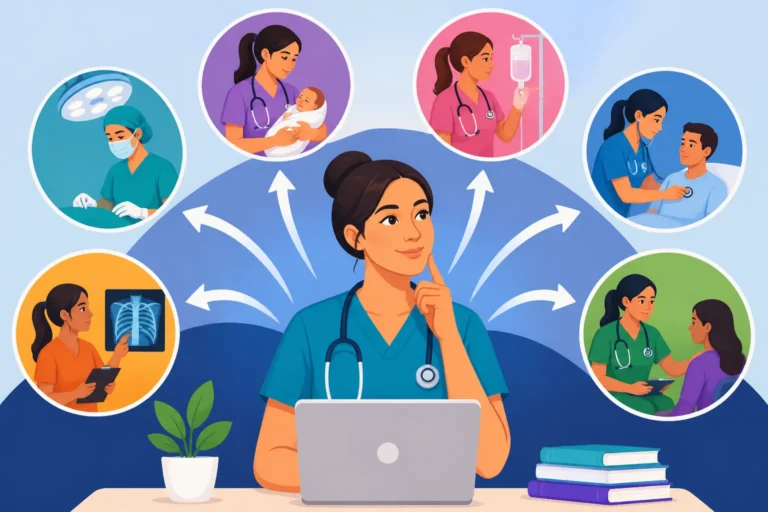
Beyond acute care, many PMH nurses thrive in outpatient clinics or community mental health centers, providing ongoing therapy, medication management, and psychoeducation to individuals living with chronic mental illness, helping them integrate back into society. The emergency department is another critical area where PMH nurses are increasingly vital, assisting with mental health crises and facilitating appropriate referrals. You could also work in correctional facilities, providing care to incarcerated individuals, or even in schools, supporting children and adolescents. The rise of telepsychiatry has also created new opportunities for remote care, allowing PMHNPs to reach patients in rural or underserved areas. Each setting offers a unique patient population and demands a slightly different application of your psychiatric nursing skills, making it a dynamic and engaging field.
Earning Potential and Job Outlook
The financial rewards for psychiatric nurses are generally strong, reflecting the specialized skills and high demand for mental health professionals. For a Registered Nurse specializing in psychiatric care, the salary typically falls within the general RN range, which can vary significantly based on location, experience, and specific employer. Generally, nurses, especially those with a BSN, can expect a competitive income. Understanding how much do nurses make can provide a general benchmark.
However, the earning potential sees a significant jump when you advance to become a Psychiatric-Mental Health Nurse Practitioner. PMHNPs are among the highest-paying nursing specialties, often commanding salaries comparable to or even exceeding those of other advanced practice roles. As of recent data, the median salary for Nurse Practitioners, including PMHNPs, often ranges from $110,000 to over $130,000 annually, with top earners making considerably more, especially in states with full practice authority and high demand. Factors like years of experience, additional certifications, geographic location (e.g., urban versus rural, or states with higher cost of living like California or New York), and the specific practice setting all play a role in determining exact figures. You can explore the detailed Psychiatric Mental Health NP Salary and Job Outlook for more specific data.
The job outlook for both RNs in mental health and PMHNPs is exceptionally bright. The Bureau of Labor Statistics projects significant growth for registered nurses and even faster growth for nurse practitioners over the next decade. This robust demand is driven by several factors: an aging population with increasing mental health needs, greater public awareness and reduced stigma surrounding mental illness, and a nationwide shortage of mental health professionals, particularly psychiatrists. As a result, psychiatric nurses and PMHNPs are highly sought after, ensuring excellent job security and continued opportunities for professional advancement.
| Feature | Registered Nurse (RN) in Psychiatry | Psychiatric-Mental Health Nurse Practitioner (PMHNP) |
|---|---|---|
| Minimum Education | Associate Degree in Nursing (ADN) or Bachelor of Science in Nursing (BSN) | Master of Science in Nursing (MSN) or Doctor of Nursing Practice (DNP) with PMHNP specialization |
| Licensure/Certification | RN license (via NCLEX-RN) | RN license + PMHNP-BC certification (ANCC) + State APN license |
| Primary Responsibilities | Provide direct patient care, administer medications, therapeutic communication, crisis intervention, patient education, observe and report changes in mental status. | Diagnose mental health conditions, develop and manage treatment plans, prescribe psychotropic medications, conduct psychotherapy, order and interpret diagnostic tests, provide patient/family education. |
| Scope of Practice | Within the scope of an RN, under the direction of a physician or NP. | Independent or collaborative practice (depending on state law), often acts as a primary mental health provider. |
| Average Annual Salary | Generally $75,000 – $100,000+ (highly variable by location/experience) | Generally $110,000 – $130,000+ (highly variable by location/experience/autonomy) |
| Career Autonomy | Limited autonomy, works as part of a team | Significant autonomy, often leads patient care and makes independent clinical decisions. |
Disclaimer
Please remember that the information provided in this guide is intended for general informational purposes only and does not constitute professional medical, legal, or educational advice. Specific requirements for nursing licensure, advanced practice, and educational programs can vary significantly by state and institution. Always consult with official nursing boards, educational institutions, and healthcare professionals for the most accurate and up-to-date information relevant to your personal situation and location.