How to Become a ICU Nurse
Entering the Intensive Care Unit (ICU) as a nurse is a career aspiration for many, but the journey can feel daunting and mysterious. It's a high-stakes environment where every decision matters, and the learning curve is notoriously steep. This guide aims to demystify the path to becoming an ICU nurse, walking you through the educational requirements, essential skills, and the unique challenges and profound rewards that come with this critical and specialized role in patient care.
What Exactly Does an ICU Nurse Do?
Being an ICU nurse isn't just a job; it's a calling that demands a unique blend of sharp clinical skills, unwavering focus, and deep empathy. You're caring for the most vulnerable patients, those hovering between recovery and critical decline, and it truly is an intense, dynamic environment.
The Intense Day-to-Day Responsibilities
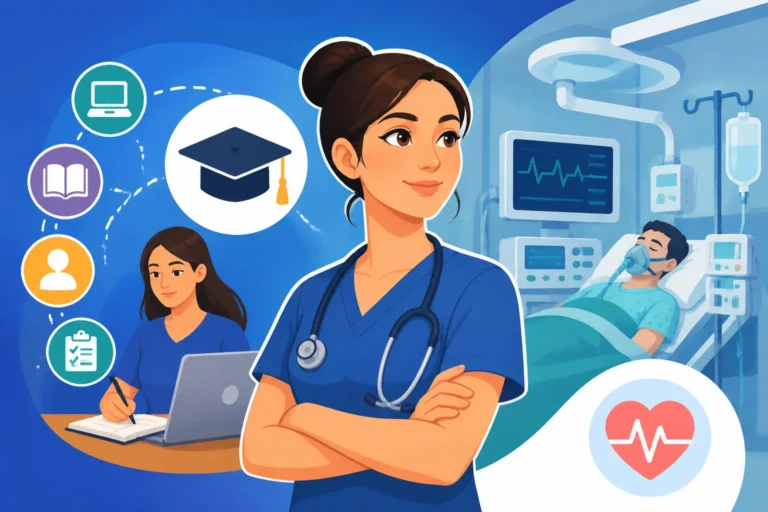
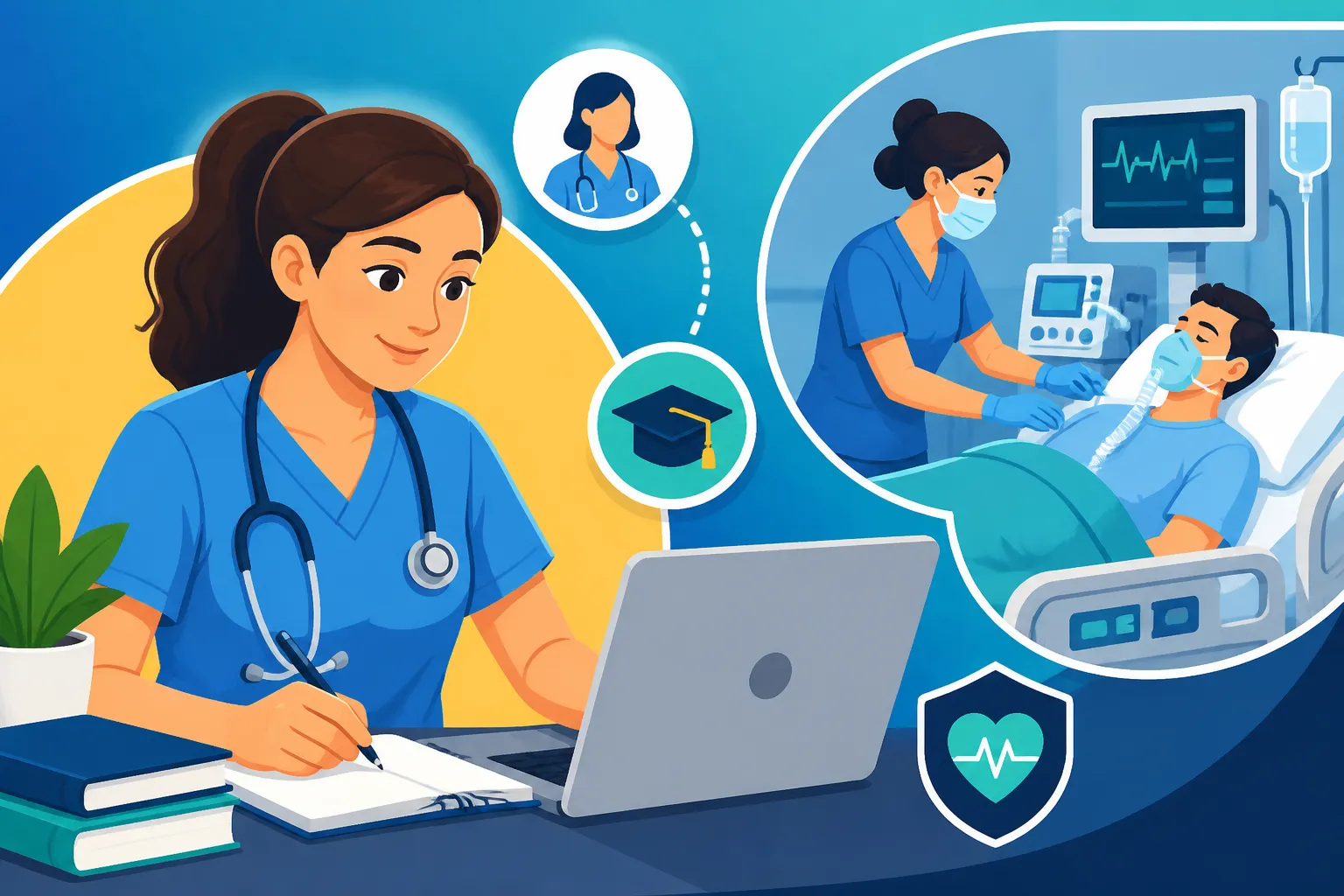
Imagine walking into your shift, getting report, and instantly being immersed in a world of flashing monitors, intricate IV drips, and the quiet hum of ventilators. That's a typical start for an ICU nurse. Your primary responsibility is the meticulous monitoring of critically ill patients, often those with multi-system organ failure, severe trauma, or life-threatening infections. This involves continuous assessment of vital signs, neurological status, cardiac rhythms, respiratory patterns, and fluid balance. You're the eyes and ears of the medical team, often the first to notice subtle changes that could indicate a shift in a patient's condition, requiring immediate intervention. Administering a wide array of medications, from potent vasopressors to complex antibiotics, is a constant task, each requiring precise calculations and an understanding of its effects on a compromised body. You'll also manage various invasive lines and devices, provide wound care, assist with complex procedures, and often provide the most basic human comforts in the direst of circumstances.
Beyond the immediate bedside care, a significant portion of your day involves anticipating potential complications. A patient on a ventilator might be at risk for ventilator-associated pneumonia; a patient with sepsis could decompensate rapidly. You're not just reacting; you're proactively planning, implementing preventative measures, and always thinking several steps ahead. It’s a constant mental workout, ensuring that you’re not just following orders, but critically evaluating every piece of data and making informed judgments to keep your patients stable and moving towards recovery. This level of autonomy and responsibility is both a major challenge and a deeply rewarding aspect of the job.
Working with Advanced Technology and Equipment
The ICU is a technological marvel, and as an ICU nurse, you'll become incredibly adept at operating and interpreting data from a vast array of sophisticated equipment. We're talking about more than just basic vital sign monitors here. You'll be working with mechanical ventilators that breathe for patients, continuous renal replacement therapy (CRRT) machines that act as artificial kidneys, and extracorporeal membrane oxygenation (ECMO) machines that essentially function as external hearts and lungs for the most critical cases. It’s not enough to just know how to turn these machines on and off; you need to understand the underlying physiological principles, how to troubleshoot alarms, and how to adjust settings in collaboration with physicians and respiratory therapists.
Think about a patient requiring continuous hemodynamic monitoring. You'll be inserting and managing arterial lines, central venous catheters, and potentially pulmonary artery catheters, meticulously trending pressures and cardiac output to guide fluid resuscitation and vasopressor titration. Each piece of equipment provides a critical data point, and your ability to synthesize this information is paramount. This deep dive into high-tech care means you’re continuously learning. New devices, new protocols, and new ways to support failing organ systems are constantly emerging, so your education never truly stops. It's a challenging but incredibly engaging aspect of critical care, transforming you into a true expert in high-tech patient support.
Collaboration and Communication in Critical Care
In the ICU, you are never truly alone. Patient care is a symphony, and every member of the interdisciplinary team plays a crucial role. As an ICU nurse, you are often the conductor, coordinating care and ensuring seamless communication between physicians, residents, respiratory therapists, pharmacists, dietitians, physical therapists, and social workers. Daily rounds are a cornerstone of this collaboration, where you’ll present your patient’s status, advocate for their needs, and contribute to the collective care plan. This requires clear, concise, and articulate communication, especially when discussing complex clinical situations or advocating for a change in treatment.
Beyond the medical team, you also become a vital link for patient families, who are often experiencing one of the most stressful times of their lives. Explaining complex medical conditions, providing honest updates, and offering emotional support requires immense patience and empathy. You're translating medical jargon into understandable terms, managing expectations, and helping families navigate difficult decisions. The ability to listen actively, offer comfort, and maintain professional composure even in emotionally charged situations is an art. Effective communication is not just about relaying information; it’s about building trust, fostering understanding, and ensuring everyone involved in the patient’s journey is on the same page. This comprehensive teamwork makes ICU nursing a truly collaborative practice, and your communication skills will be honed to an unparalleled degree.
The Educational Pathway to Becoming an ICU Nurse
Becoming an ICU nurse requires a solid foundation in nursing education and practical experience. It’s not usually a role you step into right out of nursing school, but rather one you grow into with dedication and further learning.
Earning Your Nursing Degree ADN or BSN
The first crucial step on your journey to becoming an ICU nurse is to earn a nursing degree and become a Registered Nurse (RN). There are primarily two pathways to initial RN licensure: an Associate Degree in Nursing (ADN) or a Bachelor of Science in Nursing (BSN). While an ADN will qualify you to sit for the NCLEX-RN and practice as an entry-level RN, many hospitals, especially those with Magnet status or larger academic medical centers with critical care units, strongly prefer or even require new hires in specialized areas like the ICU to hold a BSN. In fact, you can learn more about the differences and preferences in our guide on ADN vs BSN: Key Differences.
The BSN curriculum provides a more comprehensive education, delving deeper into leadership, research, community health, and evidence-based practice. These broader topics are incredibly beneficial in the complex and rapidly evolving critical care environment, where nurses are expected to be critical thinkers and problem-solvers. If you start with an ADN, don't despair! Many nurses successfully transition to ICU roles after gaining some experience and then pursue an Online RN to BSN Programs: Complete Guide to advance their education. This commitment to higher education demonstrates a dedication to professional growth that hiring managers often look for in competitive specialties like the ICU.
Gaining Initial RN Licensure and Experience
After completing your nursing program, the next hurdle is passing the NCLEX-RN examination to obtain your official RN license. This national exam ensures that you possess the foundational knowledge and critical thinking skills necessary to practice safely as a registered nurse. Many resources are available to help you prepare for this crucial step, including practice questions and review courses. A robust study platform like Uworld, for example, is well-known for its comprehensive NCLEX-RN preparation, offering detailed rationales that can help solidify your understanding of complex nursing concepts – knowledge that will be invaluable in the ICU.
Once licensed, most aspiring ICU nurses don't immediately jump into critical care. Hospitals typically prefer nurses to gain some general medical-surgical or telemetry experience first. This foundational experience, usually 1-2 years, allows you to solidify basic nursing skills such as medication administration, patient assessment, electronic health record documentation, and effective communication. It’s a chance to build confidence and develop the time management skills essential for the fast-paced ICU environment. However, some larger hospitals do offer specialized new graduate residency programs specifically for critical care. These programs are designed to transition new RNs directly into the ICU with extensive mentorship, didactic education, and a structured preceptorship, recognizing the unique demands of this specialty. These residencies are competitive but can be an excellent fast-track option for highly motivated new grads.
Advanced Education and Certifications
While a BSN is highly recommended, and often preferred for entry into critical care, your professional development shouldn't stop there. Continuing education and specialized certifications are vital for excellence and advancement in ICU nursing. For those who began with an ADN, pursuing your BSN is a critical next step, and many online programs make it accessible for working nurses. For a deeper understanding of what to expect, our article on What You Learn in an RN to BSN Program offers a comprehensive overview. The content covered in an RN to BSN curriculum, such as advanced health assessment, leadership, and evidence-based practice, directly translates to improved patient outcomes in the ICU.
The most widely recognized and respected certification for critical care nurses is the Critical Care Registered Nurse (CCRN) certification, offered by the American Association of Critical-Care Nurses (AACN). Earning your CCRN, as detailed in our guide on Critical Care Nurse Certification (CCRN), demonstrates advanced clinical knowledge and expertise in caring for critically ill adult, pediatric, or neonatal patients. Beyond the CCRN, other certifications like Advanced Cardiovascular Life Support (ACLS), Pediatric Advanced Life Support (PALS), and Trauma Nursing Core Course (TNCC) are often mandatory or highly encouraged for ICU nurses, equipping you with the skills to manage specific emergencies. These certifications not only enhance your skill set but also signal to employers and colleagues your dedication to providing the highest level of care.
Essential Skills and Qualities for ICU Success
Being an ICU nurse demands a unique blend of intellectual prowess, technical skill, and emotional fortitude. It’s a role that tests your limits and sharpens your capabilities in ways few other nursing specialties can.
Critical Thinking and Problem-Solving Under Pressure
The ICU is an environment where situations can change in a heartbeat, and patient stability often hangs by a thread. This means your critical thinking skills need to be sharper than a surgeon’s scalpel. You're not just executing physician orders; you're constantly evaluating, synthesizing complex information, and making rapid, often life-saving, decisions. For instance, if a patient’s blood pressure suddenly drops, you’re not simply reporting it. You’re simultaneously assessing their skin color, heart rate, urine output, and mental status, considering potential causes like sepsis, hemorrhage, or medication side effects, and anticipating the interventions that might be needed. This requires an in-depth understanding of pathophysiology and pharmacology, allowing you to connect the dots between seemingly disparate symptoms and laboratory values.
The pressure to make these informed decisions quickly is immense. There often isn't time for lengthy deliberations. You might be faced with a patient experiencing a sudden cardiac arrest, needing you to initiate CPR, call for help, and manage a code team all at once. Or perhaps a ventilator alarm signals a critical issue, and you need to troubleshoot mechanical problems while simultaneously assessing the patient's respiratory status and notifying the physician. It’s about being proactive rather than reactive, predicting potential complications before they fully manifest, and having a plan of action ready. This high-level problem-solving under duress is a hallmark of successful ICU nurses and is developed through experience, mentorship, and continuous learning.
Technical Proficiency and Attention to Detail
As we touched upon earlier, the ICU is a hub of advanced medical technology. To excel, you need to develop exceptional technical proficiency. This includes everything from mastering IV insertion and advanced wound care to expertly managing complex drips, adjusting ventilator settings, and troubleshooting intricate monitoring systems. Every single detail matters. A misplaced decimal point in a medication dose could have catastrophic consequences, as could an overlooked alarm on a vital piece of life-sustaining equipment. This demands an almost obsessive attention to detail, ensuring that medication dosages are correct, infusions are running at the precise rate, and all equipment is functioning optimally.
Consider the intricacies of managing a patient on multiple vasopressors, each requiring specific titration based on hemodynamic parameters. You need to not only understand how to adjust the pump, but also the physiological impact of each adjustment on the patient's cardiac output and systemic vascular resistance. Then, there's the meticulous documentation required for every intervention, assessment, and medication. Accurate and thorough charting is not just for legal purposes; it ensures continuity of care and provides a clear picture of the patient’s journey for the entire team. This combination of technical skill and detailed execution means that ICU nurses are often considered among the most technically skilled clinicians in the hospital, constantly refining their craft.
Resilience, Empathy, and Communication
While clinical skills and technical proficiency are paramount, the human element in ICU nursing cannot be overstated. You are dealing with life, death, and everything in between, often on a daily basis. This requires an incredible amount of emotional resilience. You will experience patient losses, witness immense suffering, and sometimes face situations that evoke moral distress. Learning to process these experiences, seek support when needed, and bounce back emotionally is crucial to prevent burnout. Our guide on How to Choose a Nursing Specialty emphasizes the importance of aligning your personal qualities with your chosen path, and resilience is certainly key for ICU.
At the same time, empathy is non-negotiable. You are caring for human beings in their most vulnerable state, and providing compassionate care extends beyond medical interventions. It means holding a patient's hand, offering words of comfort, or simply being a quiet, reassuring presence. This empathy also extends to families, who are often terrified and overwhelmed. Your ability to communicate with them—explaining complex medical information with clarity, patience, and compassion, even when delivering difficult news—is a cornerstone of family-centered care. Balancing emotional involvement with professional boundaries is a delicate dance, but it's what truly distinguishes an exceptional ICU nurse. The ability to connect on a human level, even amidst the most intense medical crises, provides solace to families and meaning to the nurse's demanding work.
Landing Your First ICU Role
Transitioning into an ICU role is a significant step, and hospitals recognize that it requires more than just a standard interview process. They want to ensure you're a good fit for the intensity and demands of critical care.
Seeking Out New Grad or Residency Programs
For new graduate nurses, or even experienced nurses looking to specialize, seeking out a structured new graduate or residency program is often the most effective way to enter the ICU. Many large hospitals and healthcare systems, such as Johns Hopkins Hospital or Cleveland Clinic, offer comprehensive programs specifically designed to transition nurses into critical care units. These residencies are typically 6-12 months long and include a mix of classroom-based didactic learning, high-fidelity simulation labs, and extensive preceptorship with experienced ICU nurses. During this time, you'll learn unit-specific protocols, master advanced skills, and gradually take on increasing patient loads under close supervision.
These programs are highly competitive, but they provide an invaluable, safe learning environment where you can develop the specialized knowledge and skills required for the ICU. They understand that ICU nursing isn't something you learn overnight; it requires deliberate, structured training. If you're a new grad, researching hospitals in your area that offer critical care new graduate residencies should be a top priority. These programs are designed to equip you with the specific tools and confidence needed to thrive in a high-acuity environment, making them an excellent investment in your career.
Interviewing for Critical Care Positions
Once you’ve identified potential programs or positions, the interview process for an ICU role will be more rigorous than for a general medical-surgical unit. Expect a combination of behavioral questions, clinical scenario questions, and technical questions designed to assess your critical thinking and potential for growth in the specialty. For behavioral questions, think about how you've handled stressful situations, managed competing priorities, or resolved conflicts in past roles or clinical experiences. Interviewers want to see evidence of resilience, teamwork, and problem-solving.
Clinical scenario questions are crucial. You might be presented with a hypothetical patient case – for example, "A patient with a head injury becomes unresponsive, what are your immediate actions?" – and asked to walk through your assessment, interventions, and communication with the team. This is where your foundational nursing knowledge, coupled with your understanding of critical care principles, really shines. It's also an opportunity to demonstrate your enthusiasm for critical care, your willingness to learn, and your understanding of the demands of the role. Be prepared to discuss why you want to be an ICU nurse, what you understand about the unit's patient population, and how you handle stress. Showing a genuine interest and a realistic understanding of the challenges will make a strong impression.
Continuous Learning and Professional Development
Getting through your new grad residency or initial orientation is just the beginning. The world of critical care medicine is constantly evolving, with new research, technologies, and treatment modalities emerging regularly. To remain competent and effective as an ICU nurse, continuous learning and professional development are not just encouraged, but essential. Most units will have ongoing in-service trainings, grand rounds, and opportunities to attend conferences. For example, the American Association of Critical-Care Nurses (AACN) offers a wealth of educational resources, webinars, and conferences that are invaluable for staying current.
Beyond formal training, much of your learning will happen at the bedside, with every patient presenting a new learning opportunity. You’ll be constantly consulting resources, asking questions of experienced colleagues, and reviewing current literature to enhance your practice. Consider pursuing advanced certifications, like the CCRN, once you meet the eligibility criteria. These certifications validate your expertise and commitment to the specialty. Furthermore, think about opportunities for formal academic progression; many nurses eventually pursue graduate degrees, like an MSN, to advance into roles such as Clinical Nurse Specialist, Nurse Educator, or even Nurse Practitioner, which you can learn more about in our guide on How to Become a Nurse Practitioner. Your career as an ICU nurse is a journey of lifelong learning, ensuring you’re always providing the most evidence-based and cutting-edge care.
The Rewards and Challenges of ICU Nursing
ICU nursing is a paradox: it’s incredibly challenging, pushing you to your limits, yet it offers some of the most profound professional and personal rewards in the nursing field. Understanding both sides of this coin is crucial for those considering this demanding specialty.
The Deep Satisfaction of Saving Lives
There's an undeniable, deep satisfaction that comes from being an ICU nurse. You are often involved in situations where you are quite literally saving lives. Imagine a patient who arrives in critical condition, barely clinging to life, and through your vigilance, skilled interventions, and collaborative teamwork, they slowly stabilize, recover, and eventually walk out of the hospital. Witnessing that recovery, knowing the tangible difference you made, is incredibly powerful. These moments of seeing a patient's health turn around, even after facing seemingly insurmountable odds, can be profoundly rewarding and fuel your passion for the work.
Beyond the dramatic saves, there's also immense satisfaction in the smaller victories. It might be helping a patient communicate with their family for the first time after being intubated, or easing their pain and anxiety during a difficult procedure. You build unique, intense bonds with patients and their families during these critical times. Being a source of comfort, clarity, and hope during their darkest hours creates a sense of purpose that few other professions can match. It's in these moments, both big and small, that ICU nurses find the enduring motivation to face the immense pressures of their role, knowing they are providing truly essential, life-altering care.
Navigating High Stress and Burnout Potential
Let's be real: ICU nursing is incredibly stressful. The constant exposure to trauma, death, and suffering takes an emotional toll. The pace is relentless, the patient acuity is high, and the stakes are always at their maximum. You're constantly under pressure to make critical decisions, manage complex medications, and troubleshoot intricate equipment, all while balancing multiple competing demands. Long shifts, sometimes with mandatory overtime, can lead to physical and mental exhaustion. This intense environment can, unfortunately, lead to burnout, moral distress, and compassion fatigue if not proactively managed.
Moral distress, for example, is a very real phenomenon in the ICU, occurring when nurses feel they know the ethically correct action to take but are unable to carry it out due to institutional constraints, physician orders, or other factors. Coping with patient losses, especially young patients or those with prolonged suffering, can also be incredibly difficult. Hospitals and units are becoming more aware of these challenges and are implementing programs to support nurses, such as debriefing sessions, mental health resources, and promoting self-care. It’s crucial for ICU nurses to recognize the signs of burnout in themselves and their colleagues, and to actively seek support, whether through peer support groups, counseling, or engaging in hobbies outside of work. This transparency about the challenges is key to building a sustainable and healthy career in critical care.
Career Advancement Opportunities
Despite the challenges, a career in ICU nursing opens doors to numerous exciting avenues for professional growth and advancement. The specialized skills and knowledge you gain are highly transferable and valuable across the healthcare spectrum. One common path is to specialize further within critical care, moving to units like a Cardiovascular ICU (CVICU), Neurological ICU (Neuro ICU), Trauma ICU, or Neonatal ICU (NICU). Each of these sub-specialties offers a deeper dive into specific patient populations and conditions.
Beyond the bedside, ICU nurses are prime candidates for leadership roles such as charge nurse, clinical educator, or unit manager, where they can mentor new nurses and shape unit practices. Many also pursue advanced practice nursing roles. For instance, becoming an Acute Care Nurse Practitioner (ACNP) allows you to diagnose and manage critically ill patients, often working directly alongside intensivists. Our guide on Highest-Paying Nursing Specialties highlights how these advanced roles can significantly boost your earning potential. Furthermore, the strong foundation in pathophysiology and critical thinking acquired in the ICU serves as an excellent springboard for pursuing a Master of Science in Nursing (MSN) or a Doctor of Nursing Practice (DNP), leading to careers in research, policy, or even teaching. The skills you develop in the ICU are highly sought after, ensuring a wealth of opportunities for a dynamic and evolving career.
Preparing for the ICU Environment
The journey to becoming an ICU nurse is a marathon, not a sprint. Proper preparation during your nursing education and early career can make a significant difference in your success and confidence.
Leveraging Study Resources and NCLEX Prep
A solid theoretical foundation is non-negotiable for ICU nursing. The complex pathophysiology, vast pharmacology, and intricate procedures you'll encounter demand a deep understanding of core nursing concepts. While you're in nursing school, truly immerse yourself in your anatomy, physiology, pharmacology, and advanced health assessment courses. These are the building blocks upon which your critical care knowledge will stand. Don't just memorize; strive to understand the "why" behind every concept.
When it comes to preparing for your NCLEX-RN, which is your gateway to becoming a licensed RN, selecting a high-quality study resource is paramount. Platforms like Uworld are highly regarded among nursing students and new graduates for their challenging practice questions and incredibly detailed rationales. These rationales don't just tell you the right answer; they explain why it's the right answer and why the other options are wrong, often tying back to core physiological principles. This kind of deep learning is exactly what you need to develop the clinical judgment crucial for the ICU. By mastering these foundational concepts and practicing critical thinking during your NCLEX preparation, you'll enter your first nursing role with a stronger intellectual toolkit, better prepared to absorb the rapid-fire learning that happens in critical care.
Seeking Out Shadowing or Volunteer Opportunities
Before committing to an ICU path, it can be incredibly beneficial to gain some firsthand exposure to the environment. If possible, explore shadowing opportunities in an ICU during your nursing school clinical rotations, or even as an extern or volunteer during your breaks. Spending a few hours, or even a few shifts, observing experienced ICU nurses can give you a realistic glimpse into the pace, the types of patients, the technology involved, and the emotional demands of the unit. This can help you determine if the ICU truly aligns with your personality and career aspirations.
Don't underestimate the power of observation. You'll see how nurses manage multiple priorities, interact with physicians, and support families. You'll hear the alarms, see the interventions, and feel the intensity of the environment. This kind of experiential learning is invaluable for setting realistic expectations and confirming your interest. Even if formal shadowing isn't available, try to engage with any critical care nurses you meet during clinicals or networking events. Ask them about their experiences, what they love and what they find challenging about their job. These insights can be incredibly helpful in solidifying your decision and preparing you mentally for what lies ahead.
Building a Strong Clinical Foundation
Whether you start in a new graduate ICU residency or gain experience on a medical-surgical floor first, building a strong clinical foundation is absolutely crucial. This isn't about knowing everything, but about mastering the basics with confidence and competence. Focus on honing your assessment skills: truly learn to listen, palpate, and observe your patients for subtle changes. Become proficient in medication administration, understanding drug classifications, common side effects, and safe administration practices. Develop excellent communication skills – not just with patients and families, but also with your colleagues and other healthcare professionals.
During your nursing school clinicals, actively seek out opportunities to care for sicker patients if available. Ask your instructors for extra practice with skills like IV insertion or complex dressing changes. Pay close attention to time management strategies demonstrated by your preceptors. Every skill you master in a lower-acuity setting will serve as a building block for the more advanced, critical care demands of the ICU. A nurse who demonstrates strong foundational skills, a willingness to learn, and an eagerness to take on challenges will always be a valuable asset, making them a prime candidate for an ICU position when the time is right.
Here's a look at how general nursing skills evolve into specialized ICU nursing skills:
| Skill Area | General Nursing (Med-Surg/Telemetry) | Specialized ICU Nursing |
|---|---|---|
| Patient Assessment | Routine head-to-toe, focused assessments | Continuous, rapid, multi-system assessments, interpreting subtle changes, advanced neuro assessment |
| Medication Management | Oral, IM, subcutaneous, peripheral IV meds, basic drips | High-alert meds (e.g., vasopressors, sedatives), titratable infusions, complex calculations, CRRT/ECMO meds |
| Technology Use | Basic vital sign monitors, IV pumps, EHR | Ventilators, arterial lines, central lines, PA catheters, CRRT, ECMO, advanced cardiac monitors |
| Critical Thinking | Identifying common problems, following protocols | Anticipating complications, rapid decision-making under pressure, advanced troubleshooting, complex problem-solving |
| Communication | Patient/family education, team handoffs | Crisis communication, complex family discussions, interdisciplinary rounds, advocating for vulnerable patients |
| Time Management | Prioritizing tasks for stable patients | Prioritizing constantly shifting critical needs, managing multiple unstable patients simultaneously |
| Intervention | Basic wound care, Foley insertion, ambulation | Advanced airway management, code response, invasive line insertion assistance, complex dressing changes |
Disclaimer
Please remember that the information provided in this guide is intended for general informational purposes only and does not constitute professional medical or educational advice. Nursing programs, licensing requirements, and job market conditions can vary significantly by state and institution. Always consult official university admissions departments, state boards of nursing, and professional organizations for the most accurate and up-to-date information regarding your specific situation.