How to Become a Case Management Nurse
Feeling a bit burnt out by the relentless pace of bedside nursing, or perhaps you're just looking for a way to use your clinical expertise in a different, more holistic capacity? Many nurses reach a point where they crave a role focused on coordinating care, advocating for patients, and truly impacting outcomes from a broader perspective. This comprehensive guide is designed to demystify the path to becoming a case management nurse, exploring the responsibilities, required skills, and educational journey to help you make that fulfilling transition.
Understanding the Case Management Nurse Role
When you hear "case management," it might conjure up images of desk jobs or insurance paperwork, but the reality is far richer and more dynamic. A case management nurse is a vital advocate, navigator, and coordinator for patients, ensuring they receive the right care, at the right time, in the right setting, efficiently and effectively. It's a role that demands both sharp clinical judgment and exceptional communication skills, all aimed at optimizing health outcomes and patient satisfaction while also managing resources responsibly.
What Exactly is a Case Management Nurse?
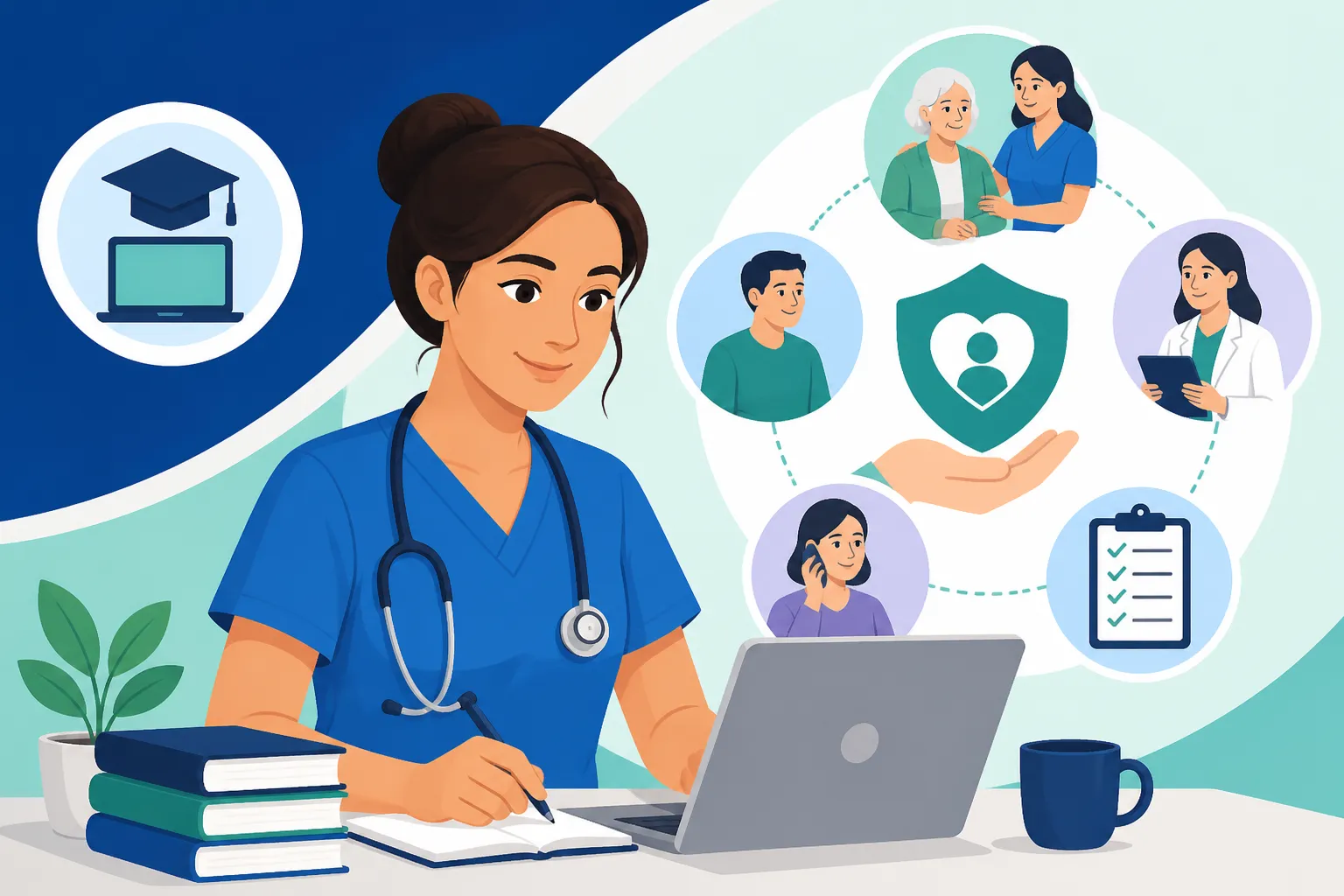
At its core, a case management nurse acts as a bridge between the patient, their healthcare team, insurance providers, and community resources. Imagine a patient recovering from a stroke: they might need physical therapy, occupational therapy, speech therapy, home health services, durable medical equipment, and follow-up appointments with multiple specialists. Without a case manager, navigating this complex web of services can be overwhelming, leading to gaps in care, readmissions, and poor outcomes. The case management nurse steps in to assess the patient's needs, develop an individualized care plan, coordinate services, monitor progress, educate the patient and family, and facilitate a smooth transition of care, whether it's from hospital to home, or home to a skilled nursing facility.
Their responsibilities are multifaceted, encompassing clinical assessment, care planning, implementation, coordination, monitoring, and evaluation. They identify barriers to recovery or successful discharge, such as financial constraints, lack of social support, or inadequate housing, and work tirelessly to find solutions. This often involves intricate problem-solving and navigating bureaucratic systems. For instance, a case manager might spend hours on the phone with an insurance company to get approval for a specialized piece of equipment a patient needs to safely return home, or connect a patient's family with local support groups for caregivers. The ultimate goal is to empower patients to manage their own health to the highest degree possible and achieve the best quality of life.
Why Choose Case Management?
Many nurses transition to case management because they are seeking a different kind of impact, one that moves beyond the immediate crisis management of the bedside. For starters, the role often offers a more predictable schedule than traditional hospital shifts, which can be a huge draw for nurses looking for improved work-life balance. Imagine having weekends and holidays off, or a more consistent daytime schedule – it's a game-changer for many who have spent years working nights, rotating shifts, or being on call. This stability can be incredibly appealing, especially for nurses raising families or those looking to reduce their physical strain.
Beyond the schedule, case management provides an intellectual challenge that some find deeply rewarding. Instead of focusing on one patient for a shift, you're managing a caseload of diverse individuals, each with unique circumstances, medical needs, and social determinants of health. You become a detective, piecing together their story, anticipating challenges, and orchestrating a symphony of services. There's a profound sense of satisfaction in seeing a patient successfully transition home, knowing you played a crucial role in preventing readmission or ensuring they received vital community support. It’s a career path that allows you to leverage your clinical knowledge in a proactive, preventative way, ultimately enhancing patient safety and quality of care. For a broader understanding of different roles, you might find our guide on Nursing Specializations Explained helpful in exploring your options.
Educational Pathways to Becoming a Case Management Nurse
Becoming a case management nurse isn't usually a "new grad" role; it typically requires a solid foundation of clinical experience and often a specific educational background. While there isn't a single, rigid academic path, certain degrees and practical experiences will undoubtedly make you a more competitive and effective candidate.
Foundation: Your Nursing Degree
The fundamental requirement for any nursing role, including case management, is to be a Registered Nurse (RN). This means you must have graduated from an accredited nursing program and passed the NCLEX-RN exam. Historically, an Associate Degree in Nursing (ADN) was sufficient for many RN roles. However, the landscape of healthcare is evolving rapidly, with a growing preference for nurses with a Bachelor of Science in Nursing (BSN). Many hospitals, especially those pursuing or maintaining Magnet® recognition, actively encourage or even require their nurses to hold a BSN. This trend extends to case management roles, where employers increasingly prefer or demand a BSN, recognizing that it provides a broader education in areas like public health, leadership, research, and critical thinking—all essential for effective case management.
If you currently hold an ADN, don't despair! There are numerous pathways to earn your BSN. Online RN to BSN programs have become incredibly popular, offering flexibility for working nurses. These programs allow you to continue your career while advancing your education. For instance, you could enroll in an Online RN to BSN Programs: Complete Guide to bridge that educational gap. Many nurses find that the additional coursework in areas like community health and healthcare policy directly enhances their readiness for case management responsibilities, preparing them to navigate complex health systems and address the social determinants of health that profoundly impact patient outcomes. The investment in a BSN is often seen not just as a credential, but as a commitment to lifelong learning and advanced practice.
Experience Matters: Bedside and Beyond
While a BSN provides a strong academic foundation, practical experience is arguably the most crucial component for aspiring case management nurses. Most employers will look for candidates with at least 2-5 years of direct patient care experience in an acute care setting, such as medical-surgical, critical care, or emergency room nursing. This bedside experience is invaluable because it hones your clinical assessment skills, teaches you how to prioritize, and exposes you to a wide variety of patient conditions and treatment protocols. Understanding the complexities of patient care from the ground up allows you to anticipate potential issues during transitions and effectively communicate with the clinical teams.
Beyond the hospital walls, experience in home health, rehabilitation, or long-term care can also be highly beneficial. These settings often give you insight into the challenges patients face after discharge and the resources available in the community. For example, a nurse who has worked in home health might have a better understanding of the practical limitations a patient faces at home, such as navigating stairs with mobility issues or managing complex wound care independently. Some larger healthcare systems even offer internal pathways or training programs for their experienced RNs to transition into case management. Gaining diverse experiences not only strengthens your resume but also broadens your perspective on the entire continuum of care, which is exactly what a case management nurse needs to master. If you're pondering how to choose a specialty, consider reviewing our guide on How to Choose a Nursing Specialty to see where your passions and skills might best align.
Essential Skills and Certifications for Case Management
Transitioning into case management requires more than just clinical knowledge; it demands a distinct set of soft skills and often a specialized certification to truly excel. These elements signify a deeper understanding of the role's unique challenges and best practices.
Developing Key Competencies
The best case management nurses are master communicators. They can effectively converse with patients and families who are often stressed and overwhelmed, explaining complex medical information in understandable terms, and listening empathetically to their concerns. This empathetic communication builds trust, which is crucial for successful care coordination. Beyond patient interaction, they must be adept at collaborating with an entire interdisciplinary team, including physicians, social workers, therapists, and insurance representatives. This involves clear, concise, and persuasive communication to advocate for their patients' needs and ensure everyone is aligned with the care plan. A successful case manager can navigate disagreements and build consensus among various stakeholders.
Critical thinking and problem-solving are also paramount. Every patient case is a puzzle, requiring the case manager to analyze information, identify potential barriers to care, and strategize solutions. For example, if a patient is discharged with a new medication and limited financial resources, a case manager must critically think about how the patient will afford the medication, potentially connecting them with patient assistance programs or advocating for a generic alternative. Resourcefulness is another hallmark; knowing what community services are available, understanding insurance policies, and being able to quickly find solutions are essential. Organizational skills are non-negotiable, as case managers juggle multiple patient cases, deadlines, and documentation requirements simultaneously. Imagine overseeing 20 patients, each with their own unique set of appointments, equipment needs, and discharge plans – strong organizational skills keep everything from falling through the cracks.
Pursuing Certification
While not always a strict prerequisite for entry-level positions, obtaining a certification in case management is highly recommended and can significantly boost your career prospects and earning potential. It demonstrates a commitment to the specialty and validates your expertise in the field. The two most recognized certifications for nurses in case management are the Certified Case Manager (CCM) and the Accredited Case Manager (ACM).
The Certified Case Manager (CCM) credential, offered by the Commission for Case Manager Certification (CCMC), is highly respected across various settings, including hospitals, insurance companies, and community health organizations. Eligibility typically requires a BSN or other health-related bachelor's degree, an active unrestricted RN license, and a specified number of hours of supervised case management experience. The exam covers a broad range of topics, including case management concepts, psychosocial aspects, healthcare finance, legal issues, and ethical considerations. Preparing for this rigorous exam can be daunting, but resources like Uworld offer comprehensive review materials and practice questions designed to help you succeed. Their detailed explanations not only tell you what the right answer is, but why, which is crucial for truly understanding the underlying concepts.
The Accredited Case Manager (ACM) certification, administered by the American Case Management Association (ACMA), focuses more specifically on case management within acute care and health delivery system transitions. It emphasizes discharge planning and transitions of care. Eligibility for the ACM typically requires an active RN license and clinical experience in case management roles. Both certifications require continuing education to maintain, ensuring that case management nurses remain current with best practices and evolving healthcare landscapes. Choosing which certification is right for you might depend on your preferred practice setting or long-term career goals. You can learn more about how various certifications impact your career in our article on Nursing Certifications by Specialty.
The Day-to-Day Life of a Case Management Nurse
The appeal of case management often lies in its varied and impactful nature, moving beyond the direct patient care tasks to a more strategic, facilitative role. While no two days are exactly alike, there are common threads that define the workflow and responsibilities across different environments.
Typical Responsibilities and Workflow
A case management nurse's day often begins by reviewing their caseload, checking for new admissions or referrals, and following up on ongoing cases. This involves sifting through electronic health records, reading physician's notes, reviewing lab results, and communicating with the primary care team. For hospital-based case managers, a significant portion of the morning might be spent rounding with physicians, social workers, and therapists to discuss patient progress, discharge readiness, and any potential barriers. They assess patients for discharge planning needs early in their stay, identifying what resources will be required for a safe transition home or to another facility. This proactive approach helps prevent last-minute scrambling and ensures continuity of care.
Throughout the day, a case manager will engage in extensive communication. This includes speaking with patients and their families to understand their goals, preferences, and support systems, as well as educating them on their condition and discharge plan. They will coordinate appointments, arrange for home health services, secure durable medical equipment, and often liaise with insurance companies for authorization. Documentation is another critical component, as accurate and timely records are essential for tracking patient progress, justifying services, and ensuring compliance. For a patient being discharged after a major surgery, for example, the case manager might arrange for a skilled nursing facility bed, coordinate transport, ensure prescriptions are filled, and provide the patient with a detailed list of follow-up appointments, complete with contact information and directions. It’s a constant balancing act of advocacy, education, and logistical coordination.
Diverse Practice Settings
One of the fascinating aspects of case management is the sheer diversity of settings in which these nurses can work, each offering a unique set of challenges and rewards.
- Hospital-based case management: These nurses are embedded within acute care facilities, focusing on managing a patient's stay from admission to discharge. Their primary goal is to facilitate timely, safe, and effective transitions of care, prevent readmissions, and ensure appropriate resource utilization. They are often the first point of contact for families regarding discharge planning.
- Home health case management: Here, the nurse coordinates care for patients in their own homes, often dealing with chronic conditions, post-surgical recovery, or end-of-life care. This role requires a strong understanding of community resources and excellent independent judgment, as they are often the primary clinical point person for patients in a less structured environment.
- Insurance company/Managed Care Organizations (MCOs): Case managers in this setting work for payers, reviewing treatment plans, authorizing services, and guiding members through complex health benefits. They focus on ensuring care is medically necessary, appropriate, and cost-effective. While this role can be more administrative, it still involves significant patient interaction and advocacy.
- Community health/Public health: These case managers work with vulnerable populations, often addressing social determinants of health alongside medical needs. They might connect individuals with food assistance, housing resources, mental health services, or programs for chronic disease management. Their focus is often on health promotion and disease prevention within a population.
- Remote/Telephonic case management: With advancements in technology, many case management roles can now be performed remotely. These nurses connect with patients via phone or video calls, offering convenience and expanding access to care. This option is particularly appealing for nurses seeking greater flexibility and the ability to work from home.
Each setting requires a slightly different approach, but the core principles of assessment, planning, coordination, and advocacy remain constant. This variety ensures that case management nurses can find a niche that aligns with their interests and desired work environment. Exploring your career options within nursing is crucial, and you can get more insights from our article on Nursing Career Paths and Salaries.
Advancing Your Career in Case Management
Becoming a case management nurse is often a career pivot, but it's far from a terminal position. The field offers numerous opportunities for growth, specialization, and leadership for those dedicated to continuous learning and professional development.
Continuing Education and Specialization
Just like many other nursing specialties, case management offers avenues for further education and specialization. Pursuing an advanced degree, such as a Master of Science in Nursing (MSN), can open doors to more advanced roles, including nurse management, program development, or even a nurse educator position focusing on case management principles. An MSN often provides a deeper dive into healthcare policy, leadership, research, and population health, all of which are highly relevant to complex case management practices. Programs like Online MSN Programs: Complete Guide can be a flexible way to pursue this advanced degree while working.
Within case management itself, you can specialize in specific patient populations or disease states. For instance, a nurse might become an expert in oncology case management, coordinating care for cancer patients through diagnosis, treatment, and survivorship. Other specializations include:
- Geriatric case management: Focusing on the unique needs of older adults, including chronic disease management, dementia care, and long-term care planning.
- Maternal-child case management: Supporting pregnant individuals and new mothers, especially those with high-risk pregnancies or complex social needs.
- Workers' compensation case management: Working with injured employees to facilitate their recovery and return to work, navigating legal and insurance complexities.
- Transplant case management: Guiding patients through the arduous process of organ transplantation, from evaluation to post-transplant care.
These specializations require a deeper understanding of specific clinical areas and the associated resources and challenges, allowing nurses to become highly valued experts in their chosen niche. Continuing education, whether through formal degrees or specialized workshops, is key to staying current and enhancing your expertise.
Leadership and Management Opportunities
As you gain experience and potentially advanced certifications, leadership and management opportunities within case management often emerge. Experienced case managers can move into roles such as:
- Lead Case Manager or Team Leader: Overseeing a team of case managers, providing guidance, mentoring new staff, and managing caseload distribution.
- Case Management Supervisor/Manager: Responsible for the operational oversight of a case management department, including hiring, performance reviews, budget management, and ensuring compliance with regulatory standards. They often act as a liaison between the case management team and hospital administration or external stakeholders.
- Director of Case Management: A senior leadership role, typically responsible for the strategic direction, policy development, and overall performance of case management services across an entire healthcare system or organization.
- Utilization Review (UR) Manager: While closely related, UR managers specifically focus on ensuring that healthcare services are medically necessary and appropriately provided, often working hand-in-hand with case managers to ensure efficient resource allocation.
These leadership positions require strong administrative skills, an understanding of healthcare economics, and the ability to drive quality improvement initiatives. They allow you to shape the future of case management, impact organizational policies, and contribute to higher-level strategic planning. The path from bedside nurse to a director-level case management role is a testament to the diverse and rewarding career trajectory available within nursing, especially for those who embrace continuous learning and seek to expand their influence in healthcare.
| Certification | Administering Body | Focus Area | Experience Requirements (General) | Target Audience |
|---|---|---|---|---|
| CCM (Certified Case Manager) | Commission for Case Manager Certification (CCMC) | Broad, interdisciplinary case management principles across various settings (e.g., hospital, community, payer). | 12-24 months of full-time case management experience post-BSN (or similar) or 24-36 months post-ADN. Specific requirements vary based on degree/license. | Nurses, social workers, rehabilitation counselors, other health professionals. |
| ACM (Accredited Case Manager) | American Case Management Association (ACMA) | Primarily acute care case management and transitions of care within health delivery systems. | Clinical experience as an RN in a case management role. No specific degree requirement beyond RN, but BSN preferred. | Hospital-based and health system-focused case management nurses. |
Disclaimer
Please remember that the information provided in this article is intended for general guidance and informational purposes only, and does not constitute professional medical, legal, or educational advice. Specific requirements for nursing programs, certifications, and job roles can vary significantly by institution, state, and employer. Always verify details with official sources and consult with academic advisors or professional organizations for personalized advice regarding your career path in nursing.