How to Become a Public Health Nurse Step by Step
It’s easy to feel a little confined in the traditional hospital setting, isn't it? As nurses, we pour our hearts into patient care, but sometimes, you might find yourself wondering about making a difference on a grander scale, beyond the individual bedside. If you've ever felt that pull towards community well-being and preventing illness before it even starts, then becoming a Public Health Nurse might just be the fulfilling career path you're seeking. This guide will walk you through the step-by-step journey, from education to everyday practice, to help you understand how to transition into this vital and rewarding field.
What Exactly Does a Public Health Nurse Do?
When you think of a nurse, often the first image that comes to mind is someone in scrubs on a hospital floor, managing IVs, administering medications, and charting. And while that's absolutely a crucial part of nursing, public health nursing operates on an entirely different, yet equally critical, plane. Instead of focusing on treating individuals who are already sick or injured, Public Health Nurses (PHNs) are dedicated to promoting and protecting the health of entire populations. They are the unsung heroes working behind the scenes, and often directly in the community, to ensure widespread wellness.
Think about it this way: a hospital nurse reacts to health crises, while a public health nurse often works to prevent them from ever happening. This proactive, preventative approach means their day-to-day work is incredibly varied and deeply rooted in community engagement. They might be designing educational programs for schools, coordinating vaccination clinics for vulnerable populations, investigating disease outbreaks, or advocating for policy changes that improve access to healthy food or safe housing. The goal is always the same: to improve health outcomes for groups of people, not just one person at a time. It’s a field that requires a unique blend of clinical knowledge, strong communication skills, and a passionate understanding of social determinants of health.
Focusing on Community Wellness and Prevention
The core mission of a Public Health Nurse is truly about elevating the health of a community. This involves a lot of detective work and foresight. For example, a PHN might notice a rise in preventable chronic diseases in a specific neighborhood, perhaps due to a lack of access to fresh produce or safe places to exercise. Their response wouldn't be to wait for people to show up in the ER with complications, but rather to partner with local organizations, schools, and community leaders to implement programs addressing these root causes. This could mean organizing community gardens, advocating for better public transportation to grocery stores, or setting up walking clubs.
Another crucial aspect is disease prevention. Remember those flu shot clinics that pop up everywhere in the fall? There’s a good chance a PHN is behind organizing and staffing them. They play a vital role in immunizing communities against infectious diseases, providing health screenings for conditions like diabetes or high blood pressure, and educating the public on everything from safe sex practices to proper hand hygiene. It’s about building a robust "health infrastructure" for the community, ensuring that everyone, regardless of their socioeconomic status or background, has the information and resources they need to live a healthy life. It can be incredibly rewarding to see the tangible impact of these efforts on a broad scale, knowing you've helped protect hundreds, even thousands, of people.
Advocacy, Education, and Policy Influence
Beyond direct health services, Public Health Nurses are powerful advocates and educators. They often serve as a bridge between healthcare systems, government agencies, and the people they serve. They understand the health challenges facing their communities better than anyone, and they use this insight to champion policies that create healthier environments. For instance, a PHN might contribute data and personal observations to local government discussions about air quality regulations, childhood obesity initiatives, or access to mental health services. Their clinical expertise, combined with their understanding of community needs, makes their voice incredibly valuable in shaping public health policy.
They are also expert educators, breaking down complex health information into understandable, actionable advice for diverse audiences. This isn't just about giving a lecture; it's about culturally sensitive communication, building trust, and empowering individuals and families to take control of their health. Imagine explaining the importance of prenatal care to a group of new immigrants, or teaching teenagers about the risks of vaping. This educational component is ongoing and adapts to the ever-evolving health landscape, whether it’s responding to a new public health threat or promoting long-term healthy lifestyle choices. It’s a role that demands constant learning and adaptability, but the reward of seeing communities thrive is immeasurable.
The Educational Journey to Public Health Nursing
Becoming a Public Health Nurse starts with a solid foundation in nursing. Most public health nursing roles, especially those with greater responsibility and impact, require at least a Bachelor of Science in Nursing (BSN). While an Associate Degree in Nursing (ADN) will get you started as a Registered Nurse (RN), a BSN is increasingly becoming the industry standard, particularly in public health, because of its broader curriculum that emphasizes community health, research, leadership, and critical thinking.
The path to your BSN might look different depending on where you're starting. If you're a new student, you'll enroll directly in a traditional four-year BSN program. If you're already an RN with an ADN or diploma, an online RN to BSN program is a fantastic option. These programs are designed for working nurses and build upon your existing knowledge and clinical experience, usually taking a year or two to complete. They often focus heavily on public health concepts, health promotion, disease prevention, and community assessment, directly preparing you for the unique challenges of public health. Exploring resources like Online RN to BSN Programs: Complete Guide can give you a comprehensive overview of your options.
Earning Your Bachelor of Science in Nursing BSN
For aspiring Public Health Nurses, the BSN isn't just a piece of paper; it’s a vital credential that equips you with a deeper understanding of population health concepts. A traditional BSN program covers everything from anatomy and physiology to advanced pharmacology, but it also delves into subjects critical for public health, such as epidemiology, biostatistics, community health nursing, and health policy. You'll learn how to assess the health needs of diverse communities, develop health promotion strategies, and evaluate the effectiveness of interventions. Many BSN programs also include dedicated community health clinical rotations, offering hands-on experience in settings like local health departments, schools, and non-profit organizations.
If you're an RN who's been working with an ADN, going back for your BSN through an online program might feel like a big step, but it's incredibly worthwhile. These programs typically accept a significant amount of transfer credit from your ADN, and your RN license often counts for a substantial number of credits as well. This means you’re not starting from scratch! The curriculum is designed to broaden your perspective beyond individual patient care, focusing on the social, economic, and environmental factors that influence health at a population level. Many nurses find that the flexibility of online learning, especially from institutions like the University of Texas Arlington or Chamberlain University, allows them to continue working full-time while advancing their education. Thinking about whether it's the right move for you? Check out Is an RN to BSN Worth It for a detailed look at the benefits.
Advanced Degrees and Further Specialization
While a BSN is often the entry-level requirement for many Public Health Nurse positions, pursuing an advanced degree can open doors to leadership roles, specialized areas, and higher earning potential. A Master of Science in Nursing (MSN) with a specialization in Public Health Nursing or an MSN with a focus on areas like Nurse Education or Nursing Leadership can be incredibly beneficial. For instance, an MSN-prepared PHN might become a director of nursing for a county health department, manage large-scale public health programs, or even teach the next generation of public health nurses. You can learn more about these pathways in guides like Online MSN Programs: Complete Guide.
Another excellent option for those looking to make a significant impact in public health is a Master of Public Health (MPH) degree. While not a nursing degree, an MPH focuses exclusively on population health, epidemiology, environmental health, and health policy. Many nurses choose to pursue a dual MSN/MPH degree, combining their clinical nursing expertise with a comprehensive understanding of public health science. For nurses aiming for the highest levels of practice, leadership, or academic roles, a Doctor of Nursing Practice (DNP) or even a Doctor of Philosophy (PhD) in nursing with a public health focus might be the ultimate goal. The choice between an MSN and a DNP can be a big one, and understanding the differences, as detailed in MSN vs DNP: Which to Choose can help you decide which path aligns best with your career aspirations.
| Educational Path | Minimum Entry Requirement | Typical Duration | Key Focus Areas | Common Roles |
|---|---|---|---|---|
| Associate Degree in Nursing (ADN) | High School Diploma/GED | 2-3 years | Foundational nursing skills, acute care | Entry-level RN (often not sufficient for PHN) |
| Bachelor of Science in Nursing (BSN) | High School Diploma/GED | 4 years | Holistic patient care, community health, research, leadership | Entry-level PHN, Public Health Staff Nurse |
| RN to BSN Program | Active RN license (ADN/Diploma) | 1-2 years | Expands BSN curriculum on existing RN knowledge | Advanced PHN roles, better career mobility |
| Master of Science in Nursing (MSN) | BSN, RN license | 2-3 years | Advanced practice, specialization (e.g., PHN, Education, Leadership) | PHN Supervisor, Program Manager, Nurse Educator |
| Master of Public Health (MPH) | Bachelor's Degree | 1-2 years | Epidemiology, biostatistics, health policy, environmental health | Public Health Analyst, Epidemiologist (often combined with nursing) |
Gaining Practical Experience and Certification
Once you have the educational foundation, the next critical steps involve accumulating practical experience and, if desired, pursuing specialized certifications. Public health nursing isn't just about theoretical knowledge; it's about applying that knowledge in real-world community settings, often dealing with diverse populations and complex social issues. This means hands-on experience is invaluable, and strategic certification can validate your expertise and boost your career prospects.
Many nurses start their careers in acute care settings like hospitals, which provide a strong clinical foundation. While these roles are different from public health, they build essential assessment, critical thinking, and communication skills. However, to truly prepare for public health, it's beneficial to seek out opportunities that expose you to community-focused care as early as possible. This could include internships, volunteer work, or even specific electives during your BSN program that involve community health projects.
Building Your Public Health Experience
The journey into public health nursing truly solidifies with relevant experience. If you're fresh out of your BSN program, look for entry-level Public Health Nurse positions within your local or state health department. These roles are specifically designed to introduce you to the unique aspects of public health, such as conducting home visits, participating in immunization campaigns, or assisting with health education programs in schools. Don't be discouraged if your first job isn't your dream role; every experience builds your resume and skillset. For instance, working as a school nurse, even temporarily, provides direct experience with child health, community outreach to families, and managing public health protocols in a school setting.
Another excellent way to gain experience is through community health centers, non-profit organizations focused on health, or even specialized clinics that serve specific populations (like refugee health clinics or homeless shelters). These environments often involve addressing social determinants of health directly and working with vulnerable groups, which is a cornerstone of public health practice. Networking within these circles is also crucial. Attend local public health conferences, join professional nursing organizations like the American Public Health Association (APHA) or the Association of Public Health Nurses (APHN), and connect with seasoned PHNs. These connections can lead to mentorship opportunities, job leads, and a deeper understanding of the field.
Pursuing Public Health Nursing Certifications
While not always strictly required, obtaining professional certifications can significantly enhance your credentials and demonstrate your specialized knowledge in public health nursing. One of the most recognized certifications is the Certified in Public Health (CPH) credential, offered by the National Board of Public Health Examiners (NBPHE). This certification isn't exclusively for nurses, but it’s highly valued and verifies a broad understanding of public health sciences, including epidemiology, biostatistics, environmental health, health policy, and social and behavioral sciences. To sit for the CPH exam, you typically need a bachelor's degree and relevant experience, or a graduate degree in public health.
Beyond the CPH, other certifications might be relevant depending on the specific area of public health you wish to focus on. For example, if you're interested in school nursing, the National Certification for School Nurses (NCSN) could be beneficial. Or, if you find yourself drawn to infection control, pursuing certification in infection prevention and control (CIC) might be appropriate. The process of preparing for these certification exams is much like studying for the NCLEX. Many find that robust review materials and practice questions are essential. Tools like Uworld, known for their comprehensive question banks and detailed rationales, can be incredibly helpful in solidifying your knowledge and getting you ready to tackle these specialized exams with confidence. Understanding which certifications are available and how they can boost your career is crucial, and you can explore more about Nursing Certifications by Specialty and How to Get a Nursing Certification to guide your choices.
Advancing Your Public Health Nursing Career
The beauty of a career in public health nursing is the sheer breadth of opportunities for growth and impact. Once you've established yourself with foundational education and experience, the doors to specialization, leadership, and policy influence swing wide open. This isn't a static career; it's one where continuous learning and adapting to evolving public health challenges are the norms. From hands-on community care to strategic program development, a public health nurse's career trajectory can be incredibly dynamic and deeply rewarding.
Many PHNs start in direct service roles, working directly with individuals and families in clinics or community settings. But as they gain experience, develop expertise, and perhaps pursue further education, they can move into positions that have a wider scope of influence. This means you can tailor your career path to align with your passions, whether that's leading vaccination efforts, shaping health policy, or educating the next generation of nurses. It truly is a field where your contributions resonate far beyond the individual patient.
Specializing and Leading Public Health Initiatives
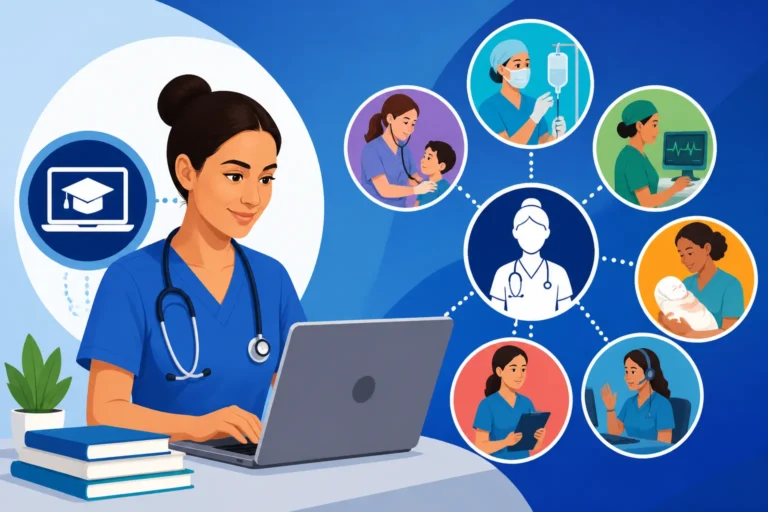
With experience, you might find yourself gravitating towards a particular area within public health, leading to further specialization. Perhaps you develop a passion for maternal and child health, working with pregnant individuals and new families to ensure healthy outcomes. Or maybe environmental health becomes your focus, addressing issues like air and water quality, or responding to public health emergencies caused by natural disasters. Some PHNs specialize in communicable disease control, becoming vital players in contact tracing, outbreak investigation, and public education during health crises. The more you learn, the more opportunities you'll see to carve out a niche for yourself.
Leadership roles are also abundant for experienced Public Health Nurses. You might become a nursing supervisor, overseeing a team of PHNs and ensuring the quality of care delivered in a specific program or geographic area. Program manager roles involve designing, implementing, and evaluating large-scale health interventions, such as statewide initiatives to combat opioid addiction or improve chronic disease management. These positions often require strong organizational skills, a deep understanding of budgeting and resource allocation, and the ability to collaborate with diverse stakeholders, from local government officials to community advocacy groups. It's about moving from direct care to creating the frameworks that enable effective public health.
Shaping Policy and Education
For those with a strong desire to effect systemic change, public health nursing offers pathways into policy development and advocacy. Imagine working as a health policy analyst for a state health department, helping to draft legislation that expands access to healthcare for underserved populations, or advocating for increased funding for mental health services in schools. Public Health Nurses bring invaluable real-world experience and patient perspectives to these discussions, ensuring that policies are not only evidence-based but also practical and impactful for the communities they serve. This is where your voice can truly make a difference in shaping the health of an entire society.
Another fulfilling avenue for career advancement is in education. Experienced PHNs are often sought after to teach in nursing programs, sharing their practical knowledge and passion for public health with future generations of nurses. This could be as a clinical instructor, guiding students through community health rotations, or as a didactic professor, teaching courses on epidemiology, health promotion, or global health. Some even move into health education roles within their communities, developing public health campaigns, creating educational materials, and empowering individuals with the knowledge to make informed health decisions. Regardless of the path, the ultimate goal remains to foster healthier communities and improve population well-being for all. If you're interested in the broader scope of how nursing degrees affect your career, articles like Nursing Career Paths and Salaries can offer valuable insights.
Disclaimer
Please note that the information provided in this guide is intended for general informational purposes only and does not constitute professional advice. Nursing education requirements, certification processes, and career opportunities can vary by state, institution, and employer. It is essential to verify all information with official sources such as accredited nursing boards, educational institutions, and professional organizations before making any decisions related to your nursing career.