How to Get a Nursing Certification
Many nurses reach a point in their careers where they feel a strong pull to deepen their expertise, take on new responsibilities, or simply gain formal recognition for the specialized care they provide. But the path to achieving that can often feel like navigating a complex maze of acronyms, requirements, and intimidating exams. This comprehensive guide is here to demystify the process of earning a nursing certification, helping you understand its value, navigate the steps, and ultimately, elevate your professional journey with confidence.
Why Pursue Nursing Certification Anyway?
It’s easy to get caught up in the day-to-day grind of nursing, and the thought of adding another goal like certification can feel like an extra burden. However, obtaining a nursing certification isn't just about collecting another piece of paper; it's a strategic move that can profoundly impact your career trajectory, earning potential, and even your personal sense of professional accomplishment. It’s an investment in yourself and your future as a healthcare professional.
Boosting Your Career and Salary Potential
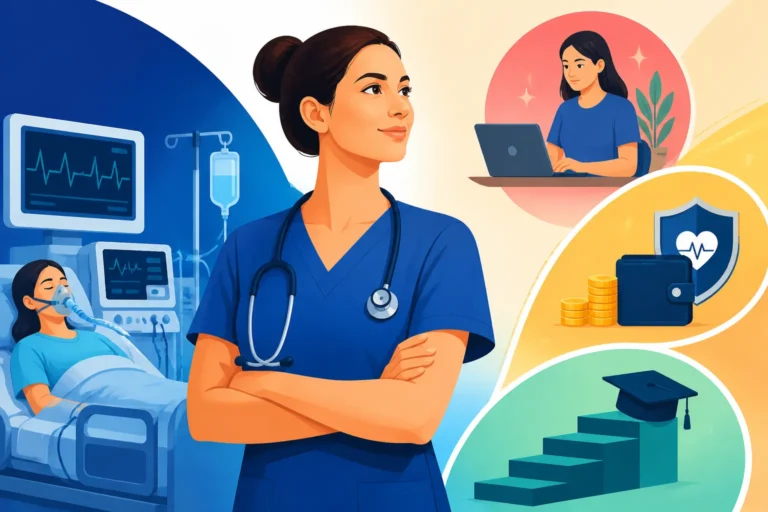
One of the most immediate and tangible benefits of earning a nursing certification is the positive impact it can have on your career and, let's be honest, your paycheck. Many healthcare systems are increasingly prioritizing certified nurses, seeing it as a hallmark of quality and specialized knowledge. This preference often translates into better job opportunities and career advancement pathways. For instance, a certified emergency nurse (CEN) might be favored for a lead role in the emergency department over a non-certified peer.
Beyond new roles, certification can also bolster your earning power. While the exact increase varies by specialty, location, and employer, numerous studies and anecdotal reports confirm that certified nurses often command higher salaries. It gives you a stronger negotiating position when discussing compensation or seeking a promotion. Think of it as demonstrating a measurable commitment to excellence, which employers are often willing to reward. It shows you're not just doing the job, but you're actively striving to be the best at it, which can be particularly beneficial if you're exploring how to increase your nursing salary.
Validating Your Expertise and Confidence
Working in a specialized area, you gain invaluable experience and practical knowledge every day. But how do you formally demonstrate that expertise to the world, and more importantly, to yourself? Certification provides that external validation. It's a standardized process that confirms you possess the advanced knowledge, skills, and judgment required in a particular nursing specialty. This can be a huge confidence booster, affirming that you are indeed an expert in your field.
Imagine being able to confidently tell a patient or a colleague, "Yes, I am a certified critical care nurse," knowing that this credential signifies a recognized standard of excellence. This increased confidence not only makes you a more effective and authoritative caregiver but also enhances your credibility within the healthcare team. It shows a dedication to your specialty that goes above and beyond basic licensure, ultimately improving patient outcomes through evidence-based, specialized care.
Meeting Employer Expectations and Magnet Status
In today's competitive healthcare landscape, many hospitals, especially those striving for or maintaining Magnet Recognition Program status, actively encourage and sometimes even require their nurses to be certified. Magnet recognition, awarded by the American Nurses Credentialing Center (ANCC), acknowledges healthcare organizations for quality patient care, nursing excellence, and innovations in professional nursing practice. A significant component of achieving and maintaining Magnet status involves a high percentage of nurses holding specialty certifications.
This means that holding a certification can make you a much more attractive candidate during job applications or when vying for internal promotions. For nurses already employed, it can align you with your institution's quality initiatives and demonstrate your commitment to their mission. It's not just a personal achievement; it contributes to the collective excellence of your workplace, reinforcing why RN to BSN accreditation matters. Understanding these employer expectations can help you make a strategic choice in your nursing career path.
Understanding the Different Types of Nursing Certifications
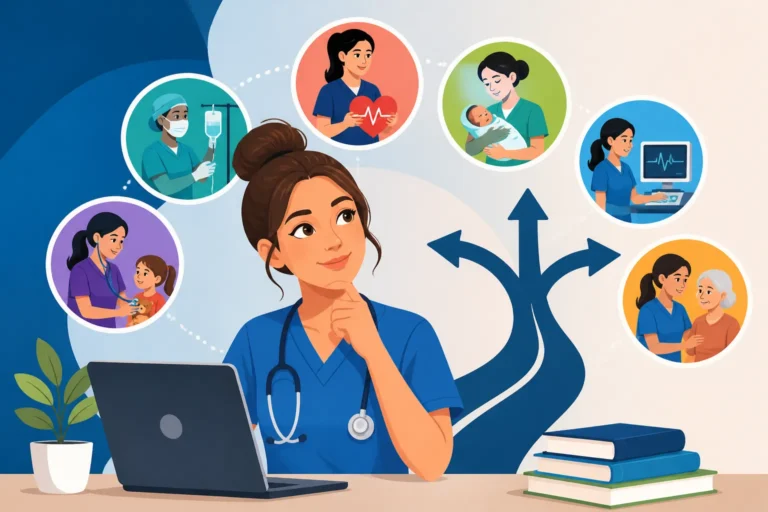
The world of nursing certifications is incredibly diverse, reflecting the vast array of specialties and roles within the profession. It’s not a one-size-fits-all situation; different certifications cater to different levels of practice and areas of focus. Knowing the distinctions is the first step in deciding which path is right for you.
Specialty-Specific Certifications
These are perhaps the most common type of certifications and are designed for Registered Nurses (RNs) who want to demonstrate advanced knowledge and expertise in a particular clinical area. They signify that you have gone above and beyond the general knowledge required of an RN and have a deep understanding of a specific patient population, disease process, or care setting.
For example, if you’re passionate about critical care, you might pursue the CCRN certification offered by the American Association of Critical-Care Nurses (AACN). This credential shows expertise in caring for acutely and critically ill patients. Similarly, the Certified Emergency Nurse (CEN) credential, offered by the Board of Certification for Emergency Nursing (BCEN), is for nurses working in emergency departments, validating their proficiency in rapid assessment and intervention in emergency situations. Other examples include the Oncology Certified Nurse (OCN) through the Oncology Nursing Certification Corporation (ONCC), or the Neonatal Intensive Care Nursing (RNC-NIC) certification for those working with fragile newborns, offered by the National Certification Corporation (NCC). These certifications often require a certain number of clinical hours in that specialty as part of their eligibility criteria, ensuring practical experience backs up theoretical knowledge.
Advanced Practice Certifications
Once you’ve moved beyond the general RN scope and into advanced practice, such as becoming a Nurse Practitioner (NP), Clinical Nurse Specialist (CNS), Certified Registered Nurse Anesthetist (CRNA), or Certified Nurse-Midwife (CNM), you’ll pursue a different level of certification. These certifications are specific to your advanced practice role and population focus. They are typically awarded after completing a Master of Science in Nursing (MSN) or Doctor of Nursing Practice (DNP) degree and passing a national board examination.
For instance, a Family Nurse Practitioner (FNP) would pursue certification through organizations like the American Nurses Credentialing Center (ANCC) or the American Association of Nurse Practitioners (AANP), earning credentials like FNP-BC (Board Certified) or FNP-C (Certified). A Psychiatric-Mental Health Nurse Practitioner would seek PMHNP-BC, and an Adult-Gerontology Acute Care Nurse Practitioner (AGACNP) would earn the AGACNP-BC. These certifications validate your ability to assess, diagnose, treat, and manage patient care within your specific advanced practice scope. They signify a higher level of autonomy and responsibility, reflecting the advanced didactic and clinical preparation you've received. You can explore more about Nurse Practitioner Specializations Explained to see where your interests might lead.
General and Leadership Certifications
Not all certifications are strictly tied to bedside clinical care or advanced practice. There are also certifications available for nurses who are moving into administrative, educational, or informatics roles, or who wish to demonstrate broader professional competencies. These credentials can be invaluable for career progression outside of direct patient care.
Examples include the Nurse Executive, Board Certified (NE-BC) or Nurse Executive, Advanced, Board Certified (NEA-BC) credentials offered by the ANCC, designed for nurses in leadership and management positions. For those passionate about teaching future nurses, the Certified Nurse Educator (CNE) certification from the National League for Nursing (NLN) is a highly respected credential. Similarly, the Certified Informatics Nurse (RN-BC) from the ANCC is for nurses who specialize in managing and interpreting healthcare data and technology. These certifications demonstrate expertise in areas that support the healthcare system as a whole, rather than focusing on a specific patient population or disease. They are crucial for nurses looking to diversify their career paths and take on roles that influence policy, education, or systemic improvements, highlighting the diverse nursing career paths and salaries available.
The Step-by-Step Process to Getting Certified
Deciding to pursue certification is a big step, but understanding the actual process can make it feel much more manageable. It's not just about taking an exam; it involves thoughtful consideration of your career goals, diligent preparation, and adherence to specific requirements. Let’s break down the journey into actionable steps.
Choosing the Right Certification for You
This is arguably the most critical initial step. With so many certifications available, it’s essential to select one that truly aligns with your current role, professional aspirations, and personal passions. Don't just pick one because a colleague has it; consider what genuinely excites you in nursing. Are you a thrill-seeker drawn to the fast pace of the emergency room, or do you prefer the meticulous, life-sustaining work of an ICU? Your choice should reflect where you want to grow and what kind of impact you want to make.
Start by reflecting on your daily tasks and the patient populations you enjoy working with most. Research different specialties and look into the demand and growth in those areas. For instance, if you're working in a busy surgical unit, you might consider becoming a Certified Medical-Surgical Registered Nurse (CMSRN). If you're an RN who loves mentoring and teaching, perhaps a Certified Nurse Educator (CNE) credential would be a better fit down the line. Talking to certified nurses in various fields can offer valuable insights. Their experiences might highlight aspects of a specialty you hadn't considered. Ultimately, the best certification for you will be one that enhances your current practice and opens doors to your desired future career. Take your time with this decision; it's an investment in your long-term satisfaction and success. For more guidance, consider reading about how to choose a nursing specialty.
Meeting Eligibility Requirements
Once you've zeroed in on a certification, the next hurdle is understanding and meeting its specific eligibility requirements. Certification boards are rigorous for good reason: they want to ensure that only truly qualified and experienced nurses earn their credentials. These requirements typically fall into three main categories: education, licensure, and clinical experience.
First, you'll need an active, unencumbered Registered Nurse (RN) license. Most certifications also specify a minimum educational level, such as an Associate Degree in Nursing (ADN) or a Bachelor of Science in Nursing (BSN), though many specialty certifications are becoming BSN-preferred or required. Second, and often most significant, is the clinical experience component. This usually involves a specified number of hours of direct patient care within the specialty area you're pursuing, often accumulated over a certain timeframe. For example, the AACN’s CCRN certification typically requires 1,750 or 2,000 hours of direct patient care in a critical care setting within the past two years, with 875 of those hours in the most recent year. You'll need to meticulously track and verify these hours, often with supervisor attestation. Each certification board and credential, whether from the ANCC, AACN, or NCC, will have its own unique set of criteria, so carefully review their official handbooks before applying.
Preparing for Your Certification Exam
With your eligibility confirmed, it’s time to shift your focus to exam preparation. These are high-stakes exams designed to assess a broad and deep understanding of your chosen specialty. You can’t just "wing it." Developing a structured study plan is essential. Many nurses find success by combining different study methods: official review courses, comprehensive textbooks, and practice questions.
Utilize resources provided by the certification board itself, such as content outlines, sample questions, and recommended reading lists. Many organizations also offer live or online review courses. Beyond these, dedicated third-party study platforms can be incredibly helpful. For instance, Uworld is a widely recognized and highly-regarded resource among nurses for its extensive question banks that simulate the actual exam experience. Their detailed rationales for both correct and incorrect answers can be instrumental in truly grasping complex concepts, making it a powerful tool for self-assessment and knowledge reinforcement. Consider forming a study group with peers who are also pursuing the same certification; discussing topics and quizzing each other can solidify understanding. Remember, consistent, focused study over several weeks or months is usually more effective than last-minute cramming.
Navigating the Certification Exam and Beyond
The exam itself is a major milestone, but your journey doesn't end there. Understanding the test format and preparing mentally are crucial, as is knowing how to maintain your hard-earned credential in the years that follow.
Understanding Exam Format and Test-Taking Strategies
Certification exams are typically computer-based and consist of multiple-choice questions. While the exact number of questions and time limits vary by certification and board, most exams range from 125 to 200 questions and allow 2 to 4 hours for completion. Questions are designed to test not just your recall of facts, but your ability to apply critical thinking and clinical judgment in various patient scenarios.
Effective test-taking strategies can significantly boost your chances of success. Read each question carefully, paying close attention to keywords like "most," "least," "initial," or "best." Eliminate obviously incorrect answer choices first, then re-evaluate the remaining options. Don't spend too much time on a single question; if you're stuck, make your best guess and move on. Many exams allow you to mark questions for review if you have time at the end. Practice timed exams to get comfortable with the pace and pressure. Platforms like Uworld are excellent for this, as they mimic the actual test interface and provide performance analytics, helping you identify areas where you need more practice. Managing stress and anxiety on exam day is also key; arrive well-rested, eat a good breakfast, and practice relaxation techniques if needed.
Maintaining Your Certification
Earning a nursing certification is a fantastic achievement, but it's not a one-and-done deal. To ensure that certified nurses remain current with the latest evidence-based practices and advancements in their field, all certifications require periodic renewal, typically every three to five years. This re-certification process usually involves meeting continuing education (CE) requirements, maintaining your active RN license, and often a certain number of practice hours in your specialty.
The specific number of CEUs or contact hours will vary, but they generally need to be relevant to your specialty. Many certification boards offer online platforms where you can track your CE activities. Beyond formal CE, activities like presenting at conferences, publishing articles, precepting students, or participating in professional organizations can sometimes count towards re-certification. It's crucial to stay organized and keep meticulous records of all your professional development activities. Don't wait until the last minute to accumulate your CEUs; integrate ongoing learning into your professional routine. This commitment to continuous learning underscores the value of your certification and your dedication to providing high-quality, up-to-date patient care.
Leveraging Your New Credential
Once you've passed that exam and received your official certificate, it's time to broadcast your accomplishment! This credential is a powerful asset that can open new doors and enhance your professional profile. The first step is to update your resume and LinkedIn profile immediately. Add your new credential, along with the certification board and the year you achieved it, to your name and under your education/certifications section. For example, Jane Doe, MSN, RN, CCRN.
When applying for new positions or discussing promotions, highlight how your certification specifically enhances your ability to perform the role. Frame it in terms of improved patient outcomes, increased efficiency, or enhanced leadership capabilities. For example, in an interview, you might say, "My CEN certification has equipped me with advanced critical thinking skills, allowing me to more rapidly assess and intervene in complex emergency situations, contributing to better patient stabilization times." Don't forget to update your email signature, name badge, and any professional biographies. Actively leveraging your certification demonstrates your commitment to excellence and can significantly boost your professional standing, paving the way for further career benefits of earning a BSN and beyond.
Common Challenges and How to Overcome Them
Let's be real: pursuing a nursing certification isn't always smooth sailing. It comes with its own set of hurdles, from the practical to the psychological. Acknowledging these challenges upfront is the first step toward overcoming them and staying on track with your goals. You're not alone in facing these issues, and there are strategies to help you navigate them successfully.
Time and Financial Constraints
For many working nurses, finding the time and financial resources to pursue certification can feel like an insurmountable obstacle. Juggling demanding work schedules, family responsibilities, and then carving out dedicated study time is a monumental task. You might be working 12-hour shifts, picking up extra hours, and still need to be present for your family. The idea of adding hours of studying on top of that can be exhausting just to think about.
Then there's the cost. Certification exams aren't cheap, often ranging from $250 to $400, not including the expense of study materials, review courses, and continuing education units (CEUs) for renewal. This financial outlay can be a significant barrier, especially if you're already managing student loan debt or other personal expenses. To combat this, start with a realistic assessment of your time. Look for pockets of time—your commute, lunch breaks, or an hour before bed—that you can dedicate to studying. Create a flexible study schedule that adapts to your life. Financially, research if your employer offers tuition reimbursement or a professional development fund. Many hospitals will cover or partially reimburse certification costs, especially for in-demand specialties. Also, look into professional organization memberships; some offer discounted exam fees. Planning ahead and saving specifically for certification expenses can also ease the burden. Remember, there are resources out there to help you balance work and an RN to BSN, and similarly, your certification journey.
Fear of Failure and Test Anxiety
The thought of failing a high-stakes exam after pouring so much time, effort, and money into preparation can be paralyzing. This fear is a very real and common emotional hurdle. It can manifest as test anxiety, making it difficult to focus during study sessions or even on exam day. You might start second-guessing your knowledge or feeling overwhelmed by the sheer volume of information to master. The feeling of "What if I'm not smart enough?" or "What if I forget everything?" can be incredibly draining.
It's okay to feel this way, but don't let it derail your aspirations. One of the best ways to combat fear of failure is through thorough preparation. The more confident you are in your knowledge, the less anxiety you'll experience. Utilize practice exams, like those offered by Uworld, to not only assess your knowledge but also to familiarize yourself with the exam format and identify your weaker areas. This helps turn the unknown into the known. Break your study goals into smaller, manageable chunks, celebrating each small victory to build momentum. On exam day, practice mindfulness techniques, deep breathing, or visualization to calm your nerves. Remember that passing is the goal, not perfection. And if you don't pass on the first try, it's not a reflection of your worth as a nurse, but an opportunity to learn and try again.
Choosing the Right Board and Resources
With multiple certifying bodies for nurses (e.g., ANCC, AACN, NCC, BCEN), and a plethora of study materials, deciding which certification board to pursue and what resources to trust can be confusing. You might wonder if one board's credential holds more weight than another's, or if a particular study guide is truly comprehensive. This information overload can lead to analysis paralysis, making it hard to even start.
The key here is diligent research. For specialty certifications, typically only one or two main boards offer the credential, making that decision a bit clearer. For advanced practice certifications, the ANCC and AANP are common choices for many NP specialties. While both are highly respected, some subtle differences exist in their exams and focus areas. It's often helpful to see which certification is most commonly held by NPs in your desired specialty and region, or if your program guides you toward one. For study resources, always start with the official content outline from your chosen certification board. Then, look for reputable review courses or study guides. Read reviews, ask colleagues, and consider a free trial if available for online platforms like Uworld. The best resources are those that are up-to-date, comprehensive, and align with the exam's blueprint. Don't forget to understand the differences between accreditations, such as CCNE vs ACEN accreditation explained, as this impacts the quality and recognition of your foundational nursing education.
Top Nursing Certifications to Consider Right Now
With a clearer understanding of the "why" and "how," let's talk about some specific certifications that are highly valued in the nursing world today. Whether you're looking for career advancement, increased earning potential, or simply to specialize in a field you're passionate about, there's likely a certification that fits your goals.
High-Demand and Impactful Certifications
Healthcare is constantly evolving, and with it, the demand for nurses with specialized skills shifts. Several certifications consistently stand out for their high demand, the critical skills they validate, and their significant impact on patient care and career trajectories. These are excellent choices if you're looking for a credential that offers strong job security and diverse opportunities.
Critical Care Registered Nurse (CCRN): Offered by the AACN, this is consistently one of the most sought-after certifications. It’s essential for nurses working in ICUs, CCUs, and other critical care environments. The demand for highly skilled critical care nurses remains robust, especially with ongoing public health challenges.
Certified Emergency Nurse (CEN): For those who thrive in fast-paced, high-pressure environments, the CEN certification from BCEN is invaluable. ERs are complex settings, and nurses with CEN demonstrate expertise in rapid assessment and intervention across a wide range of emergent conditions.
Oncology Certified Nurse (OCN): With the increasing prevalence of cancer, oncology nursing is a growing field. The OCN certification from ONCC signifies specialized knowledge in caring for cancer patients, from diagnosis and treatment to palliative care.
Public Health Nurse (CPH): While perhaps less clinical in the traditional sense, public health nursing is vital. The CPH credential demonstrates expertise in population health, disease prevention, and community wellness, fields that are gaining significant attention.
Informatics Nursing (RN-BC): As healthcare becomes more digitized, nurses skilled in health informatics are crucial. The RN-BC certification from ANCC is for nurses who integrate nursing science, computer science, and information science to manage and communicate data, knowledge, and wisdom in nursing practice. This is a burgeoning field with high demand for tech-savvy nurses. If you want to know more about roles like these, explore the most in-demand nursing specialties.
Certifications for Career Advancement
For many nurses, certification isn't just about specializing; it's a stepping stone to leadership roles, educational positions, or even further advanced practice. These certifications help you transition from a direct care provider to a leader, educator, or expert consultant.
Nurse Executive (NE-BC or NEA-BC): Offered by the ANCC, these certifications are designed for nurses in leadership and management positions. The NE-BC is for nurse managers, directors, and assistant directors, while the NEA-BC is for more senior executives like CNOs. These credentials validate expertise in healthcare finance, human resources, strategic planning, and quality improvement, preparing you for significant administrative responsibilities.
Certified Nurse Educator (CNE): For RNs passionate about teaching and shaping the next generation of nurses, the CNE certification from the NLN is a mark of excellence. It validates expertise in curriculum development, teaching methodologies, and student assessment, opening doors to faculty positions in nursing schools or staff development roles in healthcare organizations.
Nurse Practitioner (NP) Certifications: While requiring an MSN or DNP, these certifications (e.g., FNP-BC, PMHNP-BC, AGACNP-BC) represent a significant leap in career advancement. They allow nurses to practice autonomously or semi-autonomously, diagnose illnesses, prescribe medications, and manage patient care. This path is often chosen by those looking for a higher degree of independence and clinical decision-making. These are particularly important if you're considering the RN to BSN to MSN bridge explained.
Certifications Offered by Key Organizations
When considering certification, it's helpful to know which organizations are the major players in credentialing. These bodies set the standards, develop the exams, and award the credentials, ensuring consistency and quality across the nursing profession. Their reputations are paramount, so understanding who they are and what they offer is key to making an informed decision.
American Nurses Credentialing Center (ANCC): The ANCC is a subsidiary of the American Nurses Association (ANA) and is one of the largest and most respected credentialing bodies. They offer a vast array of certifications, including many for advanced practice nurses (like FNP-BC, PMHNP-BC), nurse leaders (NE-BC), and specialty RNs (e.g., Medical-Surgical RN-BC, Cardiac-Vascular RN-BC, Informatics RN-BC). The ANCC is also responsible for the Magnet Recognition Program.
American Association of Critical-Care Nurses (AACN): For nurses working with critically ill patients, the AACN is the go-to organization. They offer highly respected certifications such as CCRN (for adult, pediatric, and neonatal critical care nurses), PCCN (for progressive care/telemetry nurses), and CMC (cardiac medicine certification). Their certifications are recognized globally for their rigor and relevance.
National Certification Corporation (NCC): The NCC specializes in certifications for nurses in women’s health, neonatal, and obstetrical specialties. Credentials like RNC-NIC (Neonatal Intensive Care Nursing), RNC-LRN (Low-Risk Neonatal Nursing), and RNC-OB (Inpatient Obstetric Nursing) are vital for nurses in these fields, demonstrating specialized expertise in caring for mothers and infants.
Emergency Nurses Association (ENA) / Board of Certification for Emergency Nursing (BCEN): While the ENA is a professional organization, its certification arm, BCEN, offers crucial credentials for emergency, flight, transport, and trauma nurses. The CEN (Certified Emergency Nurse) is their most prominent certification, along with CFRN (Certified Flight Registered Nurse) and TCRN (Trauma Certified Registered Nurse).
These key organizations often collaborate or endorse quality study resources. Many nurses find that using an exam preparation platform like Uworld is an excellent complement to the study materials provided or recommended by these certification bodies, helping to bridge the gap between theoretical knowledge and exam-day readiness.
| Certification Abbreviation | Full Certification Name | Certifying Body | Target Nurse Level | Common Experience Requirement |
|---|---|---|---|---|
| CCRN | Critical Care Registered Nurse | AACN | RN | 1,750-2,000 hours in critical care within 2 years |
| CEN | Certified Emergency Nurse | BCEN | RN | Typically 2 years in emergency, no specific hour requirement but recommended |
| OCN | Oncology Certified Nurse | ONCC | RN | 2,000 hours in oncology nursing practice, plus 10 contact hours of oncology nursing CE |
| CMSRN | Certified Medical-Surgical Registered Nurse | MSNCB | RN | 2,000 hours in medical-surgical nursing practice within 3 years |
| PCCN | Progressive Care Certified Nurse | AACN | RN | 1,750-2,000 hours in progressive care within 2 years |
| FNP-BC | Family Nurse Practitioner – Board Certified | ANCC / AANP | NP (MSN/DNP) | Completion of accredited FNP program, active RN license |
| PMHNP-BC | Psychiatric-Mental Health Nurse Practitioner – Board Certified | ANCC | NP (MSN/DNP) | Completion of accredited PMHNP program, active RN license |
| NE-BC | Nurse Executive – Board Certified | ANCC | RN | BSN or higher, 2,000 hours in nurse exec role within 3 years, plus 30 CEUs in nurse exec |
| CNE | Certified Nurse Educator | NLN | RN (MSN/DNP preferred) | Master's or doctoral degree in nursing, 2 years of experience as a nurse educator |
| RN-BC (Informatics) | Informatics Nurse – Board Certified | ANCC | RN | 2,000 hours in informatics nursing, plus 30 CEUs in informatics |
Disclaimer
The information provided in this article is intended for general informational purposes only and does not constitute professional advice. While we strive to provide accurate and up-to-date content, nursing certification requirements, exam specifics, and career outlooks can change. Always consult the official websites of specific certification boards and educational institutions for the most current and authoritative information. Individual results and career outcomes may vary.