How to Become an Oncology Nurse Step by Step
Have you ever found yourself drawn to the strength and resilience of patients battling cancer, feeling a deep desire to be a source of comfort and expert care during one of the most challenging times of their lives? It's a calling that many nurses feel, but the path to becoming an oncology nurse can seem complex and daunting, leaving many wondering where to even begin. This comprehensive guide will walk you through each crucial step, from your initial nursing education to gaining specialized experience and certification, helping you navigate your journey to a rewarding career in oncology nursing.
Understanding the Role of an Oncology Nurse
Becoming an oncology nurse is more than just a job; it's a profound commitment to caring for individuals and their families through every stage of a cancer diagnosis. It requires a unique blend of clinical expertise, emotional intelligence, and unwavering compassion.
What Does an Oncology Nurse Actually Do?
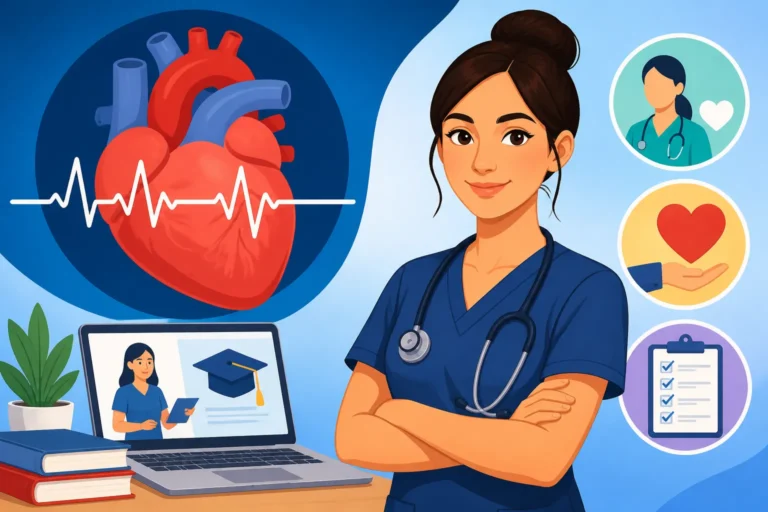
As an oncology nurse, your days will be incredibly varied, depending on the specific setting you work in. You might find yourself in an outpatient infusion center, meticulously administering chemotherapy and immunotherapy, monitoring for adverse reactions, and providing vital patient education about medications and side effects. In an inpatient oncology unit, your focus could shift to managing complex symptoms like pain, nausea, and fatigue, addressing treatment complications, and coordinating care with a multidisciplinary team.
Beyond the technical skills, a huge part of your role involves providing emotional support. Patients and their families often face immense anxiety, fear, and uncertainty. You'll be there to listen, offer comfort, and act as an advocate, helping them understand their diagnosis, treatment plan, and what to expect. This includes everything from explaining complex medical terminology in an accessible way to simply holding a hand during a difficult moment. You might work with patients undergoing radiation therapy, bone marrow transplants, or those receiving palliative care, each requiring a tailored approach and specialized knowledge. The emotional toll can be significant, but the profound connections you build and the difference you make are incredibly rewarding.
Why Choose Oncology Nursing?
The decision to specialize in oncology nursing often stems from a deep personal connection or a desire to make a tangible impact during critical life moments. For many, it's about being on the cutting edge of medical advancements; oncology is a rapidly evolving field with new treatments emerging constantly. This means you'll be a lifelong learner, continually expanding your knowledge base and skill set.
The impact you can have on a patient's journey is immense. You're not just treating a disease; you're caring for a person and their entire support system. You'll celebrate small victories, provide solace during setbacks, and empower patients to make informed decisions about their health. The work is challenging, no doubt, but it offers unparalleled opportunities for professional growth and personal fulfillment. If you're someone who thrives on complex care, values deep patient relationships, and is committed to continuous learning, oncology nursing could be an incredibly rewarding career path for you.
Educational Pathway to Becoming an Oncology Nurse
Before you can dive into the specifics of oncology, you need a strong foundation in general nursing practice. This is where your initial educational choices come into play, shaping your future career trajectory.
Starting with Your Foundational Nursing Degree
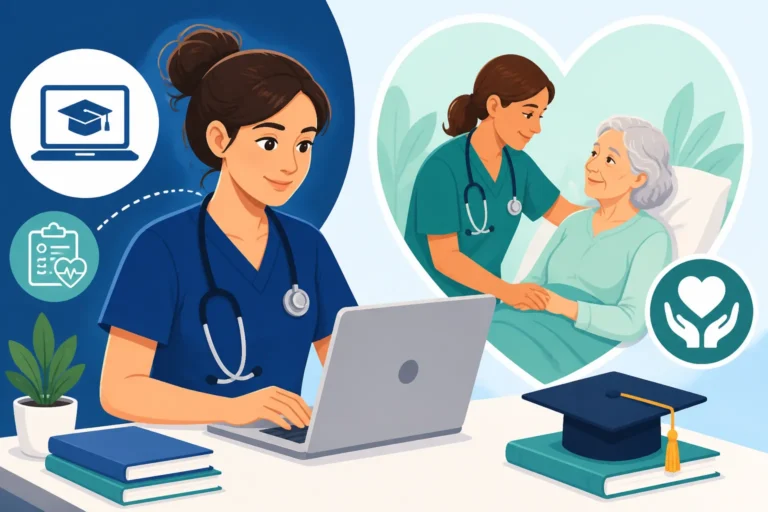
To become a registered nurse (RN), you'll need to complete either an Associate Degree in Nursing (ADN) or a Bachelor of Science in Nursing (BSN). While an ADN can get you started in nursing practice, many hospitals, especially those with Magnet status or those known for their specialized oncology programs, increasingly prefer or even require a BSN for new hires. The BSN curriculum provides a more comprehensive education, covering areas like leadership, community health, research, and evidence-based practice, which are invaluable in complex fields like oncology.
If you currently hold an ADN, don't worry! There are numerous flexible options available to help you bridge that gap. Online RN to BSN Programs: Complete Guide are specifically designed for working nurses to earn their bachelor's degree while maintaining their professional and personal commitments. This additional education will not only enhance your clinical decision-making and critical thinking skills but also open more doors for advancement within oncology, including leadership roles or pursuing advanced practice nursing. Considering a BSN from the outset or making plans for an RN to BSN completion program is a strategic move for anyone serious about specializing in oncology. You can explore options like Accelerated BSN Programs Explained if you have a non-nursing bachelor's degree, or Online RN to BSN Programs: Complete Guide for current RNs.
Gaining Clinical Experience
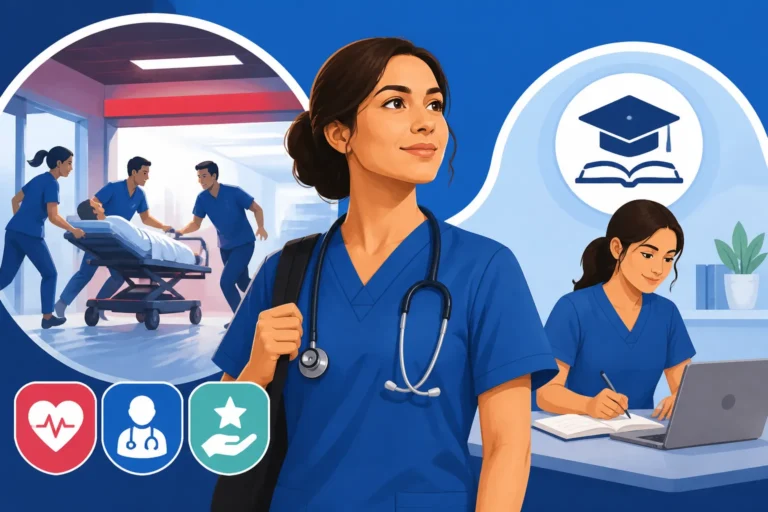
Once you have your RN license, gaining hands-on clinical experience is paramount. While it might seem counterintuitive, starting in a general medical-surgical unit or a similar acute care setting is often the best first step. These environments provide a broad exposure to various patient conditions, hone your assessment skills, medication administration techniques, and ability to manage multiple priorities – all essential before specializing. Many oncology units prefer nurses with at least one to two years of solid bedside experience.
During your foundational experience, actively seek out opportunities that will prepare you for oncology. Volunteer in a cancer center, shadow an oncology nurse, or express your interest to your nurse manager if there are opportunities to float to an oncology floor. Look for roles that involve complex medication management, strong patient education components, and emotional support. This experience will not only build your resume but also give you a clearer picture of whether oncology truly aligns with your passion and resilience. Even if you start in a different area, remember that the skills you build are transferable.
Specializing and Certifying in Oncology Nursing
Once you have your foundational nursing degree and some solid clinical experience under your belt, it's time to zero in on oncology-specific knowledge and credentials. This is where you really start to cement your expertise.
Oncology Nurse Certifications
Obtaining a specialized certification is a powerful way to demonstrate your expertise and commitment to oncology nursing. The most widely recognized certification for general oncology nursing is the Oncology Certified Nurse (OCN®) credential, offered by the Oncology Nursing Certification Corporation (ONCC). To be eligible for the OCN exam, you typically need:
- An active, unencumbered RN license.
- A minimum of 1,000 hours of nursing practice in an oncology setting within the past 2.5 years.
- A minimum of 10 contact hours of continuing education in oncology nursing or an academic course in oncology nursing within the past 2.5 years.
Passing this rigorous exam signifies that you possess a specialized body of knowledge in oncology. Other specialized certifications exist for specific areas within oncology, such as:
- BMTCN® (Blood and Marrow Transplant Certified Nurse): For nurses working with bone marrow transplant patients.
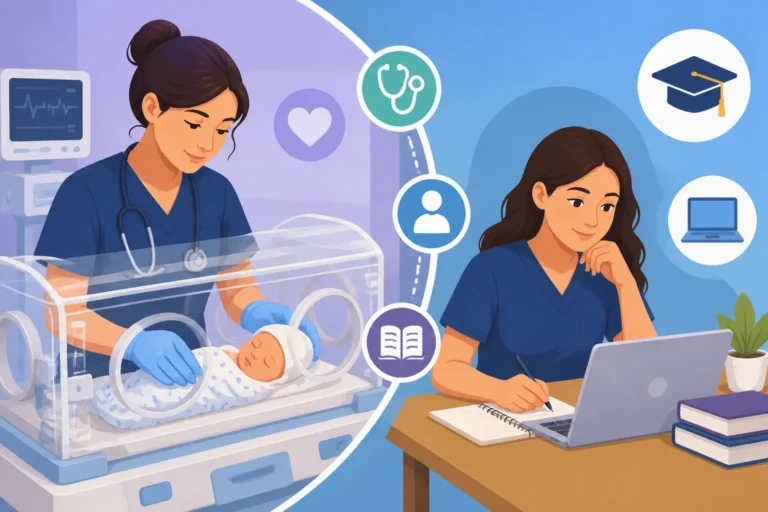
- CPON® (Certified Pediatric Oncology Nurse): For nurses specializing in pediatric oncology.
- AOCNP® (Advanced Oncology Certified Nurse Practitioner): For Nurse Practitioners with an MSN or DNP who specialize in oncology.
Preparing for these certification exams requires dedicated study. Many nurses find review courses and study materials invaluable. Resources like Uworld, known for its comprehensive question banks and detailed explanations, can be incredibly helpful in preparing for exams like the OCN, ensuring you cover all the necessary content areas and practice with exam-style questions. These certifications not only enhance your resume but also often lead to increased earning potential and more career opportunities.
Here's a quick look at some common oncology certifications:
| Certification Abbreviation | Full Name | Target Audience | Key Requirements (General) |
|---|---|---|---|
| OCN® | Oncology Certified Nurse | RNs in general adult oncology | RN, 1000 hrs oncology experience, CE in oncology |
| BMTCN® | Blood & Marrow Transplant Certified Nurse | RNs in blood & marrow transplant | RN, 1000 hrs BMT experience, CE in BMT |
| CPON® | Certified Pediatric Oncology Nurse | RNs in pediatric oncology | RN, 1000 hrs pediatric oncology experience, CE in oncology |
| AOCNP® | Advanced Oncology Certified Nurse Practitioner | NPs in advanced oncology practice | APRN (MSN/DNP), 1000 hrs advanced oncology practice, CE |
Continuing Education and Professional Development
The field of oncology is in constant motion, with new research, treatments, and best practices emerging regularly. To remain an effective and knowledgeable oncology nurse, continuous learning is non-negotiable. This means actively participating in continuing education (CE) activities, attending professional conferences, and staying abreast of the latest evidence-based practice guidelines. The Oncology Nursing Society (ONS) is an excellent resource for CE, offering webinars, online courses, and publications specifically tailored for oncology nurses.
Beyond formal education, consider joining professional organizations like the ONS or the American Society of Clinical Oncology (ASCO). These organizations provide networking opportunities, access to cutting-edge research, and advocacy for oncology nurses and patients. Furthering your education with an advanced degree, such as an MSN with a specialization in oncology or becoming a Nurse Practitioner, can open doors to roles as an oncology nurse navigator, clinical nurse specialist, or even an oncology advanced practice nurse. This is a clear path for those wondering How RN to BSN Prepares You for Grad School and further specialization.
Finding Your First Oncology Nursing Position
Landing your first dedicated oncology nursing role often takes persistence and strategic effort. Start by tailoring your resume to highlight any relevant experience, even if it's general med-surg, emphasizing transferable skills like patient education, pain management, and emotional support. Clearly state your passion for oncology in your cover letter.
Network with other nurses already working in oncology. Attend local ONS chapter meetings or online forums. When applying for positions, research the specific unit or clinic thoroughly. During interviews, be prepared to discuss challenging patient scenarios, your understanding of common cancer treatments, and how you handle emotionally demanding situations. Showing genuine empathy, strong communication skills, and a commitment to patient advocacy will make a strong impression. Many facilities, like larger academic medical centers or dedicated cancer hospitals, often have robust new graduate programs or residencies that include oncology rotations, providing an excellent entry point into the specialty.
The Impact and Future of Oncology Nursing
Choosing a career as an oncology nurse means stepping into a role that is both profoundly challenging and deeply rewarding. You're not just a healthcare provider; you become a vital anchor for patients navigating one of life's toughest journeys.
Making a Difference in Patients' Lives
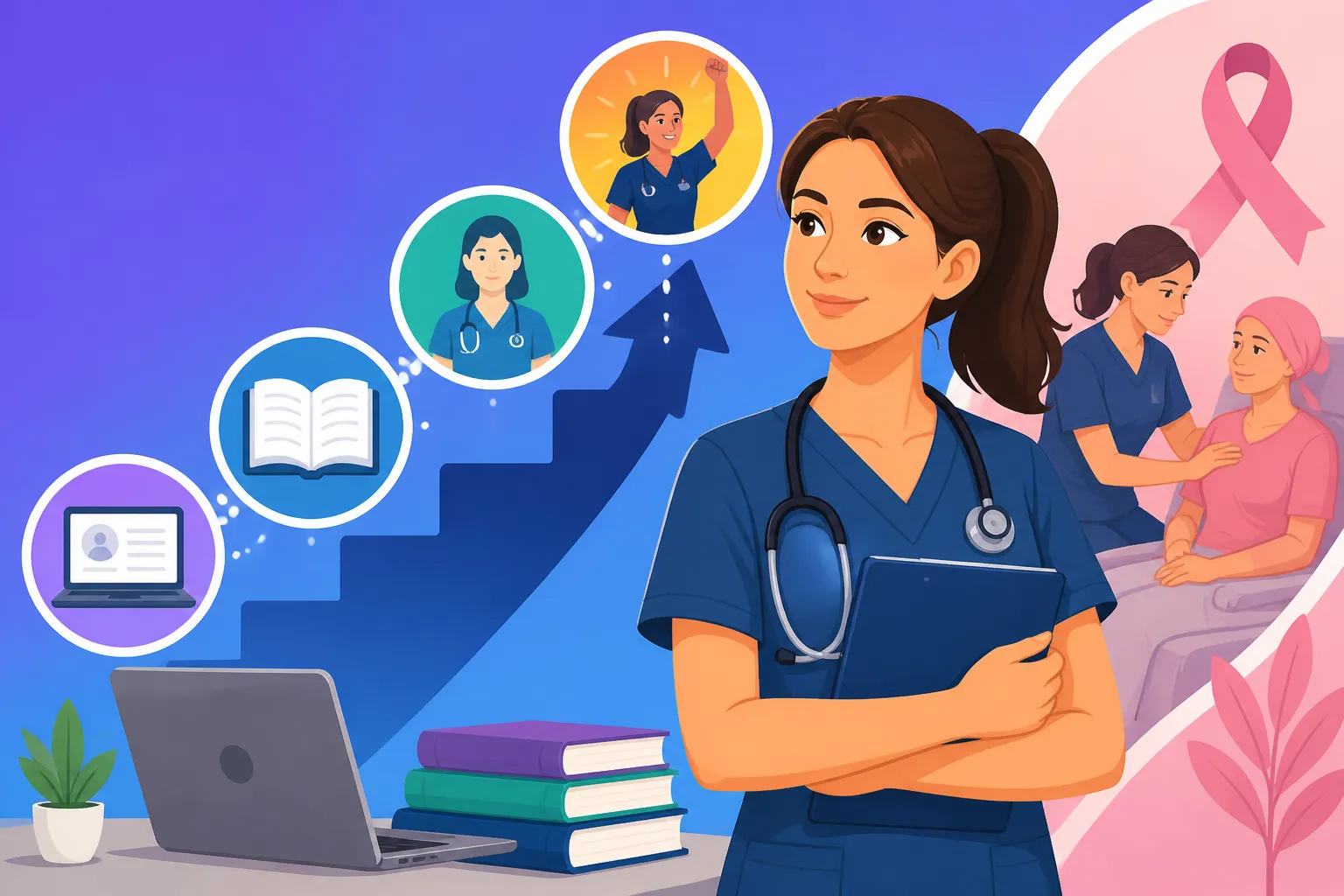
The impact an oncology nurse has on a patient's life is immeasurable. From the moment of diagnosis through treatment, remission, or palliative care, you are a consistent source of clinical expertise, emotional support, and unwavering advocacy. You explain complex treatment protocols in understandable terms, manage distressing side effects with skill and compassion, and help patients maintain their dignity and quality of life.
Consider Maria, a nurse working in a busy infusion center in Boston. She spends her mornings administering chemotherapy to various patients, carefully monitoring for reactions and answering countless questions. In the afternoon, she sits with a newly diagnosed patient, taking the time to explain what their first round of treatment will entail, addressing their fears about hair loss, and connecting them with support groups. Her patience and thoroughness make a world of difference, turning an overwhelming situation into a manageable one. This holistic approach, combining expert care with profound empathy, is the hallmark of an exceptional oncology nurse. You're often the one who provides continuity of care and truly sees the person behind the diagnosis, offering comfort and strength when it's needed most.
Career Advancement Opportunities
The path of an oncology nurse doesn't end at the bedside, though many find immense satisfaction there. Your specialized knowledge and experience can open up a wide array of career advancement opportunities. You might pursue roles such as:
- Oncology Nurse Navigator: Guiding patients through the complex healthcare system, coordinating appointments, and providing resources.
- Clinical Nurse Specialist (CNS): Acting as an expert clinician, educator, consultant, and researcher to improve patient care and nursing practice within an oncology setting.
- Nurse Educator: Training the next generation of oncology nurses in academic or hospital settings.
- Oncology Nurse Practitioner (ONP): Providing direct primary and specialty care, including diagnosis, treatment planning, and prescribing medications. This usually requires an advanced degree, like those discussed in Online MSN Programs: Complete Guide.
- Research Nurse: Contributing to clinical trials and advancing the science of cancer treatment.
The demand for oncology nurses is expected to remain strong as cancer rates continue to be a significant public health concern and treatment options expand. Your skills will be highly valued across various settings, from large university hospitals like MD Anderson Cancer Center to community-based clinics, home health agencies, and even pharmaceutical companies. Whether you choose to deepen your clinical practice, move into leadership, or pursue advanced practice, a career in oncology nursing offers a dynamic and impactful future.
Disclaimer
Please remember that the information provided in this guide is intended for general informational purposes only and does not constitute professional medical or educational advice. Always consult with academic advisors, program coordinators, and licensed healthcare professionals for personalized guidance regarding your specific situation and career aspirations. Requirements for nursing programs and certifications can change, so it's essential to verify all details with the relevant educational institutions and certifying bodies.