How to Become a Hospice Nurse Step by Step
Becoming a hospice nurse is a calling that requires immense compassion, resilience, and a deep understanding of end-of-life care. Many nurses feel a pull towards this specialized field, often after witnessing firsthand the profound impact a compassionate presence can have during a patient's final journey. It's a path that can feel daunting to navigate, but this comprehensive guide will break down the exact steps you need to take to build a fulfilling career as a hospice nurse.
Understanding the Heart of Hospice Nursing
Hospice nursing is so much more than just providing medical care at the end of life; it’s about embracing a philosophy that focuses on comfort, dignity, and quality of life for patients and support for their families. It’s a specialty that truly tests your empathy and dedication, asking you to be present with individuals during their most vulnerable moments.
The Philosophy of Hospice and Palliative Care
At its core, hospice care is about living fully until the very end. It's not about giving up, but rather shifting the focus from curative treatments to comfort and symptom management when a cure is no longer possible. Palliative care, while often integrated into hospice, is a broader term that can be offered at any stage of a serious illness, alongside curative treatments. Hospice specifically applies when a patient has a life expectancy of six months or less. As a hospice nurse, you become a crucial part of an interdisciplinary team dedicated to this holistic approach. This means working closely with physicians, social workers, chaplains, bereavement counselors, and even volunteers to ensure every aspect of a patient's well-being—physical, emotional, social, and spiritual—is addressed. You're not just managing pain; you're helping families navigate complex emotions, preparing them for what's to come, and ensuring their loved one's wishes are honored.
The Unique Role and Responsibilities
A hospice nurse's responsibilities are vast and varied. You might be managing complex pain regimens, administering medications, performing wound care, and educating patients and families on disease progression and symptom control. However, beyond the technical skills, the emotional labor is significant. You’ll spend time listening, comforting, and being a steady presence during moments of fear, grief, and even joy. You’ll often be the primary point of contact for families, answering questions and providing reassurance at all hours. This role often involves home visits, meaning you'll be working autonomously in diverse environments, adapting to each patient's living situation and family dynamics. It’s a demanding role that calls for excellent clinical judgment, strong communication skills, and an unwavering capacity for compassion. You are not only caring for the patient but for the entire family unit, sometimes for months after the patient has passed away through bereavement support.
The Educational Journey to Become a Hospice Nurse
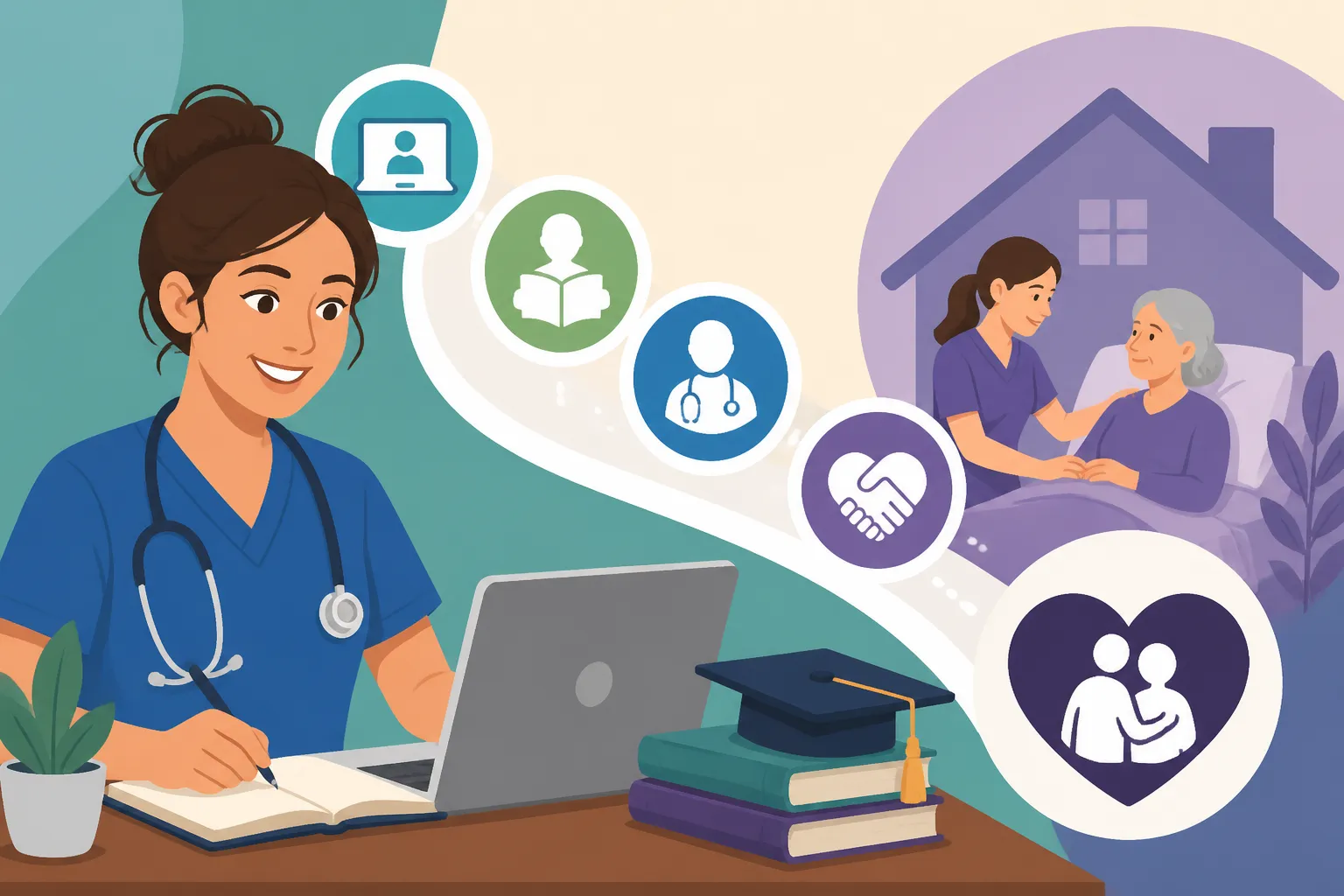
The path to becoming a hospice nurse, like many nursing specializations, begins with a solid educational foundation as a registered nurse (RN). The level of education you pursue can significantly impact your career opportunities and how quickly you can step into this specialized field.
Becoming a Registered Nurse
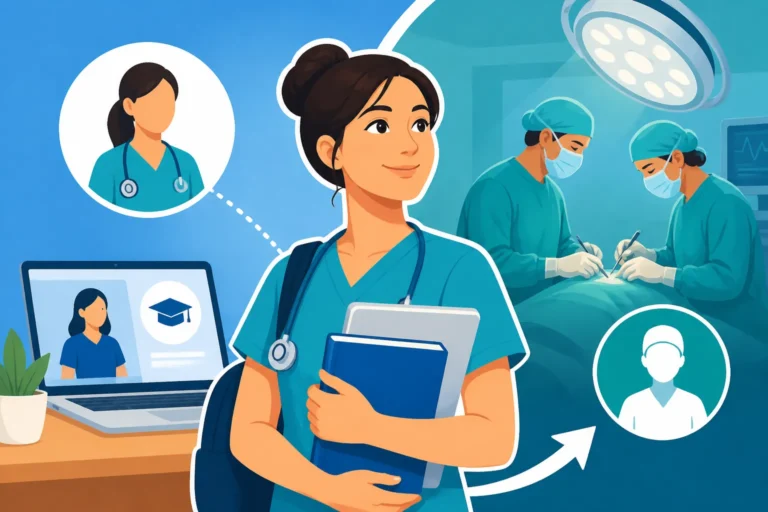
Your first and most fundamental step is to become a licensed Registered Nurse. This requires completing either an Associate's Degree in Nursing (ADN) or a Bachelor of Science in Nursing (BSN) program and then passing the NCLEX-RN exam. Both paths prepare you for entry-level nursing, but many in the healthcare field, especially in specialized areas like hospice, are increasingly favoring nurses with a BSN. An ADN program typically takes about two years to complete, while a BSN program usually takes four years. Regardless of which degree you choose initially, ensure the program is accredited by either the Accreditation Commission for Education in Nursing (ACEN) or the Commission on Collegiate Nursing Education (CCNE). Accreditation is crucial for licensure and for any future academic or professional endeavors you might pursue.
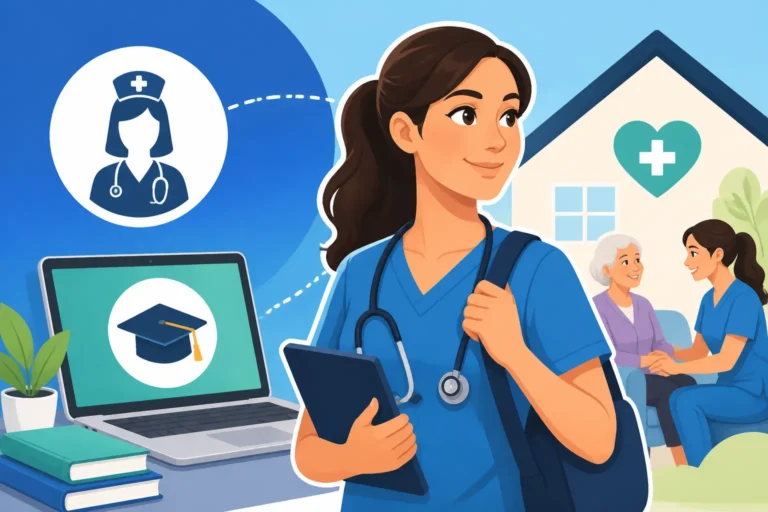
For those who already hold an ADN, or even a nursing diploma, pursuing an online RN to BSN program is a highly recommended next step. These programs are specifically designed for working nurses, offering flexibility and the opportunity to deepen your theoretical knowledge while continuing your clinical practice. You can learn more about the different pathways by exploring the topic of ADN vs BSN: Key Differences.
The Benefits of a BSN for Hospice Care
While an ADN gets your foot in the door, a BSN provides a more comprehensive education that is particularly beneficial for hospice nursing. BSN programs delve deeper into areas like community health, public health, leadership, research, and critical thinking, all of which are invaluable in hospice settings. For example, the focus on community health prepares you to understand the broader social determinants of health that often impact patients in their home environments. Leadership courses enhance your ability to coordinate care within an interdisciplinary team, and research helps you understand evidence-based practices in palliative care. Many hospice agencies and healthcare systems now prefer, or even require, their nurses to hold a BSN, recognizing the enhanced critical thinking and communication skills that often come with the advanced degree. The curriculum in a BSN program also often includes coursework that directly relates to the holistic care model central to hospice, such as ethics, cultural competence, and advanced assessment. Understanding What You Learn in an RN to BSN Program can help you see how these skills translate directly to effective hospice care.
A BSN often leads to greater opportunities for career advancement, such as leadership roles within a hospice agency or moving into a case management position. If you're currently an RN with an ADN, consider how quickly you can achieve this through options like Fastest Online RN to BSN Programs.
Gaining Experience and Certification
Once you've become a registered nurse, the next crucial steps involve building a strong foundation of clinical experience and pursuing specialized certification to demonstrate your expertise in hospice and palliative care.
Essential Clinical Experience
Directly entering hospice care as a new graduate nurse is rare. Most hospice agencies prefer nurses with at least one to two years of acute care experience, or experience in related fields such as oncology, critical care, medical-surgical nursing, or geriatrics. This foundational experience is vital because hospice patients often have complex medical needs, and you'll need a solid understanding of pathophysiology, medication management, and symptom assessment. For instance, working in a medical-surgical unit at a hospital like Cedars-Sinai in Los Angeles, or even a smaller community hospital, would expose you to a wide variety of conditions, medications, and patient populations, building your confidence in clinical decision-making. Experience in these settings helps you develop the rapid assessment skills, independent problem-solving abilities, and robust communication techniques that are essential when you’re often the sole clinician present in a patient’s home. It also prepares you to manage the unexpected, which is a common occurrence when providing care in uncontrolled environments. This period of gaining experience is also an excellent time to refine your communication skills and begin to understand the emotional toll of serious illness on patients and their families.
Achieving Hospice and Palliative Care Certification
After gaining sufficient experience, typically two years in a relevant nursing role, pursuing certification in hospice and palliative nursing is highly recommended and often expected by employers. The primary certification for RNs is the Certified Hospice and Palliative Nurse (CHPN) credential, offered by the Hospice and Palliative Credentialing Center (HPCC). This certification validates your specialized knowledge and expertise in end-of-life care. To be eligible for the CHPN exam, you generally need to hold an active, unrestricted RN license and have accumulated at least 500 hours of hospice and palliative nursing practice in the last 12 months, or 1,000 hours in the last 24 months.
Preparing for the CHPN exam requires dedicated study, much like preparing for the NCLEX. Many nurses find review courses, study guides, and practice questions to be incredibly helpful. Resources like Uworld, known for its comprehensive NCLEX preparation, also offer robust question banks and explanations for various nursing specialty exams, including the CHPN. Utilizing such platforms can significantly boost your confidence and readiness. Certification not only enhances your professional credibility but also demonstrates your commitment to the field, potentially leading to better job opportunities and even higher compensation. You can explore more about various certifications through resources like Nursing Certifications by Specialty.
The Daily Life and Rewards of a Hospice Nurse
Stepping into the world of hospice nursing is an emotional journey, filled with unique challenges and profound rewards. It’s a specialty that demands a lot from you but gives back in ways few other nursing roles can.
A Glimpse into a Hospice Nurse's Day
No two days are exactly alike for a hospice nurse, especially for those working in home care. Your day might start with reviewing patient charts, coordinating with the interdisciplinary team, and then hitting the road for scheduled home visits across various neighborhoods, from bustling city apartments in Chicago to quiet suburban homes in Phoenix. During a home visit, you'll perform comprehensive physical assessments, administer medications, manage symptoms (like pain, nausea, or shortness of breath), assess the patient's and family's emotional state, and provide crucial education. You might teach a family member how to properly administer medication, how to reposition their loved one to prevent pressure ulcers, or simply how to create a comforting environment.
You'll also be an invaluable source of emotional support, actively listening to fears, concerns, and memories. Between visits, you’re likely making phone calls to update physicians, confer with social workers about resource needs, or provide reassurance to anxious family members. For nurses working in inpatient hospice units, the environment is more structured, but the focus remains intensely on patient comfort and family support, often managing more acute symptom crises. Regardless of the setting, the work is person-centered and focuses on moments of connection and care that transcend typical medical interactions.
Navigating Grief and Preventing Burnout
Working consistently with individuals at the end of their lives inevitably means experiencing loss and grief. Hospice nurses develop incredibly strong bonds with their patients and families, and saying goodbye is never easy. It's vital for hospice nurses to develop healthy coping mechanisms and engage in self-care to prevent compassion fatigue and burnout. Many hospice agencies offer robust support systems, including regular debriefing sessions, peer support groups, and access to counseling services. For instance, a program might incorporate a monthly "Grief & Growth" session where nurses can share experiences in a safe, confidential space.
It’s important to acknowledge your own emotions, set boundaries, and engage in activities outside of work that replenish your spirit. This might involve hobbies, spending time with loved ones, exercise, or mindfulness practices. Recognizing that you cannot pour from an empty cup is not a weakness; it's a necessary professional skill in hospice care. Organizations like the Hospice and Palliative Nurses Association (HPNA) also offer resources and communities to support nurses in this challenging yet rewarding field.
The Profound Rewards of the Calling
Despite the emotional demands, hospice nursing is frequently cited as one of the most rewarding nursing specialties. The profound satisfaction comes from knowing you’ve made a tangible difference during one of the most critical times in a person's life. You help ensure comfort, preserve dignity, and facilitate peaceful transitions. You witness incredible strength, love, and resilience. Hospice nurses often speak of the privilege of being invited into such sacred moments, helping families create meaningful memories and find peace.
The connections you forge with patients and their families are often deeper and more personal than in other areas of nursing. When you help a patient achieve a comfortable last day, or support a family through their deepest grief, the gratitude is immense and genuine. This path is not for everyone, but for those called to it, hospice nursing offers a career filled with purpose, compassion, and a unique sense of fulfillment. It’s a career where you truly embody the art and science of nursing, leaving a lasting impact on lives. If you're pondering Is an RN to BSN Worth It for this path, consider the profound impact a well-rounded education can have on your ability to provide this specialized care.
Disclaimer
The information provided in this article is for general informational purposes only and does not constitute professional medical or educational advice. Always consult with a qualified healthcare professional or academic advisor for personalized guidance regarding your specific situation and career path. Educational program requirements and certifications can change, so it is essential to verify all information with official sources and institutions.