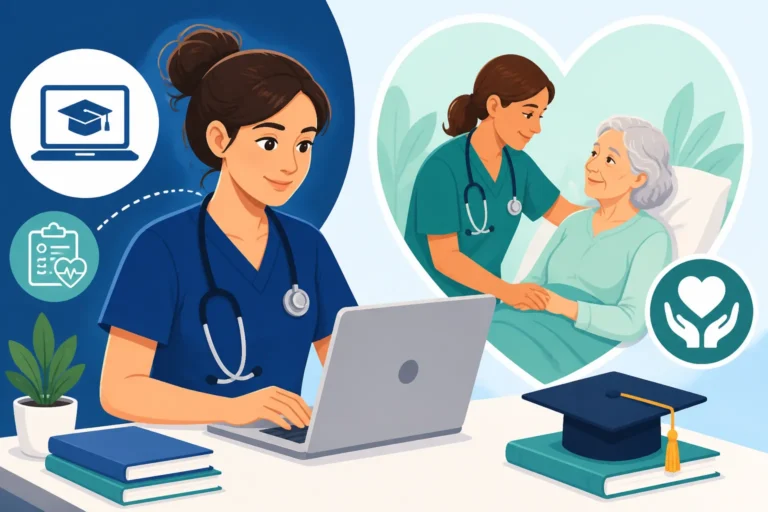
How to Become a Nurse Case Manager
It’s a tough truth that navigating the healthcare system can feel like an impossible maze for patients and their families. As a nurse, you’ve probably seen firsthand how overwhelming it is to deal with complex medical needs, insurance roadblocks, and the sheer volume of information. If you're a nurse who craves making a more direct, holistic impact by guiding patients through these challenges, then becoming a nurse case manager might be the deeply rewarding career shift you've been searching for. This comprehensive guide will walk you through everything you need to know about stepping into this vital role.
What Exactly Does a Nurse Case Manager Do?
Being a nurse case manager is so much more than just a job; it’s a calling to advocate, coordinate, and educate. You’re essentially the patient’s healthcare navigator, helping them chart a course through what can often feel like a stormy sea of medical appointments, treatments, and recovery plans. It’s a role that demands a unique blend of clinical knowledge, sharp organizational skills, and a heart full of empathy.
The Core Responsibilities and Daily Life
On any given day, a nurse case manager’s duties are incredibly varied and never boring. You might start your morning reviewing patient charts, looking at their diagnoses, treatment plans, and discharge needs. Then, you could be on the phone with an insurance company, fighting for coverage for a much-needed therapy session, or coordinating with a physical therapist, social worker, and physician to ensure a seamless transition of care.
A huge part of the role is patient advocacy. Imagine Mr. Johnson, an elderly patient being discharged after a stroke. He's confused about his new medications, worried about getting to his follow-up appointments, and doesn't know how he'll afford a ramp for his front door. This is where you, the nurse case manager, step in. You’d educate him and his family about his care plan, arrange transportation, connect them with community resources for home modifications, and ensure all his questions are answered before he leaves the hospital. It’s about looking at the patient not just as a diagnosis, but as a whole person with unique needs and circumstances. You’re often the bridge between clinical care and the realities of life outside the hospital walls.
Where Case Managers Work
One of the great things about case management is the diversity of settings where you can practice. It's not just a hospital gig! While hospitals and acute care facilities are common workplaces, where you primarily focus on discharge planning and preventing readmissions, there are many other avenues.
You'll also find nurse case managers thriving in insurance companies, where they work to optimize patient care while managing costs, ensuring patients receive appropriate and necessary treatments. Home health agencies rely heavily on case managers to coordinate care for patients receiving services in their own homes, which can be incredibly fulfilling. Long-term care facilities, rehabilitation centers, and even government agencies like the VA, employ case managers to oversee ongoing care for specific populations. Each setting brings its own set of challenges and rewards, but the core mission remains the same: empowering patients and ensuring they receive the right care, at the right time, in the right place. Understanding the nuances of Nursing Career Paths and Salaries can help you determine which environment might be the best fit for your long-term goals.
Educational Pathway to Becoming a Nurse Case Manager
The journey to becoming a nurse case manager typically begins with a solid foundation in nursing education and clinical experience. While the path can vary, there are some essential steps you'll need to take to ensure you're well-prepared for this demanding yet rewarding specialty.
Foundational Nursing Education
First things first: you need to be a Registered Nurse (RN). This means earning either an Associate Degree in Nursing (ADN) or a Bachelor of Science in Nursing (BSN). While an ADN will qualify you to sit for the NCLEX-RN exam and practice as an RN, most employers, particularly those in case management, strongly prefer candidates with a BSN. In fact, many organizations require a BSN or mandate that ADN-prepared nurses obtain their BSN within a certain timeframe after hiring.
The reason for this preference is clear: BSN programs provide a broader education, delving deeper into areas like community health, leadership, research, and critical thinking – all skills that are absolutely essential for a successful case manager. If you're currently an ADN-prepared nurse considering this path, pursuing an Online RN to BSN Programs: Complete Guide could be a smart next step. It's a fantastic way to enhance your foundational knowledge, expand your career opportunities, and demonstrate your commitment to advanced practice. You might even find that getting an RN to BSN Requirements Explained is more accessible than you initially thought.
Gaining Relevant Clinical Experience
Once you have your RN license, hands-on clinical experience is paramount. While there isn't one single "right" specialty for a future case manager, most roles require at least 1-2 years of direct patient care experience. This is crucial because case managers need a comprehensive understanding of various medical conditions, treatment protocols, and the practical challenges patients face.
Think about it: how can you effectively coordinate care for a patient recovering from a heart attack if you haven't worked on a cardiac unit and understand the typical recovery trajectory, potential complications, and discharge needs? Specialties like medical-surgical, emergency room, intensive care, pediatrics, or even home health nursing provide excellent grounding. These roles teach you how to assess complex situations, prioritize needs, communicate effectively with interdisciplinary teams, and navigate the practicalities of patient care – all skills that directly transfer to case management. If you’re a working nurse, remember that many programs offer flexibility for those balancing work and study, allowing for a manageable RN to BSN Completion Timeline.
Key Skills and Qualities for Success
Being a successful nurse case manager isn’t just about having the right degrees and certifications; it's deeply rooted in possessing a unique blend of personal qualities and professional skills. These traits allow you to effectively navigate the complexities of healthcare while truly advocating for your patients.
Communication and Advocacy
In case management, effective communication is your superpower. You're constantly talking to patients, their families, doctors, social workers, insurance representatives, and community resource providers. This isn't just about relaying information; it's about translating complex medical jargon into understandable terms, actively listening to patient concerns, and mediating discussions among various parties who might have different priorities. You need to be able to build trust quickly and foster collaborative relationships.
Beyond communication, you are the patient’s unwavering advocate. This often means challenging insurance denials, pushing for necessary services, or ensuring a patient's voice is heard when they feel overwhelmed or unheard by the system. For instance, if a patient is being discharged but clearly doesn't have a safe home environment, you're the one who steps up to ensure alternative arrangements are made, even if it means extra paperwork or navigating bureaucratic hurdles. It’s about truly championing their well-being, even when the path forward isn’t clear or easy. Learning how to develop these strong interpersonal skills is often highlighted in comprehensive programs like those discussed in What You Learn in an RN to BSN Program.
Critical Thinking and Problem-Solving
Every patient presents a unique puzzle, and as a nurse case manager, you're the master problem-solver. You’re not just following a care plan; you’re often helping to create and adapt it on the fly. This requires exceptional critical thinking skills – the ability to quickly assess a patient's medical, social, and financial situation, identify potential barriers to care, and formulate creative solutions.
Consider a patient with multiple chronic conditions who lives alone and needs several follow-up appointments with different specialists. Your role involves piecing together how these appointments can be coordinated to minimize travel burden, whether home health services are needed, and how their medications can be managed safely. You might have to think outside the box to connect them with a local volunteer transport service or a low-cost pharmacy program. This proactive, analytical approach ensures that care is not only appropriate but also realistic and sustainable for the individual. Without this keen ability to anticipate and mitigate issues, patients can easily fall through the cracks.
Organization and Resource Management
If you thrive on structure, juggling multiple tasks, and knowing where everything is, then the organizational aspect of case management will appeal to you. You’re managing caseloads that can often involve numerous patients, all at different stages of their care journey. Each patient has their own set of appointments, medications, financial considerations, and emotional needs. Keeping detailed records, adhering to deadlines for discharge planning, and meticulously coordinating services are all part of the daily grind.
Furthermore, a significant part of your job involves being a walking, talking resource guide. You need to have an in-depth knowledge of local community services, durable medical equipment providers, mental health resources, financial aid programs, and insurance benefits. Imagine a family struggling to find affordable elder care options for their loved one after a hospital stay. You, the nurse case manager, would be able to present them with a curated list of vetted resources, explain different funding avenues, and guide them through the application process. This ability to connect patients with the right support at the right time is absolutely invaluable and can dramatically improve their outcomes and quality of life.
Certification and Career Advancement
Once you’ve gained your nursing education and invaluable clinical experience, pursuing professional certification can significantly enhance your standing as a nurse case manager. It signals a high level of expertise and commitment to the specialty, opening doors to more advanced roles and greater recognition.
The Value of Certification
While not always a strict requirement for entry-level positions, earning a certification like the Certified Case Manager (CCM) or the Accredited Case Manager (ACM) is highly recommended and often preferred by employers. These credentials demonstrate that you possess a strong, specialized knowledge base in case management principles, ethical considerations, and best practices. It’s like a stamp of approval that says, "I'm not just a nurse doing case management; I am a specialist in case management."
To be eligible for the CCM, you typically need to hold an active RN license and have a certain number of years of experience in case management, usually around 1-2 years. The ACM also requires an active RN license and experience, but the specific pathways can vary depending on your education level and the type of case management experience you have. Both exams are challenging, covering areas from healthcare delivery systems and quality improvement to psychosocial aspects of care and legal issues. When it comes to preparing for these rigorous exams, many nurses find review courses incredibly helpful. Platforms like Uworld offer comprehensive study materials, practice questions, and rationales that can significantly boost your confidence and readiness for certification. Choosing the right certification can be a big decision, and exploring other Nursing Certifications by Specialty might also give you perspective on advanced professional recognition.
| Feature | Certified Case Manager (CCM) | Accredited Case Manager (ACM) |
|---|---|---|
| Administered By | Commission for Case Manager Certification (CCMC) | American Case Management Association (ACMA) |
| Focus | Broad, comprehensive scope of case management practice | Often emphasizes hospital/acute care case management |
| Eligibility | Active RN, typically 1-2 years direct case management experience, specific educational requirements. | Active RN, specific years of case management experience (varies by education). |
| Knowledge Areas | Healthcare delivery, legal/ethical issues, quality management, case management concepts, psychosocial aspects. | Clinical problem-solving, transitional care, resource utilization, compliance. |
| Recognition | Widely recognized across various practice settings | Strong recognition in hospital and managed care settings |
| Renewal | Every 5 years, requires continuing education and/or re-examination. | Every 3 years, requires continuing education. |
Continuing Education and Growth Opportunities
The healthcare landscape is constantly evolving, with new treatments, technologies, and policies emerging regularly. As a nurse case manager, continuous learning isn't just a suggestion; it's a necessity. Staying current with changes in health insurance regulations, community resources, and best practices for specific patient populations will ensure you remain an effective and valuable asset. This often involves attending workshops, webinars, professional conferences, and completing continuing education units (CEUs).
Beyond maintaining your current role, case management offers numerous avenues for career advancement. You could specialize in a particular area, such as pediatrics, oncology, workers' compensation, or geriatric care. Many case managers move into leadership roles, becoming supervisors, team leads, or even directors of case management departments. Some even transition into consulting or pursue advanced degrees like a Master of Science in Nursing (MSN) with a focus on leadership or administration, further expanding their influence and earning potential. Understanding how to Increase Your Nursing Salary often involves a combination of experience, specialization, and advanced education. This career path offers a blend of clinical practice and strategic oversight that can be deeply satisfying for nurses seeking a broader impact.
Disclaimer
The information provided in this guide is intended for general informational purposes only and does not constitute professional advice. Nursing education requirements, certification eligibility, and job market conditions can vary by location and are subject to change. Always consult with academic advisors, professional organizations, and official regulatory bodies for the most accurate and up-to-date information regarding your specific situation.