How to Become an ER Flight Nurse
So, you're dreaming of a career where the sky isn't just the limit, it's your workplace. Becoming an ER Flight Nurse isn't for the faint of heart; it's a calling for those who thrive in high-stakes, unpredictable environments, bringing critical care directly to patients in urgent need. This guide will walk you through the demanding yet incredibly rewarding path to joining the ranks of these airborne lifesavers.
Understanding the World of an ER Flight Nurse
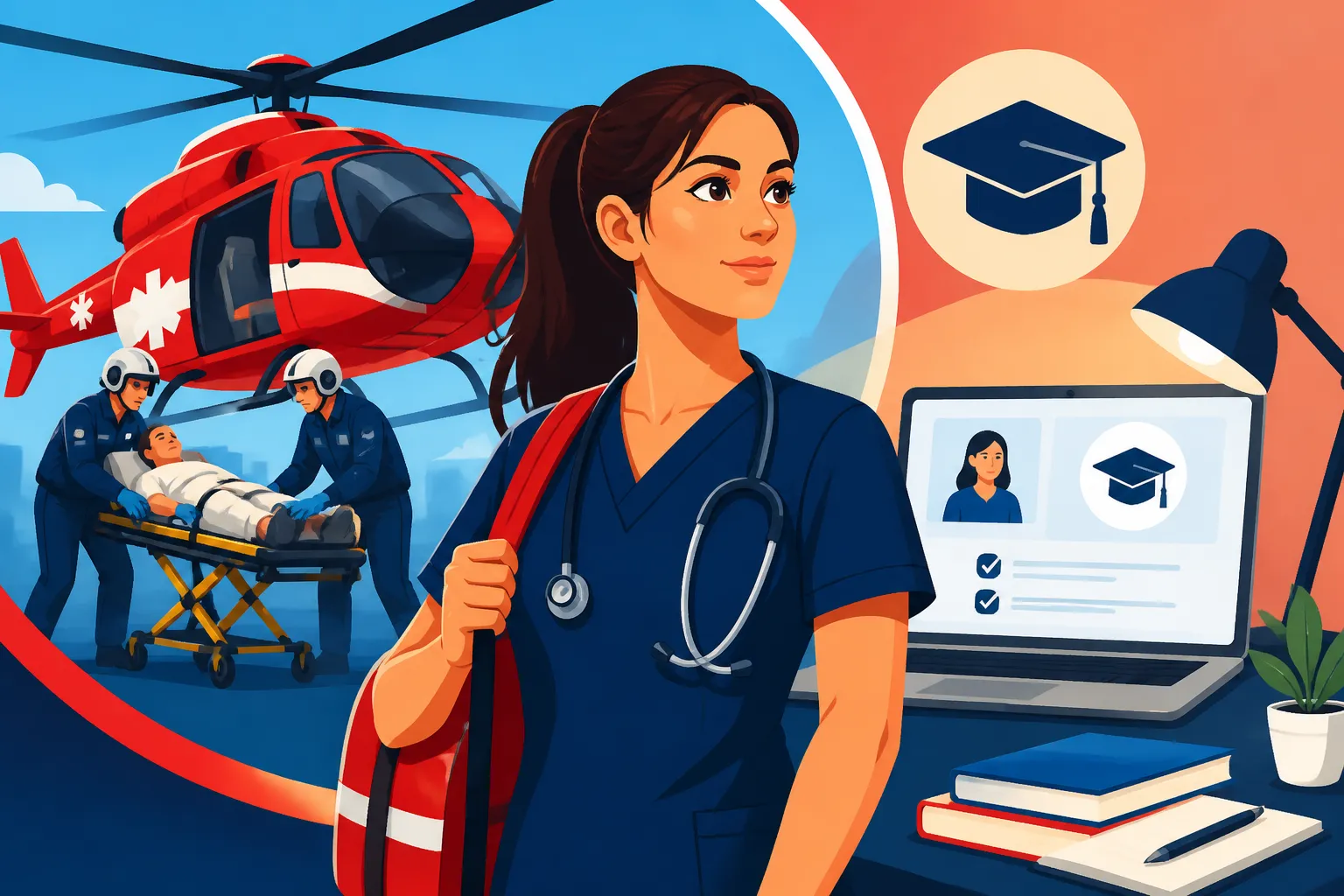
Let's be real, the image of a flight nurse often conjures up scenes from action movies – helicopters descending dramatically, nurses performing miracles mid-air. While there's a kernel of truth to the high-intensity nature, the reality is even more complex and requires an incredible depth of knowledge and skill. An ER flight nurse, often called a critical care transport nurse, specializes in providing advanced medical care during aeromedical transport, whether by helicopter or fixed-wing aircraft. They are essentially a mobile intensive care unit, bringing hospital-level care to accident scenes, remote locations, or transferring critically ill patients between facilities.
Think about it: you're no longer in a well-lit, resource-rich emergency room or ICU. You're in a confined space, often with significant noise and vibration, potentially in adverse weather conditions, with limited equipment and sometimes just one other medical team member. The patients you encounter can range from multi-system trauma victims to cardiac emergencies, pediatric critical care, or even high-risk obstetrical transports. Your assessment skills have to be razor-sharp, your interventions precise, and your ability to anticipate complications paramount. It's a role where independent judgment and quick thinking aren't just appreciated; they are absolutely vital to saving lives. You're the one stabilizing a patient after a devastating car accident on the side of a highway or managing a deteriorating cardiac patient during a transfer between hospitals. It's a heavy responsibility, but the adrenaline and the knowledge that you’re making a profound difference are often described as unparalleled.
The Foundational Education and Experience You'll Need
Becoming an ER flight nurse isn't a quick jump after graduating nursing school. It's a culmination of significant education and hands-on, high-acuity experience. You've got to build a rock-solid foundation first, and that means starting with the right nursing degree.
Prioritizing Your Nursing Degree
While some flight programs might consider ADN (Associate Degree in Nursing) nurses with extensive experience, the overwhelming preference and often a strict requirement for flight nursing is a Bachelor of Science in Nursing (BSN). This isn't just about checking a box; a BSN curriculum provides a broader education in leadership, research, community health, and critical thinking that is essential for the autonomy required in flight nursing. It’s about building a comprehensive understanding of patient care that goes beyond basic bedside skills. Many hospitals today are striving for Magnet Status, which often prioritizes a BSN-prepared nursing workforce. If you're currently an ADN-prepared nurse, pursuing an online RN to BSN program: complete guide is a crucial step. Programs like those offered by Capella or Western Governors University (WGU) can be incredibly flexible for working nurses, allowing you to advance your education without sacrificing your current job. Think of it as laying the strongest possible groundwork for a career where every decision carries immense weight.
Gaining Indispensable Critical Care Experience
Here's where the rubber meets the road. You absolutely cannot skip this step. Flight programs typically require a minimum of 3-5 years of full-time, hands-on experience in a high-volume, high-acuity critical care environment. This almost always means working in an adult or pediatric Emergency Department (ED) or an Intensive Care Unit (ICU). Some programs might also value experience in a Cardiac Catheterization Lab or a Trauma ICU. This isn't just about clocking hours; it’s about mastering skills.
In the ED, you learn rapid assessment, stabilization of diverse patient populations, and managing multiple critical patients simultaneously. You become adept at anticipating what's next and responding quickly to sudden changes. In the ICU, you gain profound expertise in managing ventilators, titrating complex vasoactive medications, interpreting advanced hemodynamic monitoring, and caring for patients with multi-organ failure. These are the skills you will rely on heavily when you're 5,000 feet in the air with limited resources. It's in these challenging environments that you develop the critical thinking, decision-making under pressure, and independent practice that are non-negotiable for flight nursing. The ability to perform advanced interventions, anticipate complications, and manage complex equipment becomes second nature, all of which will serve you incredibly well when your patient is strapped into a stretcher in a helicopter. This is also where you truly learn how to become an Emergency Nurse Step by Step.
Advanced Certifications and Specialized Training: The Non-Negotiables
Beyond your degree and critical care experience, a suite of advanced certifications is not just recommended, it's mandatory. These certifications validate your expertise and readiness to handle the complex and often life-threatening scenarios you'll face.
Core Life Support Certifications
Before you even think about specialized flight certifications, you'll need a solid base of general critical care certifications. These are universal requirements for any high-acuity nursing role, and certainly for flight nursing:
- Basic Life Support (BLS): This is your entry-level certification, ensuring you can perform CPR and manage basic airway interventions.
- Advanced Cardiovascular Life Support (ACLS): Absolutely essential for managing adult cardiac emergencies, including advanced airway techniques, rhythm interpretation, and pharmacologic interventions.
- Pediatric Advanced Life Support (PALS): Crucial for flight nurses, as you'll often transport critically ill or injured children. This covers pediatric resuscitation, medication dosages, and airway management specific to younger patients.
- Trauma Nursing Core Course (TNCC): Given the high likelihood of encountering trauma patients, TNCC is almost universally required. It provides a standardized approach to the initial assessment and management of trauma victims.
- Neonatal Resuscitation Program (NRP): If your program transports neonates, NRP is essential. It trains you in resuscitation techniques for newborns.
These certifications, which fall under nursing certifications by specialty, are more than just pieces of paper; they are regularly refreshed courses that keep your skills sharp and current, ensuring you're ready for any emergency. When preparing for these, resources like Uworld can be incredibly helpful for review and practice questions, helping you solidify your understanding of complex physiological concepts and emergency protocols.
Flight Nurse Specific Certifications
Once you have your critical care experience and core certifications, the Certified Flight Registered Nurse (CFRN) is the gold standard for flight nurses. This certification, offered by the Board of Certification for Emergency Nursing (BCEN), specifically tests your knowledge and skills related to aeromedical transport. It covers everything from safety in the air medical environment to advanced airway management, mechanical ventilation, trauma, cardiac care, obstetrics, pediatrics, and environmental emergencies encountered during transport.
Beyond the CFRN, many flight programs will also require or highly recommend additional specialized training. This might include:
- Advanced Trauma Life Support (ATLS) for Nurses: While ATLS is primarily for physicians, some nurses take an equivalent course or participate in ATLS protocols.
- Advanced Medical Life Support (AMLS): Focuses on assessment and management of common adult medical emergencies, not related to trauma.
- Specialized equipment training: You'll learn to operate flight-specific equipment, such as advanced ventilators designed for transport, IV pumps that compensate for altitude changes, and patient monitoring systems that are rugged enough for the flight environment.
The path to these certifications requires dedication, rigorous study, and a commitment to continuous learning. It's not just about passing an exam; it's about deeply embedding this knowledge into your practice.
Beyond Certs: Essential Qualities and the Application Journey
Having the right education and certifications is non-negotiable, but to truly excel as an ER flight nurse, you need a specific blend of personal attributes and a strategic approach to the application process. It’s a specialized field, and employers are looking for more than just a resume that ticks all the boxes.
Essential Qualities for an ER Flight Nurse
Being a flight nurse demands a unique set of non-clinical skills and personal characteristics that go hand-in-hand with your medical expertise.
- Physical and Mental Stamina: This role is physically demanding. You’ll be lifting heavy equipment, moving patients in challenging environments (think uneven terrain at an accident scene), and working long shifts, often in cramped aircraft. The mental demands are equally intense. You need resilience to cope with highly stressful situations, critical patient outcomes, and the emotional toll of dealing with severe trauma. You're working in a confined space, sometimes at high altitudes, and quick decisions are constant. There’s no calling for backup when you’re airborne.
- Exceptional Communication and Teamwork: You're part of a small team – often just you, a paramedic, and the pilot. Clear, concise, and effective communication is paramount, especially in a noisy aircraft where non-verbal cues and shorthand are often necessary. You need to be able to relay critical patient information quickly to medical control, coordinate with ground crews, and work seamlessly with your flight partner. Miscommunication can have disastrous consequences.
- Unwavering Problem-Solving and Adaptability: Every patient encounter as a flight nurse is a unique challenge. You have limited resources, you're not in a hospital with endless supplies, and the environment is constantly changing. You must be able to think on your feet, improvise solutions when needed, and adapt quickly to unexpected situations, whether it's a sudden change in patient status or an unforeseen weather event. This is where your deep critical care experience truly shines, enabling you to anticipate potential issues before they become crises.
- Autonomy and Accountability: Flight nurses operate with a high degree of independence. While you follow protocols and maintain contact with medical control, you are often the primary critical care provider on scene and in the air. This requires immense confidence in your skills, a strong ethical compass, and the ability to take full accountability for your actions and decisions.
Navigating the Application and Hiring Process
When you've built your foundational experience and stacked up those certifications, the next step is finding a flight program that's the right fit for you.
- Finding Opportunities: Air medical services are typically operated by large national companies like Air Methods, PHI Air Medical, or Apollo MedFlight, or by hospital systems with their own flight divisions, such as University of Utah Health's AirMed or Mayo Clinic Medical Transport. Keep an eye on their career pages, as these specialized positions aren't always widely advertised. Networking with current flight nurses or paramedics can also provide valuable leads and insights into specific program cultures.
- Crafting Your Application: Your resume needs to highlight your extensive critical care experience, all your relevant certifications, and any leadership roles or special projects you've undertaken. Emphasize how your skills translate to the high-pressure, autonomous environment of flight nursing. In your cover letter, express your passion for aeromedical transport and your understanding of its unique demands. Be prepared for a rigorous interview process. These often include scenario-based questions ("What would you do if…"), technical knowledge assessments, and discussions about your stress management techniques and teamwork philosophy. They want to see how you think under pressure and how you'd fit into a tight-knit crew.
- Extensive Onboarding and Orientation: Even after you're hired, the training doesn't stop. Most flight programs have an intensive orientation period, often lasting several months. This includes ground school, where you learn about aviation safety, aircraft systems, and survival techniques. You'll also spend considerable time familiarizing yourself with the specific aircraft, medical equipment, and protocols used by that particular service. Finally, you’ll undergo supervised flight training, gradually taking on more responsibility under the watchful eye of experienced flight preceptors. This comprehensive training ensures you're not just medically competent, but also fully prepared for the unique operational aspects of working as part of an air medical team.
The Rewards and Realities: Salary, Outlook, and Why It's Worth It
So, you've put in the years, earned the degrees, aced the certifications, and you're ready to take to the skies. But is it all worth the monumental effort? For many, absolutely. The career of an ER flight nurse offers a unique blend of professional challenge, personal growth, and often, a competitive salary.
Unparalleled Job Satisfaction
Ask any flight nurse, and they'll tell you about the immense satisfaction that comes with the job. You're often the first advanced medical provider on the scene of a devastating accident, or the one making a critical difference during an inter-facility transfer where every second counts. The sense of purpose is profound, knowing you're providing life-saving care in the most challenging situations. You're truly an expert in your field, trusted to make independent decisions that directly impact patient outcomes. The camaraderie with your flight crew – pilot and paramedic – is also incredibly strong. You rely on each other implicitly, forming a bond that’s forged in high-stress, high-reward situations. While it’s certainly not for everyone, for those drawn to its intensity, it offers a level of professional fulfillment that can be hard to find in more traditional nursing roles. It's a testament to the direct impact you have on someone's life, often on their worst day.
Salary Expectations and Career Outlook
Let's talk numbers, because the effort put into this specialization often translates to a higher earning potential. The salary for an ER flight nurse can vary significantly based on location, years of experience, the type of air medical service (hospital-based vs. private), and certifications held. Generally, flight nurses earn a higher salary than a traditional bedside registered nurse due to the advanced skills, increased responsibility, and demanding nature of the job.
According to various sources, an ER flight nurse can expect to earn anywhere from $70,000 to over $100,000 annually, with experienced nurses in high-demand regions potentially exceeding that range. For instance, a flight nurse in California or New York, where the cost of living and demand for specialized nurses are higher, might see a significantly larger paycheck than one in a less populous state. This aligns with the overall trend for highest-paying nursing specialties. When you compare it to the general average for RNs, there's a clear financial incentive. This compensation reflects not just the danger pay, but the immense expertise and critical decision-making required.
The job outlook for flight nurses, while a niche field, remains strong. As healthcare systems continue to centralize specialized care and the demand for rapid, critical transport grows, so does the need for highly skilled aeromedical professionals. It’s also a career path that can lead to other opportunities within the air medical industry, such as becoming a base manager, a clinical educator for new flight nurses, or even moving into administrative roles overseeing transport operations. This specialized experience is also highly valued if you ever decide to transition to other high-acuity roles, offering a wide range of nursing career paths and salaries.
Comparing Critical Care Transport Certifications
To help you visualize the path of required certifications, here's a table outlining some key ones you'll definitely need or want to consider.
| Certification | Focus Area | Target Audience | Key Skills Validated | Renewal Cycle |
|---|---|---|---|---|
| BLS | Basic life support (CPR, choking relief) | All healthcare providers | Chest compressions, airway management | 2 years |
| ACLS | Adult cardiac emergencies | Nurses, doctors, paramedics | Advanced rhythm interpretation, pharmacology, defibrillation | 2 years |
| PALS | Pediatric emergencies | Nurses, doctors, paramedics | Pediatric resuscitation, medication administration, airway management | 2 years |
| TNCC | Trauma patient assessment and management | Emergency & trauma nurses | Systematic trauma assessment, injury identification, intervention priorities | 4 years |
| NRP | Neonatal resuscitation | Professionals caring for newborns | Resuscitation techniques for distressed neonates | 2 years |
| CFRN | Critical care transport (air/ground) | Flight & critical care transport nurses | Aeromedical physiology, advanced critical care management, safety | 4 years |
Becoming an ER flight nurse is undeniably challenging, requiring extensive preparation and a rare blend of clinical prowess and personal fortitude. But for those called to it, it is a deeply meaningful and rewarding career that pushes the boundaries of nursing practice, literally taking critical care to new heights.
Disclaimer
Please remember that the information provided in this guide is for informational purposes only and should not be considered professional medical or educational advice. Requirements for nursing degrees, certifications, and job roles can vary by institution, state, and employer. Always verify specific requirements with your chosen educational programs and potential employers.