How to Become an OR Nurse
The operating room is a high-stakes, fast-paced environment where every second counts, and for many nurses, stepping into that world can feel daunting yet incredibly exhilarating. If you're drawn to precision, teamwork, and making an immediate, tangible impact on patients' lives during critical moments, becoming an Operating Room (OR) nurse might just be your true calling. This comprehensive guide will walk you through the entire journey, from foundational education to specialized certifications, and what you can truly expect from this crucial and rewarding nursing role.
Understanding the Dynamic Role of an OR Nurse
Being an Operating Room (OR) nurse, sometimes referred to as a Perioperative nurse, is about far more than just "assisting in surgery." It's a highly specialized and vital role that encompasses patient care before, during, and after surgical procedures. You are the patient's advocate, the surgeon's right hand, and a meticulous guardian of sterile technique, all rolled into one. It’s a job that demands sharp critical thinking, a keen eye for detail, and the ability to thrive under pressure.
The Phases of Perioperative Care
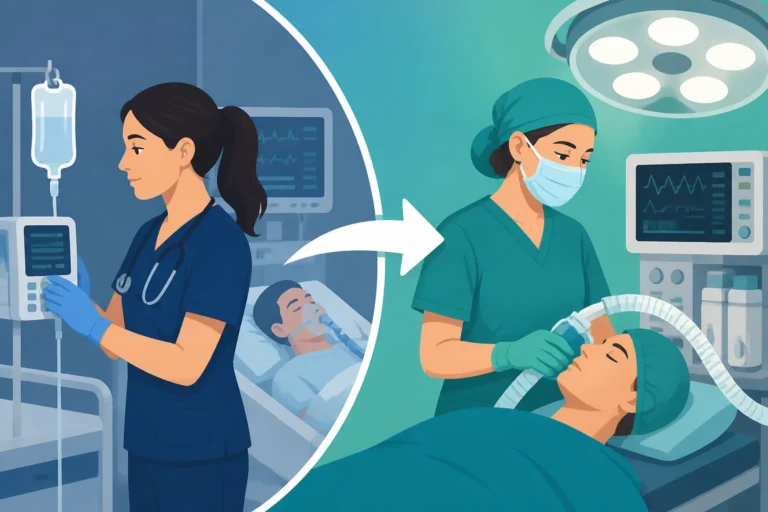
OR nursing isn't just one job; it’s a spectrum of care that supports the patient through their entire surgical journey. This care is typically broken down into three main phases, and an OR nurse might specialize in one or move between them depending on the facility and their experience.
Preoperative Phase: Preparing for Surgery
Before a patient even enters the operating room itself, the preoperative phase is crucial. As a nurse in this phase, your responsibilities might include conducting thorough patient assessments, which go beyond just vital signs. You'll be reviewing medical history, current medications, allergies, and ensuring all necessary labs and imaging are complete and readily available for the surgical team. This is also where you'll spend significant time educating the patient and their family about the procedure, what to expect, and answering their questions to help alleviate anxiety. Imagine explaining a complex heart valve replacement to a nervous spouse – your communication skills are paramount here. You're also ensuring all consent forms are signed and understood, and that the patient is correctly identified for the specific procedure they are undergoing, a process that absolutely cannot have any errors.
Intraoperative Phase: During the Procedure
This is often what people visualize when they think of an OR nurse. Within the sterile environment of the operating room, you typically perform one of two key roles: the circulating nurse or the scrub nurse. The circulating nurse is a registered nurse who manages the overall nursing care in the OR, but outside the sterile field. They are the eyes and ears of the room, ensuring patient safety, monitoring the surgical environment, retrieving equipment, documenting care, and communicating with other departments like pathology or blood bank. They are also the patient's primary advocate during surgery, ensuring their comfort, safety, and privacy.
The scrub nurse, on the other hand, works directly within the sterile field alongside the surgeons. They hand instruments and supplies to the surgeon, anticipate needs, and maintain a meticulous count of sponges, needles, and instruments to prevent retained surgical items. This role requires an intimate knowledge of surgical procedures and instrumentation. Both roles demand intense focus, exceptional teamwork, and an unwavering commitment to sterile technique to prevent infection and ensure successful outcomes. For a deeper dive into the essential functions, consider learning more about specific roles like a Operating Room Nurse: Role, Salary, and How to Start.
Postoperative Phase: Recovery and Monitoring
Once the surgery is complete, the patient moves into the postoperative phase, often in the Post-Anesthesia Care Unit (PACU), also known as recovery. Here, the focus shifts to vigilant monitoring for complications like bleeding, pain, nausea, and respiratory depression as the patient wakes up from anesthesia. You'll be assessing vital signs frequently, managing pain, administering medications, and providing comfort and emotional support. This phase requires quick assessment skills and the ability to intervene rapidly if a patient's condition changes. You’re essentially bringing them back to baseline safely, ensuring they are stable enough for transfer to another unit or discharge.
The Educational Journey to Becoming an Operating Room Nurse
Embarking on a career as an OR nurse begins with a solid foundation in general nursing. Like any registered nurse, you’ll need to complete a nursing program and pass the national licensure exam. However, the path to specialization in the OR often involves specific educational and training steps.
Becoming a Registered Nurse
The first and most critical step is becoming a licensed Registered Nurse (RN). This typically involves earning either an Associate Degree in Nursing (ADN) or a Bachelor of Science in Nursing (BSN). While both degrees prepare you to sit for the NCLEX-RN exam and become an RN, there's a growing preference for BSN-prepared nurses, especially in specialty areas like the OR. Many hospitals, particularly those with Magnet Recognition, often require or strongly prefer a BSN. This is because BSN programs include more extensive coursework in leadership, research, public health, and critical thinking, which are all highly valuable in the complex OR environment. If you're currently an ADN-prepared nurse, pursuing an Online RN to BSN Programs: Complete Guide can significantly broaden your career prospects and open doors to specialized units.
After completing your approved nursing program, the next crucial step is passing the NCLEX-RN examination. This comprehensive exam ensures you have the foundational knowledge and critical thinking skills required for safe and effective nursing practice. Many aspiring nurses find resources like Uworld invaluable for their comprehensive question banks and detailed rationales, which can be a game-changer for effective test preparation. A strong performance on the NCLEX is your ticket to licensure.
Why a BSN is Often Preferred for the OR
While an ADN gets your foot in the door as an RN, a BSN often gives you a significant advantage, especially in competitive specialty areas like the operating room. Hospitals and surgical centers recognize that BSN-prepared nurses tend to have a broader understanding of evidence-based practice, patient safety initiatives, and interdisciplinary collaboration. In the OR, where teamwork and quick, informed decisions are paramount, this extended education can make a real difference. A BSN also often includes more coursework on complex health conditions, advanced pharmacology, and ethical decision-making, all directly applicable to the demanding OR environment. When you're considering your options, it's worth exploring Is an RN to BSN Worth It for career advancement.
Furthermore, a BSN can impact your long-term career trajectory. Many advanced roles, such as charge nurse, nurse manager, or even pursuing a Master of Science in Nursing (MSN), often require a BSN as a prerequisite. This means that starting with or completing your BSN can set you up for greater professional growth and higher earning potential throughout your nursing career.
Gaining Experience and Specializing in OR Nursing
Once you’re a licensed RN, the real journey to becoming a specialized OR nurse begins. Unlike some other specialties, many OR roles prefer, or even require, specific training beyond general nursing experience.
OR Nurse Residency Programs for New Grads
Stepping into the operating room directly out of nursing school can be a significant leap. This is why many hospitals offer specialized OR nurse residency or training programs for new graduates. These programs are designed to provide a structured, intensive orientation to the perioperative environment. They typically combine classroom learning with extensive precepted clinical experience, allowing you to gradually build confidence and competence under the watchful eye of experienced OR nurses.
During an OR residency, you'll learn the intricacies of sterile technique, surgical instruments, different surgical procedures, patient positioning, and the roles of the scrub and circulating nurse. You'll rotate through various surgical specialties, from general surgery to orthopedics, neurosurgery, and cardiovascular surgery. These programs are invaluable because they bridge the gap between academic knowledge and the practical demands of the OR, providing a safe and supportive environment to develop the highly specialized skills needed. For new grads weighing their options, understanding the Best Nursing Specialties for New Grads can help them choose wisely.
Building Expertise Through Clinical Experience
Even without a formal residency, gaining general medical-surgical experience for a year or two can be beneficial before transitioning to the OR. This foundational experience hones your assessment skills, medication administration, and general patient care, which are transferable. However, the most direct route to expertise in the OR is, quite simply, time in the OR. Working alongside seasoned perioperative nurses, observing countless procedures, and actively participating in the care of surgical patients is how you truly master the role.
This hands-on experience allows you to develop the nuanced skills required: anticipating the surgeon's next move, identifying subtle changes in a patient's condition under anesthesia, and maintaining composure during high-stress situations. It’s also where you learn the specific protocols and preferences of your surgical team and institution. Over time, you'll become proficient in various specialties and comfortable handling a wide range of surgical scenarios.
Achieving Certification: The CNOR Credential
Once you've accumulated significant experience in perioperative nursing, typically at least two years and 2,400 hours of experience in surgical nursing, you become eligible to pursue specialized certification. The gold standard for OR nurses is the Certified Nurse Operating Room (CNOR) credential, offered by the Competency and Credentialing Institute (CCI). Achieving CNOR certification demonstrates a commitment to excellence and a comprehensive understanding of perioperative nursing practices.
The CNOR exam covers a broad range of topics, including patient safety, surgical procedures, sterile technique, professional accountability, and perioperative management. Preparing for this exam requires dedicated study and a solid grasp of advanced perioperative concepts. Just as with NCLEX prep, robust study resources are key. Preparation tools, similar to those you might have used for the NCLEX, such as Uworld, can be incredibly helpful in reviewing complex topics and practicing with exam-style questions to ensure you're fully prepared. This certification not only validates your expertise but also often leads to increased professional recognition, career advancement opportunities, and potentially higher earning potential. For more on the process, check out How to Get a Nursing Certification.
Life as an OR Nurse: Day-to-Day and Career Outlook
Life as an OR nurse is rarely dull. It’s a career characterized by precision, teamwork, and continuous learning. Understanding the daily rhythm and career prospects can help you decide if this path is right for you.
A Typical Day in the Operating Room
A day in the life of an OR nurse is highly structured yet constantly adaptable. Your shift might start with preparing the operating room for the day's first case, ensuring all necessary equipment, instruments, and supplies are sterilized and readily available. You'll then greet your patient in the preoperative area, confirming their identity, the surgical site, and addressing any last-minute concerns. Once in the OR, whether you’re circulating or scrubbing, your focus is entirely on the patient and the procedure at hand, often for several hours. Between cases, there’s a quick turnaround to clean and set up for the next surgery, often under tight time constraints.
The pace can range from routine, elective procedures to emergency surgeries that demand immediate action and intense concentration. You’ll work closely with surgeons, anesthesiologists, surgical technologists, and other OR staff, making teamwork and effective communication absolutely essential. Each day brings new challenges and learning opportunities, requiring you to stay sharp and continuously update your knowledge.
Career Outlook and Salary Expectations
The demand for registered nurses, including specialized OR nurses, remains strong across the United States. As the population ages and medical technology advances, the number of surgical procedures performed continues to grow, ensuring a consistent need for skilled perioperative professionals. This positive job outlook translates into good job security and diverse opportunities, from large academic medical centers to outpatient surgical centers and even travel nursing roles. Exploring the broader Nursing Job Outlook and Demand can provide more context on the stability of this career.
Salary for OR nurses can vary widely based on factors such as geographic location, years of experience, level of education (BSN-prepared nurses often earn more than ADN-prepared nurses, as highlighted in How Much More BSN Nurses Earn), and specific certifications like CNOR. For example, a new grad OR nurse in a major metropolitan area like Los Angeles might start in the mid-$80,000s, while an experienced CNOR-certified nurse in New York City could earn upwards of $110,000 to $130,000 annually. Generally, OR nurses can expect competitive salaries, often higher than general medical-surgical nurses due to the specialized nature and demands of the role. For a comprehensive overview of earnings, refer to guides like Nursing Degrees and Salaries Explained or How Much Do Nurses Make.
Advancing Your Career in Perioperative Nursing
Becoming an OR nurse is just the beginning. With experience and further education, numerous avenues for career advancement open up. You might pursue roles as a charge nurse in the OR, overseeing daily operations and guiding junior staff. Education is another path, becoming a clinical educator who trains new OR nurses or develops educational programs for existing staff. Leadership positions such as nurse manager or director of surgical services are also within reach for experienced, BSN or MSN-prepared perioperative nurses.
Some OR nurses transition into more niche roles like surgical first assistant, which involves even more direct participation in the surgical procedure, often requiring additional certification or education. Others might move into sterile processing management, ensuring the safety and efficiency of instrument sterilization, or even medical device sales or education for surgical companies, leveraging their deep understanding of surgical products and procedures. The specialized knowledge gained in the OR provides a robust foundation for many diverse and impactful career paths within healthcare.
Table: Key Roles in Intraoperative Nursing
| Role | Primary Responsibility | Sterile Field Involvement | Key Focus Areas | Required Credentials |
|---|---|---|---|---|
| Circulating Nurse | Manages overall nursing care in the OR; patient advocate. | Outside | Patient safety, environmental control, documentation, communication, supply management | RN (BSN often preferred) |
| Scrub Nurse | Maintains sterile field; hands instruments and supplies to surgeon. | Inside | Aseptic technique, instrument count, anticipating surgeon needs, surgical assist | RN or Certified Surgical Technologist (CST) |
Disclaimer
The information provided in this guide is intended for general informational purposes only and does not constitute professional medical or educational advice. Nursing program requirements, certifications, and career opportunities can vary significantly by institution, state, and individual qualifications. Always verify information directly with accredited nursing programs, licensing boards, and potential employers.