How to Become an Oncology Nurse
Stepping into the world of oncology nursing is a profound decision, one that often comes from a deep desire to make a tangible difference in the lives of patients facing cancer. It's a path filled with immense challenges and even greater rewards, demanding not just clinical expertise but also incredible emotional resilience and compassion. This guide is here to walk you through the journey, from your foundational education to the specialized skills and certifications you'll need, helping you understand what it truly takes to thrive in this vital role.
What Exactly Does an Oncology Nurse Do?
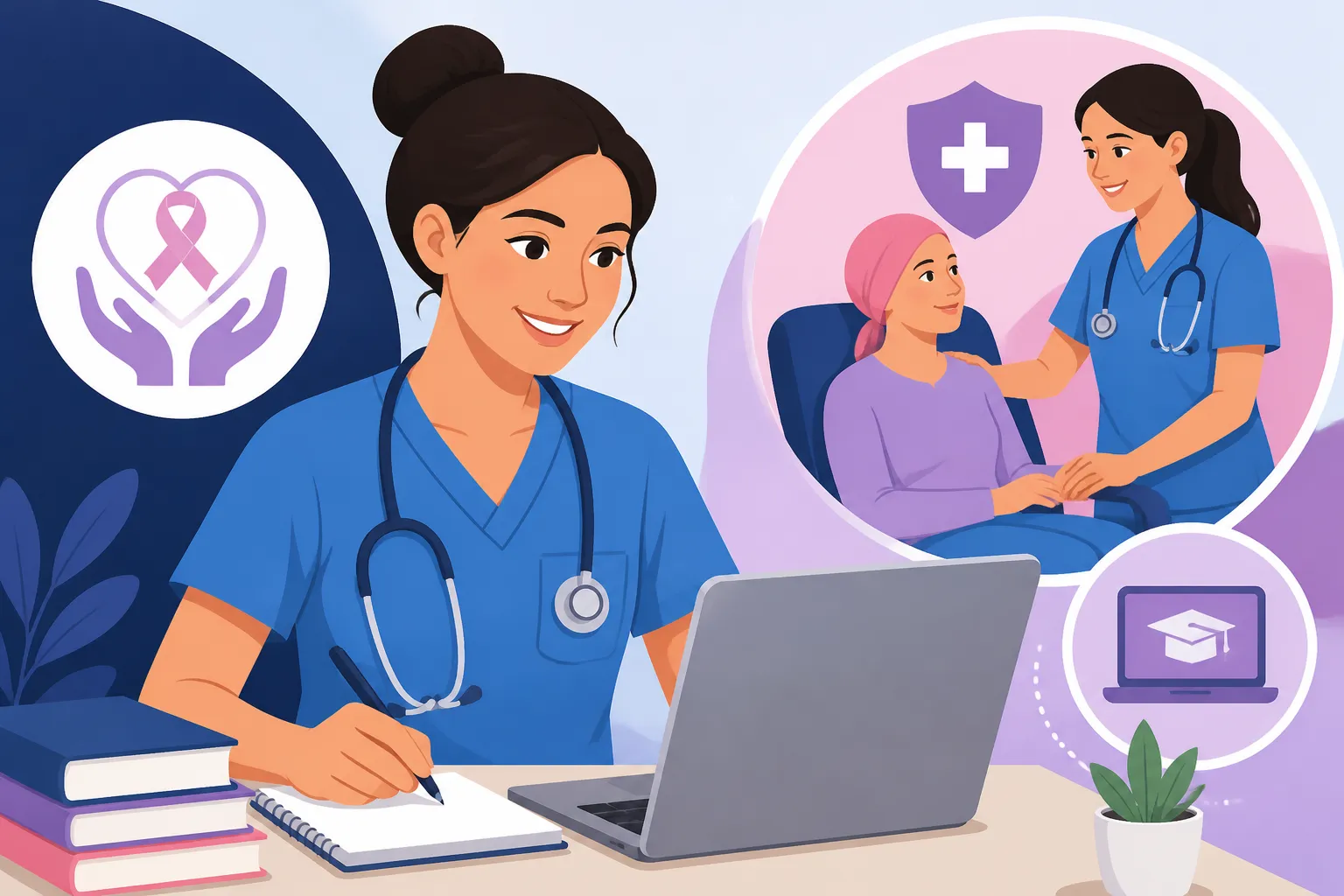
Being an oncology nurse is far more than just administering chemotherapy; it's about being a constant source of support, education, and expert care for individuals and their families navigating one of life's toughest battles. You become a crucial navigator, helping patients understand complex treatments, manage distressing symptoms, and maintain their dignity throughout their cancer journey. It's a role that truly embodies the holistic nature of nursing, caring for the mind, body, and spirit.
Daily Responsibilities and Patient Care
On a typical day, an oncology nurse might find themselves juggling a variety of tasks, each requiring precision, empathy, and strong critical thinking skills. You could be administering intravenous chemotherapy or other cancer-fighting drugs, which demands meticulous attention to dosage, patient safety, and managing potential side effects. These aren't just medications; they're often potent treatments that require careful monitoring and immediate intervention if a reaction occurs.
Beyond direct drug administration, a significant part of the role involves comprehensive symptom management. Cancer and its treatments can bring a host of debilitating symptoms – nausea, pain, fatigue, neuropathy, skin issues, and nutritional challenges, just to name a few. Your expertise will be crucial in assessing these symptoms, implementing interventions, and educating patients on how to manage them at home to improve their quality of life. This often involves collaborating closely with physicians, pharmacists, and other specialists. For instance, you might spend time teaching a patient about antiemetic regimens before their next infusion or demonstrating proper wound care for a surgical site. Patient education is ongoing and vital, covering everything from understanding their diagnosis and treatment plan to recognizing signs of complications and when to call for help.
Working Environment and Team Collaboration
Oncology nurses work in diverse settings, each presenting its own unique rhythm and patient population. You might find yourself in an outpatient infusion center, where patients come for scheduled treatments, sometimes daily, sometimes weekly. Here, you build strong, often long-term relationships with patients as you see them regularly over months or even years. The pace can be steady, focused on infusions, assessments, and patient education.
In a hospital inpatient unit, the environment shifts. You'll care for patients who are acutely ill, perhaps admitted for new diagnoses, complications from treatment, or end-of-life care. This setting often involves more intensive monitoring, managing complex symptom crises, and providing emotional support during highly vulnerable times. You might also find yourself in a radiation oncology clinic, where your role focuses on educating patients about their radiation therapy, managing skin reactions, and addressing general well-being. Beyond these, there are specialized units like bone marrow transplant units, which require highly specialized training due to the intensity of treatments and the fragile state of these patients.
Regardless of the setting, oncology nursing is inherently collaborative. You are a key member of an interdisciplinary team that typically includes oncologists, radiation therapists, palliative care specialists, social workers, dietitians, pharmacists, and patient navigators. Effective communication and teamwork are paramount to providing comprehensive, coordinated care.
The Emotional and Psychological Impact
Let’s be real: this job is tough on the heart. Oncology nurses witness immense suffering, fear, hope, and loss on a daily basis. You'll form deep connections with patients and their families, often walking alongside them through their darkest days and celebrating their triumphs. This profound involvement, while incredibly rewarding, also carries a significant emotional and psychological toll.
It's not uncommon to experience compassion fatigue, secondary trauma, or burnout in this field. You'll have days where you feel overwhelmed by the stories you hear, the pain you see, and the losses you inevitably face. That's why building resilience and having robust self-care strategies are not just buzzwords; they are absolute necessities for longevity in oncology nursing. Many nurses find solace and support in their colleagues, in professional debriefing, or through personal practices like mindfulness, exercise, or therapy. Acknowledging these challenges upfront helps prepare you for the emotional landscape of this vital career.
Educational Pathway to Becoming an Oncology Nurse
Becoming an oncology nurse involves a structured educational and experiential journey, building from a solid nursing foundation to specialized knowledge and skills. It’s not a quick path, but each step is essential in preparing you for the unique demands of this field.
Foundational Nursing Education ADN or BSN
The first crucial step is to become a Registered Nurse (RN). This typically involves earning either an Associate Degree in Nursing (ADN) or a Bachelor of Science in Nursing (BSN). While an ADN will qualify you to sit for the NCLEX-RN and become a licensed RN, many healthcare facilities, especially those specializing in oncology, increasingly prefer or even require nurses to hold a BSN. A BSN program provides a more comprehensive education, including coursework in public health, leadership, research, and critical thinking, which are invaluable in complex care settings like oncology.
If you currently have an ADN, pursuing an online RN to BSN program is a fantastic way to advance your education while often continuing to work. There are many options available, and understanding the Online RN to BSN Programs: Complete Guide can help you navigate the choices. These programs are designed for working nurses and can be completed at a pace that fits your life. Likewise, for those with a bachelor's degree in a non-nursing field, Accelerated BSN Programs Explained offer a fast-track route to becoming an RN. Regardless of your initial path, completing a BSN strengthens your clinical knowledge, enhances your career prospects, and often leads to higher earning potential. It’s worth exploring Is an RN to BSN Worth It if you’re on the fence about continuing your education.
After completing your nursing degree, you must pass the National Council Licensure Examination for Registered Nurses (NCLEX-RN) to obtain your RN license. This is a non-negotiable step for all aspiring nurses. Once licensed, you can begin your professional nursing career.
Gaining Clinical Experience
While some new graduate nursing programs might offer specialized tracks in oncology, it’s more common for aspiring oncology nurses to first gain general medical-surgical experience. Working on a busy Med-Surg unit provides a robust foundation in patient assessment, medication administration, wound care, pain management, and communicating with diverse patient populations – all skills that are transferable and critical in oncology. Many hospitals, including leading cancer centers like MD Anderson or Memorial Sloan Kettering, prefer candidates with at least 1-2 years of acute care experience before transitioning them into specialized oncology roles.
During this foundational period, seek out opportunities to care for patients with cancer if possible. Even if you're not on a dedicated oncology unit, many Med-Surg floors will have patients undergoing cancer treatment or managing cancer-related complications. Volunteer for these assignments, engage with the oncology team, and express your interest to your nurse manager. This proactive approach not only deepens your understanding but also demonstrates your commitment to the specialty, making you a more attractive candidate for future oncology positions.
Advanced Degrees and Certifications
To truly specialize and advance in oncology nursing, professional certifications become incredibly important. The most widely recognized certification is the Oncology Certified Nurse (OCN), offered by the Oncology Nursing Certification Corporation (ONCC). To be eligible for the OCN exam, you typically need:
- An active, unencumbered RN license.
- A minimum of 2,000 hours of nursing experience in adult oncology within the last 4 years.
- Completion of 10 contact hours of continuing nursing education in oncology or an academic course in oncology within the last 4 years.
Passing the OCN exam validates your specialized knowledge and commitment to the field, often opening doors to more advanced roles, leadership opportunities, and potentially higher salaries. Resources like Uworld are excellent for preparing for these certification exams, offering practice questions and detailed explanations to boost your confidence and knowledge.
For nurses who aspire to advanced practice roles, such as an Oncology Nurse Practitioner (ONP) or Clinical Nurse Specialist (CNS), pursuing a Master of Science in Nursing (MSN) or a Doctor of Nursing Practice (DNP) is the next step. These graduate programs offer further specialization, allowing you to take on roles with greater autonomy in diagnosing, treating, and managing cancer patients. You might want to learn more about the differences when considering MSN vs DNP: Which to Choose as you map out your long-term career. These roles often require additional certification specific to the advanced practice specialty, such as the Adult-Gerontology Nurse Practitioner certification with a focus on oncology.
Essential Skills and Qualities for Oncology Nursing
Beyond formal education and experience, specific personal qualities and refined skills are indispensable for success and well-being in oncology nursing. This field demands a unique blend of scientific knowledge, technical proficiency, and profound human connection.
Clinical Competence and Critical Thinking
As an oncology nurse, your clinical skills must be sharp and precise. You'll be managing complex medication regimens, often involving highly potent and sometimes dangerous drugs. This includes accurate dose calculations, proper administration techniques, and astute monitoring for adverse reactions. For example, knowing the subtle signs of extravasation during chemotherapy infusion – a severe complication where chemotherapy leaks into surrounding tissue – is critical for patient safety. Your ability to anticipate, identify, and rapidly respond to complications like neutropenic fever, tumor lysis syndrome, or severe allergic reactions can be life-saving.
Moreover, cancer care is rarely straightforward. Patients often present with multiple comorbidities, and their responses to treatment can be unpredictable. You need strong critical thinking skills to analyze patient data, prioritize interventions, and make sound clinical judgments quickly. If a patient’s lab work shows a sudden drop in platelets, you need to understand the implications for their care, such as increased bleeding risk, and communicate this effectively to the medical team while preparing for potential transfusions or other interventions. Staying updated on the latest evidence-based practices in oncology is also vital; the field is constantly evolving with new treatments and research, so continuous learning is part of the job.
Empathy, Communication, and Advocacy
Perhaps more than in many other nursing specialties, empathy is the cornerstone of oncology nursing. You're caring for individuals experiencing immense fear, anxiety, and vulnerability. The ability to truly listen, offer a comforting presence, and validate their emotions is invaluable. This doesn't mean being overly emotional, but rather demonstrating a deep understanding and compassion for their situation.
Effective communication is equally crucial. You'll often be the primary link between patients, their families, and the medical team. This involves explaining complex medical information in understandable terms, breaking difficult news with sensitivity, and facilitating honest conversations about prognosis and end-of-life care. A critical aspect of communication is teaching. You'll teach patients and their families about medications, symptom management, nutrition, and when to seek emergency care. Clear, concise, and patient-centered education empowers them to participate actively in their own care.
Finally, advocacy is a powerful tool in an oncology nurse's arsenal. You are often the patient's voice, ensuring their needs, preferences, and concerns are heard and addressed by the healthcare team. This might mean advocating for better pain management, clarifying treatment options, or connecting them with vital resources like support groups or financial aid. Being a strong advocate ensures that care remains patient-centered and respects individual autonomy.
Resilience and Self-Care Strategies
Working in oncology exposes you to profound emotional situations day in and day out. Witnessing suffering and loss can take a significant toll, making resilience and self-care not just beneficial, but absolutely essential for your long-term career and personal well-being. Without conscious effort, the emotional demands can lead to burnout, compassion fatigue, or even moral distress.
Developing personal coping mechanisms is key. This might include maintaining a healthy work-life balance, engaging in hobbies outside of work, spending time with loved ones, practicing mindfulness, or pursuing regular physical activity. Many oncology nurses also find immense support in their colleagues and through formal debriefing sessions. Professional organizations like the Oncology Nursing Society (ONS) offer resources for self-care and peer support. Recognizing the signs of burnout in yourself and others is the first step towards intervention. It’s okay to seek professional counseling or therapy if you find yourself struggling; it's a sign of strength, not weakness, especially in such an emotionally charged field. Prioritizing your own mental and emotional health allows you to continue providing high-quality, compassionate care to your patients for years to come.
Specializing Further and Career Advancement
Once you've established yourself as an oncology nurse, the opportunities for further specialization and career advancement are plentiful. The field of cancer care is vast and constantly evolving, allowing nurses to carve out niches that align with their passions and expertise.
Different Sub-Specialties within Oncology Nursing
The broad umbrella of oncology nursing actually encompasses numerous specialized areas. You might find your calling as an Infusion Nurse, focusing solely on administering chemotherapy, immunotherapy, and other intravenous treatments in an outpatient setting. This role demands exceptional IV skills and a deep understanding of oncologic pharmacotherapy. Another path is Radiation Oncology Nursing, where you'd care for patients undergoing radiation therapy, managing skin reactions, fatigue, and other side effects specific to this treatment modality.
For those drawn to specific patient populations, Pediatric Oncology Nursing involves caring for children and adolescents with cancer, a profoundly challenging yet incredibly rewarding area that requires a special blend of clinical expertise and child-friendly communication. Similarly, Bone Marrow Transplant Nursing is a highly specialized and intense field, caring for patients undergoing hematopoietic stem cell transplantation, which involves complex regimens and meticulous infection control. Other sub-specialties include gynecologic oncology, neuro-oncology, surgical oncology, palliative care, and hospice nursing, each with its unique focus and patient needs. These diverse paths demonstrate how specialized a nursing career can become, allowing you to continually grow within the broader field.
The Role of Professional Organizations and Continued Learning
Staying connected and continuously learning is paramount in oncology nursing. The Oncology Nursing Society (ONS) is the premier professional organization for oncology nurses, offering a wealth of resources including continuing education, clinical practice guidelines, research updates, and networking opportunities. Becoming an active member of ONS can provide invaluable support and help you stay at the forefront of cancer care.
Continuing education (CE) is not just a requirement for license renewal; it's a pathway to enhancing your expertise. Regularly attending conferences, workshops, and webinars specific to oncology helps you learn about the latest treatment protocols, emerging therapies, and best practices in symptom management. Many institutions and organizations offer specialized courses that can deepen your knowledge in areas like immunotherapy, targeted therapies, or precision medicine. Websites and platforms like Uworld can also be a fantastic resource for ongoing learning, offering materials that are not just for certification prep but also for general knowledge enhancement in various nursing specialties. Embracing a mindset of lifelong learning is crucial for maintaining competence and confidence in this rapidly advancing field.
Salary and Job Outlook for Oncology Nurses
The salary for an oncology nurse can vary significantly based on several factors, including years of experience, geographic location, educational attainment, and any specialized certifications. Generally, oncology nurses, particularly those with OCN certification and a BSN, tend to earn competitive salaries. According to the U.S. Bureau of Labor Statistics, the median annual salary for registered nurses was about $86,070 in May 2023, but specialists in high-demand areas like oncology, especially in certain metropolitan areas like New York City, Houston, or Los Angeles, can earn substantially more. To understand the broader context, it's helpful to look at general trends in Nursing Salary by Degree Level and How Much Do Nurses Make across different roles.
| Factor | Impact on Oncology Nurse Salary |
|---|---|
| Experience | Entry-level nurses typically start lower, while those with 5+ years of experience can see significant increases. |
| Education Level | BSN-prepared nurses often earn more than ADN-prepared nurses. MSN or DNP-prepared advanced practice nurses earn the highest. |
| Certifications | Holding an OCN certification can lead to higher pay and better job opportunities, signaling specialized expertise. |
| Geographic Location | States and cities with higher costs of living or greater demand for specialized nurses (e.g., California, New York) typically offer higher salaries. |
| Work Setting | Salaries can vary between outpatient clinics, large academic medical centers, community hospitals, and research facilities. |
| Employer | Larger hospital systems, especially those with Magnet status, may offer more competitive compensation and benefits packages. |
The job outlook for oncology nurses remains strong. With an aging population, improved early detection methods, and advancements in cancer treatments leading to longer survival rates, the demand for skilled oncology nurses is projected to continue growing. This robust demand, coupled with the specialized nature of the role, makes oncology nursing a stable and rewarding career choice with excellent prospects for long-term employment and professional growth.
Disclaimer
Please remember that the information provided in this guide is for general informational purposes only and does not constitute professional medical or educational advice. While every effort has been made to provide accurate and up-to-date information, nursing regulations, educational requirements, and job market conditions can change. Always consult with official academic advisors, nursing board resources, and healthcare professionals for personalized guidance.