Public Health Nurse Certification and Requirements
It’s a real challenge out there trying to figure out the next step in your nursing career, especially when you're passionate about making a difference beyond the hospital walls. Many of us feel that pull toward community impact but get stuck on the specifics of how to get there. This guide is here to untangle the complexities of public health nurse certification and requirements, giving you a clear roadmap to empower your journey into this vital field.
Understanding the Role of a Public Health Nurse
When you hear "nurse," most people immediately picture a hospital setting, busy with acute care. But public health nursing is a whole different ballgame, and it’s incredibly impactful. It's about looking at the big picture of health for entire communities, not just individuals. It’s a career that often flies under the radar but forms the bedrock of a healthy society, tackling issues long before they land someone in an emergency room.
What Exactly Does a PHN Do?
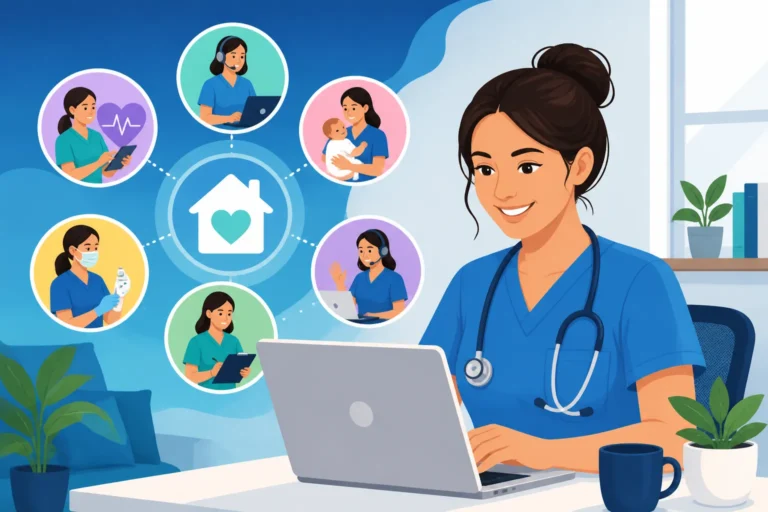
A public health nurse (PHN) wears many hats, and no two days are ever truly alike, which is part of its charm and its challenge! You might be educating new mothers on infant care in a low-income neighborhood in Chicago one day, and the next, you're collaborating with local government officials in rural Texas to develop vaccination campaigns. PHNs are deeply embedded in their communities, working to prevent disease, promote wellness, and protect the health of populations.
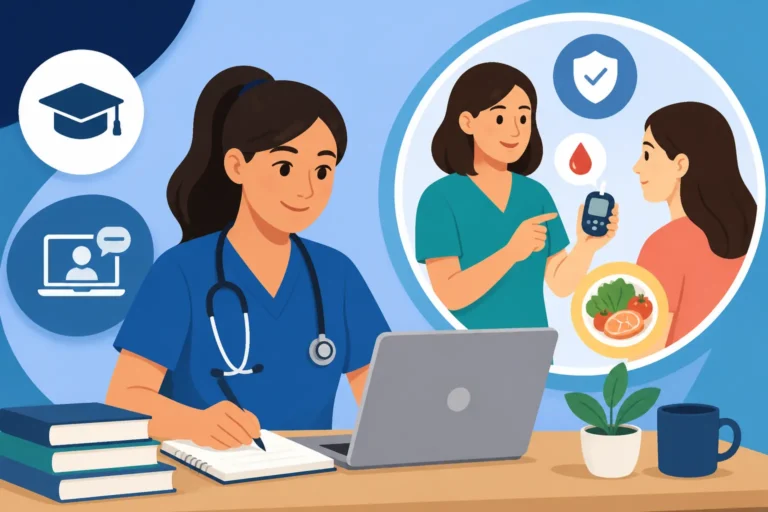
Think about the frustrations nurses face when patients return to the hospital again and again with preventable conditions because of social determinants of health – lack of access to healthy food, safe housing, or basic education. A PHN steps into that gap, working proactively. They conduct health screenings in schools, organize flu shot clinics at senior centers, track disease outbreaks, and advocate for policies that improve public health, like smoke-free environments or improved access to mental health services. They often work with vulnerable populations, ensuring equitable access to care and resources. It's a field that demands a unique blend of clinical knowledge, community organizing skills, and a huge heart for advocacy. If you're wondering about the specifics, our detailed guide on the Public Health Nurse: Role, Salary, and How to Start can give you even more insight into the day-to-day life.
Why Public Health Nursing Matters More Than Ever
In today's interconnected world, public health nursing isn't just important; it's absolutely critical. We've seen how quickly health crises can spread and how deeply they can impact entire populations, highlighting the indispensable role of nurses who understand community dynamics and preventive strategies. The pandemic, for example, really put public health nurses on the front lines, doing everything from contact tracing to mass vaccination efforts.
Beyond crises, PHNs are continually fighting chronic diseases like diabetes and heart disease, which disproportionately affect certain communities. They're at the forefront of addressing issues like substance abuse, mental health stigmas, and environmental health hazards. They serve as trusted liaisons between healthcare systems and the diverse communities they serve, often bridging cultural and linguistic gaps. Their work ensures that health education is accessible, resources are distributed equitably, and policy decisions are informed by real-world health needs. This emphasis on population health and preventative care is a huge reason why more nurses are exploring Nursing Specializations Explained and realizing the immense value of public health.
Navigating Public Health Nurse Certification Options
So, you're inspired by the work of public health nurses and ready to make a tangible impact. The next logical step is to explore certification. Navigating the world of certifications can feel a bit like a maze, especially with different organizations offering various credentials. But getting certified isn’t just about adding letters after your name; it’s about validating your expertise and commitment to the field, opening doors to more advanced roles and demonstrating a higher level of professional competency.
Different Paths to Certification
When it comes to formal certification for public health nurses, the most widely recognized credential in the United States is the Certified in Public Health (CPH) designation, offered by the National Board of Public Health Examiners (NBPHE). While this isn't exclusively for nurses, it's a gold standard for public health professionals and is highly valued for PHNs. It demonstrates a broad understanding of the core disciplines of public health, which perfectly aligns with the PHN role.
It's important to note that specific state certifications or licenses for "Public Health Nurse" can vary. Some states, like California, have specific endorsements or certificates for public health nursing that are integrated into the state's nursing licensure system. These typically require specific coursework or supervised practice hours in public health settings. Always check with your state's Board of Nursing and public health department to understand any localized requirements. The beauty of the CPH, however, is its national recognition, making it a strong asset no matter where your career takes you.
Core Requirements for Certification
Let's break down what you generally need to achieve these certifications. For the national CPH exam, candidates must meet specific eligibility criteria, which usually include:
- Education: A bachelor's or master's degree in public health from an accredited school or program (e.g., Council on Education for Public Health – CEPH accredited). Many nurses pursue an Online RN to BSN Programs: Complete Guide or even an MSN to meet these academic standards.
- Experience: Alternatively, a relevant graduate degree along with a certain number of years of public health experience can also qualify you. For instance, holding a master's or doctoral degree in a related field (like nursing, medicine, or allied health) plus a minimum of five years of public health work experience often makes you eligible.
- Exam: Passing the CPH examination itself, which covers key public health domains like biostatistics, epidemiology, environmental health sciences, health policy and management, and social and behavioral sciences.
For state-specific certifications, the requirements often revolve around having a Bachelor of Science in Nursing (BSN), completing specific public health nursing courses (sometimes embedded within your BSN program or as post-baccalaureate certificates), and completing a set number of supervised clinical or practicum hours in community health or public health settings. Our article on RN to BSN Requirements Explained delves into the academic foundation needed for many of these specialized roles.
Step-by-Step Guide to Becoming a Certified PHN
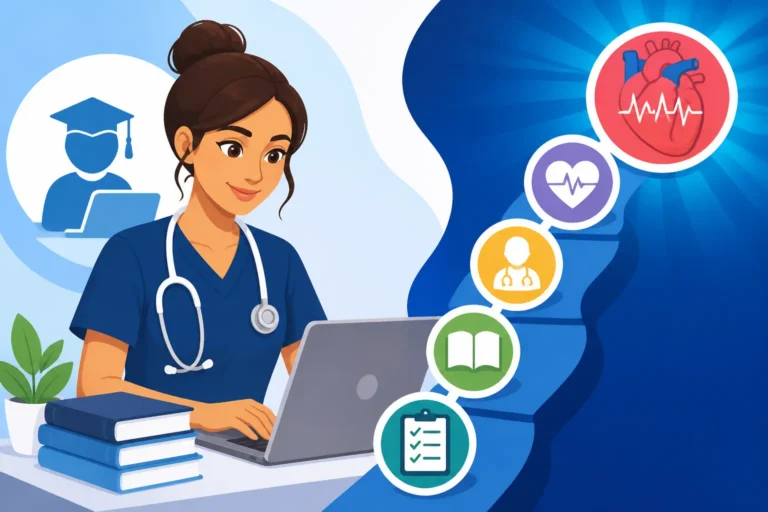
Alright, let's get down to the brass tacks. You're ready to commit, but how do you actually get from here to there? It might seem like a lot of steps, but breaking it down makes it much more manageable.
Educational Pathways and Prerequisites
The foundational step for most public health nursing roles, and certainly for pursuing any formal certification, is obtaining a Bachelor of Science in Nursing (BSN). While an Associate's Degree in Nursing (ADN) gets you started as a registered nurse, the BSN provides a broader curriculum that includes community health, epidemiology, and health policy – all critical components for public health practice. If you currently hold an ADN, transitioning to a BSN through programs like the Fastest Online RN to BSN Programs is highly recommended, and often, a necessity.
Many universities across the country offer robust BSN programs that incorporate public health content. For instance, state universities often have strong community health nursing departments that prepare students specifically for this path. If you're already an RN, consider an Online RN to BSN Programs: Complete Guide which can be incredibly flexible for working nurses. These programs ensure you complete the necessary coursework in areas such as population health, health promotion, disease prevention, and cultural competency, which are all vital prerequisites for a public health nursing career. Our article on How to Choose an RN to BSN Program can help you find a program that best suits your goals.
Gaining Essential Experience and Sitting for the Exam
Once you have your BSN, or a higher degree, the next crucial step is gaining practical experience in public health. This often involves working in roles that expose you to community health settings, such as local health departments, school nursing, home health agencies, or non-profit organizations focused on health initiatives. Even entry-level RN positions that involve patient education and community outreach can contribute to this experience. The more exposure you get to diverse populations and community health challenges, the better prepared you'll be.
After accumulating the necessary education and experience, you'll be ready to tackle the certification exam. For the CPH exam, this means registering with the NBPHE and scheduling your test. This exam is comprehensive, so dedicated study is key. Many nurses find review courses and practice questions incredibly helpful. This is where resources like Uworld come into play; their robust question banks and detailed rationales can be instrumental in preparing for comprehensive exams like the CPH, helping you identify knowledge gaps and master complex concepts. Leveraging such tools can significantly boost your confidence on exam day. Passing this exam officially awards you the CPH credential, signaling your advanced knowledge in public health to employers and colleagues alike. This is a significant step in how to become a Public Health Nurse Step by Step.
Benefits and Career Advancement as a Certified PHN
Pursuing public health nurse certification isn't just about personal growth; it's a strategic career move. It solidifies your expertise, expands your professional horizons, and ultimately allows you to make an even greater impact on the health of communities.
Expanding Your Impact and Opportunities
With a certification like the CPH, you're not just a registered nurse; you're a certified public health professional. This distinction immediately sets you apart, signaling to employers that you possess a specialized body of knowledge and a commitment to public health principles. It can open doors to leadership roles within health departments, non-profit organizations, and even governmental agencies at the state or federal level, like the Centers for Disease Control and Prevention (CDC) or the National Institutes of Health (NIH).
Certified PHNs often find themselves in roles that involve program development, policy advocacy, community assessment, and epidemiological investigation. You might lead initiatives to reduce health disparities in underserved areas, design public health campaigns, or even contribute to research that shapes national health guidelines. Furthermore, having this certification often correlates with an increase in earning potential. While specific numbers vary by location and experience, generally speaking, a BSN salary is higher than an ADN salary, and specialized certifications like the CPH can further boost your Nursing Degrees and Salaries Explained and Nursing Salary by Degree Level. It’s an investment in your career trajectory and your ability to drive significant, positive change.
Continuous Learning and Recertification
The world of public health is constantly evolving. New diseases emerge, health policies change, and research continually refines our understanding of effective interventions. Because of this dynamic environment, continuous learning is not just encouraged but required to maintain your public health nursing certification.
For the CPH credential, for example, you typically need to recertify every two years by completing a certain number of continuing education credits (CEUs) in public health-related topics. These might include workshops on emerging infectious diseases, seminars on health equity, or courses on advanced statistical analysis. This ongoing commitment ensures that certified PHNs remain at the cutting edge of their field, equipped with the most current knowledge and skills to address contemporary public health challenges. It's a way to ensure that your expertise stays relevant and impactful throughout your career. Many professional organizations, like the American Public Health Association (APHA), offer a wealth of resources and CE opportunities that align perfectly with recertification needs. Being a certified PHN is a journey of lifelong learning, directly contributing to your ability to serve communities effectively. For more on professional development, check out How to Get a Nursing Certification.
Public Health Nurse Certification Pathways and Requirements
Navigating the various certifications can be a lot, so here's a concise overview to help you differentiate and plan.
| Certification Type | Administering Body | Primary Focus | General Educational Requirement | Experience Requirement | Recertification Cycle | Key Benefits |
|---|---|---|---|---|---|---|
| Certified in Public Health (CPH) | National Board of Public Health Examiners (NBPHE) | Core Public Health Disciplines | BSN (or higher) + Public Health Degree OR Higher Degree in Related Field | 3-5 years (if no public health degree) | Every 2 years (CEs) | National recognition, broad public health expertise, leadership roles |
| State-Specific PHN Endorsement/Certificate | Individual State Boards of Nursing / Health Departments | Specific State Public Health Practice | BSN minimum, often specific PHN coursework | Varies by state; often includes supervised practicum | Varies by state | Localized recognition, required for specific state positions |
Disclaimer
Please remember that the information provided in this guide is intended for general informational purposes only and does not constitute professional advice. Nursing certification requirements can change, and specific eligibility criteria may vary by state and certifying body. Always verify the most current requirements with the relevant credentialing organizations and your state's Board of Nursing.