How Much Do Nurses Make
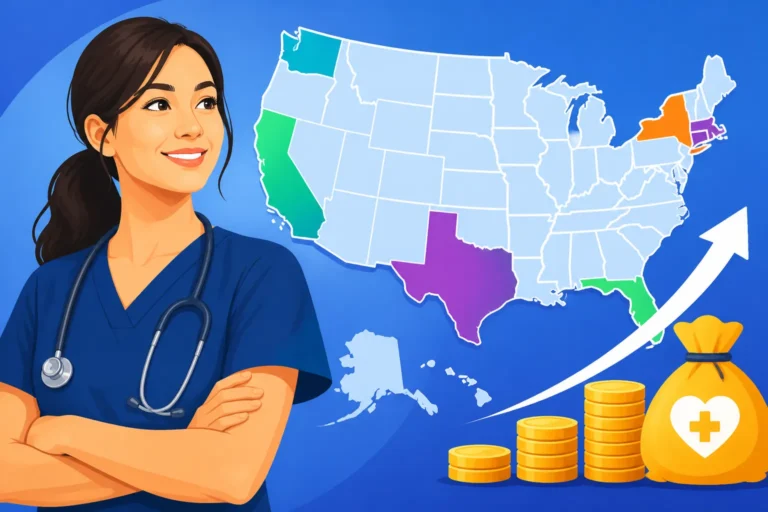
It’s a question on every nurse’s mind, whether you’re just starting your journey, thinking about a career change, or are a seasoned pro wondering about your next move: "How much do nurses actually make?" The truth is, the answer isn't a simple number you can look up. Factors like education, experience, specialty, and even where you live can swing your paycheck wildly. This comprehensive guide will peel back the layers to reveal the complex landscape of nursing salaries, helping you understand your true earning potential and how to boost it.
Understanding the Baseline: What is the Average Nurse Salary?
When you first start looking into nursing salaries, you'll likely encounter a national average figure. This number, while seemingly helpful, can be quite misleading. It's a broad generalization that rarely reflects the reality for an individual nurse, making it difficult to gauge your potential earnings accurately. Many nurses feel frustrated by how disconnected this average can be from what they actually see in their paychecks.
National Averages vs. Reality
According to the U.S. Bureau of Labor Statistics (BLS), the median annual salary for registered nurses (RNs) was around $86,070 in May 2023. This sounds great on paper, doesn't it? But let's be real, that's a national median. A median means half of nurses earn more, and half earn less. It doesn't tell you if that includes new grads in rural Idaho or highly specialized nurses in downtown Los Angeles. For a new grad stepping into their first role in, say, a smaller hospital in Iowa, that figure might seem like a dream, while an experienced ER nurse in New York City might feel it's a significant underestimation of their actual earnings. The sheer diversity in nursing roles, responsibilities, and geographic locations means a single national average simply can't capture the full picture. It’s a starting point, but hardly the destination for understanding your personal earning potential.
Factors Skewing the Averages
So, what makes this average so… average? Several significant factors contribute to the wide range in nursing salaries, often pulling the national average in different directions. For instance, the demand for nurses varies significantly by state and even by individual healthcare facilities. A high-demand area with a shortage of qualified nurses will often offer higher wages to attract and retain talent. Conversely, areas with an abundance of nurses or less specialized care needs might see lower starting salaries. Think about the intense competition for nurses in California versus a less populated state. Furthermore, the type of facility plays a huge role. Working in a large, Magnet-recognized hospital, especially in a metropolitan area, often comes with higher compensation and better benefits compared to a smaller, rural clinic or a long-term care facility. These variations mean that while the national average provides a snapshot, it's crucial to dig deeper into local data and specific job markets to get a clearer, more realistic understanding of what nurses make.
The Degree Effect: How Education Impacts Earnings
One of the most profound influences on a nurse's salary is their level of education. In the competitive world of healthcare, advanced degrees aren't just about knowledge; they often directly correlate with higher earning potential and expanded career opportunities. Many nurses feel the pressure to advance their education, not just for personal growth but for financial stability and career progression.
ADN vs. BSN Salary Differences
Let’s talk about the foundational degrees: the Associate Degree in Nursing (ADN) and the Bachelor of Science in Nursing (BSN). While both allow you to become a licensed Registered Nurse (RN), hospitals and other healthcare employers increasingly prefer, and often require, a BSN. This preference isn't just arbitrary; it's rooted in research linking BSN-prepared nurses to improved patient outcomes. Consequently, BSN-prepared nurses typically start at a higher salary and have more opportunities for advancement. For example, a new ADN graduate might start at $60,000 annually in a given region, while a BSN graduate in the same region could start at $65,000-$70,000. Over a career, this difference can accumulate significantly. Many nurses with ADNs recognize this and pursue programs to bridge the gap, asking, "How long does an RN to BSN take?" and finding that many programs are flexible and designed for working professionals. For a deeper dive into the distinctions, exploring the differences between an ADN vs BSN: Key Differences can provide valuable insights. The financial return on investment for pursuing an additional year or two for a BSN is often well worth it, as detailed in discussions around the RN to BSN Salary Increase.
MSN and Advanced Practice Registered Nurse APRN Salaries
Moving up the educational ladder, a Master of Science in Nursing (MSN) opens doors to a vast array of advanced practice roles, which come with substantially higher salaries. Advanced Practice Registered Nurses (APRNs), including Nurse Practitioners (NPs), Clinical Nurse Specialists (CNSs), Certified Nurse Midwives (CNMs), and Certified Registered Nurse Anesthetists (CRNAs), are primary care providers or highly specialized experts, and their compensation reflects this increased responsibility and scope of practice. For instance, a Family Nurse Practitioner (FNP) in Texas could earn upwards of $110,000-$120,000 annually, while a CRNA in California might command salaries exceeding $200,000. These roles require extensive clinical experience and advanced education, but the financial rewards are considerable. Many nurses consider an MSN a direct pathway to greater autonomy and a significant boost in earning power, a topic often explored in guides like the Nurse Practitioner Salary Guide. The journey from RN to MSN is a common one, with many looking into RN to MSN Programs Explained to understand the pathway.
DNP and Executive-Level Nursing Pay
At the pinnacle of nursing education is the Doctor of Nursing Practice (DNP). This terminal degree is designed for nurses who want to advance their practice to the highest level, taking on leadership, policy, and direct patient care roles with enhanced clinical expertise. While some APRN roles can be practiced with an MSN, the DNP is becoming increasingly preferred, and in some areas, may eventually become the standard for entry into advanced practice. Nurses with a DNP often work in executive leadership positions, as chief nursing officers, healthcare administrators, or lead educators, commanding salaries that can reach well into the six figures, often surpassing $130,000 to $180,000 annually, depending on the role and location. The decision between pursuing an MSN or a DNP is a significant one, with many considering the long-term career implications, as discussed in MSN vs DNP: Which to Choose. The investment in a DNP signifies a commitment to the highest level of clinical scholarship and leadership, translating into unparalleled earning potential within the nursing profession.
Specialty and Experience: Climbing the Earning Ladder
Beyond your degree, what you do within nursing and how long you’ve been doing it are huge determinants of your salary. It's not just about being "a nurse"; it's about being the nurse who specializes in a critical area or has years of invaluable experience under their belt. Many nurses grapple with the question of whether to stay in a comfortable role or branch out to a higher-paying specialty, often weighing the challenge of new skills against the potential financial gain.
Highest-Paying Nursing Specialties
Some nursing specialties inherently pay more due to higher demand, the intensity of the work, or the advanced skills required. These roles often come with greater stress and responsibility but offer significant financial compensation. For example, Certified Registered Nurse Anesthetists (CRNAs) consistently top the list of highest-paying nursing jobs, often earning over $180,000 annually, and sometimes well over $200,000, depending on the region and facility. Other high-paying specialties include Psychiatric Mental Health Nurse Practitioners (PMHNPs), Neonatal Intensive Care Unit (NICU) nurses, Flight Nurses, and even some specialized critical care roles. These fields demand a unique blend of expertise, often requiring specific certifications and extensive experience. Exploring the landscape of the Highest-Paying Nursing Specialties is a crucial step for any nurse looking to maximize their income. Choosing a specialty isn't just about money, though; it's about finding an area that aligns with your passions and strengths, a topic explored in depth by guides such as How to Choose a Nursing Specialty.
The Impact of Years on the Job
Experience is gold in nursing, and this is reflected directly in salary figures. New graduate nurses, regardless of their degree, will always start at the lower end of the pay scale. However, with each year of experience, particularly in acute care settings or specialized units, nurses typically see incremental increases in their base pay. This is because seasoned nurses bring not only clinical proficiency but also critical thinking skills, mentorship abilities, and a proven track record of patient safety. A nurse with 5-10 years of experience in an Intensive Care Unit (ICU) will undoubtedly earn significantly more than a new grad in the same unit. This seniority often comes with opportunities for charge nurse roles, preceptor positions, or clinical educator roles, which further boost earnings. The value of experience isn't just about doing the job; it's about mastering it, and healthcare systems are willing to pay a premium for that mastery.
Certifications and Their Value
Beyond degrees and experience, specialized certifications can significantly enhance a nurse’s earning potential and career mobility. These certifications demonstrate advanced knowledge and expertise in a particular area of nursing. For example, a Critical Care Registered Nurse (CCRN) certification for ICU nurses, a Certified Emergency Nurse (CEN) for ER nurses, or an Oncology Certified Nurse (OCN) for cancer care nurses, all signal a commitment to excellence and a deeper understanding of their field. Many hospitals offer higher pay differentials or bonuses for nurses holding relevant certifications, recognizing the added value they bring to patient care. These certifications are often seen as a mark of distinction, confirming a nurse's competency and dedication beyond basic licensure. While they require additional study and examination, the investment in time and resources often pays off in increased salary, job security, and enhanced professional credibility. Preparing for these exams often involves rigorous study, and resources like Uworld are often recommended by peers for their comprehensive practice questions and detailed explanations, which can be invaluable in passing these critical certification exams.
Location, Location, Location: Geographic Salary Variations
It's a common saying in real estate, and it's equally true in nursing: location matters. The state, city, and even the specific neighborhood where you choose to practice can have a dramatic effect on your take-home pay. Many nurses are surprised by the vast differences in salaries across state lines, prompting some to consider relocating for better financial prospects.
Highest-Paying States for Nurses
Certain states consistently rank as the highest-paying for nurses, primarily driven by a combination of high demand, a strong union presence, and a higher cost of living. California, for instance, is almost always at the top of the list, with average RN salaries often exceeding $120,000. Other states like Hawaii, Massachusetts, Oregon, and Washington also frequently offer competitive salaries. These states often have robust healthcare systems, a high concentration of large, Magnet-status hospitals, and strong nurse advocacy groups that push for fair compensation. For nurses considering a move, researching the Highest-Paying States for Nurses is a key step in career planning. However, it's crucial to remember that a high salary often goes hand-in-hand with a high cost of living. That $120,000 salary in California might feel very different after rent, groceries, and other expenses compared to a $80,000 salary in a state with a lower cost of living.
Urban vs. Rural Pay Disparities
Within states, there can be significant pay disparities between urban and rural areas. Metropolitan areas, especially those with multiple large medical centers and teaching hospitals, generally offer higher salaries for nurses. This is due to a higher concentration of specialized care, a greater volume of patients, and often a more competitive job market where hospitals vie for top talent. For example, an RN in downtown Chicago will likely earn more than an RN in a small town in southern Illinois. However, rural areas often face nursing shortages, which can sometimes lead to signing bonuses or other incentives to attract nurses. While the base pay might be lower, the cost of living is almost always substantially less, meaning your dollar might stretch further. This creates a complex decision for nurses: chase the higher nominal salary in the city or embrace a potentially better quality of life and lower expenses in a rural setting.
Cost of Living Considerations
When evaluating nursing salaries, looking solely at the gross pay is a rookie mistake. The real question is: what is your purchasing power? A $100,000 salary in San Francisco, California, will afford you a very different lifestyle than $100,000 in Kansas City, Missouri. Housing, taxes, transportation, and everyday expenses can eat into a high salary quickly, leaving you with less disposable income than you might expect. It’s essential to research the average cost of living in any potential new location. Websites and tools that compare cost of living can be invaluable for this. A seemingly lower salary in a more affordable region might actually provide a higher net gain and a more comfortable lifestyle. This pragmatic approach ensures that nurses make informed decisions not just based on salary figures, but on their overall financial well-being and desired lifestyle.
Beyond the Base Salary: Boosting Your Income
The number you see as your base annual salary is rarely the full story of a nurse's earning potential. There are numerous avenues to increase your income beyond your standard hourly rate, especially if you're willing to be flexible or take on extra responsibilities. Many nurses actively seek out these opportunities to enhance their financial security or save for major life goals.
Shift Differentials and Overtime
One of the most common ways nurses boost their income is through shift differentials and overtime. Shift differentials are additional payments for working undesirable hours, such as evening, night, or weekend shifts. These can add a significant percentage (often 10-20% or more) to your hourly wage. For example, a nurse earning $40/hour might get an extra $6/hour for working nights, turning their $40 into $46/hour for those shifts. Overtime, typically paid at 1.5 times your regular rate for hours worked beyond 40 in a week, is another powerful income booster. Hospitals often need extra staff to cover call-ins, high patient census, or unexpected events, and nurses who are willing to pick up these extra shifts can see their paychecks grow substantially. Many nurses strategically choose to work a few extra shifts a month to make a significant difference in their annual income.
Travel Nursing and Per Diem Opportunities
For nurses seeking even greater income flexibility and higher pay, travel nursing and per diem work are excellent options. Travel nurses, who work temporary contracts (typically 8-26 weeks) in hospitals across the country, often earn significantly more than staff nurses. Their compensation packages usually include a higher hourly wage, tax-free stipends for housing and meals, and sometimes benefits. This can push annual earnings well past $100,000, and often significantly higher depending on the demand for their specialty and the location. Per diem (or "as needed") nurses also command higher hourly rates because they don't receive benefits and offer maximum flexibility to the facility. While lacking the stability of a full-time position, per diem work is perfect for nurses who want to set their own schedules and maximize their hourly rate. Both options require adaptability and a willingness to work in new environments, but for those who thrive on variety, the financial rewards can be substantial.
Tuition Reimbursement and Employer Support
Many healthcare organizations recognize the value of an educated nursing workforce and offer tuition reimbursement programs to support their nurses in pursuing advanced degrees. This is a fantastic, often overlooked, way to boost your overall financial health by getting your employer to help pay for your education. Hospitals benefit from having a more highly educated staff, which can improve patient outcomes and even contribute to achieving Magnet status. For a nurse pursuing an Online RN to BSN Programs: Complete Guide or even an MSN, this can mean thousands of dollars in savings, effectively increasing their net worth without directly increasing their immediate paycheck. These programs often come with conditions, such as committing to work for the employer for a certain period after graduation, but for nurses already planning to stay, it's a win-win situation. Some employers also offer certification bonuses or pay for continuing education units (CEUs), further reducing out-of-pocket expenses for professional development.
Strategic Career Planning for Higher Earning Potential
Maximizing your nursing salary isn't just about working more hours; it's about smart career moves and continuous professional development. Proactive planning can put you on a trajectory toward higher pay and more fulfilling roles. Many nurses feel stuck in their current roles, unsure how to navigate the complex path to greater earnings, making strategic planning all the more crucial.
Advancing Your Education
As we've discussed, education is a primary driver of increased earning potential. If you started with an ADN, pursuing your BSN is often the most direct path to a salary boost and more career options. Programs like the Fastest Online RN to BSN Programs make it achievable even for busy working nurses. Beyond the BSN, an MSN or DNP can open doors to highly specialized and compensated roles such as Nurse Practitioner, Nurse Anesthetist, or Nurse Educator. These advanced degrees don't just increase your base salary; they also qualify you for leadership and administrative positions that come with significantly higher compensation. Many online programs offer flexibility for working nurses, allowing them to continue earning while they learn, softening the financial blow of going back to school. For those looking to bridge directly, exploring RN to MSN Programs Explained can illuminate direct pathways to advanced practice roles.
Switching Specialties for Higher Pay
Sometimes, to significantly increase your income, you might need to consider a different nursing specialty. While you might love your current unit, if it's not one of the highest-paying specialties, a strategic shift could be beneficial. For example, a medical-surgical nurse, while invaluable, typically earns less than an emergency room nurse or an operating room nurse. Moving into critical care, emergency medicine, or an advanced practice role can require additional training, certifications, and perhaps even a new degree, but the salary difference can be substantial. It's about evaluating your skills, interests, and tolerance for stress against the potential financial rewards. Resources that break down Nursing Specializations Explained can help you identify potential pathways and understand the requirements for making such a transition. This often involves a period of re-education and possibly preceptorships, but for many, the long-term financial gain and professional challenge are well worth the effort.
Negotiation Tactics for Nurse Salaries
This is a skill often overlooked but incredibly important: negotiation. Many nurses, especially new graduates, accept the first offer they receive, fearing they might lose the job if they negotiate. However, hospitals often have some flexibility, particularly for experienced or highly specialized nurses. Before accepting a job offer, research the average salary for that role in your specific geographic area, considering your experience level and any certifications. Be prepared to articulate your value and highlight your unique skills and experience. Don’t just focus on the base salary; consider benefits packages, sign-on bonuses, relocation assistance, and tuition reimbursement. Even a small increase in your starting salary can compound over your career. Tools and guides on Nurse Salary Negotiation Tips can empower you with the confidence and strategies needed to advocate for yourself effectively. Remember, negotiating is a normal part of the hiring process and shows you understand your worth.
The Future of Nursing Salaries and Job Outlook
The nursing profession continues to evolve, and understanding future trends is crucial for long-term career planning. The demand for nurses remains strong, promising a stable future, but what does that mean for salaries? Many nurses are concerned about job security and compensation in a constantly changing healthcare landscape, seeking reassurance about their career investment.
Projected Growth in Nursing Roles
The U.S. Bureau of Labor Statistics projects a robust job outlook for registered nurses, with employment expected to grow 6 percent from 2022 to 2032, which is about as fast as the average for all occupations. This translates to roughly 177,400 new RN positions opening up each year, on average, over the decade. This growth is primarily driven by an aging population requiring more healthcare services, increased prevalence of chronic conditions, and a greater emphasis on preventive care. Advanced practice nursing roles, such as nurse practitioners, are projected to grow even faster, with a staggering 45 percent increase from 2022 to 2032. This strong demand means nurses will likely continue to have excellent job security and leverage in salary negotiations, especially those with advanced degrees or specialized skills. For a broader understanding of the market, checking the Nursing Job Outlook and Demand provides comprehensive data.
Demand by Specialty and Region
While the overall outlook is positive, demand varies significantly by nursing specialty and geographic region. Specialties like critical care, emergency medicine, oncology, and psychiatric mental health nursing are consistently in high demand due to the complex nature of patient care in these areas and ongoing shortages. Rural areas and underserved communities also often face critical nursing shortages, leading to increased demand and potentially more attractive compensation packages to lure nurses. Conversely, some regions might experience more balanced supply and demand, leading to more competitive entry-level positions. Staying informed about which Most In-Demand Nursing Specialties are experiencing the highest growth can guide your career path and help you focus your educational and professional development efforts. Understanding these nuances allows nurses to strategically position themselves in the most desirable and highest-paying sectors of the profession.
Long-Term Career Investments
Considering the long-term, investing in your nursing career through continuous education and specialization is almost always a wise financial move. The initial cost and time commitment for an advanced degree or certification might seem daunting, but the return on investment over a 20-30 year career can be immense. For example, the difference in lifetime earnings between an ADN-prepared nurse and an MSN-prepared Nurse Practitioner can easily be in the hundreds of thousands of dollars. The healthcare industry is constantly evolving, with new technologies, treatments, and care models emerging. Nurses who commit to lifelong learning and adapt to these changes will remain highly valuable and competitive. Whether it’s pursuing a DNP, gaining certification in a niche area, or becoming proficient with new electronic health record systems, these investments ensure not only a higher salary but also greater job satisfaction and a broader impact on patient care. Keep an eye on resources like Uworld, which constantly updates its offerings to align with the latest nursing education and practice standards, making it a valuable resource for ongoing professional development and preparing for future career advancements.
| Degree Level | Median Annual Salary (Approx.) | Typical Roles | Key Factors for Higher Pay |
|---|---|---|---|
| ADN | $75,000 – $80,000 | Staff RN (Med-Surg, LTC) | Experience, Shift Differentials |
| BSN | $80,000 – $90,000 | Staff RN (Acute Care, Specialty Units), Charge Nurse | Experience, Specialty, Location, Certifications |
| MSN | $110,000 – $130,000+ | Nurse Practitioner, Clinical Nurse Specialist, Nurse Educator | Specialty (e.g., CRNA, PMHNP), Experience, Location |
| DNP | $130,000 – $180,000+ | Executive Leadership, Advanced Practice, Nurse Administrator | Leadership Role, Experience, Institution Type |
Note: These are approximate median salaries and can vary significantly based on geographic location, specific employer, experience, and specialty. These figures represent general trends and should be used as a guide.
Disclaimer
The information provided in this article is intended for general informational purposes only and does not constitute professional advice. Nursing salaries are highly variable and subject to change based on numerous factors including, but not limited to, geographic location, employer, experience, education, specialty, and economic conditions. Readers are encouraged to conduct their own thorough research and consult with educational and career advisors for personalized guidance.