RN to BSN Programs Without Practicum
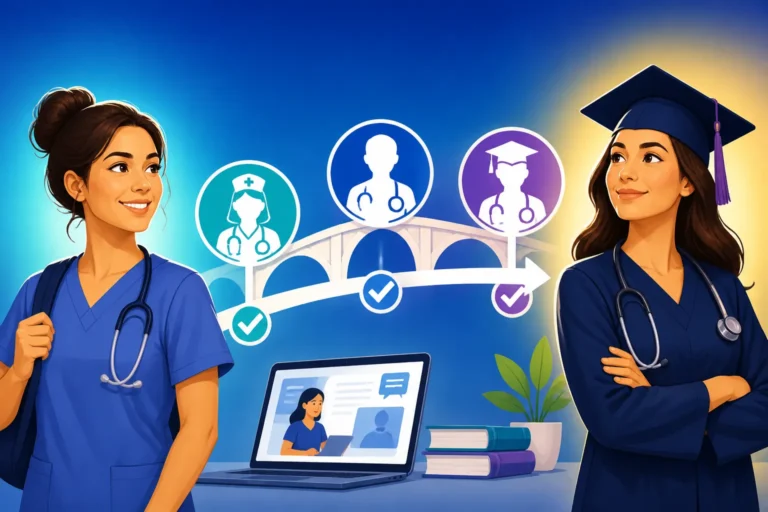
As a working Registered Nurse, the thought of going back to school for your Bachelor of Science in Nursing (BSN) can feel overwhelming. You’re already juggling shifts, family life, and maybe even a social life (if you're lucky!), and the idea of adding more traditional clinical hours to that plate just seems impossible. This guide is here to tell you that many online RN to BSN programs understand your struggle and are designed to help you achieve your BSN without demanding additional, traditional direct patient care practicum experiences.
Understanding What "No Practicum" Truly Means for RN to BSN Programs
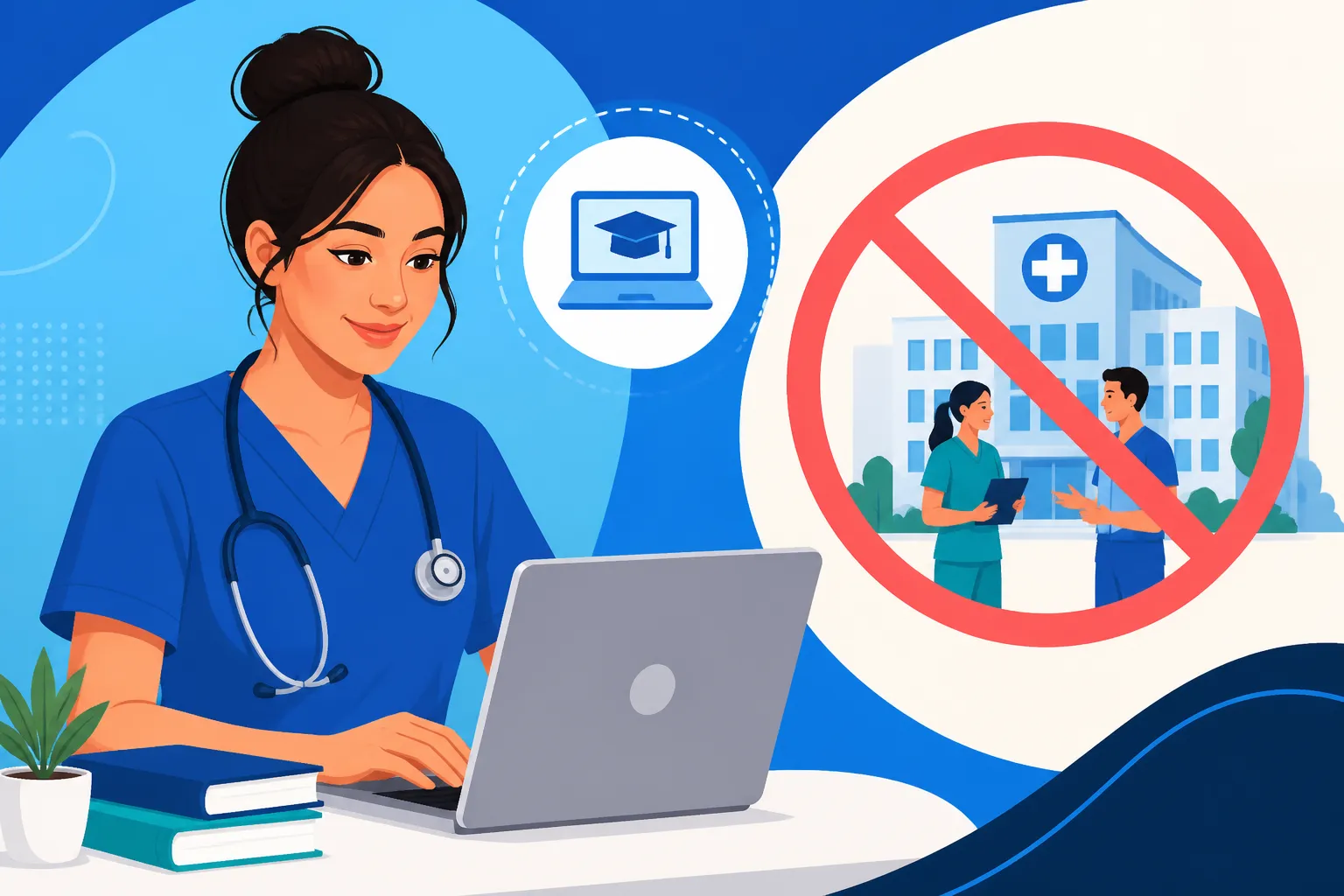
Let's cut right to the chase: when most RNs hear "practicum" or "clinical," they immediately think of those intense, long shifts in the hospital, managing multiple patients, administering medications, and perfecting hands-on skills. It’s a huge mental hurdle, especially if you’ve been working as an RN for years. The good news is that for RN to BSN programs, "no practicum" almost universally refers to the absence of these new, direct patient care clinical hours you experienced during your initial ADN or diploma program. It doesn't mean there's no experiential learning, just that it's structured differently to fit your existing professional life.
The Nuance Between Clinicals and Practicum for RNs
In the world of nursing education, the terms "clinicals" and "practicum" can sometimes be used interchangeably, which understandably causes confusion. For your initial licensure as an RN, whether through an Associate Degree in Nursing (ADN) or a diploma program, clinicals were mandatory. These were the hands-on experiences in hospitals, long-term care facilities, and other healthcare settings where you learned to apply foundational nursing skills under direct supervision. You administered medications, performed assessments, assisted with procedures, and developed your bedside manner.
An RN to BSN program, however, is a different beast entirely. It's a "completion" program, meaning it's designed for nurses who are already licensed and working. Your current RN license and professional experience are generally recognized as fulfilling the direct patient care component of a baccalaureate nursing education. This is a critical distinction and often a huge relief for busy nurses. You're not starting from scratch; you're building upon an already solid foundation of clinical competence.
How Your Prior Experience Satisfies Baccalaureate Requirements
Accrediting bodies like the Commission on Collegiate Nursing Education (CCNE) and the Accreditation Commission for Education in Nursing (ACEN) recognize the extensive clinical experience that a licensed Registered Nurse brings to the table. When you enroll in an RN to BSN program, your ADN or diploma, coupled with your active RN license, essentially "counts" as your foundational clinical experience. This means the program doesn't need to put you back into a hospital unit for more direct patient care hours.
Instead, the curriculum shifts its focus to what a BSN adds to your professional toolkit. This includes advanced critical thinking, leadership, research, evidence-based practice, community health principles, and health policy. These are the aspects that differentiate a BSN-prepared nurse and are the core components you’ll explore through coursework and project-based learning. This approach allows schools to offer truly No-Clinical RN to BSN Programs.
The Evolving Landscape of Experiential Learning
While direct patient care practicum might be absent, these programs aren't entirely devoid of experiential learning. They simply reinterpret what "clinical" means at the baccalaureate level for an already licensed RN. Instead of traditional rotations, you'll often engage in projects that allow you to apply BSN-level concepts within your community or workplace. Think of it as a shift from doing basic patient care tasks to leading, assessing populations, and improving systems.
These might include community health assessments where you analyze the health needs of a specific population (e.g., homeless veterans in your city or school-aged children in a rural county), or leadership projects where you develop a quality improvement initiative for your current unit. The learning is still hands-on in a problem-solving sense, but it’s rarely about direct bedside care. For a deeper dive into the specific requirements, you might want to look at RN to BSN Requirements Explained.
The Rationale Behind Eliminating Traditional Practicum in RN to BSN Programs
The design of RN to BSN programs without traditional practicum isn't just about making life easier for working nurses (though that's a huge benefit!). It's rooted in the very purpose and philosophy of baccalaureate nursing education and the needs of the modern healthcare system. These programs are thoughtfully structured to build on your existing expertise, not repeat it.
Focusing on Baccalaureate-Level Competencies
The BSN curriculum aims to elevate a nurse's practice beyond fundamental direct patient care. While your ADN or diploma equipped you with excellent clinical skills, a BSN focuses on developing competencies in areas like leadership, management, public health, health promotion, disease prevention, research utilization, and interprofessional collaboration. These are the higher-level skills that prepare nurses for more complex roles, improved patient outcomes, and career advancement.
For example, instead of spending hours practicing IV insertion (which you've likely mastered), you might spend time researching the latest evidence-based protocols for central line care, or designing a unit-specific educational intervention to reduce central line-associated bloodstream infections. These activities are intellectual "practicum" in their own right, directly applying BSN concepts. The RN to BSN Curriculum Overview can provide more details on what you'll learn.
Accommodating the Demands of Working Nurses
This is arguably one of the most significant practical reasons for the "no practicum" model. The vast majority of RN to BSN students are already employed full-time or part-time as Registered Nurses. They have busy schedules, family commitments, and financial obligations. Imposing additional, lengthy, and often unpaid direct patient care clinical rotations would create an insurmountable barrier for many.
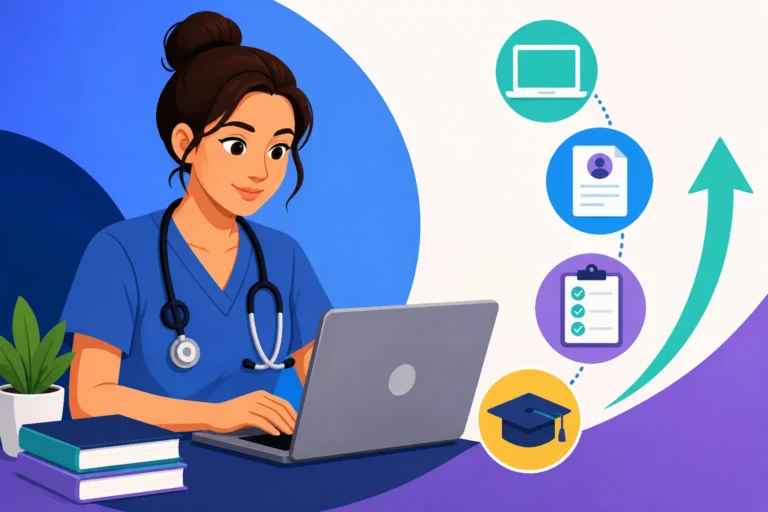
Online RN to BSN programs are specifically designed for this demographic. They offer flexibility, allowing nurses to complete coursework around their work schedules. By eliminating traditional clinicals, these programs reduce logistical hurdles like finding preceptors, arranging transportation, or taking time off work, making advanced education accessible to a wider pool of dedicated nursing professionals. Many programs, such as those at Western Governors University (WGU) or Capella University, are well-known for their flexible, competency-based approaches that cater to working professionals.
Meeting Modern Regulatory and Accreditation Standards
Nursing education has evolved, and accrediting bodies have adapted their standards to reflect the unique needs of RN to BSN students. Both the CCNE and ACEN, which are the primary accrediting agencies for baccalaureate and graduate nursing programs, have guidelines that allow for the recognition of prior learning and experience for RNs pursuing their BSN.
They ensure that while direct patient care clinicals are not typically required, programs still provide robust opportunities for students to apply theoretical knowledge to real-world scenarios through other types of experiential learning. This could be through simulated case studies, community health projects, or leadership development exercises that are embedded directly into the curriculum. This rigorous oversight ensures that a "no practicum" program still meets high academic and professional standards. Understanding Why RN to BSN Accreditation Matters is crucial when making your decision.
What "No Practicum" Actually Entails: The "Indirect Care" Component
So, if you're not doing traditional clinicals, what are you doing? Instead of direct patient care, RN to BSN programs typically incorporate what's known as "indirect care" or "community/leadership immersion" components. These are structured learning experiences designed to help you apply BSN-level knowledge to real-world health challenges and leadership opportunities without requiring you to put in more shifts at the bedside.
Engaging in Community Health Projects
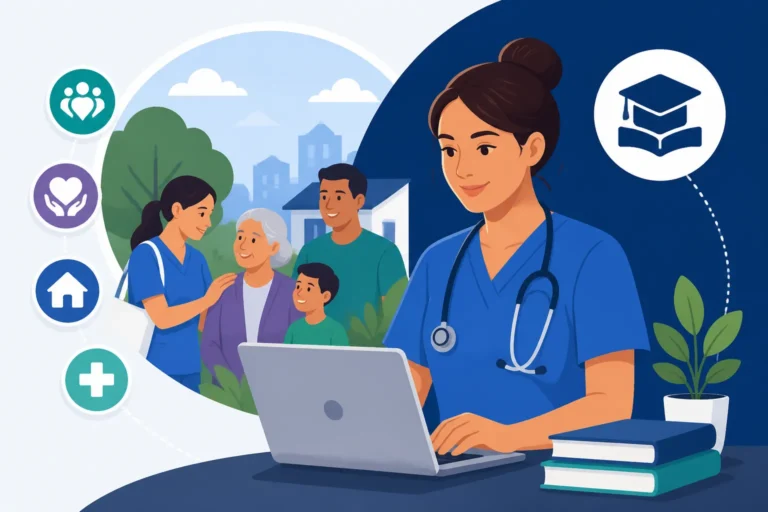
Many RN to BSN programs will require a community health component, often referred to as a "community health practicum" or "community health immersion." Don't let the word "practicum" scare you! This usually doesn't involve direct patient care in a hospital. Instead, you'll apply public health nursing principles by engaging with a specific community or population.
For instance, you might:
- Assess a community's health needs: This could involve researching local demographics, identifying prevalent health issues (e.g., high rates of diabetes in a particular zip code), and evaluating existing resources. You might interview community leaders, survey residents, or analyze public health data.
- Develop a health promotion program: Based on your assessment, you could design an educational initiative for a specific group, like a fall prevention program for seniors at a local community center, or a nutrition workshop for parents at a school.
- Participate in public health initiatives: This could involve volunteering at a local health fair, collaborating with a non-profit organization focused on disease prevention, or observing a public health nurse during their work (without providing direct patient care yourself).
These projects allow you to see the bigger picture of healthcare, understanding how social determinants of health impact populations and how nursing interventions can extend beyond the hospital walls.
Participating in Leadership and Management Activities
Another key focus of the BSN is leadership and management skills. These programs prepare you to take on charge nurse roles, participate in unit councils, and contribute to quality improvement initiatives. The experiential component in this area might look like:
- Observational experiences: Shadowing a nurse manager, a nursing supervisor, or a clinical educator within your own facility to understand their daily responsibilities, decision-making processes, and leadership challenges.
- Quality improvement projects: Identifying an area for improvement on your unit (e.g., medication error rates, patient satisfaction scores, staff burnout) and developing a plan to address it, utilizing evidence-based strategies. This often culminates in a RN to BSN Capstone Project Explained.
- Participation in committees: Joining a hospital committee, such as a falls prevention committee or a patient education committee, to contribute a nursing perspective to organizational initiatives.
These experiences are about honing your organizational, communication, and problem-solving skills, which are vital for leadership roles within healthcare. They demonstrate how BSN-prepared nurses can influence positive change at a systemic level.
Integrating Evidence-Based Practice and Research
A core tenet of baccalaureate nursing education is the emphasis on evidence-based practice (EBP). This means using the best available research evidence, along with clinical expertise and patient values, to make healthcare decisions. While this is primarily a classroom-based and research-heavy component, it often involves a practical application.
You might be tasked with:
- Conducting a literature review: Researching current scientific evidence on a particular nursing intervention or patient care issue.
- Developing an EBP proposal: Identifying a clinical problem in your workplace, finding evidence-based solutions, and proposing how these solutions could be implemented to improve patient outcomes.
- Analyzing healthcare data: Working with de-identified data to identify trends, evaluate the effectiveness of interventions, or inform policy recommendations.
Tools like Uworld, often used for NCLEX preparation, can also be beneficial in strengthening your critical thinking and assessment skills, which are foundational for effective evidence-based practice and research analysis in your BSN program. Sharpening these skills, even outside of direct patient care, makes you a more effective and analytical nurse in any setting.
Navigating the Process: Finding and Choosing the Right Program
Knowing that "no practicum" is a common and legitimate option is the first step. The next is finding the right program for you. There are many excellent online RN to BSN programs available, but a little careful research will go a long way in ensuring you pick one that truly fits your needs and career goals. For a comprehensive overview, start with an Online RN to BSN Programs: Complete Guide.
Why Accreditation is Your North Star
When it comes to any nursing program, accreditation is non-negotiable, and it's especially critical for online RN to BSN programs. Accreditation ensures that the program meets rigorous quality standards, and it's essential for several reasons:
- Licensure and Certification: Many state boards of nursing require graduates to come from accredited programs.
- Employer Preference: Hospitals and other healthcare facilities almost exclusively hire graduates from accredited programs, and it's often a prerequisite for tuition reimbursement or career advancement opportunities.
- Further Education: If you ever decide to pursue a Master of Science in Nursing (MSN) or a Doctor of Nursing Practice (DNP), you'll need a BSN from an accredited institution to be eligible.
Look for programs accredited by either the CCNE (Commission on Collegiate Nursing Education) or the ACEN (Accreditation Commission for Education in Nursing). These are the gold standards. You can usually find accreditation information prominently displayed on the program's website or by checking the accrediting body's database.
Researching Program Structures and Requirements
Even within "no practicum" programs, there can be variations in how the experiential learning component is structured. Don't assume all programs are identical. Here's what to look for:
- Clarity on "Clinical" or "Practicum" Hours: Scrutinize the curriculum details. Does it explicitly state that direct patient care clinicals are waived for licensed RNs? Does it clearly outline the nature of community health or leadership "practicum" requirements?
- Project-Based Learning: Understand what types of projects you'll be undertaking. Are they community-based, research-focused, or leadership-oriented? How much flexibility do you have in choosing project topics or locations? Some programs allow you to complete projects within your current workplace or community, which is incredibly convenient.
- Time Commitment for Projects: While you won't be on a hospital unit, these projects still require time. Get a sense of the expected time commitment, including any fieldwork (e.g., attending a community meeting, interviewing a public health professional) and the time needed for research and writing.
Many programs, like the University of Texas at Arlington, offer very transparent descriptions of their online RN to BSN program structure, clarifying the absence of traditional clinicals.
Asking the Right Questions to Admissions Counselors
Don't hesitate to reach out to admissions counselors or program advisors. They are there to help clarify any doubts. Here are some specific questions to ask when you're exploring options:
- "As a licensed RN, will I be required to complete any new direct patient care clinical hours in this RN to BSN program?"
- "Could you please explain what the 'community health' or 'leadership' component entails? Are these projects I can complete in my local area or workplace?"
- "What kind of support is available for students undertaking these experiential projects? Will I have a faculty mentor or resources to help me find project sites?"
- "How does this program ensure I meet the necessary BSN competencies without traditional clinicals?"
Asking these pointed questions will help you verify that the "no practicum" designation aligns with your expectations and helps you plan how to balance work and RN to BSN. Remember, the goal is to find a program that provides a high-quality education while seamlessly integrating into your already busy life.
| Feature | Traditional ADN/Initial BSN Clinicals | RN to BSN Experiential/Indirect Practicum |
|---|---|---|
| Purpose | Develop foundational direct patient care skills; fulfill initial licensure. | Apply advanced BSN concepts (leadership, community health, EBP) to real-world scenarios; build on existing RN experience. |
| Location | Hospitals, long-term care, clinics (direct patient contact). | Community organizations, public health agencies, your own workplace (for observational/project roles), simulated environments. |
| Direct Patient Care | Yes, primary focus. | Generally no new direct patient care; focuses on indirect care, population health, systems improvement. |
| Supervision | Direct supervision by faculty or preceptor. | Often more independent project-based work with faculty guidance; observation of leaders. |
| Time Commitment | Fixed shifts, often 8-12 hours per week for multiple semesters. | Flexible; project-based hours that can often be completed on your own schedule; often integrated into coursework. |
| Requirement for Licensed RNs | N/A (for initial licensure). | Usually waived due to prior licensure and experience. |
Choosing an RN to BSN program without the burden of traditional direct patient care practicum can be a game-changer for your career and work-life balance. By understanding how these programs are structured and what to look for, you can confidently take the next step towards advancing your nursing education.
Disclaimer
Please note that while this article provides general information, program requirements and definitions of "practicum" can vary between institutions and states. Always verify the specific clinical or experiential learning requirements directly with the admissions department of any program you are considering. State regulations for nursing licensure and practice can also change, so it's wise to consult your state's Board of Nursing for the most up-to-date information.