Is the South University RN to BSN Program Worth It
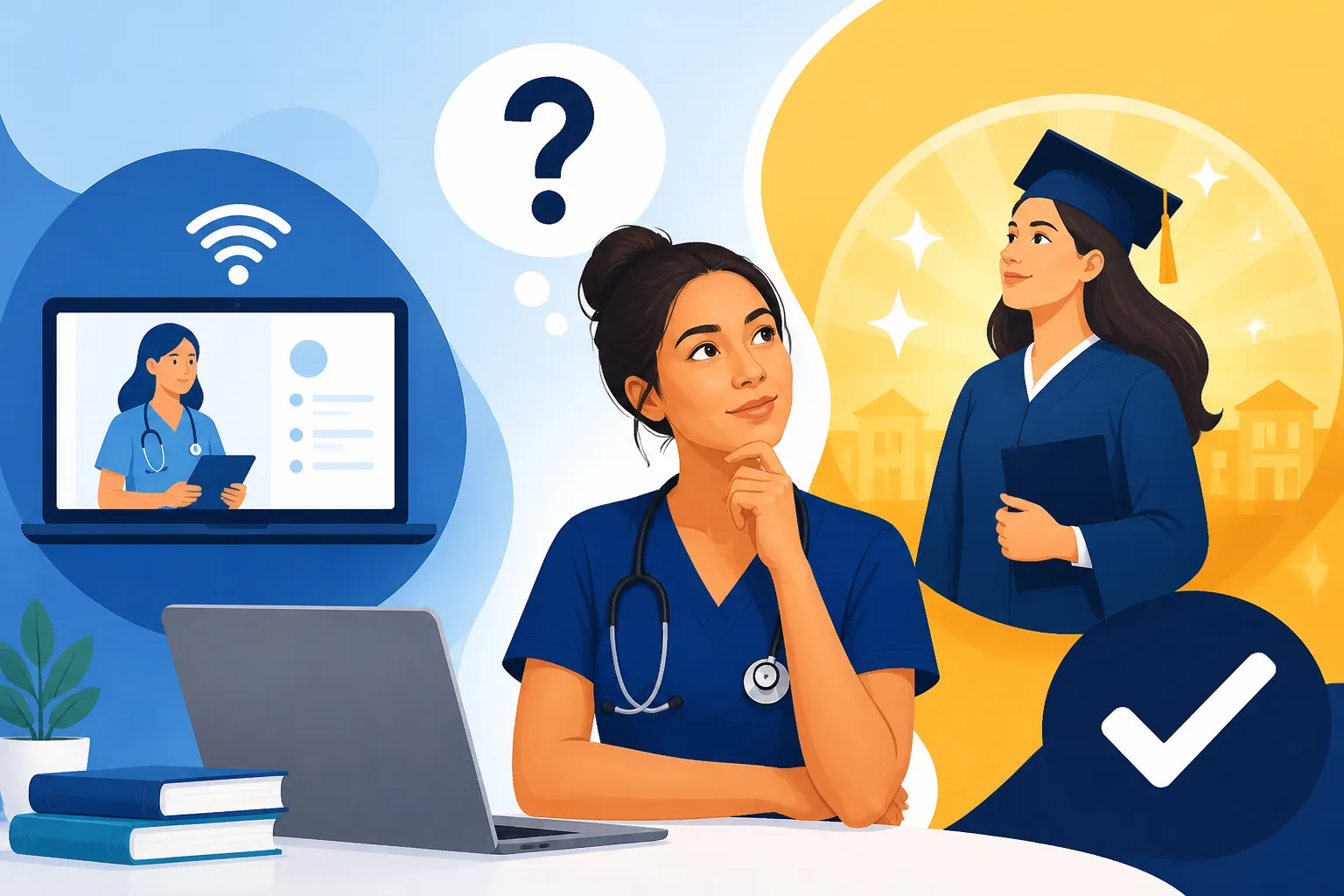
Deciding to go back to school for your Bachelor of Science in Nursing (BSN) while juggling work, family, and life responsibilities is a huge undertaking. Many registered nurses (RNs) with an Associate Degree in Nursing (ADN) or diploma find themselves at a crossroads, wondering if the time, effort, and financial investment are truly "worth it," especially when considering an online program like the one offered by South University. This guide aims to thoroughly explore the South University RN to BSN program, helping you weigh its value against your personal and professional goals so you can make an informed decision.
Understanding the South University RN to BSN Program
South University, like many institutions, has evolved to meet the growing demand for higher education in nursing by offering online pathways. For many ADN-prepared RNs, an online RN to BSN program is a lifeline, providing the flexibility needed to advance their careers without pausing their professional lives. It’s not just about getting a piece of paper; it’s about deepening your understanding of nursing theory, leadership, research, and community health.
Program Structure and Flexibility
The South University RN to BSN program is primarily delivered online, which is a major draw for working nurses. Imagine trying to balance demanding hospital shifts with a rigid on-campus class schedule – it’s nearly impossible for most. Online programs mitigate this challenge by allowing you to access coursework, lectures, and assignments from virtually anywhere, at almost any time. This asynchronous format means you can often complete your modules after the kids are asleep or before your shift starts, carving out study time that fits your life, not the other way around.
However, "flexibility" doesn't mean "easy." While the schedule might be adaptable, the content is still rigorous. You'll need a strong sense of self-discipline and time management to stay on track. South University designs its program with adult learners in mind, often structuring courses to be completed within a condensed timeframe, sometimes as short as 5-10 weeks per course. This fast pace requires consistent engagement, but it also means you can see progress quickly. For those wondering about the broader landscape, our guide on Online RN to BSN Programs: Complete Guide delves into various program types and what to expect from online learning environments.
Key Curriculum Highlights
An RN to BSN program isn't just a rehash of what you learned in your ADN. It's designed to broaden your perspective and equip you with skills for an evolving healthcare landscape. At South University, you can expect courses that dive deeper into areas like nursing leadership and management, nursing research and evidence-based practice, community health nursing, and professional communication. These aren't just academic exercises; they directly translate to real-world impact. For instance, understanding nursing research allows you to critically evaluate new protocols and advocate for the best patient care.
The curriculum often builds upon your existing clinical experience, encouraging you to apply theoretical concepts to the scenarios you encounter daily as an RN. You might explore topics like health policy, healthcare informatics, and ethical decision-making, which are crucial for nurses looking to take on more leadership or specialized roles. These subjects move beyond basic bedside care, preparing you for a more holistic and systems-level approach to nursing. You're not just performing tasks; you're understanding the why and how behind them, and how to improve patient outcomes on a broader scale.
Accreditation and Reputation
When considering any nursing program, accreditation is paramount – it’s non-negotiable. For an RN to BSN program, you’re looking for accreditation from either the Accreditation Commission for Education in Nursing (ACEN) or the Commission on Collegiate Nursing Education (CCNE). These bodies ensure that the program meets rigorous standards for quality and prepares graduates for professional practice. Without proper accreditation, your degree might not be recognized by employers, licensing boards, or for further graduate studies.
South University's nursing programs, including its RN to BSN, hold accreditation from the CCNE. This is a critical piece of information that immediately boosts the program's credibility and "worth it" factor. This accreditation means your BSN degree from South University will be recognized by hospitals, healthcare systems, and graduate schools across the country. It signals to employers that you've received an education that meets national standards, which is vital in today's competitive nursing job market where many institutions now prefer or require nurses to hold a BSN. You can learn more about this crucial aspect in our guide on Accredited Online RN to BSN Programs.
Evaluating the "Worth It" Factor: Key Considerations
Deciding if an RN to BSN program, particularly one from South University, is "worth it" involves looking beyond the degree itself. It means evaluating the financial commitment, the time you'll invest, and the kind of support you'll receive throughout your journey. Let's break down these critical considerations.
Cost and Financial Aid Opportunities
Let's be real: college isn't cheap. The cost of an RN to BSN program can vary widely, and private institutions like South University often have a different tuition structure than public state universities. While online education can sometimes reduce costs associated with commuting and campus living, the per-credit hour cost can still add up. It's essential to get a clear, itemized breakdown of tuition, fees, and any costs for textbooks or technology. When you’re looking at these numbers, remember to compare them to what you might find elsewhere. Our guide on How Much Does an RN to BSN Cost provides a broader perspective on typical expenses.
The good news is that financial aid is available. Don't let the sticker price deter you without exploring all your options. You might qualify for federal student aid, grants, or scholarships specifically for nursing students. Many employers also offer tuition reimbursement programs, especially for nurses pursuing a BSN, given the industry push for BSN-prepared nurses. It's always worth checking with your HR department about How to Get Your Employer to Pay for BSN. South University also has financial aid advisors who can help you navigate these options, which is a valuable resource you should absolutely utilize. Don't forget to check out our comprehensive guide on RN to BSN Financial Aid Options for more detailed information.
Time Commitment and Program Length
One of the biggest concerns for working RNs is, understandably, "How long will this take?" The beauty of many online RN to BSN programs, including South University's, is the flexibility in pacing. While some students might power through full-time and complete it in as little as 12-18 months, others opt for a part-time schedule, stretching it out to two or more years. The program is designed to be completed in a relatively short timeframe for full-time students, which can be a significant motivator for those eager to quickly advance their careers.
However, don't underestimate the demands. An accelerated pace means juggling several challenging courses simultaneously. You'll need to dedicate significant hours each week to readings, discussions, and assignments. Think about your current responsibilities: how much time can you realistically commit without burning out? Planning your schedule is crucial. Consider dedicating specific blocks of time, perhaps before work, during lunch breaks, or on days off, to coursework. Our detailed article on How Long Does an RN to BSN Take offers more insights into typical completion timelines.
Clinical and Practicum Requirements
The word "clinicals" can strike fear into the hearts of even experienced nurses when considering going back to school. Many ADN-prepared nurses worry about finding time for traditional, in-person clinical rotations while working. Thankfully, most online RN to BSN programs, including South University's, structure their clinical or practicum requirements differently for licensed RNs. Instead of traditional hospital shifts, these often involve "community health" or "leadership" projects that can be completed in your current workplace or a community setting.
For example, you might be tasked with developing a health education program for a local clinic, leading a quality improvement project at your hospital, or performing a community health assessment. These experiences build on your existing nursing knowledge while focusing on advanced BSN-level competencies like health promotion, disease prevention, and leadership. This means fewer logistical headaches and more practical application of new knowledge directly within your professional sphere. Always clarify the exact nature of these requirements with the admissions team, especially how they are structured and supported for online students, as covered in our RN to BSN Clinical Hours Explained guide.
Student Support and Resources
Going back to school online can sometimes feel isolating. You're not physically on campus, chatting with classmates between lectures. That's why strong student support and resources are vital for an online program to be "worth it." What kind of academic advising will you receive? Is there readily available technical support if you run into issues with the learning platform? How extensive are the online library resources? These practicalities make a huge difference in your learning experience.
South University typically provides resources like dedicated academic advisors, online tutoring services, career services (which can be invaluable post-graduation), and access to extensive digital libraries. Some programs even offer online writing centers to help you hone your academic writing skills, which become increasingly important in BSN-level coursework. Don't hesitate to ask about these support systems during your inquiries. Knowing that help is just a click or a call away can significantly ease the stress of online learning.
Is South University the Right Fit for You?
Choosing an RN to BSN program isn't a one-size-fits-all decision. What works brilliantly for one nurse might be a poor fit for another. Understanding the unique advantages and potential drawbacks of a program like South University's, and how it stacks up against other options, is crucial for making the best personal choice.
Advantages for Busy RNs
For many busy, working RNs, the primary advantage of South University’s online RN to BSN program is its sheer flexibility. You don't have to quit your job or relocate to earn your degree. This means continued income, maintaining benefits, and progressing your career simultaneously. The asynchronous format allows you to dictate when you study, making it manageable to fit education around your demanding schedule, whether you work day shifts, nights, or a rotating schedule.
Another significant benefit is the ability to immediately apply what you learn. As a practicing RN, the theoretical knowledge gained in courses on leadership, research, or community health can often be directly integrated into your daily work. This creates a powerful learning loop where theory informs practice, and practice reinforces theory. Furthermore, earning a BSN can open doors to new career opportunities, higher salaries, and even leadership positions within your current facility, as detailed in our article on Career Benefits of Earning a BSN.
Potential Drawbacks and Challenges
While the flexibility is a huge plus, online learning demands a high degree of self-motivation and discipline. There’s no professor physically present to remind you of deadlines or keep you engaged. If you thrive on in-person interaction, prefer hands-on learning, or struggle with self-paced study, an entirely online format might present challenges. Technical issues, while usually solvable with support, can also be frustrating.
Another point to consider is the cost. As a private institution, South University's tuition might be higher than some public universities, even for online programs. While financial aid can help, it's a significant investment that requires careful planning. Additionally, while South University is accredited, some prospective students weigh the reputation of private, for-profit institutions differently compared to large, public universities, though this is often a personal preference and doesn't negate the validity of the degree. It's about what feels right for you and aligns with your long-term goals.
Comparison with Other Online Programs
It's natural to compare South University's program to others you might be considering. Institutions like Western Governors University (WGU), Capella University, and University of Texas at Arlington also offer popular online RN to BSN programs, each with its own unique structure and approach. For example, WGU is known for its competency-based model, which allows you to accelerate through material you already know. Other universities might offer different cohort structures or varying levels of synchronous (live) sessions.
When comparing, look at the following:
- Cost per credit hour: How does it compare?
- Accreditation: Ensure CCNE or ACEN, as discussed earlier.
- Program length: Does it match your desired timeline?
- Clinical/practicum requirements: How are they structured?
- Student support: What resources are available?
- Learning style fit: Does the online format and typical course structure suit how you best learn?
For a comprehensive overview of your options, consider reading our guide on How to Choose an RN to BSN Program. This will help you identify the specific features that are most important to you in your educational journey.
| Feature | South University RN to BSN (Online) | General Online RN to BSN Programs (Typical) |
|---|---|---|
| Accreditation | CCNE | CCNE or ACEN (essential) |
| Format | Primarily asynchronous online | Mostly asynchronous, some may have synchronous elements |
| Pacing | Can be accelerated (e.g., 12-18 months full-time) | Varies; 12 months to 2+ years common |
| Clinicals | Often project-based (community health, leadership) | Typically project-based, not traditional hospital shifts for licensed RNs |
| Transfer Credits | Generally accepts ADN, previous college coursework | Significant transfer credit accepted for ADN and general education |
| Student Support | Academic advisors, online library, tech support, career services | Varies by institution; common support includes advising, tech help, writing centers |
| Cost | Private institution tuition rates (check per-credit cost) | Varies widely; public universities often have lower per-credit rates |
| Target Audience | Licensed RNs seeking BSN, often working professionals | Same |
Making Your Decision: Next Steps
You've done the hard work of assessing the program and reflecting on your needs. Now it's time to gather the last pieces of the puzzle and confidently move forward with your decision.
Researching Thoroughly
Don't rely solely on what you read in guides or hear from others. Your next crucial step is to engage directly with South University. Visit their official website, specifically the pages dedicated to the RN to BSN program. Look for details on course descriptions, faculty profiles, and program outcomes. Pay close attention to the RN to BSN Requirements Explained, as these can vary slightly.
Better yet, reach out to an admissions counselor. They are there to answer your specific questions about tuition, financial aid, application deadlines, and transfer credits. Don't be shy; ask about student-to-faculty ratios, how student success is measured, and what kind of support is provided for online learners. If possible, try to connect with current students or recent graduates of the program through LinkedIn or alumni networks. Their firsthand experiences can offer invaluable insights into the daily realities of the program.
Financial Planning and Application
Once you have a clearer picture of the costs, it's time to build a robust financial plan. This might involve setting up a dedicated savings account, applying for federal student aid (FAFSA), exploring scholarship opportunities (both general and nursing-specific), and discussing tuition reimbursement with your employer. Remember, investing in your education is an investment in your future earning potential and career growth. Compare the potential salary increase from a BSN to the program's cost to understand the RN to BSN Return on Investment.
The application process itself typically involves submitting transcripts from previous institutions, proof of your active RN license, and potentially a personal statement or resume. Ensure you understand all deadlines and requirements to submit a complete and compelling application. Getting organized early can save you a lot of stress down the line.
Preparing for Success
If you decide the South University RN to BSN program is indeed worth it for you, start preparing for success even before your first class begins. This isn't just about academics; it's about setting yourself up for a sustainable learning journey. Clear a dedicated study space in your home, free from distractions, where you can focus. Inform your family and friends about your academic commitments so they understand the time you'll need for studying.
Consider refreshing your study skills, especially if it's been a while since you were last in school. Online learning requires strong organizational skills, self-motivation, and effective time management. Tools like a digital calendar, task management apps, or even a simple planner can be incredibly helpful. Some nurses find resources like Uworld valuable for reinforcing complex nursing concepts or practicing critical thinking skills, which are crucial for BSN-level coursework. While not directly for NCLEX prep for licensed RNs, Uworld's comprehensive question bank and rationales can be a powerful supplementary tool for deepening understanding in various nursing topics. Get ready to embrace the challenge, because the rewards of a BSN are well worth the effort.
Disclaimer
Please note that the information provided in this guide is for general informational purposes only and does not constitute professional advice. While we strive to provide accurate and up-to-date information, program details, costs, and accreditation can change. It is essential to verify all specific program information directly with South University or any other educational institution you are considering. We recommend consulting with an academic advisor and financial aid counselor from the institution to discuss your individual circumstances.