MSN Nursing Informatics Track
It's incredibly frustrating to feel like you're stuck in a professional rut, especially when you know nursing offers so many avenues for growth beyond the traditional bedside. Many dedicated RNs are looking for ways to leverage their clinical expertise in new, innovative directions that promise both intellectual stimulation and significant career advancement. This guide is designed to shed light on one such exciting path: the MSN Nursing Informatics track, helping you understand what it entails, its immense benefits, and how to embark on this transformative journey.
Understanding Nursing Informatics
Nursing informatics is a specialty that integrates nursing science with computer science and information science to manage and communicate data, information, knowledge, and wisdom in nursing practice. It’s all about improving the lives of patients and the efficiency of healthcare systems through technology. This isn't just about being good with computers; it’s about understanding the unique needs of healthcare and applying technological solutions in a way that truly makes a difference.
Bridging Healthcare and Technology
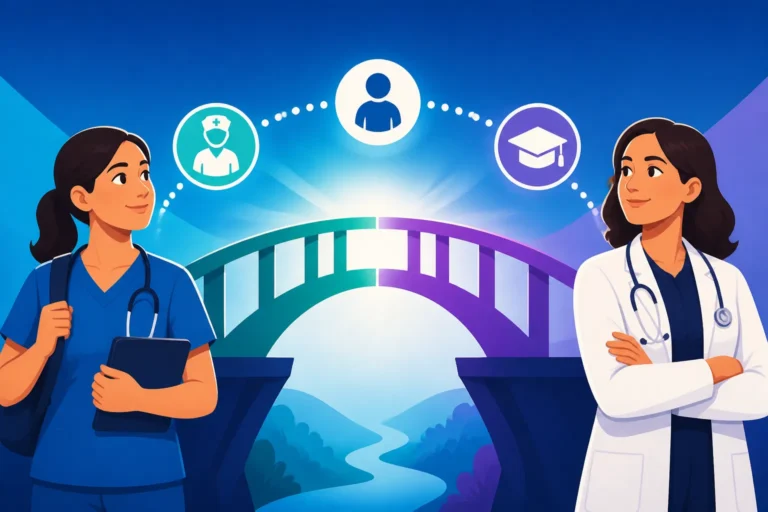
At its heart, nursing informatics acts as the critical bridge between the clinical world and the technological realm. Think about all the information generated in a hospital every single day: patient records, lab results, medication orders, scheduling, billing – it's a mountain of data. Without skilled professionals to organize, analyze, and apply this data effectively, healthcare systems would quickly become overwhelmed, and patient care could suffer. Informatics nurses are the ones who step in to ensure that information systems are user-friendly for clinicians, that data is accurate and secure, and that insights drawn from this data lead to tangible improvements in patient safety and outcomes. They speak both "nurse" and "tech," making them invaluable.
Consider a scenario where a new electronic health record (EHR) system is being implemented. A general IT professional might understand the software, but they won't grasp the nuances of a busy nursing unit or the specific workflows involved in medication administration or charting. This is where an informatics nurse shines. They can articulate the needs of their nursing colleagues to the IT team, identify potential bottlenecks, and help design a system that genuinely supports, rather than hinders, patient care. Their clinical background gives them an edge in foreseeing issues and developing practical solutions that directly impact nurses at the bedside and the patients they serve. This integration of clinical knowledge with technological prowess is what truly defines the field.
The Role of the Informatics Nurse
An informatics nurse's daily responsibilities can be incredibly varied, which is one of the aspects many find so appealing about the specialty. Unlike the often predictable rhythm of a typical nursing shift, an informatics role might involve everything from project management for a new system rollout to training staff on updated software, analyzing data trends to identify areas for improvement, or even developing new digital tools. They might spend their time in meetings with IT departments, hospital administrators, and fellow clinicians, acting as the translator and advocate for efficient, patient-centered technology.
For example, an informatics nurse might be tasked with evaluating the effectiveness of a new telehealth platform. This would involve collecting data on patient engagement, provider satisfaction, and clinical outcomes, then using analytical tools to interpret that data. If the data reveals that certain demographics struggle with the platform, the informatics nurse might then work with developers to create more intuitive interfaces or develop targeted training materials. They're constantly looking for ways to optimize processes, reduce errors, and ensure that technology truly enhances, rather than complicates, the delivery of care. They are the guardians of digital health, ensuring that every click and every data point ultimately serves the patient.
The MSN Nursing Informatics Track: What to Expect
Pursuing a Master of Science in Nursing (MSN) with a specialization in Informatics isn't just about earning another degree; it's about fundamentally shifting your approach to nursing and healthcare leadership. This advanced degree prepares you for a highly specialized role that demands critical thinking, technological proficiency, and a deep understanding of healthcare systems. You're not just learning how to use technology; you're learning how to shape it for better patient care. For many, it's a pivotal moment in their career trajectory, opening doors to influential positions. If you're pondering how this degree fits into your larger career vision, exploring the various Nursing Specializations Explained can help clarify your options.
Core Curriculum and Foundational Knowledge
The curriculum for an MSN in Nursing Informatics is designed to build upon your existing clinical knowledge, layering on advanced concepts in technology, data science, and leadership. You can expect to dive deep into subjects like healthcare information systems, database management, project management, and healthcare analytics. Ethical considerations in data privacy and security, as well as regulatory compliance, are also central components, ensuring you understand the profound responsibility that comes with managing sensitive patient information. You'll gain a comprehensive understanding of how information flows within complex healthcare organizations.
Many programs will introduce you to statistical analysis tools and methodologies, teaching you how to interpret vast datasets to identify trends, predict outcomes, and measure the impact of interventions. For instance, you might learn how to use software like SAS or R, or data visualization tools, to transform raw numbers into actionable insights. You’ll study topics such as system design and implementation, which will equip you to be a key player in rolling out new technologies in hospitals or clinics. Understanding the lifecycle of health information systems, from conception to evaluation, is paramount. Often, programs will also include courses focused on organizational leadership and change management, recognizing that implementing new systems is as much about people as it is about technology. These courses are similar in their foundational approach to those you might find in an Online MSN Programs: Complete Guide but with a strong informatics twist.
Developing Critical Skills for the Digital Age
Beyond the theoretical knowledge, an MSN Informatics program is intensely focused on cultivating a specific set of practical skills vital for success in the digital healthcare landscape. You'll hone your abilities in critical thinking and problem-solving, learning to analyze complex situations and devise effective technological solutions. Data analysis and interpretation become second nature as you learn to transform raw data into meaningful intelligence. Furthermore, communication skills are heavily emphasized, as informaticists frequently act as liaisons between clinical staff, IT professionals, and administrative leadership.
A crucial skill developed is proficiency in various health information technologies. This could include hands-on experience with advanced EHR systems, clinical decision support tools, and telehealth platforms. You'll learn how to assess the usability of these systems, identify areas for improvement, and advocate for user-friendly designs that enhance clinical workflows. Many programs incorporate real-world projects, giving you the chance to apply your learning to hypothetical or actual healthcare challenges. Tools like Uworld, for instance, are primarily known for NCLEX prep, but the fundamental skills in critical thinking and data pattern recognition they foster are transferable to complex data analysis tasks that informatics nurses undertake, helping to solidify your analytical muscle. You’ll graduate with the expertise to not only manage existing systems but also to innovate and lead the charge in developing the next generation of healthcare technology.
Benefits of an MSN in Nursing Informatics
Deciding to pursue an MSN in Nursing Informatics is a significant investment of time and resources. However, the returns on this investment are substantial, both personally and professionally. This advanced degree positions you at the forefront of healthcare innovation, allowing you to influence patient care on a systemic level and offering a pathway to some of the Highest-Paying Nursing Specialties. It’s not just about what you can do, but the impact you will make.
Enhanced Career Opportunities and Impact
With an MSN in Nursing Informatics, your career trajectory can take exciting new directions far beyond the traditional bedside. You're not just an expert clinician; you're a strategic thinker capable of analyzing data, managing complex projects, and driving technological change within healthcare organizations. This opens doors to a wide array of roles that might not be accessible to nurses with only an ADN or BSN. You could find yourself in leadership positions, working with C-suite executives to shape the future of a hospital system, or collaborating with software developers to design cutting-edge health tech solutions.
Imagine taking on a role as a Clinical Informatics Specialist at a major medical center, where you're responsible for optimizing the use of electronic health records to reduce medication errors. Or perhaps you'll become a Data Analyst for a public health agency, using population health data to track disease outbreaks and inform community interventions. You could also move into consulting, advising multiple organizations on their health IT strategies. The impact you can have is broad and far-reaching, influencing policies, improving workflows for thousands of healthcare professionals, and ultimately enhancing the safety and quality of care for countless patients. This degree empowers you to be a change agent in healthcare. For those interested in leadership roles, exploring an MSN Nursing Leadership Track might also be a complementary path.
Increased Earning Potential
Let's be real: compensation is a significant factor in any career decision, and an MSN in Nursing Informatics typically leads to a notable boost in salary. While exact figures vary based on location, experience, and the specific role, nurses with an MSN generally earn more than those with an ADN or BSN. An informatics specialization places you in a high-demand niche, where your unique skill set is highly valued, translating into more competitive pay packages. Your expertise in both nursing and technology makes you an indispensable asset, which employers are willing to pay for.
According to various sources, the average Nursing Informatics Salary can range significantly, often starting in the high five figures and quickly moving into six figures for experienced professionals or those in leadership roles like Chief Nursing Informatics Officer (CNIO). This stands in contrast to the average registered nurse salary, even for those with several years of experience. For instance, a Clinical Informatics Specialist might earn an average of $85,000 to $110,000 annually, while a CNIO could command salaries well over $150,000. These figures are compelling indicators of the financial benefits of pursuing this advanced degree. When you consider the How Much Does an MSN Cost and factor in the potential salary increase, the return on investment for an informatics MSN can be very attractive.
Contributing to Better Patient Outcomes
Beyond the personal career and financial benefits, one of the most rewarding aspects of an MSN in Nursing Informatics is the direct, albeit often behind-the-scenes, contribution to improved patient outcomes. Your work in designing, implementing, and optimizing health information systems directly impacts patient safety, efficiency of care, and overall quality. By ensuring that nurses and other clinicians have access to accurate, timely, and relevant data, you empower them to make better, more informed decisions at the point of care.
For example, an informatics nurse might lead the development of a new alert system within an EHR that flags potential drug-drug interactions or provides timely reminders for preventive screenings, directly preventing harm to patients. They might also analyze patterns in patient data to identify at-risk populations, allowing for proactive interventions that prevent hospital readmissions or adverse events. Your role could involve streamlining communication among care teams, ensuring that critical patient information isn't lost in translation. In essence, you are building the digital infrastructure that supports high-quality, safe, and effective patient care. You're not just a nurse; you're an architect of healthcare efficiency and safety.
Admission Requirements and How to Apply
Getting into an MSN Nursing Informatics program is a significant step, and understanding the admission requirements is your first hurdle. While specific criteria can vary between institutions, there are common threads that nearly all programs will look for. It's not just about academic prowess, but also about demonstrating your commitment to the field and your potential for success. Navigating the application process can feel daunting, but being prepared makes all the difference. For a broader view on program entry, consider reviewing Online MSN Requirements Explained.
Prerequisite Coursework and Experience
Most MSN Nursing Informatics programs require applicants to hold an active, unencumbered Registered Nurse (RN) license. A Bachelor of Science in Nursing (BSN) from an accredited institution is also a standard prerequisite. While some programs might offer ADN-to-MSN bridges, a BSN is typically the foundation. Your academic record matters, so a competitive GPA, often a minimum of 3.0 on a 4.0 scale, is usually expected. Beyond these fundamentals, many programs look for specific undergraduate coursework that aligns with the analytical nature of informatics.
This often includes courses in statistics, research methods, and sometimes even introductory computer science or information technology. If you don't have these specific prerequisites, don't despair! Many universities offer post-baccalaureate courses or bridge programs to help you meet these requirements before formally entering the MSN track. Clinical experience is also highly valued, as it demonstrates your foundational understanding of healthcare environments and the challenges that informatics solutions aim to address. While a certain number of years of experience might not always be explicitly required, having a few years under your belt as a working RN can significantly strengthen your application, showcasing your practical understanding of patient care and hospital operations.
Crafting a Strong Application
Once you've confirmed you meet the prerequisites, crafting a compelling application becomes your next focus. This typically involves submitting official transcripts from all prior academic institutions, a professional resume or CV detailing your work experience and any certifications, and a personal statement or essay. The personal statement is your chance to shine, articulating why you're drawn to nursing informatics, your career goals, and how the program aligns with your aspirations. Be specific and genuine; share anecdotes that demonstrate your interest in technology and healthcare integration.
Additionally, you'll likely need to provide letters of recommendation, usually from professional and academic sources who can speak to your abilities as a nurse and your potential as a graduate student. Some programs may also require an interview, either in person or virtually, which is an opportunity to elaborate on your experiences and enthusiasm for the field. Don't underestimate the power of a well-written statement and strong recommendations. They can often make the difference, especially in competitive programs. Just as Uworld helps nurses prepare for the NCLEX by identifying areas of strength and weakness, a thorough self-assessment of your experiences and articulation of your vision for the future of healthcare technology will make your application stand out. For more details on what universities look for, consult resources like MSN Admission Requirements.
Choosing the Right MSN Informatics Program
Selecting the ideal MSN Nursing Informatics program is a crucial decision that will impact your educational journey and future career. With many options available, especially online, it's easy to feel overwhelmed. Taking the time to research thoroughly and consider what truly matters to you will ensure you pick a program that aligns with your goals and provides a high-quality education. This isn't a decision to rush, as the right fit can make all the difference in your success.
Accreditation Matters
One of the absolute non-negotiables when choosing any nursing program, and especially an MSN in Nursing Informatics, is accreditation. Accreditation ensures that the program meets rigorous national standards for quality and prepares graduates for professional practice. For nursing programs, the primary accrediting bodies are the Accreditation Commission for Education in Nursing (ACEN) and the Commission on Collegiate Nursing Education (CCNE). Attending a program without proper accreditation could jeopardize your ability to sit for certification exams, pursue further graduate education, or even obtain licensure in some states.
Always verify a program's accreditation status directly through the ACEN or CCNE websites, rather than relying solely on the school's claims. These organizations provide publicly accessible databases of accredited programs. An accredited degree signals to employers, licensing boards, and future academic institutions that your education is credible and meets industry benchmarks. It's a hallmark of quality and a safeguard for your investment. Understanding the difference and importance of each accrediting body is key, and resources like CCNE vs ACEN Accreditation Explained can offer further clarity.
Online, Hybrid, or On-Campus: Weighing Options
The format of your MSN Nursing Informatics program is another significant consideration. Many nurses pursuing an advanced degree are already working professionals, often balancing demanding schedules. This is why online and hybrid programs have become increasingly popular, offering the flexibility to study while maintaining your career and personal life.
- Online Programs: These offer the ultimate flexibility, allowing you to complete coursework from anywhere with an internet connection. They are ideal for nurses who need to manage family commitments, work full-time, or live far from a university. However, online learning requires strong self-discipline and time management skills. Many online programs offer multiple start dates throughout the year, making it easier to begin when the time is right for you. Keep in mind that even fully online programs often have a practicum or capstone project component that may require some in-person or localized activity, though these are typically flexible. If this sounds like you, exploring a guide on How Long Is an Online MSN might be beneficial.
- Hybrid Programs: These combine online coursework with some on-campus attendance, such as weekly labs, intensives, or periodic workshops. They offer a balance between flexibility and in-person interaction, which can be beneficial for those who thrive with some direct faculty and peer engagement. This format might appeal to those who prefer the structure of traditional learning but still need some scheduling flexibility.
- On-Campus Programs: Traditional on-campus programs involve regular attendance at a physical university. While less flexible, they offer direct access to faculty, campus resources, and a more structured learning environment. This might be preferred by students who benefit from face-to-face instruction and a strong cohort experience.
Your choice should reflect your learning style, personal commitments, and geographical limitations. Be realistic about what you can commit to before enrolling.
Faculty Expertise and Program Specializations
The quality of the faculty and the specific focus areas of a program can greatly influence your learning experience and the depth of your knowledge. Look for programs where the faculty members are not only experienced educators but also active practitioners or researchers in the field of nursing informatics. Their real-world experience brings invaluable insights into the classroom, bridging theory with practical application.
Investigate the faculty's backgrounds: Do they hold certifications in informatics? Are they publishing research in leading journals? Do they have experience with the types of health systems and technologies you're interested in? Some programs might also have specific strengths, such as a focus on data analytics, clinical decision support, or cybersecurity in healthcare. Choosing a program with faculty whose expertise aligns with your interests can provide a richer, more tailored educational experience. It’s about finding mentors who can guide you toward becoming a leader in this dynamic field.
Career Opportunities for MSN-Prepared Informaticists
An MSN in Nursing Informatics doesn't just expand your knowledge; it fundamentally transforms your career prospects. The demand for nurses who can navigate the intersection of healthcare and technology is growing exponentially, offering a diverse array of roles in various settings. This specialization opens doors to impactful positions that contribute significantly to the efficiency, safety, and future of healthcare. For a general overview of where an advanced degree can take you, look into Jobs You Can Get with an MSN.
Diverse Roles in Various Settings
Graduates with an MSN in Nursing Informatics are highly sought after in a multitude of healthcare and technology environments. Your clinical background combined with advanced technical skills makes you a versatile asset. You'll find opportunities in:
- Hospitals and Healthcare Systems: This is perhaps the most common setting, where informaticists work to optimize EHRs, implement new clinical systems, train staff, and analyze data for quality improvement initiatives. Roles might include Clinical Informatics Specialist, Application Coordinator, or Project Manager.
- Ambulatory Clinics and Outpatient Centers: Similar to hospitals, but with a focus on smaller-scale systems and specific clinic workflows.
- Healthcare IT Vendors: Companies that develop and sell health information technology need informaticists to serve as product managers, implementation specialists, or client trainers. Your clinical perspective is invaluable in creating user-friendly and effective solutions. Many reputable vendors, like Epic Systems, Cerner (now Oracle Health), and Meditech, actively recruit informatics nurses for these roles.
- Consulting Firms: Informatics consultants advise multiple healthcare organizations on their IT strategies, system selections, and implementation projects. This often involves travel and exposure to diverse healthcare environments.
- Government Agencies and Public Health Departments: These organizations employ informaticists for population health management, disease surveillance, and policy development related to health IT.
- Academic Institutions: Teaching the next generation of informaticists, conducting research, and developing curriculum.
- Insurance Companies and Managed Care Organizations: Analyzing claims data, identifying trends in patient care, and developing programs for chronic disease management.
Each setting offers unique challenges and rewards, allowing you to tailor your career path to your specific interests and passions. Your skills are adaptable and valuable across the entire healthcare ecosystem.
Advancing to Leadership Positions
One of the most exciting aspects of an MSN in Nursing Informatics is the clear pathway to leadership and executive roles. As you gain experience and demonstrate your expertise, you can climb the ladder to positions of significant influence, shaping the strategic direction of health IT within an organization. These roles often involve managing teams, overseeing large-scale projects, and playing a pivotal role in organizational decision-making.
Common leadership positions include:
- Chief Nursing Informatics Officer (CNIO): This is a top-tier executive role, typically reporting directly to the Chief Nursing Officer or Chief Information Officer. The CNIO is responsible for the overall vision, strategy, and leadership of clinical information systems from a nursing perspective. They ensure that technology aligns with nursing practice and organizational goals.
- Director of Clinical Informatics: Oversees a department or team of informatics specialists, managing projects, budgets, and staff development.
- Informatics Project Manager: Leads the implementation of new systems or major upgrades, coordinating teams, timelines, and resources. They ensure projects are completed on time and within budget, meeting clinical objectives.
- Lead Clinical Analyst: Often a senior role that provides expertise and guidance to other informatics professionals, focusing on complex system configurations and advanced data analysis.
- Data Analytics Manager: Specializes in leading teams focused on interpreting healthcare data to drive insights, improve quality, and support evidence-based practice.
These roles require not only technical expertise but also strong leadership, communication, and strategic planning skills, all of which are honed during an MSN Informatics program. You're not just a nurse who uses technology; you become a leader who designs the future of nursing with technology at its core. It's a truly impactful way to leave your mark on healthcare.
| Role Title | Typical Setting | Key Responsibilities | Estimated Annual Salary Range (USD) |
|---|---|---|---|
| Clinical Informatics Specialist | Hospitals, Clinics | EHR optimization, staff training, system support, workflow analysis, data integrity. | $85,000 – $110,000 |
| Informatics Project Manager | Hospitals, IT Vendors | Leading system implementations, managing timelines, budgets, and cross-functional teams. | $90,000 – $130,000 |
| Chief Nursing Informatics Officer (CNIO) | Large Healthcare Systems | Strategic leadership, health IT vision, policy development, executive oversight of informatics initiatives. | $120,000 – $180,000+ |
| Healthcare Data Analyst | Hospitals, Research, Insurance | Collecting, cleaning, and interpreting healthcare data to identify trends and inform decision-making. | $75,000 – $105,000 |
| Clinical Systems Educator/Trainer | Hospitals, IT Vendors | Developing and delivering training programs for new and existing clinical information systems. | $70,000 – $95,000 |
Note: Salary ranges are approximate and can vary widely based on location, experience, organization size, and specific responsibilities.
Disclaimer
Please remember that the information provided in this guide is intended for general informational purposes only and does not constitute professional advice. Nursing program requirements, costs, and career opportunities can change, so always consult official university websites, accreditation bodies, and professional organizations for the most accurate and up-to-date details.