Best Online Pediatric Nurse Practitioner Programs
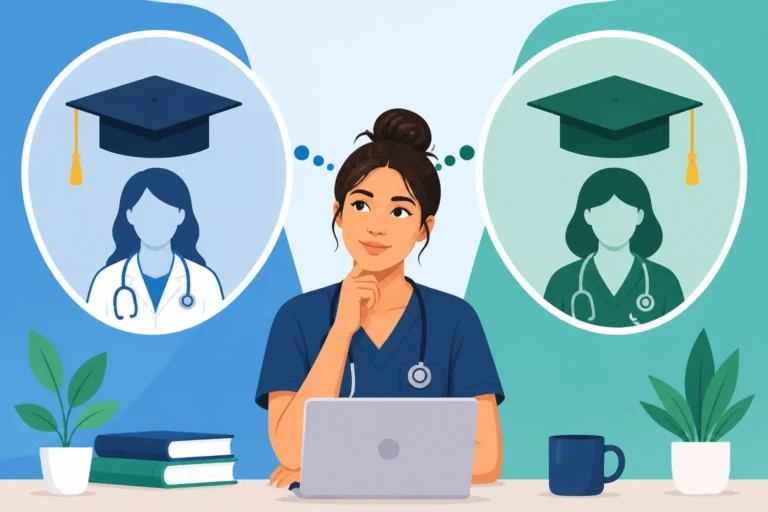
Navigating the world of advanced nursing degrees can feel like trying to solve a complex puzzle, especially when you're dedicated to a specialty like pediatrics. Many experienced Registered Nurses dream of becoming a Pediatric Nurse Practitioner (PNP) but feel overwhelmed by the thought of traditional campus programs, balancing work, family, and studies. This comprehensive guide is here to demystify the process of finding and succeeding in the best online Pediatric Nurse Practitioner programs, helping you identify programs that fit your unique needs and career aspirations while setting you up for success.
Why Choose an Online Pediatric Nurse Practitioner Program
Deciding to pursue an advanced degree like a Master of Science in Nursing (MSN) to become a Pediatric Nurse Practitioner is a huge step, and the online format offers a lot of practical advantages for working nurses. It’s not just about convenience; it’s about strategically advancing your career without pressing pause on your life.
Flexibility for Working Nurses
Let's be real: most nurses aren't fresh out of their undergraduate program. You've got bills to pay, shifts to cover, and often, a family to care for. The idea of adding a rigid, in-person graduate school schedule on top of all that can seem impossible. That's where online PNP programs shine. They offer a level of flexibility that traditional programs simply can't match. You can often access lectures, submit assignments, and participate in discussions on your own schedule, whether that's late at night after the kids are asleep or during a quiet afternoon off. This allows you to continue working and earning an income, which is crucial for many nurses looking to avoid taking on excessive student loan debt or putting their career on hold. Many institutions specifically design these programs for working nurses, understanding the unique challenges you face. For more insights on this, you might find our guide on RN to BSN for Working Nurses particularly helpful, as many of the principles of balancing work and school apply to MSN programs too.
Geographic Accessibility
One of the biggest hurdles for nurses wanting to specialize can be the sheer lack of local programs. What if the best or even any PNP program isn't offered within a reasonable commute from your home? Online programs obliterate this barrier. Suddenly, you're not limited to the handful of universities in your state; the entire nation becomes your campus. This opens up opportunities to learn from top faculty at institutions renowned for their nursing programs, regardless of where they're physically located. For example, a nurse living in rural Montana could enroll in a highly-rated program offered by a university in, say, Ohio or Texas, without ever needing to relocate. This expanded access means you can find a program that truly aligns with your educational philosophy and career goals, rather than settling for the closest option.
Advancing Your Career and Earning Potential
Let's not forget one of the most compelling reasons to become a PNP: career growth and increased earning potential. As an Advanced Practice Registered Nurse (APRN), a Pediatric Nurse Practitioner plays a vital role in healthcare, offering primary and/or acute care to children from infancy through young adulthood. This specialization opens doors to leadership roles, opportunities in various clinical settings like hospitals, private practices, and community clinics, and often comes with a significant salary bump. Our article on Pediatric Nurse Practitioner Salary and Job Outlook delves deeper into the financial benefits and career trajectory you can expect. Beyond just the numbers, an advanced degree equips you with a deeper understanding of pediatric health, advanced assessment skills, and the critical thinking necessary to manage complex patient cases, ultimately leading to more professional satisfaction and better patient outcomes.
What to Look for in the Best Online PNP Programs
Choosing an online Pediatric Nurse Practitioner program isn't just about finding one that fits your schedule; it's about finding one that provides a high-quality education, prepares you for certification, and aligns with your professional aspirations. There are several critical factors you absolutely need to consider to ensure you're making the right investment in your future.
Accreditation and Reputation
This is non-negotiable, folks. Just like with any nursing program, accreditation is the bedrock of legitimacy for an online PNP program. You need to ensure the program is accredited by either the Accreditation Commission for Education in Nursing (ACEN) or the Commission on Collegiate Nursing Education (CCNE). Without accreditation, your degree might not be recognized for licensure, future certifications, or even by employers. Think of it this way: an unaccredited degree is like building a house on sand. You definitely want a solid foundation!
Beyond basic accreditation, consider the university's overall reputation. Does the nursing school have a strong track record? Are its graduates successful? While online, you're still earning a degree from a specific institution, and its reputation can carry weight in your job search and professional network. For a more detailed look at why accreditation matters so much, check out our piece on Why RN to BSN Accreditation Matters which provides a foundational understanding relevant to all levels of nursing education.
Curriculum and Specialization Focus
Online PNP programs typically offer two main tracks: Primary Care Pediatric Nurse Practitioner (PNP-PC) or Acute Care Pediatric Nurse Practitioner (PNP-AC). Some programs even offer dual concentrations or post-master's certificates. Understanding the specific focus of the curriculum is paramount.
- PNP-PC programs generally prepare you to provide comprehensive primary healthcare to children from birth through young adulthood. This includes health promotion, disease prevention, diagnosis and management of common acute and chronic illnesses, developmental screening, and patient education. You'll often find courses on well-child care, common pediatric conditions, and family-centered care.
- PNP-AC programs focus on critically ill, medically unstable, or technologically dependent pediatric patients in acute care settings like PICUs, emergency departments, and specialty clinics. The curriculum emphasizes advanced physiology, pharmacology, complex diagnostic reasoning, and managing life-threatening conditions.
Carefully review the course catalog. Does it cover the specific areas of pediatric nursing you're passionate about? Does it align with the kind of role you envision for yourself post-graduation? Some programs might have unique electives or special projects that could further your niche interests. For example, Drexel University's online PNP program offers both primary and acute care tracks, allowing students to select the path that best suits their career goals, while the University of Alabama at Birmingham (UAB) is well-regarded for its comprehensive online MSN programs, including a robust PNP option.
Clinical Hour Requirements and Preceptor Support
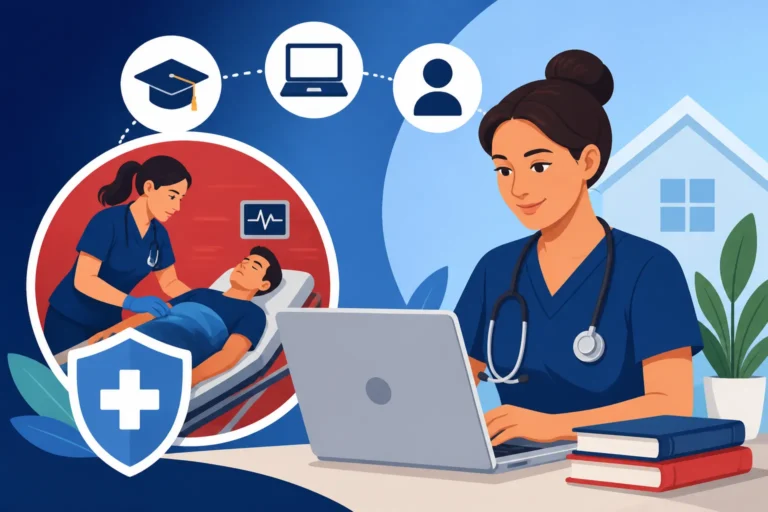
This is often the most anxiety-inducing part of online advanced practice programs: the clinical hours. While the didactic coursework is online, you will need hands-on clinical experience to become a PNP. The specific number of clinical hours required can vary by program and state, but typically ranges from 500 to 700 hours. This is where the rubber meets the road.
One of the most critical questions to ask prospective programs is about their preceptor support. Will they help you find and secure clinical sites and preceptors in your local area, or are you entirely on your own? Programs that offer strong preceptor coordination can be a lifesaver. Finding a qualified preceptor who is willing to take on an online student can be challenging, especially in rural areas. Ask about their success rates in placing students and what resources they provide. A program that leaves you to fend for yourself for clinical placements can significantly delay your graduation or even make it impossible. Our guide on MSN Clinical Hours Requirements provides additional context on what to expect.
Program Length and Pacing Options
Online PNP programs aren't one-size-fits-all when it comes to completion time. Most offer both full-time and part-time options, which is a huge benefit for working nurses.
- Full-time programs can typically be completed in 2-3 years, allowing you to get into practice sooner. However, the workload is intense, and balancing it with a full-time nursing job can be incredibly demanding. You'll likely need to reduce your work hours significantly or stop working altogether.
- Part-time programs might take 3-5 years, but they offer a much more manageable pace. This is often the preferred route for nurses who need to maintain their income and have significant personal responsibilities.
Consider your current commitments, financial situation, and study habits. Be realistic about how many courses you can truly handle each semester. Rushing through an advanced degree can lead to burnout and poor academic performance. Also, ask about cohort models versus self-paced options. Some online programs advance students together as a cohort, fostering a strong sense of community, while others offer more flexible, individualized pacing.
Cost and Financial Aid
Let's talk money, honey. Online PNP programs can be a significant investment, with tuition costs varying widely based on the institution (public vs. private), in-state vs. out-of-state residency, and program length. Don't forget to factor in other costs like textbooks, technology fees, clinical fees, and certification exam fees.
Explore all your financial aid options. Most universities have financial aid departments dedicated to helping graduate students. This can include federal student loans, institutional scholarships, grants, and even employer tuition reimbursement programs. Many healthcare systems are eager to retain and advance their BSN-prepared nurses, so they might offer assistance. Don't hesitate to ask your current employer about their policies. We have a comprehensive article on MSN Financial Aid and Scholarships that can walk you through the various avenues for funding your education. Always compare the total estimated cost of several programs, not just the per-credit hour fee, to get a true picture.
Top Considerations for Online Pediatric Nurse Practitioner Programs
Beyond the foundational elements, there are several nuances to online PNP programs that can significantly impact your learning experience and ultimate success. These often get overlooked but are crucial for a truly good fit.
Synchronous vs. Asynchronous Learning
Online learning isn't just one thing; it comes in different flavors that affect how and when you interact with your coursework and classmates.
- Synchronous learning means you'll have live, scheduled online sessions where you log in at a specific time, often using video conferencing tools like Zoom or Microsoft Teams. These sessions might include live lectures, interactive discussions, or group work. The benefit is real-time interaction with professors and peers, which can foster a stronger sense of community and keep you on track. The downside is that it requires you to be available at those specific times, which can be tricky if you're juggling a demanding work schedule or live in a different time zone.
- Asynchronous learning offers much greater flexibility. All course materials – lectures (often pre-recorded), readings, discussion boards, assignments – are available for you to access whenever it's most convenient. You work through the material at your own pace within set deadlines. This is ideal for nurses with unpredictable schedules or those who prefer to study late at night or early in the morning. The potential drawback is that it might require more self-discipline and can sometimes feel less interactive, though most programs try to build engagement through robust online discussion forums.
Many of the "best" online programs will offer a blend of both, giving you the flexibility of asynchronous content with occasional synchronous sessions for deeper discussion or Q&A. This hybrid approach often provides the best of both worlds.
Faculty Expertise and Support
Your professors are your guides through this advanced degree, and their expertise is incredibly valuable. Look for programs where the faculty members are active Pediatric Nurse Practitioners, researchers, or leaders in the field. Their real-world experience can provide invaluable insights that go beyond textbook knowledge.
Beyond their credentials, consider the level of support they offer. Are they accessible for questions? Do they provide timely and constructive feedback? In an online environment, good communication from faculty is paramount. Look for programs that emphasize a strong student-to-faculty ratio in their online courses, ensuring you won't feel like just another face in a virtual crowd. A quick search can often reveal faculty bios and their areas of specialization, which can give you a good sense of the caliber of instruction you'll receive.
Student Support Services
Enrolling in an online program, especially at the graduate level, can feel isolating at times. That's why robust student support services are so critical. You're not just buying access to lectures; you're joining an academic community.
Look for programs that offer:
- Academic advising: Dedicated advisors who can help you navigate course selection, clinical placements, and degree requirements.
- Technical support: Easy access to help when you inevitably run into a tech glitch.
- Library resources: Full access to online journals, databases, and research tools, ideally with dedicated nursing librarians.
- Career services: Assistance with resume building, interview prep, and job searching after graduation.
- Mental health and wellness support: Graduate school is tough, and having access to counseling services can be incredibly beneficial.
Top programs understand that online students need just as much, if not more, support than their on-campus counterparts. For instance, reputable institutions like Ohio State University, known for its extensive online offerings, typically provide robust student support to ensure online learners feel connected and resourced.
State Authorization and Licensure
This is a frequently overlooked but critically important consideration. Just because a university offers an online program doesn't mean it's authorized to deliver that program to students in every state. State authorization laws vary widely, and some states require specific approvals for out-of-state institutions to enroll their residents in online programs, particularly for fields leading to licensure.
Before you even apply, check the program's website or contact the admissions office to confirm that they are authorized to enroll students from your specific state. Furthermore, ensure the program meets the educational requirements for PNP licensure in your state. While an accredited MSN will generally qualify you for national certification, individual state Boards of Nursing can have specific requirements. A quick call or email to your state's Board of Nursing can clarify any ambiguities. Failing to do this due diligence could mean you complete a program only to find you cannot be licensed in your home state, which would be a heartbreaking scenario.
Navigating Your Application and Post-Graduation Path
Once you've zeroed in on the best online Pediatric Nurse Practitioner programs, the next steps involve a strategic approach to your application and a clear vision for your future career. It's about presenting your best self and understanding what comes next.
Admission Requirements and Application Process
Getting into a quality online PNP program is competitive, and the requirements are often rigorous. While specific details vary by institution, you can generally expect to need:
- A Bachelor of Science in Nursing (BSN) from an accredited program.
- An active, unencumbered Registered Nurse (RN) license. Some programs may require you to hold a license in the state where the university is located, or at least in a Nurse Licensure Compact (NLC) state.
- A minimum GPA, often 3.0 or higher in your BSN coursework. Don't be discouraged if your GPA is a little lower; some programs offer RN to BSN Programs with No GPA Requirement or allow for a strong personal statement and experience to compensate.
- Letters of recommendation, usually from academic or professional references who can speak to your nursing skills and readiness for graduate-level study.
- A personal statement or essay articulating your career goals, why you want to become a PNP, and why you're choosing their specific program.
- A resume or CV detailing your clinical experience, certifications, and any leadership roles. Many programs prefer or even require at least one year of pediatric nursing experience.
- Transcripts from all prior colleges and universities.
- Possibly a GRE score, though many MSN programs, especially online ones, are moving away from this requirement. Always check the individual program's specifics.
The application process typically involves an online portal where you upload documents. Pay close attention to deadlines, as these programs often have multiple start dates throughout the year. For comprehensive details on what generally goes into applying for advanced nursing degrees, you might want to look at our guide on MSN Admission Requirements.
Certification and Licensure
After successfully completing your online PNP program, the journey isn't quite over. To practice as a Pediatric Nurse Practitioner, you must achieve national certification and obtain state licensure.
- National Certification: For PNPs, the primary certifying body is the Pediatric Nursing Certification Board (PNCB). You'll typically take either the Certified Pediatric Nurse Practitioner – Primary Care (CPNP-PC) exam or the Certified Pediatric Nurse Practitioner – Acute Care (CPNP-AC) exam, depending on your program's focus. These exams are rigorous and require thorough preparation. Many students find review courses and practice questions, often found on platforms like Uworld, to be invaluable in preparing for these high-stakes tests. Passing your certification exam is a monumental step, validating your specialized knowledge and clinical judgment. You can learn more about this process in our guide on NP Certification Exams Explained.
- State Licensure: Once certified, you'll apply for licensure with your state's Board of Nursing. This process typically involves submitting your academic transcripts, proof of certification, and a background check. Each state has its own specific requirements, and it's essential to understand these early on. Some states have full practice authority for NPs, while others have reduced or restricted practice, which can affect your autonomy as a PNP.
Career Opportunities and Professional Growth
The demand for Pediatric Nurse Practitioners is robust and projected to grow significantly. PNPs are crucial in filling healthcare gaps, especially in underserved areas, and are highly valued for their specialized expertise in child health.
Upon graduation and licensure, you'll find a wide array of career opportunities:
- Primary Care Clinics: Providing well-child visits, immunizations, and managing common illnesses.
- Hospitals: Working in pediatric units, emergency departments, or specialized clinics (for PNP-ACs).
- Specialty Clinics: Such as cardiology, endocrinology, or pulmonology, focusing on specific pediatric conditions.
- School-Based Health Centers: Offering accessible healthcare services to students.
- Community Health Centers: Serving diverse populations and promoting child wellness.
Beyond direct patient care, earning your MSN as a PNP also opens doors to roles in nursing education, research, and healthcare policy. It’s a versatile degree that can lead to a deeply fulfilling and impactful career. Many graduates find that the investment in an advanced degree, like an MSN, is genuinely Is an MSN Worth It for the long-term career benefits and personal satisfaction.
Table: Key Program Comparison Factors for Online PNP Programs
To help you organize your thoughts as you research programs, here’s a table outlining key comparison factors you should investigate for each prospective online PNP program.
| Feature | Primary Care PNP (PNP-PC) Example | Acute Care PNP (PNP-AC) Example | Considerations & Questions to Ask |
|---|---|---|---|
| Accreditation | CCNE/ACEN accredited | CCNE/ACEN accredited | Essential! Confirm recognized accreditation for national certification. |
| Curriculum Focus | Health promotion, disease prevention, common acute/chronic illness | Critical care, complex diagnostics, acute/chronic complex illness management | Does it align with your desired patient population/setting? Primary or Acute? |
| Typical Clinical Hours | 500-700 hours (e.g., in clinics, private practices) | 500-750+ hours (e.g., PICU, ER, specialty hospital units) | Does the program assist with preceptor placement? Are sites available locally? |
| Program Length (Part-Time) | 3-5 years | 3-5 years | Can you balance this with your current work/life? What is the maximum time to complete? |
| Program Length (Full-Time) | 2-3 years | 2-3 years | Is the workload manageable given your other commitments? |
| Total Estimated Cost | $30,000 – $60,000+ (varies greatly by institution) | $35,000 – $70,000+ (varies greatly by institution) | What's included? Are there hidden fees? Are financial aid options available? |
| Learning Format | Mix of asynchronous coursework with some synchronous seminars | Primarily asynchronous with potential synchronous clinical conferences | Do you prefer self-paced or scheduled live sessions? |
| Faculty Expertise | Experienced PNP-PC clinicians, researchers in child development | Experienced PNP-AC clinicians, specialists in critical care pediatrics | Are faculty accessible? Do their specializations align with your interests? |
| Student Support | Dedicated academic advisor, tech support, library access | Career services, mental health resources, tutoring | What resources are available to online students specifically? |
| State Authorization | Approved to offer online programs in your specific state of residence | Approved to offer online programs in your specific state of residence | Crucial! Confirm authorization for your state before applying. |
Remember, this table provides a general overview, and you'll need to dig into the specifics of each program you're considering. The right online PNP program is out there for you – it just takes a bit of diligent research to find it.
Disclaimer
Please note that the information provided in this article is intended for general guidance and informational purposes only, and does not constitute professional career, financial, or educational advice. Program details, accreditation status, admission requirements, tuition costs, and licensure regulations can change frequently. It is essential to verify all information directly with the educational institutions and relevant state licensing boards before making any decisions.