Best Online Women’s Health NP Programs
Deciding to advance your nursing career to become a Women's Health Nurse Practitioner (WHNP) is an exciting step, but finding the right online program can feel like navigating a maze. Many nurses struggle to sift through countless options, worrying about accreditation, clinical placements, and whether an online format truly prepares them for this specialized role. This guide is designed to cut through the confusion, helping you understand what makes an online WHNP program truly exceptional and how to choose the best fit for your professional aspirations and busy life.
Understanding the Women's Health Nurse Practitioner Role
Becoming a Women's Health Nurse Practitioner is more than just a job; it's a calling to provide specialized, compassionate care throughout a woman's lifespan. This role is dynamic, demanding a deep understanding of unique health challenges and a commitment to patient education and advocacy. Before diving into programs, it's crucial to grasp the full scope of what a WHNP does, the diverse environments they work in, and why this specialization is so vital in healthcare today.
The Scope of Practice for WHNPs
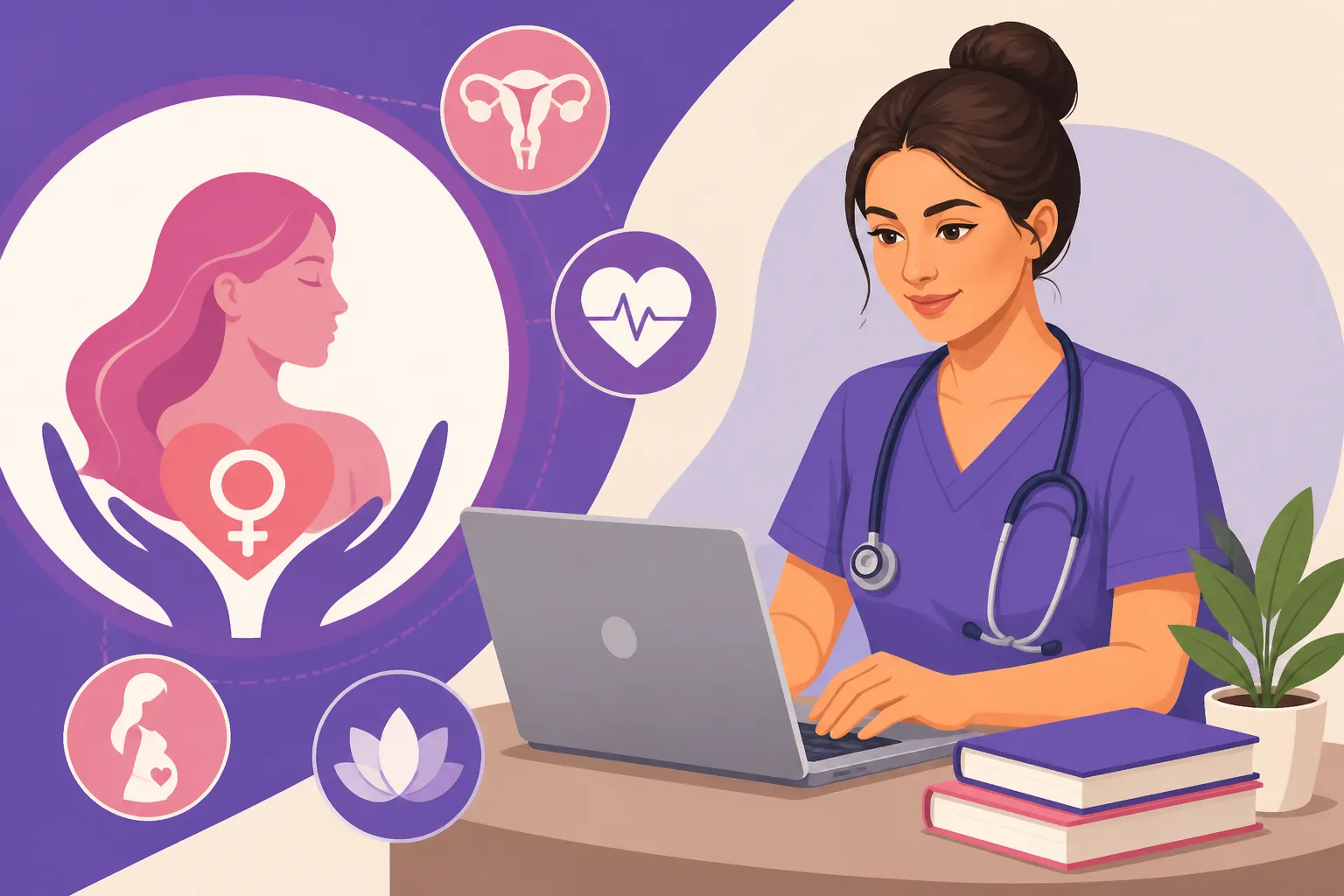
Women's Health Nurse Practitioners are advanced practice registered nurses (APRNs) dedicated to meeting the diverse healthcare needs of women from adolescence through the senior years. This isn't just about reproductive health, although that's a significant part of it. It encompasses primary care within the context of women's health, focusing on preventive care, early detection of illnesses, and managing chronic conditions specific to women. Think about a typical day: a WHNP might conduct annual well-woman exams, perform breast and cervical cancer screenings, provide preconception counseling, manage contraception, address menopausal symptoms, and educate patients on healthy lifestyle choices. They act as primary care providers for many women, offering continuity of care and building trusting relationships.
The frustrations for many nurses considering this path often revolve around the breadth of knowledge required. It's not just about memorizing facts; it's about integrating complex physiological, psychological, and social factors into individualized care plans. You're often the first line of defense, making critical decisions that impact a woman's long-term health. The learning curve is steep, but the reward of empowering women to take charge of their health is immeasurable. If you're eager to learn more about the specifics of this career path, our detailed guide on how to become a Women's Health NP can provide further insights.
Common Clinical Settings for WHNPs
One of the great appeals of the WHNP role is the variety of clinical settings available. Unlike some specialties confined to specific departments, WHNPs can find fulfilling work in many different environments. You'll commonly find WHNPs in private gynecology offices, where they handle routine check-ups and manage common women's health concerns. Family planning clinics also heavily rely on WHNPs for contraception counseling, STI screening, and reproductive health education. Beyond these, WHNPs are vital in community health centers, extending care to underserved populations, often being the only accessible women's healthcare provider in certain areas.
Hospital outpatient clinics, college health centers, and even some primary care practices also employ WHNPs to offer specialized services. For instance, a WHNP in a college health center might focus on sexual health education, contraception, and initial screenings for common infections. In a community clinic, they might be involved in prenatal care navigation for low-income families or post-partum support. The flexibility means you can often tailor your work environment to your interests and desired patient population, whether that's working with adolescents, focusing on fertility, or specializing in geriatric women's health. This adaptability is a huge draw for nurses looking for a long-term, evolving career.
Key Considerations for Choosing an Online WHNP Program
Embarking on an online Women's Health Nurse Practitioner program requires careful consideration of many factors beyond just the curriculum. The flexibility of online learning is fantastic, but it also comes with unique challenges, especially when it involves advanced clinical practice. You'll want to ensure the program you choose not only fits your academic needs but also supports you in areas like clinical placements, financial planning, and eventual certification.
Accreditation and Program Quality
When evaluating online WHNP programs, the first and arguably most critical factor is accreditation. You absolutely must choose a program accredited by either the Accreditation Commission for Education in Nursing (ACEN) or the Commission on Collegiate Nursing Education (CCNE). Unaccredited programs can jeopardize your ability to sit for certification exams, obtain licensure, and secure employment as a WHNP. It’s a non-negotiable standard that protects your investment and your future career. Think of it this way: an accredited degree is your passport to practice. Without it, you’re stuck at the border.
Beyond basic accreditation, "program quality" encompasses many things. Look at faculty credentials: are they experienced WHNPs themselves? What are their clinical backgrounds? Investigate student-to-faculty ratios, especially for clinical advisement. A program with a strong reputation will often boast high student satisfaction rates, excellent NCLEX and certification exam pass rates (for general MSN and NP certification respectively), and a robust alumni network. You can often find this information directly on university websites or through national nursing organizations. Don't be shy about asking admissions counselors about these metrics. It's also worth looking into their policies on RN to BSN accreditation matters if you're coming from an ADN background, as understanding the importance of accredited pathways is fundamental.
Curriculum and Specialization Focus
An online WHNP curriculum will build upon your existing nursing knowledge, diving deep into advanced pathophysiology, advanced pharmacology, and advanced health assessment, all with a women's health focus. Core WHNP coursework typically includes topics like gynecological health, obstetrics (non-high-risk), reproductive endocrinology, family planning, common primary care issues in women, and health promotion across the lifespan. You'll study everything from adolescent gynecology to menopausal hormone therapy and bone density concerns. Some programs might offer specific tracks or electives that allow you to further specialize, perhaps in areas like fertility or lactation.
Consider how the program integrates theoretical knowledge with practical application. Are there simulation labs? Case studies that reflect real-world scenarios? What kind of technology do they use for distance learning? A high-quality program will ensure that even in an online format, you are engaged with the material in a way that prepares you for complex clinical decision-making. Don't just look at the course titles; dig into the descriptions to ensure they align with your career interests and cover the full spectrum of women's health needs you anticipate addressing in practice. A solid curriculum is vital for success, and you can get a good overview of the core subjects by researching MSN program prerequisites.
Clinical Placement and Preceptor Support
One of the biggest anxieties for online NP students is securing clinical placements and finding suitable preceptors. Let's be real: this is often the make-or-break aspect of an online program. Some online programs require you to find all your own preceptors and clinical sites, which can be incredibly challenging, time-consuming, and frankly, a major source of stress. Others offer varying levels of support, from providing a list of potential sites to actively placing students in clinical rotations. When considering a program, ask very direct questions about their clinical placement support. What percentage of students receive full placement assistance? What is the geographic reach of their clinical network? Do they have established partnerships with clinics and hospitals in your region?
The number of MSN clinical hours requirements can vary, but typically, WHNP programs require a significant amount of supervised clinical practice. For instance, many programs require anywhere from 500 to 1,000 direct patient care hours. Understanding how these hours are structured, whether they are flexible, and how much responsibility you will have in finding placements is critical. Programs that offer strong preceptor support, even if it adds slightly to the tuition, can be invaluable for your peace of mind and successful completion of the program. A lack of support here can easily extend your program length or even lead to dropping out.
Program Length and Flexibility
Online WHNP programs offer various pacing options to accommodate working nurses. You'll find full-time accelerated options that might get you through in as little as 18-24 months, and part-time tracks that can take three to four years or even longer. Your choice here depends heavily on your current work-life balance and financial situation. An accelerated program, while tempting, demands a significant time commitment, often making it difficult to maintain full-time employment. Many nurses find themselves asking, "How many hours a week for RN to BSN?" or similar questions for their MSN, highlighting the need for careful planning.
Consider the program's flexibility regarding course loads, start dates, and asynchronous vs. synchronous learning. Some programs offer multiple start dates throughout the year, which can be helpful if you need to align with work schedules or family commitments. Asynchronous courses allow you to complete coursework on your own time within weekly deadlines, while synchronous components might require you to be online at specific times for live lectures or discussions. A truly flexible program will provide options that respect your existing responsibilities, understanding that most online NP students are juggling a career, family, and other life demands. Look for programs with strong academic advising that can help you plan a realistic course load, particularly if you are wondering about balancing work and an MSN program.
Cost and Financial Aid Options
Let's talk about the elephant in the room: cost. Online WHNP programs can vary widely in tuition, from state university rates to private institution fees. Beyond tuition, you'll need to factor in fees, books, technology requirements, potential travel for intensives or graduation, and the cost of certification exams. It's not uncommon for an MSN program to cost anywhere from $20,000 to upwards of $80,000, depending on the institution and program length. Understanding how much an MSN costs is a significant first step.
Don't let the sticker shock deter you, though. Many financial aid options are available, including federal student loans, grants, and scholarships specifically for nursing students. Explore institutional scholarships offered by the universities themselves. Your employer might also offer tuition reimbursement programs, especially if they value advanced practice nurses. Some programs, like those at public universities in states like Texas (e.g., UT Arlington) or private online giants like Walden University, often have transparent cost structures and financial aid advisors ready to help. Always fill out the Free Application for Federal Student Aid (FAFSA) to see what federal aid you qualify for. You can find more information about securing financial assistance in our article on MSN financial aid and scholarships.
Identifying Reputable Online WHNP Programs
While I can't definitively crown a single "best" program because the ideal choice is deeply personal, I can highlight what to look for when researching excellent online Women's Health Nurse Practitioner programs. Many institutions have well-established, highly-regarded online offerings that consistently produce competent and confident WHNPs.
What Makes a Program Stand Out
Reputable online WHNP programs are distinguished by a few key characteristics. Firstly, they consistently maintain national accreditation from CCNE or ACEN, a non-negotiable for future licensure and certification. Beyond that, strong programs boast high certification pass rates for their graduates. This indicates that their curriculum and clinical experiences are effectively preparing students for the rigorous WHNP certification exam. You should also look for a comprehensive and clearly articulated curriculum that covers the full scope of women's health, from adolescence through menopause, and includes robust training in primary care principles relevant to women's health.
Exceptional programs also provide robust student support services tailored for distance learners. This includes dedicated academic advisors, technical support, career services, and mental health resources. Because online students are often juggling multiple responsibilities, responsive support can make a huge difference. For example, some programs excel at helping students navigate the complex process of finding suitable clinical placements and preceptors, often having established networks to assist students across various states. Consider universities known for their nursing excellence and distance learning capabilities. Institutions like the University of Cincinnati, Frontier Nursing University, and Drexel University are often cited for their strong online NP programs, offering specific WHNP tracks that meet these high standards.
Reviewing Program Features and Benefits
When you're digging into the details, compare specific features and benefits. Does the program offer a competency-based curriculum, allowing you to move through material at your own pace once mastery is demonstrated? Are there opportunities for interprofessional education, even in an online format, which can be crucial for understanding collaborative care? Look at the technology platform used for learning – is it user-friendly, reliable, and does it support interactive learning? Many programs utilize popular learning management systems like Canvas or Blackboard.
Another benefit to consider is the program's connection to the professional nursing community. Do they encourage participation in professional organizations like the National Association of Nurse Practitioners in Women's Health (NPWH)? Do they offer mentorship opportunities? These connections can be invaluable for networking, finding job opportunities, and staying current with practice guidelines. For instance, programs that emphasize a strong community component, even online, can foster a sense of belonging and support among students. Ultimately, the "best" program for you will be one that aligns with your learning style, career goals, and provides the necessary support structure to succeed in a challenging but rewarding field. To truly make an informed decision, it's wise to review our general guide on how to choose an online MSN program.
Here’s a comparative table of key features to consider when evaluating online WHNP programs:
| Feature | What to Look For | Why it Matters |
|---|---|---|
| Accreditation | CCNE or ACEN accredited | Essential for licensure, certification, and employment. |
| Curriculum | Comprehensive women's health focus, strong core NP courses | Ensures you gain broad knowledge and specialized expertise. |
| Clinical Support | Active placement assistance, established preceptor network | Reduces stress and ensures timely completion of vital clinical hours. |
| Program Length/Flexibility | Full-time/part-time options, multiple start dates, asynchronous learning | Accommodates your work and life commitments. |
| Certification Pass Rates | High first-time pass rates for WHNP certification | Indicates effective preparation for the professional exam. |
| Faculty Credentials | Experienced WHNPs, advanced degrees, active in practice | Learning from experts with real-world experience. |
| Cost & Financial Aid | Transparent pricing, scholarship opportunities, FAFSA support | Helps manage your investment and identify funding sources. |
| Student Support | Dedicated advisors, tech support, career services | Crucial for distance learners to stay on track and feel supported. |
The Career Outlook and Certification Path for WHNPs
Once you've poured your heart and soul into an online WHNP program, the next exciting steps are earning your certification and launching your career. The demand for Women's Health Nurse Practitioners is robust and growing, reflecting a broader shift in healthcare towards preventive care and accessible specialized services. Understanding the certification process and what to expect in the job market will help you visualize your future success.
WHNP Certification Requirements
After successfully completing an accredited online WHNP program, the next major hurdle is obtaining national certification. For Women's Health Nurse Practitioners, this typically means passing the Women's Health Nurse Practitioner (WHNP) certification exam administered by the National Certification Corporation (NCC). This exam tests your competency in comprehensive women's healthcare across the lifespan, including gynecologic primary care, antepartum care, postpartum care, and common health concerns.
Preparation for this exam is paramount, and many students find resources like Uworld's question banks invaluable for solidifying their knowledge and practicing test-taking strategies. These platforms often mimic the actual exam format, helping you become comfortable with the question types and time constraints. You'll need to apply to the NCC, provide evidence of your completed MSN degree from an accredited program, and hold an active, unencumbered RN license. Passing this exam is your official gateway to becoming a board-certified WHNP, allowing you to seek licensure in your state of practice. Our guide on NP certification exams explained offers a broader look at this critical step.
Job Market and Salary Expectations
The job market for Women's Health Nurse Practitioners is quite promising. With an increasing emphasis on preventive health, women's health screenings, and comprehensive primary care, the demand for skilled WHNPs continues to rise. According to the Bureau of Labor Statistics, the overall employment of nurse practitioners is projected to grow much faster than the average for all occupations, with a significant portion of this growth including specialty areas like women's health. This means a good outlook for finding fulfilling positions in diverse settings across the country.
Salary expectations for WHNPs are competitive, generally falling in line with other NP specialties. Factors like geographic location, years of experience, specific clinical setting (e.g., private practice vs. community health center), and any additional certifications can all influence earning potential. For instance, WHNPs working in large metropolitan areas or those with a high cost of living, such as California or New York, might command higher salaries compared to rural areas. Many WHNPs find their income significantly increases after obtaining their MSN and certification, making the investment in their education well worth it. You can explore a more detailed breakdown of potential earnings in our article about Women's Health NP Salary and Job Outlook.
Continuing Education and Career Advancement
Earning your WHNP certification isn't the end of your educational journey; it's truly just the beginning. The field of women's health is constantly evolving with new research, treatments, and guidelines. As a WHNP, you'll be required to complete continuing education (CE) hours to maintain your certification and state licensure. Many professional organizations, such as the NPWH, offer conferences, webinars, and online courses specifically designed for WHNPs to stay updated. Utilizing comprehensive review materials, like those available through Uworld, can also be a fantastic way to brush up on specific topics and ensure your knowledge remains current.
Beyond mandatory CE, there are numerous avenues for career advancement. Some WHNPs pursue additional certifications in areas like colposcopy, lactation consulting, or even move into administrative or leadership roles within women's health clinics. Others might choose to further their education by pursuing a Doctor of Nursing Practice (DNP), which prepares them for leadership, policy development, and advanced clinical roles. The DNP can open doors to teaching, research, and executive positions, further expanding your impact on women's healthcare. The versatility of an NP degree truly provides a strong foundation for a dynamic and impactful career.
Disclaimer
The information provided in this article is intended for general informational purposes only and does not constitute professional advice. While we strive to provide accurate and up-to-date content, nursing program requirements, tuition rates, and career outlooks can change rapidly. Always verify specific program details, accreditation status, and licensure requirements directly with educational institutions and relevant state boards of nursing.