PMHNP Job Outlook and Demand
Feeling a little overwhelmed thinking about the future of your nursing career, especially when considering an advanced practice role like a Psychiatric Mental Health Nurse Practitioner (PMHNP)? It's totally normal to wonder if the investment in time and money will pay off with solid job opportunities. The good news is that the landscape for PMHNPs is incredibly promising, and this guide is here to shed light on the robust job outlook and strong demand you can expect in this vital and growing field.
The Unmistakable Surge in Demand for Psychiatric Mental Health Nurse Practitioners
It's no secret that mental health has become a critical topic in recent years, with a growing recognition of its importance on par with physical health. The unfortunate reality, however, is that our healthcare system has struggled to keep up with the increasing need for accessible, quality mental healthcare. This significant gap creates a powerful and sustained demand for highly skilled professionals like PMHNPs.
Addressing the Mental Healthcare Access Crisis Head-On
The mental healthcare system in the United States, and indeed globally, faces a profound crisis of access. We see it every day: individuals struggling with depression, anxiety, PTSD, and other mental health conditions often face agonizingly long wait times to see a specialist, if they can find one at all. Rural communities are particularly hard-hit, with vast mental health deserts where resources are scarce or non-existent. Even in urban areas, the sheer volume of need far outstrips the current supply of psychiatrists and other mental health providers. This isn't just an inconvenience; it can have devastating consequences for individuals and their families, leading to worsening conditions, increased emergency room visits, and a lower quality of life.
This dire situation highlights why Psychiatric Mental Health Nurse Practitioners are not just an answer, but the answer for so many. With their unique blend of nursing philosophy and advanced psychiatric training, PMHNPs are uniquely positioned to step into this void. They can diagnose, treat, and manage a wide range of mental health disorders, prescribe medication, and provide psychotherapy, all while focusing on the holistic well-being of the patient. They are on the front lines, making a tangible difference in communities that desperately need their expertise.
Evolving Healthcare Landscapes and Expanding PMHNP Roles
The healthcare landscape is a dynamic one, constantly shifting with new policies, funding models, and a greater understanding of patient needs. Over the past decade, there's been a significant push to integrate mental health services into primary care, recognize mental health parity in insurance coverage, and expand the role of advanced practice nurses. These systemic changes are not just beneficial for patients; they are foundational to the soaring demand for PMHNPs.
Many states are increasingly granting full practice authority to Nurse Practitioners, allowing them to practice independently without physician oversight. This legislative progress significantly enhances the autonomy and utility of PMHNPs, empowering them to open their own clinics, manage complex caseloads, and deliver care where it's most needed. Imagine being able to set up a telepsychiatry practice to serve remote areas, or integrate seamlessly into a busy family practice, providing immediate mental health support. These expanded roles mean PMHNPs are becoming even more integral to the fabric of modern healthcare, from bustling city hospitals to small-town community health centers. For more on what this role entails, take a look at our guide on the PMHNP Scope of Practice Explained.
Analyzing the Data: Projected Growth and Specific Opportunities
If you're someone who likes to see the numbers, you're in for a treat. The projections for Nurse Practitioners, particularly those specializing in mental health, are incredibly strong, pointing to a secure and expanding career path. These aren't just guesses; they come from reliable sources that track employment trends across the nation.
Decoding the Bureau of Labor Statistics Projections
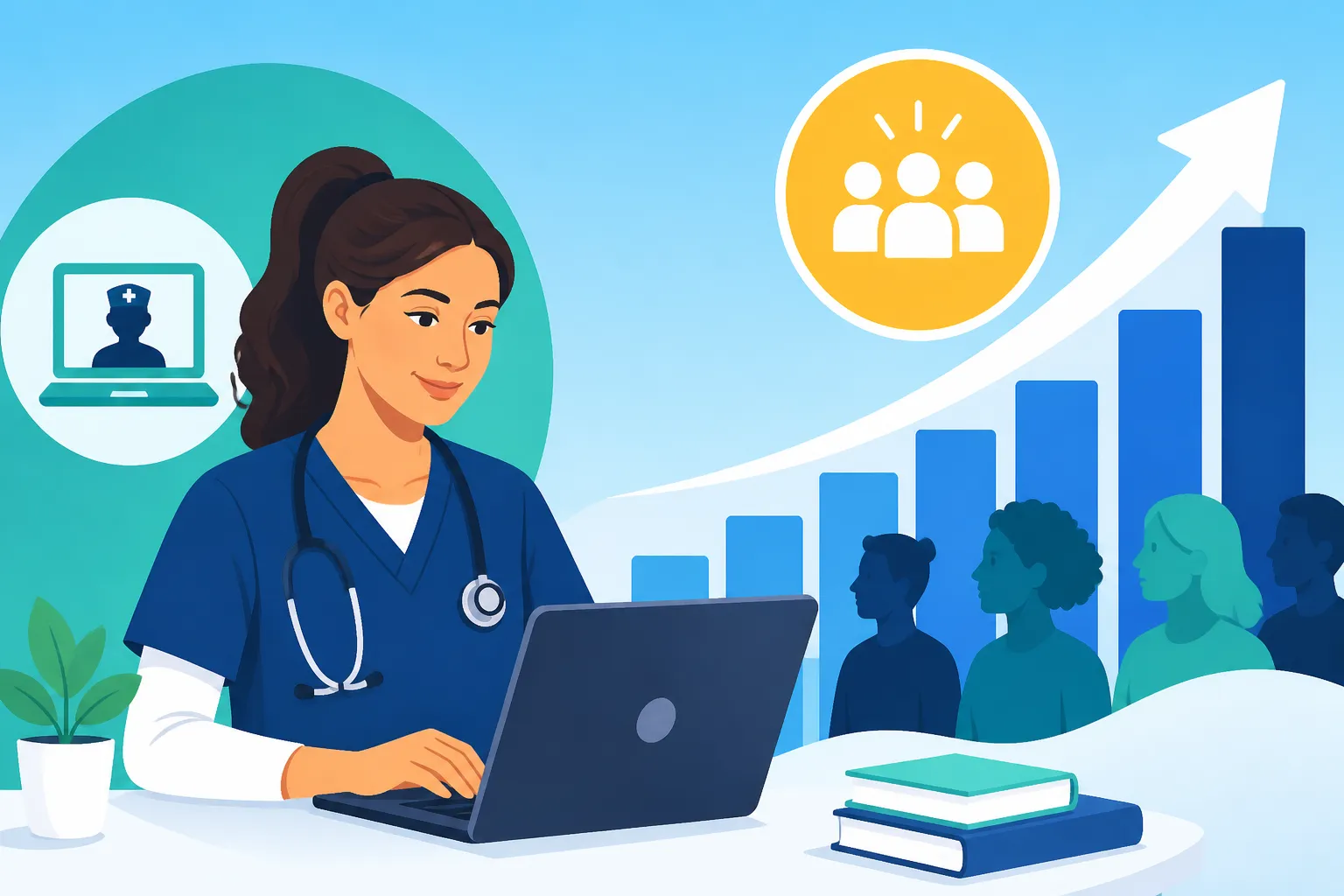
The U.S. Bureau of Labor Statistics (BLS) is the go-to source for employment data, and their outlook for Nurse Practitioners is nothing short of phenomenal. The BLS projects employment for Nurse Practitioners to grow by a staggering 45% from 2022 to 2032. To put that into perspective, the average growth rate for all occupations is about 3%. This means the demand for NPs, including PMHNPs, is expected to grow ten times faster than the average. This translates to an estimated 118,600 new jobs over the decade!
While this impressive figure encompasses all Nurse Practitioner specializations, the mental health crisis ensures that PMHNPs will be a significant driving force behind this growth. The aging population often comes with increased mental health needs, and younger generations are more open to seeking mental health support, further fueling the demand. What these numbers really mean for a prospective PMHNP is a high likelihood of securing employment, excellent career mobility, and the ability to choose from a diverse range of practice settings. It's a field where your skills will be highly valued and sought after, offering a strong sense of professional stability. If you're wondering how to get started on this promising path, our guide on How to Become a Psychiatric Mental Health NP is a great next step.
Where the Jobs Are: Geographic Hotspots and Diverse Practice Settings
The beauty of being a PMHNP is the sheer variety of environments where your expertise is needed. While demand is high across the board, certain areas and settings present particularly rich opportunities. Geographically, rural and underserved urban areas often have the most critical shortages, meaning PMHNPs who are willing to practice in these regions can find incredibly rewarding work and sometimes even special incentives or loan forgiveness programs. States with full practice authority also tend to be hotspots, as PMHNPs can operate more autonomously and establish their own practices, expanding access to care.
Beyond geography, the types of practice settings are incredibly diverse. You might find yourself working in:
- Outpatient Psychiatric Clinics: Providing ongoing care, medication management, and therapy.
- Hospitals (Inpatient and Outpatient): Assisting with crisis intervention, acute stabilization, and transitional care.
- Community Mental Health Centers: Serving vulnerable populations and addressing public health needs.
- Integrated Care Settings: Working alongside primary care physicians to address co-occurring physical and mental health issues.
- Private Practice: Establishing your own clinic, offering flexibility and autonomy.
- Telehealth Platforms: Delivering care remotely, which has exploded in popularity and accessibility.
- Correctional Facilities: Providing mental health services to incarcerated individuals.
- Schools and Universities: Supporting student mental health needs.
- Military and Veteran Services: Addressing the unique mental health challenges faced by service members and veterans.
The rise of telehealth, in particular, has revolutionized access to mental healthcare and significantly expanded the reach of PMHNPs. You can now provide care to patients across state lines (within licensing regulations) from the comfort of your home office, breaking down geographical barriers that once limited access. This flexibility is a huge benefit for both providers and patients, and it continues to grow.
Here's a quick look at some common practice settings for PMHNPs and their general demand levels:
| Practice Setting | Typical Patient Population | Demand Level | Key Benefits for PMHNPs |
|---|---|---|---|
| Outpatient Clinics | All ages, chronic conditions, medication management | High | Consistent hours, long-term patient relationships |
| Community Mental Health Centers | Underserved, diverse populations, crisis intervention | Very High | High impact, public health focus, team-based care |
| Hospitals (Inpatient Psychiatry) | Acute crises, severe mental illness, stabilization | High | Fast-paced, complex cases, interdisciplinary collaboration |
| Integrated Primary Care | Patients with co-occurring physical & mental health issues | Growing | Collaborative, preventative care, early intervention |
| Telepsychiatry | Broad population, geographic flexibility, convenience | Very High | Remote work, flexible schedule, wide patient reach |
| Private Practice | Specific niches, self-referred patients | Moderate | Autonomy, flexibility, direct patient relationships |
| Correctional Facilities | Incarcerated individuals, complex comorbidities | High | Unique challenges, significant impact, specific skillset required |
For those looking into different pathways to become an NP, exploring options like Online MSN Programs: Complete Guide can be really helpful, as can learning about various Nurse Practitioner Specializations Explained.
Cultivating a Thriving PMHNP Career: Skills, Specializations, and Market Navigation
Getting your PMHNP degree is a huge accomplishment, but truly thriving in this field means continuously honing your skills, staying current, and strategically navigating the job market. It's not just about what you know, but how you apply it and how you present yourself.
Beyond the Degree: Essential Competencies and Continuous Professional Development
While your master's or doctoral degree provides the foundational knowledge, being an exceptional PMHNP goes beyond textbook learning. Strong interpersonal skills, such as empathy, active listening, and clear communication, are paramount. You'll be dealing with highly sensitive topics and vulnerable individuals, so building trust and rapport is critical. Clinical expertise in psychopharmacology, various therapeutic modalities (CBT, DBT, motivational interviewing, etc.), and diagnostic reasoning are, of course, non-negotiable. However, the field of mental health is always evolving, with new research, treatments, and understanding emerging regularly.
Therefore, continuous professional development isn't just a requirement for licensure; it's essential for providing the best patient care and for your own career growth. This might involve pursuing additional certifications in specific areas like addiction medicine or child and adolescent psychiatry, attending workshops, or engaging in ongoing self-study. Resources like Uworld, known for its robust NCLEX preparation, also offer tools for ongoing learning and board certification exams for NPs, helping you stay sharp and current in your knowledge base. Staying informed about the latest evidence-based practices ensures you remain a highly competent and desirable candidate in the job market. It's also worth noting that some programs, like those featured in our article on Best Online PMHNP Programs, are specifically designed to keep you at the cutting edge.
Strategic Job Searching and Building Your Professional Brand
Even in a high-demand field, a strategic approach to job searching can make a significant difference. Start by clearly defining your professional interests: do you prefer working with a specific age group, particular diagnoses, or in certain settings? Tailoring your resume and cover letter to highlight relevant clinical experiences, even from your MSN Clinical Hours Requirements or previous nursing roles, can set you apart. Networking is also incredibly powerful. Attend professional conferences, join nursing organizations like the American Psychiatric Nurses Association (APNA), and connect with other PMHNPs in your area. Often, the best opportunities come through word-of-mouth or professional connections.
Consider also developing a niche. While a general PMHNP is highly valuable, specializing further (e.g., in trauma-informed care, eating disorders, or forensic psychiatry) can make you even more marketable to specific practices. Showcasing your unique skills and passion through a strong professional online presence (e.g., LinkedIn) can also help build your professional brand. When applying to positions, be prepared to discuss your philosophy of care, your experience with diverse patient populations, and your commitment to continuous learning. Understanding the nuances of different state regulations, like NP Prescriptive Authority by State, will also be a key discussion point in many interviews, demonstrating your readiness for practice.
Is the PMHNP Path Right for You? Long-Term Career Benefits
Deciding to become a PMHNP is a significant commitment, but the long-term career benefits extend far beyond just a good job outlook. It's about professional satisfaction, making a profound impact, and securing a future that is both personally and financially rewarding.
Autonomy, Impact, and Job Satisfaction
One of the most appealing aspects of being a PMHNP is the significant professional autonomy you gain. While collaboration with other healthcare professionals is always important, PMHNPs in many states have the authority to diagnose, develop treatment plans, prescribe medications, and provide therapy independently. This level of responsibility and independence is incredibly empowering and allows you to truly lead patient care. This growing autonomy is part of why so many nurses choose to pursue advanced practice roles, as discussed in detail in our How to Choose an NP Specialty guide.
The impact you can have as a PMHNP is truly life-changing. You're not just treating symptoms; you're helping individuals reclaim their lives, build resilience, and navigate complex mental health challenges. Witnessing a patient progress from a state of crisis to one of stability and thriving is profoundly rewarding. This deep sense of purpose and the ability to make a tangible difference in people's lives are consistently cited as major sources of job satisfaction among PMHNPs. It's a career where your expertise directly translates into better lives for your patients and healthier communities overall.
Financial Rewards and Future Advancement
Beyond the incredible job satisfaction, the PMHNP role also comes with significant financial benefits. Due to the high demand and specialized nature of the role, Psychiatric Mental Health Nurse Practitioners typically command excellent salaries, often significantly higher than those of registered nurses. While specific figures can vary based on location, experience, and practice setting, the Nurse Practitioner Salary Guide provides a comprehensive overview of the earning potential. This strong earning potential represents a robust return on the investment you make in your education, whether you pursued an MSN or a DNP. Speaking of which, if you're weighing your options, our article on MSN vs DNP: Which to Choose might offer some clarity on the long-term career trajectory.
Furthermore, the PMHNP path opens doors to numerous opportunities for future advancement and specialization. You might choose to pursue further education, like a Doctor of Nursing Practice (DNP), to move into leadership, education, or advanced clinical research roles. You could also specialize further within mental health, focusing on areas like child and adolescent psychiatry, forensic mental health, or substance abuse treatment. The robust demand ensures that your skills will remain valuable, providing career security and continuous opportunities for growth and professional evolution. Considering the Best Online Nurse Practitioner Programs can set you on the right path for these advancements.
Disclaimer
The information provided in this guide is intended for general informational purposes only and does not constitute professional advice. While we strive for accuracy, nursing program requirements, job market statistics, and regulations can change. Always consult official university admissions departments, state boards of nursing, and professional organizations for the most current and accurate information relevant to your specific situation.