MSN Informatics Career Path
Have you ever found yourself in the middle of a busy shift, looking at a clunky electronic health record system, and thinking, "There has to be a better way to do this?" Or perhaps you're a nurse who loves the science of healthcare but feels drawn to the logic and structure of technology and data, wondering how to bridge those two passions without leaving nursing entirely. It’s a common frustration to feel pigeonholed in traditional bedside roles when your mind is buzzing with ideas for optimizing systems, improving patient safety through data, or streamlining workflows. This comprehensive guide is here to shed light on exactly how to combine your nursing expertise with a love for technology by exploring the incredibly dynamic and rewarding MSN Informatics career path.
What Exactly is Nursing Informatics?
Nursing informatics is one of those fascinating fields that sits right at the intersection of patient care, data science, and information technology. It’s not about abandoning nursing; it's about expanding its influence far beyond the bedside, using technology to improve healthcare delivery, patient outcomes, and clinical efficiency on a much larger scale. If you've ever felt like your clinical experience gave you a unique insight into system flaws or opportunities for improvement, this is probably your calling.
Bridging Healthcare and Technology
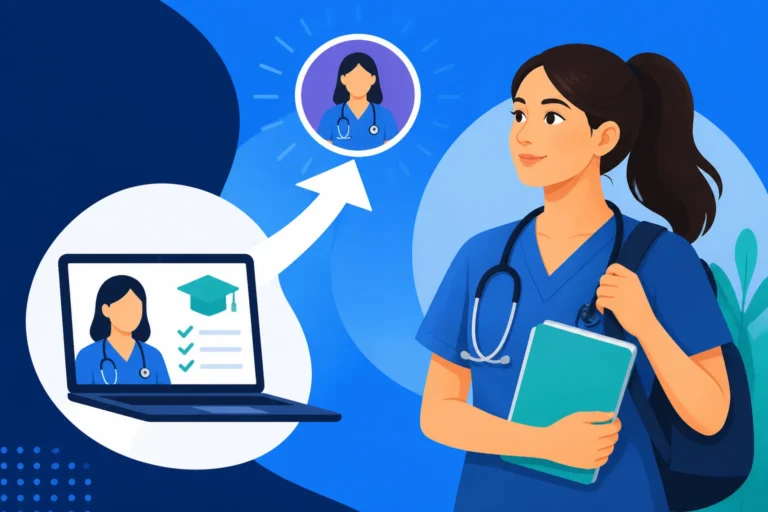
At its heart, nursing informatics is about leveraging information and communication technologies to support nurses, patients, and other healthcare providers in their decision-making processes in all roles and settings. Imagine being the person who designs the user-friendly interface for an electronic health record (EHR) system, making it easier for nurses to document care accurately and efficiently, or developing alerts that prevent medication errors. That's the power of nursing informatics. You're not just observing the problems; you're actively creating the solutions. It’s about taking raw data from patient records, staffing schedules, or research studies and transforming it into actionable insights that can drive better care practices and organizational policies. This means understanding not only the clinical side of nursing but also the technical aspects of databases, system design, and project management.
Day-to-Day Responsibilities
The daily life of a nurse informaticist is incredibly varied, which is part of its appeal if you thrive on diverse challenges rather than routine. You might spend one day collaborating with IT professionals to customize an EHR system for a new hospital unit, ensuring it meets the specific needs of the nurses working there. Another day could involve analyzing patient data trends to identify areas for quality improvement, such as reducing readmission rates for a particular condition. You could be training staff on new software, leading a project to implement a telehealth platform, or even evaluating new technologies to see if they align with an organization's strategic goals.
A nurse informaticist often acts as the "translator" between the clinical world and the IT world. They understand the language and needs of both, making sure that the technology solutions being developed truly serve the nurses and patients they are meant to help. This role might involve creating reports, managing data, ensuring compliance with privacy regulations like HIPAA, or even contributing to policy development related to healthcare technology. For instance, a nurse informaticist might be tasked with reviewing a new software update for compatibility with existing hospital systems and then providing in-service education to ensure nursing staff are comfortable and competent using it.
Why Nurses Choose This Path
Many nurses gravitate towards informatics because they’re seeking a different kind of impact, often one that leverages their critical thinking and problem-solving skills in a new way. For some, the physical demands of bedside nursing or the emotional toll of direct patient care become overwhelming, and informatics offers a path to continue contributing to healthcare without the intense patient interaction. It’s a chance to use your deep clinical knowledge to influence care on a systemic level, potentially impacting thousands of patients rather than just those on your shift.
Others are simply fascinated by technology and data and see the immense potential for innovation in healthcare. They enjoy analyzing patterns, optimizing processes, and designing systems that make nurses' lives easier and patient care safer. This career path also often offers more regular hours compared to shift work, and frequently comes with opportunities for remote work, which can be a huge draw for those looking for improved work-life balance. For nurses considering how to balance work and RN to BSN studies, or in this case, a demanding MSN program, a career in informatics can represent a future with more predictable schedules once the degree is obtained. It's a field where your nursing experience isn't just a prerequisite; it's your superpower, giving you an unparalleled perspective on how technology can truly support clinical practice.
Educational Pathway to Becoming a Nurse Informaticist
Making the leap into nursing informatics usually requires some dedicated education, and a Master of Science in Nursing (MSN) with a specialization in Nursing Informatics is the gold standard. It’s a significant commitment, but one that opens up a world of professional opportunities.
The Master of Science in Nursing Informatics
An MSN in Nursing Informatics provides you with the specialized knowledge and skills needed to excel in this field. These programs are designed to build upon your existing nursing foundation, integrating advanced concepts in information science, computer science, and management science with core nursing principles. You’ll delve into subjects that might seem far removed from your initial nursing education, but they are all critical to shaping you into a competent nurse informaticist.
Typical coursework often includes topics like:
- Healthcare Information Systems: Understanding the design, implementation, and evaluation of various health information technologies, including EHRs, patient portals, and clinical decision support systems.
- Data Analytics and Management: Learning how to collect, organize, interpret, and present healthcare data to identify trends, measure outcomes, and support evidence-based practice.
- Project Management in Healthcare: Acquiring skills to lead and manage complex technology projects, from planning and execution to budgeting and evaluation.
- Clinical Workflow Analysis: Examining how current clinical processes work and identifying areas where technology can improve efficiency and safety.
- Security and Privacy in Healthcare IT: Understanding the legal and ethical implications of managing patient data, including HIPAA compliance and cybersecurity best practices.
- Leadership and Change Management: Developing the skills to effectively implement new technologies and manage the organizational changes that come with them, often dealing with resistance and ensuring successful adoption.
Many programs also include a practicum or a capstone project, where you apply your learned skills in a real-world healthcare setting, often collaborating with an organization on an informatics initiative. This hands-on experience is invaluable for building your portfolio and making industry connections. If you're looking into specific programs, make sure to check out the details of their MSN Nursing Informatics Track.
Prerequisite and Admission Considerations
Getting into an MSN Informatics program usually requires a few key things. First and foremost, you'll need an active, unencumbered Registered Nurse (RN) license. Most programs prefer applicants who hold a Bachelor of Science in Nursing (BSN), as it provides a strong foundation in nursing theory and practice. However, some programs offer an RN to MSN pathway for ADN-prepared nurses who meet other criteria, allowing them to earn both their BSN and MSN concurrently.
Beyond your nursing degree, you'll typically need to meet certain academic standards, such as a minimum GPA, often around a 3.0 or higher. Some programs might also require letters of recommendation, a personal statement outlining your career goals and interest in informatics, and a resume detailing your professional nursing experience. While direct experience in informatics isn't usually a strict prerequisite, having some experience working with EHRs, participating in hospital committees related to technology, or demonstrating an interest in data management can definitely strengthen your application. It’s always a good idea to review the specific MSN Admission Requirements for each program you’re considering, as they can vary. Similarly, understanding the MSN Program Prerequisites will help you prepare adequately.
Online MSN Informatics Programs
One of the biggest advantages for working nurses considering this career path is the widespread availability of online MSN Informatics programs. These programs offer incredible flexibility, allowing you to continue working as an RN while pursuing your advanced degree. This is a huge relief for many who simply can’t afford to step away from their careers entirely.
Online learning platforms have evolved tremendously, offering interactive courses, virtual simulations, and collaborative projects that mimic the in-person classroom experience. While the coursework is delivered online, many programs still require a practicum or clinical hours, which often involve working with a preceptor in a local healthcare setting. This ensures you gain practical experience applying your informatics knowledge. When considering an online program, research its accreditation, faculty expertise, and student support services. For more general guidance, exploring how to choose an online MSN program can be quite helpful. The flexibility of online study means that you can often tailor your study schedule around your shifts, which is a major factor when balancing work and an MSN program.
The Impact and Career Outlook for Nurse Informaticists
The field of nursing informatics is not just growing; it's absolutely vital in today's increasingly digital healthcare landscape. As technology continues to evolve at a rapid pace, so does the demand for nurses who can bridge the gap between clinical practice and information systems.
Diverse Roles and Work Settings
One of the most exciting aspects of an MSN Informatics career path is the sheer diversity of roles and work environments available. You won't be confined to a single type of facility or even a single type of job.
- Hospitals and Healthcare Systems: This is where many nurse informaticists start, working to implement, optimize, and maintain EHRs, train staff, and analyze data for quality improvement. You might be a Clinical Informaticist, an EHR Specialist, or a Project Manager for technology rollouts.
- Vendor Companies: Many companies that develop healthcare software, medical devices, or IT solutions hire nurse informaticists to ensure their products are clinically sound, user-friendly, and meet the needs of healthcare providers. This could involve product development, sales support, or implementation consultation. For example, a company like Uworld, known for its NCLEX prep, might also look for informaticists to help design and validate their educational technology platforms, ensuring they are intuitive and effective for nursing students.
- Consulting Firms: Experienced nurse informaticists are highly sought after by consulting firms that advise healthcare organizations on IT strategy, system implementations, and workflow optimization.
- Government Agencies and Public Health: Roles in these sectors might involve designing public health surveillance systems, developing interoperability standards, or working on national health information initiatives.
- Academia: With an MSN, you can also teach nursing informatics to the next generation of nurses, conducting research and contributing to the advancement of the field.
The possibilities are extensive, and your specific role will often depend on your interests, experience, and the needs of the organization. Many of these diverse roles contribute to the various Jobs You Can Get with an MSN.
Salary Expectations and Growth Potential
The investment in an MSN in Nursing Informatics typically pays off with a significant boost in earning potential. While salaries can vary widely based on location, experience, and specific role, nurse informaticists generally command higher salaries than most bedside RNs. According to recent data, the average salary for a Nurse Informaticist in the United States can range from around $80,000 to over $120,000 annually, with highly experienced professionals in leadership roles earning even more.
Factors influencing your salary include:
- Geographic Location: Major metropolitan areas and states with a higher cost of living (e.g., California, New York, Massachusetts) often offer higher salaries.
- Experience Level: Entry-level informaticists will earn less than those with 5-10 years of experience who have led major projects.
- Certifications: Holding a recognized certification, like the ANCC Nursing Informatics Certification, can increase your marketability and salary.
- Type of Employer: Working for a large healthcare system or a prominent tech vendor might offer different compensation packages than a smaller clinic or a non-profit.
The demand for nurse informaticists is projected to continue growing, driven by the ongoing digitization of healthcare, the increasing complexity of data, and the need for professionals who can ensure that technology genuinely supports patient care. This strong job outlook means excellent job security and continued opportunities for career advancement, proving that an MSN Salary Increase Explained is indeed a reality.
The Future of Nursing Informatics
The future of nursing informatics is incredibly exciting and dynamic. We are on the cusp of major transformations in healthcare, and nurse informaticists will be at the forefront of these changes.
- Artificial Intelligence (AI) and Machine Learning (ML): AI and ML are poised to revolutionize how we analyze data, predict patient outcomes, and even assist in clinical decision-making. Nurse informaticists will be crucial in ensuring these technologies are integrated ethically and effectively into nursing practice, and that the algorithms are unbiased and relevant to patient needs.
- Telehealth and Remote Monitoring: The expansion of telehealth services means new technological infrastructure and workflows are needed. Nurse informaticists will design and implement these systems, ensuring seamless virtual care delivery and patient engagement.
- Interoperability and Data Exchange: As healthcare systems become more interconnected, the ability to securely and efficiently exchange patient data between different platforms and organizations is paramount. Informatics nurses will play a key role in developing and implementing standards for data interoperability.
- Patient Engagement Technologies: From patient portals to wearable health devices, technology is increasingly empowering patients to manage their own health. Nurse informaticists will help design and integrate these tools, making them user-friendly and clinically valuable.
Staying current with these emerging trends is essential for success, making continuous learning a cornerstone of this career path.
Essential Skills and Certifications for Success
Transitioning to nursing informatics requires cultivating a unique blend of skills that go beyond traditional bedside competencies. While your clinical foundation is invaluable, you'll need to sharpen your analytical mind and develop robust communication abilities to truly thrive.
Key Competencies Beyond the Clinical Bedside
While your nursing background is your superpower, there are specific skills you'll want to hone to excel in nursing informatics:
- Analytical Thinking and Problem-Solving: You'll be constantly faced with complex problems, from identifying inefficient workflows to troubleshooting system glitches. The ability to break down problems, analyze data, and devise logical solutions is paramount. This isn't just about spotting issues; it's about digging into why they occur and how technology can provide a sustainable fix. For instance, if nurses are consistently charting late, an informaticist would investigate whether it's a training issue, a system design flaw, or a workflow bottleneck.
- Communication Skills: You'll be the bridge between clinicians and IT professionals, speaking both "languages." This requires excellent verbal and written communication skills to explain complex technical concepts to non-technical staff and translate clinical needs into technical requirements for developers. You might also be presenting data findings to hospital leadership or training large groups of nurses on new software. Clarity, empathy, and the ability to tailor your message to your audience are critical.
- Project Management: Implementing a new EHR module or rolling out a new telehealth platform is a significant undertaking. Nurse informaticists often lead or play a key role in these projects, meaning you'll need skills in planning, resource allocation, risk management, and timeline adherence. Understanding project phases and how to keep a team on track is vital.
- Data Literacy: This goes beyond just looking at numbers; it's about understanding data sources, recognizing data quality issues, performing basic statistical analysis, and interpreting findings to make informed recommendations. You'll need to know how to query databases, use data visualization tools, and tell a story with data.
- Technical Aptitude: While you don't need to be a programmer, a comfort with technology, an understanding of basic IT concepts, and a willingness to learn new software and systems are crucial. This includes familiarity with operating systems, networks, and database structures.
Professional Certifications to Boost Your Career
While an MSN is the foundational degree, obtaining professional certifications can significantly enhance your credibility, demonstrate your expertise, and improve your career prospects and salary.
The most widely recognized certification for nurse informaticists is the Board Certification in Nursing Informatics (RN-BC) offered by the American Nurses Credentialing Center (ANCC). To be eligible for this certification, you typically need an active RN license, a bachelor's or higher degree in nursing, and a certain number of hours of practice in nursing informatics, often accumulated through your MSN practicum or work experience. The exam tests your knowledge across various domains of informatics, including systems life cycle, data management, and professional practice. Preparing for this certification can be rigorous, and many nurses utilize study resources like Uworld to confidently tackle the exam.
Beyond the ANCC certification, depending on your specific role and interests, you might consider other IT-focused certifications, such as:
- CompTIA certifications: These can validate your skills in areas like network security (Security+) or project management (Project+).
- Project Management Professional (PMP): For those moving into more dedicated project management roles within informatics, the PMP is highly regarded.
- Certified Professional in Health Information and Management Systems (CPHIMS): Offered by HIMSS, this certification focuses on health IT systems, management, and leadership.
These certifications not only validate your skills but also show employers your commitment to professional development in a rapidly evolving field.
Continuous Learning in a Rapidly Evolving Field
The world of healthcare technology is constantly changing, with new innovations emerging at an incredible pace. What’s cutting-edge today might be standard practice tomorrow, and obsolete the day after. Therefore, continuous learning isn't just an option for nurse informaticists; it's an absolute necessity.
You’ll need to commit to staying updated on the latest software, hardware, data analytics techniques, cybersecurity threats, and regulatory changes in healthcare IT. This can involve attending industry conferences (like those hosted by HIMSS), participating in webinars, reading professional journals, joining online forums, and pursuing additional micro-credentials or short courses. The beauty of this is that the learning is always relevant and directly applicable to your work. Embracing this mindset of lifelong learning ensures you remain a valuable and forward-thinking asset in the nursing informatics space, ready to tackle the challenges and opportunities of tomorrow's healthcare.
Disclaimer
Please note that the information provided in this guide is intended for general informational purposes only and should not be considered as professional career, financial, or educational advice. Program requirements, costs, and career outlook can vary significantly. Always consult with academic advisors, career counselors, and official program websites for the most accurate and up-to-date information regarding your specific situation.