MSN Nurse Educator Career Path
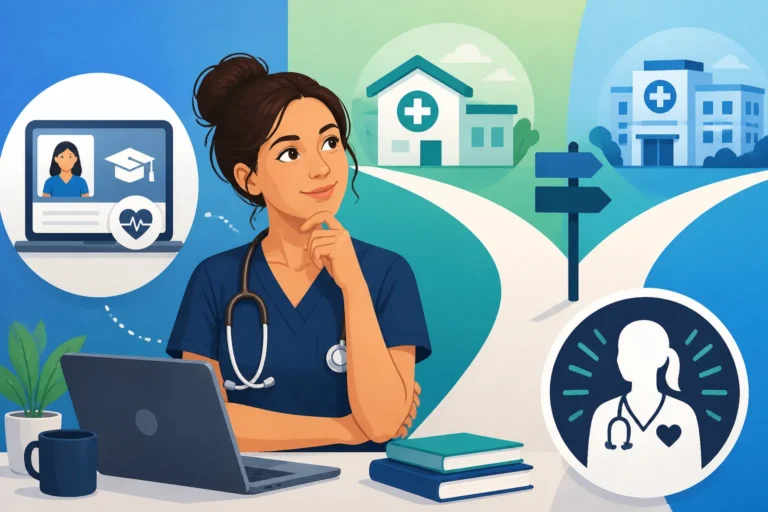
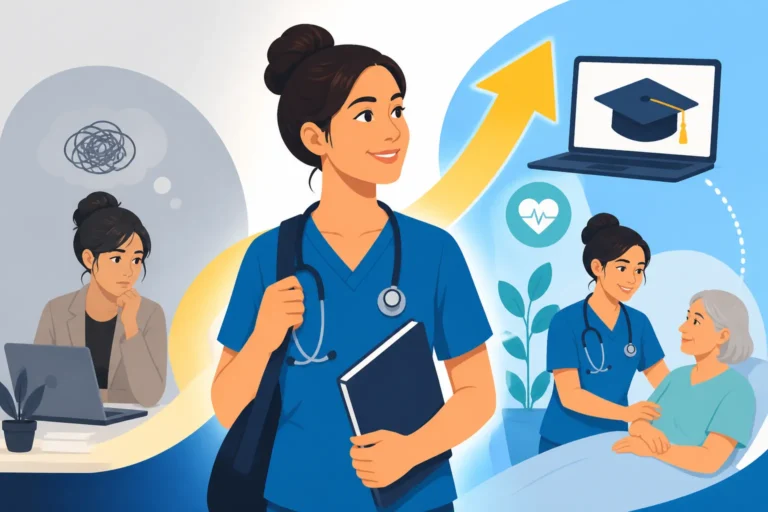
It’s a common scenario: you’ve spent years at the bedside, honed your clinical skills, and gained invaluable experience, but you're starting to feel a different kind of pull. Maybe the burnout is real, the physical demands are taking a toll, or you simply have a passion for mentoring new nurses who are just starting their journeys. This guide is for you. We’re going to dive deep into the MSN Nurse Educator career path, exploring what it entails, why it might be the perfect next step, and exactly how you can make this rewarding transition.
What Exactly Does a Nurse Educator Do?
Thinking about becoming a nurse educator? It’s far more than just "teaching" in the traditional sense. A nurse educator is a vital bridge, connecting the academic world of nursing theory with the very real, often chaotic, demands of clinical practice. They are the architects of future nursing excellence, shaping the knowledge, skills, and professional values of the next generation of healthcare providers. It’s a role that requires a blend of clinical expertise, pedagogical skill, and a deep-seated passion for the profession.
Bridging the Gap Between Theory and Practice
As an MSN-prepared nurse educator, your primary mission is to ensure that students not only grasp complex medical concepts but also understand how to apply them safely and effectively in real patient care scenarios. This often means breaking down intricate topics, using case studies that mirror what they'll encounter in the hospital, and demonstrating critical thinking in action. You're not just reciting facts; you're cultivating the judgment, empathy, and problem-solving abilities that truly define a great nurse. Imagine guiding a student through their first complex patient assessment, helping them connect the dots between a textbook diagnosis and the subtle cues a patient is giving. It’s incredibly gratifying to see that lightbulb moment when everything clicks for them. It’s also about preparing them for the intense pressure of the NCLEX, often leveraging resources like Uworld to ensure they are well-versed in exam strategies and content mastery before they ever sit for the actual test.
Roles in Academia vs. Clinical Settings
The beauty of the nurse educator role is its versatility. You can find yourself shaping minds in a university lecture hall or guiding hands in a hospital simulation lab.
In academia, nurse educators typically hold faculty positions at colleges and universities offering ADN, BSN, MSN, or DNP programs. Here, you'll be responsible for developing curriculum, delivering lectures, facilitating discussions, designing assignments, and evaluating student performance. You might lead clinical groups in local hospitals, supervise capstone projects, or even engage in nursing research. The academic setting often provides opportunities for scholarly work, professional development, and a more predictable schedule compared to direct patient care. If you're passionate about shaping the theoretical foundations of nursing, this is a fantastic avenue.
In clinical settings, nurse educators play a crucial role in staff development, orientation, and continuing education. They might work in hospitals, long-term care facilities, or specialized clinics. Their days involve onboarding new hires, developing training modules for new equipment or procedures, providing in-service education on best practices, and ensuring staff competence. They’re often instrumental in implementing evidence-based practice changes, improving patient outcomes, and maintaining compliance with regulatory standards. For nurses who love the hospital environment but want to shift from direct care, becoming a clinical nurse educator allows you to stay connected to the bedside in a different, equally impactful way.
Why Choose the Nurse Educator Path?
Many nurses reach a point where they realize their passion for nursing extends beyond direct patient care. They want to contribute in a broader, more sustainable way. The nurse educator role offers that opportunity, allowing you to leverage your years of experience to uplift the entire profession. It’s a significant shift, but one that many find incredibly rewarding.
Impacting Future Generations of Nurses
Perhaps the most compelling reason to become a nurse educator is the profound impact you can have. You're not just caring for one patient at a time; you're influencing dozens, even hundreds, of future nurses who will, in turn, care for countless patients. It’s a ripple effect of healing and expertise. Imagine a former student excelling in their career, directly applying the lessons you taught them. That sense of contribution is immense. You'll often be the first person to introduce aspiring nurses to the complexities of patient communication, ethical decision-making, and the compassionate care that makes all the difference. This kind of mentorship is invaluable, helping students navigate the challenging journey from novice to competent professional. Many seasoned nurses find immense satisfaction in watching new grads flourish, knowing they played a part in their foundational education.
Work-Life Balance and Professional Growth
Let's be honest: bedside nursing can be physically and emotionally exhausting. The unpredictable schedules, demanding shifts, and high-stress environments can lead to burnout. One significant draw of the nurse educator career path, especially in academic roles, is the potential for improved work-life balance. While it's still a demanding profession with its own unique stressors, you often find more regular hours, opportunities for remote work, and less direct physical strain. This can be a huge relief, allowing you to pursue hobbies, spend more time with family, or simply recharge.
Beyond balance, the role offers continuous professional growth. As an educator, you’re constantly learning, staying updated on the latest evidence-based practices, technology, and teaching methodologies. You might pursue advanced certifications, attend conferences, or even delve into research. The intellectual stimulation is constant, keeping your mind sharp and your skills current. For nurses wondering Is an MSN Worth It?, the career trajectory and growth opportunities in education often prove to be a compelling answer.
Becoming an MSN-Prepared Nurse Educator
The journey to becoming a nurse educator, while rewarding, requires specific educational and professional steps. It's not just about being a great nurse; it's about learning how to teach effectively and design impactful learning experiences.
Educational Requirements and Program Structure
The foundational requirement for most nurse educator positions, particularly in academia, is a Master of Science in Nursing (MSN) degree with a specialization in nursing education. If you're an RN considering this path, exploring various Online MSN Programs: Complete Guide can provide a solid starting point. These programs are designed to equip you with the theoretical knowledge and practical skills necessary for effective teaching and curriculum development.
Many MSN Nurse Educator programs can be completed online, offering flexibility for working nurses. For example, some universities, like Western Governors University or Capella University, offer competency-based programs that allow you to accelerate your learning if you're already proficient in certain areas. Typically, you'll delve into subjects like:
- Curriculum Development and Evaluation: How to design, implement, and assess nursing curricula.
- Educational Theories and Principles: Exploring different learning styles and teaching strategies.
- Instructional Design: Crafting engaging lessons, simulations, and clinical experiences.
- Assessment and Evaluation: Methods for measuring student learning and program effectiveness.
- Role of the Nurse Educator: Understanding the responsibilities, ethical considerations, and professional standards of the role.
Most programs also include a practicum or clinical teaching experience, where you apply your newfound knowledge under the guidance of an experienced nurse educator. This hands-on experience is crucial for building confidence and refining your teaching skills. For those who are already ADNs, there are also RN to MSN Programs Explained which can provide a direct pathway without first needing a BSN.
Gaining Certification and Experience
While an MSN is the primary educational credential, obtaining certification further validates your expertise and commitment to the role. The most recognized certification for nurse educators is the Certified Nurse Educator (CNE) credential offered by the National League for Nursing (NLN). To be eligible for the CNE exam, you typically need an MSN or doctorate in nursing with an emphasis in nursing education, and a certain amount of experience in a nurse educator role. Preparing for this exam often involves reviewing core educational concepts, and similar to preparing for the NCLEX, many educators find resources like Uworld valuable for practice questions and conceptual review.
Even with an MSN and certification, practical experience is key. Many educators start by assisting in clinical rotations, precepting students, or taking on part-time teaching roles while still maintaining some clinical practice. This gradual transition allows you to build your teaching portfolio and gain confidence in a new professional capacity. Networking with current nurse educators and participating in professional organizations like the NLN can also open doors to mentorship and job opportunities. Understanding the specific MSN Admission Requirements for various programs will be a crucial first step in your journey toward becoming certified.
Career Opportunities and Salary Expectations for Nurse Educators
The demand for qualified nurse educators remains high, driven by an ongoing nursing shortage and the need for new nurses to enter the workforce. This creates a robust job market for those with the right credentials.
Where Nurse Educators Work
Nurse educators have a wide range of environments where they can apply their expertise:
- Colleges and Universities: This is perhaps the most common setting, where nurse educators teach in ADN, BSN, MSN, and DNP programs. They may teach theory in classrooms, supervise students in clinical rotations, or lead simulation labs. This can range from large public universities like the University of Texas Arlington to smaller private colleges.
- Hospitals and Healthcare Systems: Clinical nurse educators work within healthcare organizations to develop and deliver continuing education for staff, onboard new nurses, implement new protocols, and ensure competency in various specialties.
- Vocational Schools and Community Colleges: These institutions often rely on nurse educators to teach LPN and ADN programs, providing entry-level nurses with essential skills.
- Professional Organizations: Some nurse educators work for organizations like the American Nurses Association (ANA) or specialty nursing groups, developing educational materials, certifications, and conferences.
- Online Education Providers: With the rise of distance learning, many nurse educators teach exclusively online, developing virtual courses and interactive learning modules. This offers incredible flexibility, allowing nurses to teach from almost anywhere. If you're looking for flexibility, exploring Online RN to BSN Programs: Complete Guide often highlights the role of online educators.
The specific type of role often depends on your interests. Do you love curriculum design and research? Academia might be your calling. Do you thrive on improving patient care through staff development? A clinical educator role might be a better fit.
Earning Potential and Job Outlook
The salary for an MSN-prepared nurse educator can vary significantly based on location, experience, educational level (MSN vs. DNP), type of institution (public vs. private, academic vs. clinical), and specific responsibilities. Generally, nurse educators earn a competitive salary.
According to the U.S. Bureau of Labor Statistics (BLS), the median annual salary for postsecondary nursing instructors and teachers was about $84,000 in May 2022. However, this can range from roughly $55,000 for entry-level positions to over $120,000 for experienced educators in high-demand areas or leadership roles. Factors like living in a high-cost-of-living state like California or New York can also push salaries higher.
Here's a quick look at salary potential:
| Factor | Typical Salary Range (Annual) | Notes |
|---|---|---|
| Entry-Level (MSN) | $65,000 – $80,000 | Often in community colleges or as junior faculty/clinical instructors. |
| Experienced (MSN) | $80,000 – $100,000 | Mid-career educators, potentially with CNE certification. |
| Senior/Leadership | $100,000 – $120,000+ | Program directors, lead faculty, senior clinical educators. |
| DNP-Prepared | $90,000 – $130,000+ | Often for advanced academic roles or research positions. |
| Clinical Educators | Similar to academic, depends on institution and region. | Hospital systems might offer slightly different pay structures. |
The job outlook for nurse educators is robust. The BLS projects a 16% growth for postsecondary teachers (including nursing instructors) from 2022 to 2032, which is much faster than the average for all occupations. This growth is directly tied to the national need for more nurses, meaning more programs, more students, and, consequently, more educators. As the nursing workforce ages and more experienced nurses retire, there will be an even greater need for educators to fill these crucial roles. If you're thinking about a future where your skills are in constant demand, the nurse educator path offers excellent job security and potential for advancement. This also ties into the discussion of Nursing Career Paths and Salaries, where education is a clear avenue for growth. For those looking at a long-term plan, the How to Prepare Before Starting an ABSN can also give you insight into foundational education and how those pathways lead to advanced degrees like the MSN. You might also want to explore MSN Nurse Executive Track as another advanced degree option.
For an even deeper dive into how this degree can impact your earnings, check out MSN Salary Increase Explained. Another benefit, often overlooked, is how an MSN can also serve as a launchpad for further specialization or even a RN to MSN to DNP Bridge Explained if you aspire to the highest levels of nursing education or practice. For those already in an ADN role, considering a direct RN to MSN Bridge Program Explained can accelerate this career change, and even those exploring Accelerated BSN Programs Explained could eventually find themselves on the nurse educator path.
Disclaimer
Please remember that the information provided in this article is intended for general guidance and informational purposes only. While we strive to provide accurate and up-to-date content, nursing education requirements, program structures, and career opportunities can vary significantly by institution, state, and specific employer. It is always best to consult with academic advisors, program directors, and professional organizations for the most current and personalized advice regarding your educational and career goals.