Best MSN for Career Changers
Are you feeling the pull toward a more meaningful, impactful career, but intimidated by the thought of going back to school, especially with a non-nursing background? Many professionals find themselves at a crossroads, yearning for a change that aligns with their passion for helping others and seeking a stable, growing profession. If you've been considering nursing and have a bachelor's degree in another field, pursuing an MSN for career changers could be your direct pathway into advanced nursing roles. This guide will walk you through everything you need to know to make that pivotal leap.
Why an MSN for a Career Change is a Game-Changer
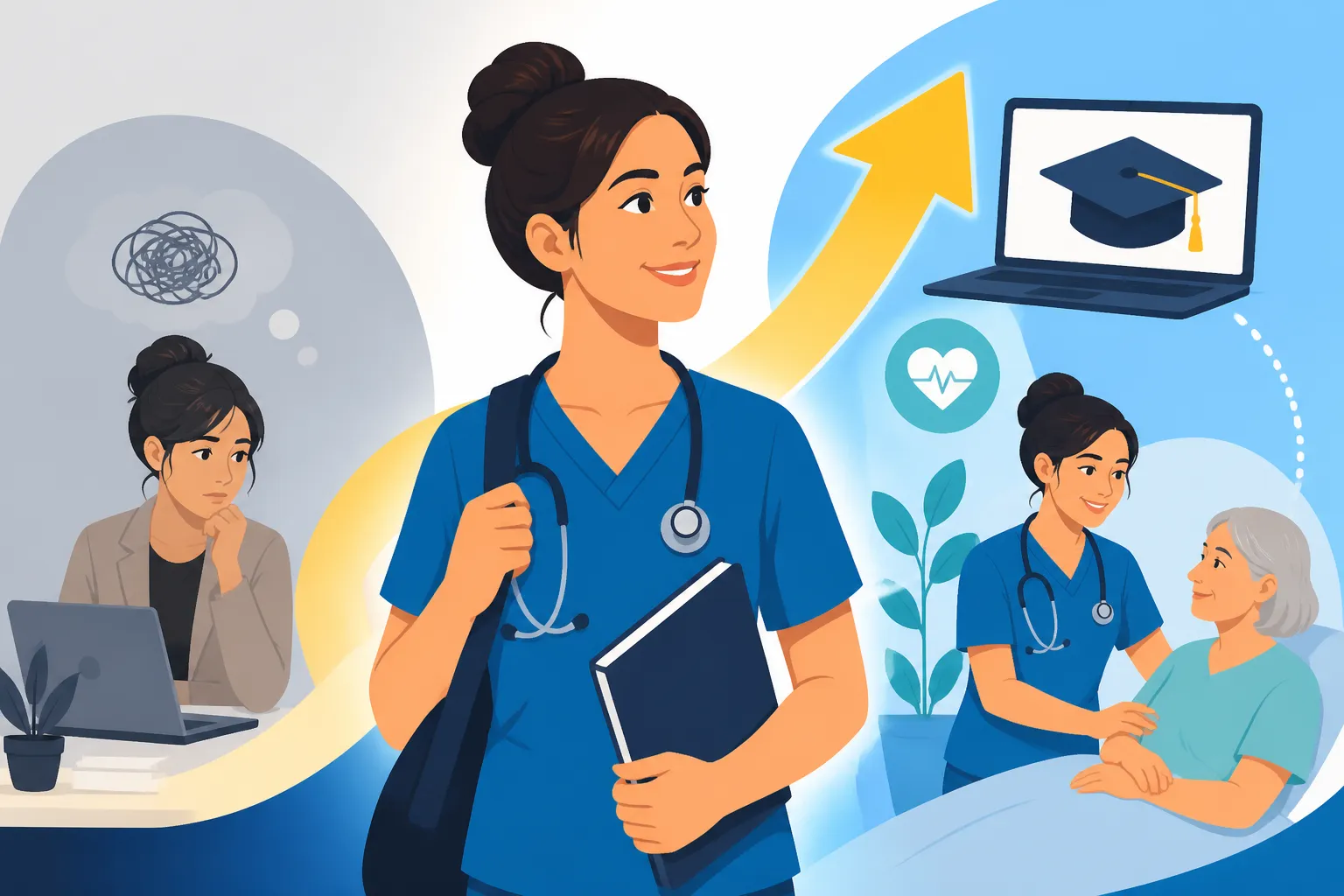
Making a career change can feel like a monumental task, especially if you're leaving a field you've spent years in. However, the nursing profession offers incredible opportunities for those looking to transition, particularly through a Master of Science in Nursing (MSN) program. These programs are specifically designed to leverage your existing bachelor's degree and prior academic experience, often fast-tracking you into a rewarding healthcare career at an advanced level. It's not just about changing jobs; it's about transforming your professional identity and making a tangible difference in people's lives.
Unlocking New Professional Horizons
For many career changers, the appeal of nursing goes beyond job security; it’s about a deeper sense of purpose and intellectual stimulation. An MSN, particularly a direct-entry MSN, allows individuals with non-nursing bachelor's degrees to enter the field as advanced practice registered nurses (APRNs) or other specialized nursing roles. This means you’re not just becoming a registered nurse; you’re stepping into leadership, education, or direct patient care roles with greater autonomy and responsibility much faster than if you started from scratch with an associate's or traditional bachelor's degree in nursing. Imagine moving from a desk job to diagnosing and treating patients, leading healthcare teams, or shaping future nurses – that's the kind of horizon an MSN opens up.
The skills you've honed in your previous career, whether it's critical thinking from a liberal arts degree, analytical prowess from a science background, or communication skills from business, are incredibly valuable in nursing. MSN programs for career changers are structured to build upon these existing strengths, integrating them with core nursing knowledge and advanced clinical competencies. This holistic approach prepares you not just as a clinician, but as a well-rounded healthcare professional capable of complex problem-solving and compassionate care delivery.
Addressing the Nursing Shortage and Demand
The healthcare landscape is constantly evolving, and the demand for highly skilled nurses, particularly those with advanced degrees, continues to grow. An MSN degree positions you perfectly to meet this critical need. Hospitals, clinics, and other healthcare facilities are actively seeking nurses with graduate-level education to fill roles that require advanced clinical judgment, leadership, and specialized expertise. This strong demand often translates into excellent job prospects and competitive salaries, which is a significant factor for anyone considering a career change.
The Bureau of Labor Statistics projects robust growth for registered nurses and even faster growth for advanced practice registered nurses. This isn't just a fleeting trend; it's a long-term shift in healthcare. As the population ages and healthcare needs become more complex, the need for nurses who can take on expanded roles, manage chronic conditions, and provide primary care will only intensify. By pursuing an MSN, you're investing in a career that is not only personally fulfilling but also highly valued and essential to the future of healthcare. This stability and growth can offer immense peace of mind for those making a significant career transition.
Key Considerations for Career Changers Choosing an MSN Program
When you're looking to switch careers and jump into nursing with an MSN, there are a lot of factors to weigh. It’s not a one-size-fits-all journey, and understanding the nuances of different programs, formats, and specializations will be crucial for finding the perfect fit for your unique situation. This stage requires a good bit of introspection and research to ensure your chosen path aligns with your long-term goals and current lifestyle.
Understanding Different MSN Paths
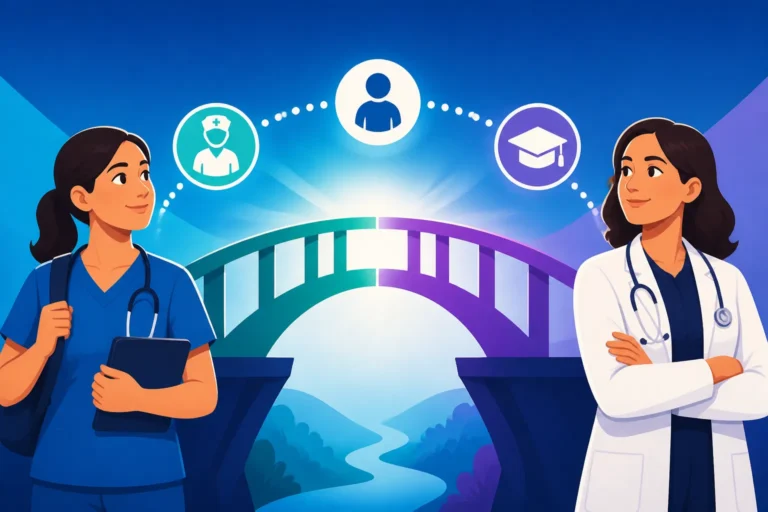
For career changers, the most common and often most suitable pathway is the Direct-Entry MSN Programs. These programs are specifically designed for individuals who hold a bachelor's degree in a non-nursing field but wish to become a registered nurse and then quickly advance to an MSN-level role. Unlike traditional MSN programs that require you to already be an RN, direct-entry programs incorporate the foundational nursing education you need to become eligible for the NCLEX-RN exam, which you'll take to get your registered nurse (RN) license. After licensure, you then progress into the advanced practice curriculum.
Another less common but still viable option for some career changers, especially those who might have worked in healthcare support roles or have some prior nursing credits but no full degree, could be an RN to MSN Without a BSN bridge program. However, these usually cater to ADN-prepared nurses without a bachelor's in any field who want to go straight to an MSN. For true career changers with a non-nursing bachelor's, direct-entry is almost always the starting point. It's essential to carefully review program descriptions and admission requirements to ensure you're applying to the correct type of program for your academic background. Don't assume all MSN programs are open to non-nurses; many are explicitly for existing RNs with BSNs.
Evaluating Online and Hybrid Formats
The flexibility offered by Online MSN Programs Complete Guide is a huge draw for career changers, many of whom are balancing existing jobs, families, and other responsibilities. Online programs allow you to complete didactic coursework from home, often at your own pace (within program deadlines), which can be invaluable. However, it's crucial to understand that even "100% online" MSN programs will have in-person clinical components. Nursing is a hands-on profession, and there's no substitute for direct patient care experience.
Hybrid programs blend online coursework with on-campus intensives or labs. These might require you to travel to campus periodically for simulations, skills assessments, or in-person lectures. The right choice depends on your learning style, geographical location, and personal commitments. For instance, if you thrive in a structured, in-person environment but need some flexibility, a hybrid model might be perfect. If you're a highly self-disciplined learner and prefer maximum independence, a fully online didactic program with local clinicals might be better. Always ask about the specifics of clinical placements, as this is often the most challenging aspect of online programs for students.
Specialization Options for New Nurses
One of the most exciting parts of pursuing an MSN as a career changer is the opportunity to choose a specialization that truly excites you and aligns with your long-term goals. The MSN degree opens doors to various advanced practice registered nurse (APRN) roles, and other specialized areas. Common APRN specializations include:
- Family Nurse Practitioner (FNP): This is one of the broadest specializations, preparing you to provide primary care to patients across the lifespan, from infants to seniors. FNPs work in clinics, private practices, and community health centers. If you're passionate about preventative care and continuity of care for families, this could be an excellent fit.
- Psychiatric Mental Health Nurse Practitioner (PMHNP): With a growing national need for mental health professionals, PMHNPs diagnose and treat mental health conditions, prescribe medication, and provide therapy. This role is incredibly rewarding for those who want to help individuals manage mental health challenges.
- Adult-Gerontology Nurse Practitioner (AGNP): This specialization focuses on the health needs of adults and older adults. AGNPs can specialize in primary care (AGPCNP) or acute care (AGACNP), working in diverse settings from outpatient clinics to intensive care units.
- Pediatric Nurse Practitioner (PNP): PNPs specialize in the health of children, from infancy through adolescence. They provide preventative care, manage acute and chronic illnesses, and offer health education to families.
Beyond APRN roles, an MSN can also lead to careers as a Nurse Educator, Nurse Informaticist, or Nurse Administrator, where your focus shifts more towards teaching, technology, or management within healthcare. Exploring these Nurse Practitioner Specializations Explained is a critical step in your decision-making process, as your chosen specialization will dictate much of your curriculum and future career path. Researching the day-to-day responsibilities and typical work environments for each specialization will help you envision your future in nursing.
Top MSN Program Features for Career Changers
Successfully transitioning into a new career, especially one as demanding as nursing, hinges significantly on choosing a graduate program that supports your unique needs as a career changer. The best MSN programs for this demographic understand that you’re not a traditional student and build in features to help you thrive.
Flexibility and Support for Busy Lives
For career changers, flexibility isn't just a perk; it's often a necessity. Many individuals pursuing an MSN already have established careers, families, or other commitments. Therefore, look for programs that offer asynchronous online coursework, allowing you to complete modules on your schedule, rather than requiring you to be online at specific times. This is especially beneficial if you’re trying to balance your studies with your current job, even part-time. Programs with multiple start dates throughout the year can also make it easier to fit enrollment into your life's timeline, rather than being confined to traditional fall semesters.
Beyond scheduling, robust student support is paramount. This can include dedicated academic advisors who understand the unique challenges of career changers, technical support for online learning platforms, and mental health resources. Many programs pride themselves on a strong sense of community, even in an online format, fostering peer support groups or online forums where students can connect and share experiences. When researching, don't hesitate to ask about the specific support systems in place for non-traditional students. For example, some universities offer resources like online writing centers or career counseling services tailored to students transitioning fields.
Curriculum Designed for Non-Nursing Backgrounds
The curriculum for a direct-entry MSN program needs to be comprehensive, efficiently bridging the gap from your non-nursing bachelor's to advanced nursing practice. It typically starts with foundational nursing courses that cover essential topics such as anatomy, physiology, pharmacology, pathophysiology, and health assessment. These initial courses prepare you for the NCLEX-RN exam, which you must pass to become a licensed registered nurse. After achieving RN licensure, the curriculum then transitions into advanced practice nursing courses specific to your chosen specialization, whether it's FNP, PMHNP, or another area.
When evaluating programs, pay close attention to the sequencing of courses and how clinical experiences are integrated. A well-designed curriculum will logically progress from foundational knowledge to complex clinical applications. Look for programs that emphasize evidence-based practice, critical thinking, and leadership development, as these are hallmarks of advanced nursing roles. Additionally, consider how the program integrates coursework on healthcare policy, ethics, and population health, which are vital for nurses practicing at an advanced level. Resources like Uworld can be incredibly helpful for career changers as they navigate the rigorous academic demands, providing comprehensive question banks and explanations to solidify understanding of complex nursing concepts. This can be invaluable for both the initial NCLEX-RN preparation and later, for your specific NP certification exam.
Clinical Placement Assistance
This is often the biggest hurdle for online MSN students, especially career changers who might not have existing healthcare networks. MSN programs require a significant number of MSN Clinical Hours Requirements to meet accreditation standards and prepare you for practice. These hours must be supervised by a qualified preceptor (an experienced APRN or physician) in a relevant clinical setting. Finding these placements independently can be incredibly stressful and time-consuming.
Therefore, one of the most important features to look for is robust clinical placement assistance. The best programs have dedicated clinical coordinators who work proactively to secure placement sites and preceptors for their students. They will have established relationships with hospitals, clinics, and other healthcare organizations in various regions, significantly easing your burden. Some programs even guarantee placement or have strong partnerships that prioritize their students. Always ask prospective programs about:
- Their success rate in securing clinical placements.
- The geographic range of their clinical sites.
- Whether they require you to find your own preceptors, or if they provide comprehensive support in this process.
- Their process for addressing challenges if a preceptor or site falls through.
Programs that leave students entirely to their own devices for clinical placements can be incredibly risky and lead to significant delays in graduation. You'll want a program that actively supports you in this critical aspect, helping you How to Find NP Preceptors and ensuring you meet all necessary requirements.
| Feature Area | Ideal for Career Changers | Less Ideal / Potential Challenges |
|---|---|---|
| Program Type | Direct-Entry MSN | Traditional BSN-to-MSN (requires RN license first) |
| Format Flexibility | Asynchronous online, multiple start dates | Rigid synchronous classes, limited start dates |
| Curriculum Approach | Foundational nursing integrated with advanced practice | Assumes prior RN experience and BSN-level knowledge |
| Clinical Support | Proactive clinical placement team, preceptor matching | Students responsible for finding all preceptors and sites |
| Student Support | Dedicated career change advisors, academic coaches | Generic advising for traditional nursing students only |
| Prerequisites | Clearly outlined, often achievable with community college | Highly specific, numerous nursing-focused prerequisites |
Navigating the Application Process and Beyond
Once you've identified a few promising MSN programs, the next step is to successfully navigate the application process. This can feel daunting, especially if it's been a while since you applied to college, but breaking it down into manageable steps and leveraging available resources will set you up for success.
Essential Application Components
Applying to an MSN program as a career changer typically involves several key components. First and foremost, you'll need to meet the MSN Admission Requirements which generally include a bachelor's degree from an accredited institution in any field, a minimum GPA (often 2.5-3.0 or higher, depending on the program), and submission of official transcripts. Many programs also require specific MSN Program Prerequisites in science courses like anatomy, physiology, microbiology, and chemistry. These might need to be completed before applying or prior to starting the core nursing courses.
Beyond academics, you'll usually submit a personal statement or essay explaining your motivation for pursuing nursing, particularly as a career changer. This is your opportunity to articulate your passion, highlight transferable skills from your previous career, and demonstrate your understanding of the nursing profession. Strong letters of recommendation, often from academic or professional references, are also standard. Some programs may also require an interview, either in-person or virtual, to assess your communication skills and suitability for the program. Take your time with each component, ensuring your application presents a clear, compelling narrative of why you're ready for this significant career shift.
Preparing for Success with Study Resources
Once you’re accepted and embark on your MSN journey, effective study strategies and resources will be your best friends. The pace of direct-entry MSN programs is rigorous, packing a lot of information into a condensed timeframe. It’s crucial to develop strong time management skills and identify study tools that complement your learning style. Flashcards, study groups, practice questions, and online tutorials can all be incredibly beneficial.
For the all-important NCLEX-RN exam, which you'll need to pass to become a licensed RN before entering the advanced practice portion of your MSN, comprehensive review programs are highly recommended. Tools like Uworld are widely praised for their realistic practice questions and detailed rationales, helping career changers solidify their understanding of nursing concepts and prepare effectively for licensure. Even later, as you approach your nurse practitioner certification exams (e.g., AANP or ANCC), dedicated review courses and question banks from Uworld or other reputable providers will be essential. Leveraging these resources strategically can significantly reduce stress and boost your confidence as you progress through the program.
Life After Graduation: Certification and Job Search
Graduating from an MSN program is a monumental achievement, but it's not the final step before you begin your new career. If you pursued a direct-entry MSN leading to an APRN role, your next hurdle will be obtaining national board certification in your chosen specialty. For example, Family Nurse Practitioners typically seek certification through the American Nurses Credentialing Center (ANCC) or the American Academy of Nurse Practitioners Certification Board (AANPCB). These exams are rigorous and ensure you have the advanced knowledge and skills required for safe and effective practice.
Simultaneously, you'll begin your job search. Your MSN program's career services department can be an invaluable resource here, offering resume workshops, interview coaching, and networking opportunities. Many hospitals and healthcare systems are actively recruiting new APRN graduates, especially with the continued demand for advanced practice nurses. Networking with your clinical preceptors, faculty, and fellow students can also open doors to potential employment. Understanding the Nurse Practitioner Salary Guide and typical job outlook for your specialization will help you set realistic expectations and negotiate effectively. Remember, your career as an advanced practice nurse is just beginning, offering continuous opportunities for learning, growth, and making a profound impact on patient care.
Disclaimer
Please remember that this guide provides general information and should not be taken as professional advice. Program requirements, costs, and career opportunities can vary significantly. Always verify specific details directly with educational institutions and relevant regulatory bodies.