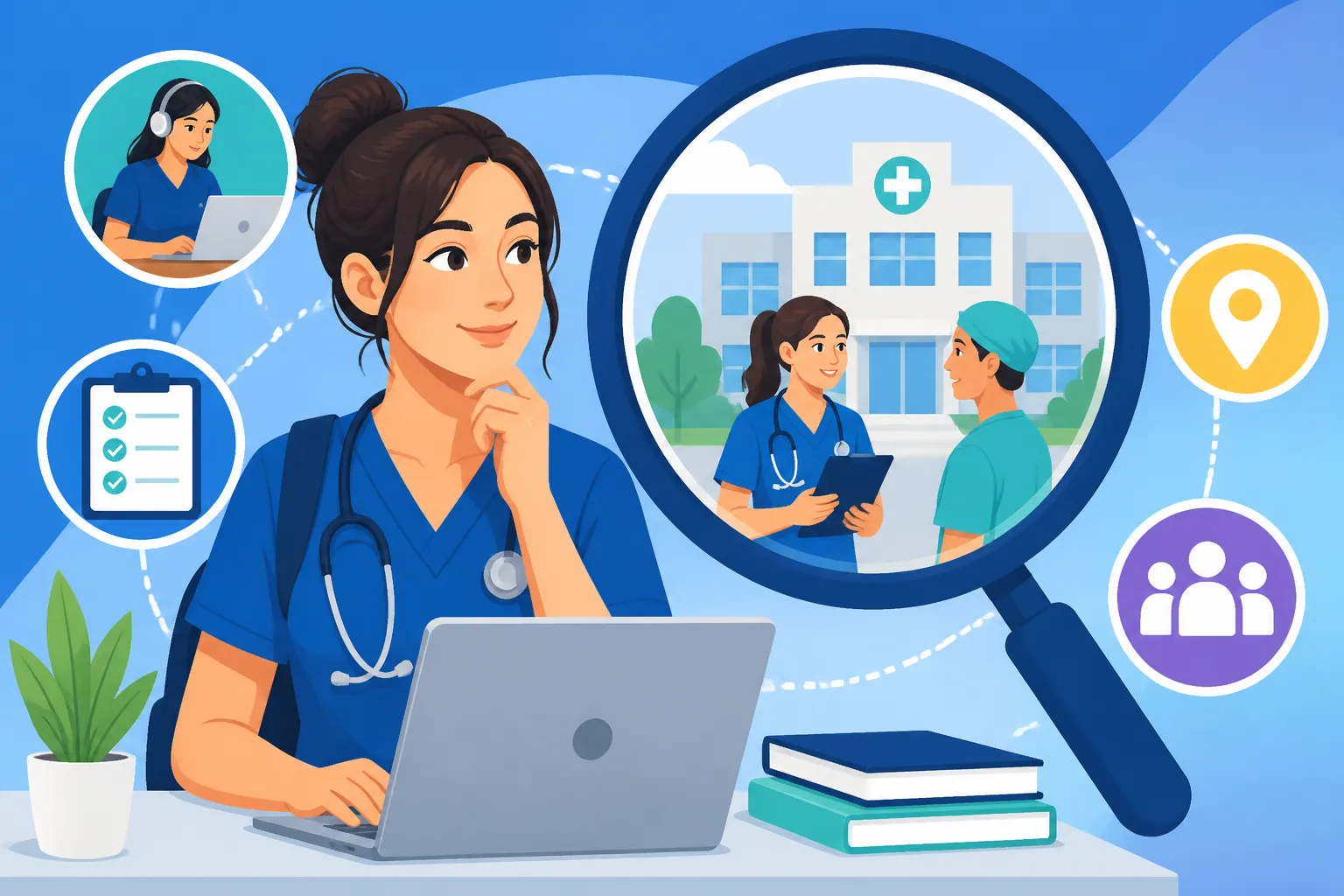
How to Find MSN Clinical Placements
Let's be real for a moment: embarking on an online Master of Science in Nursing (MSN) program is a huge commitment, filled with academic rigor, late-night study sessions, and the unwavering dream of advancing your nursing career. But amidst all that excitement, many aspiring Nurse Practitioners hit a wall when it comes to one crucial hurdle: finding those all-important MSN clinical placements. It’s a frustrating, often overwhelming challenge, and this guide is here to walk you through how to tackle it head-on, offering practical strategies and insights to help you secure the clinical experiences you need.
Understanding the Challenge of MSN Clinical Placements
You’ve got the passion, the drive, and you’re ready to dive deep into advanced practice, but then reality sets in. Finding clinical placements for your MSN program, especially if you're pursuing a Nurse Practitioner track, can feel like an insurmountable task. It's not just a minor inconvenience; it can truly dictate your timeline for graduation and even your chosen specialty.
Why Clinical Placements Are So Difficult to Secure
The struggle is real, and it’s not just you. There are several systemic reasons why securing these crucial clinical hours has become such a headache for so many nursing students. First off, there's immense competition. With the demand for advanced practice registered nurses (APRNs) on the rise, more and more nurses are pursuing their MSN degrees, which means more students vying for a limited number of clinical sites and preceptors. You might be competing with students from several different universities for the same slots.
Secondly, the availability of qualified preceptors is a huge bottleneck. A preceptor isn't just any healthcare provider; they need to be licensed, experienced, and willing to dedicate a significant amount of their time to mentoring a student. This often means sacrificing their own productivity, taking on extra liability, and essentially adding another full-time responsibility to their already packed schedules, often with little to no compensation. Many clinics and hospitals are already short-staffed, making it even harder for their providers to take on this additional role.
Then there are the institutional requirements. Your program might have specific criteria for preceptor credentials, clinical site types, or even patient population demographics. Some facilities also have strict policies against taking on students from certain online programs or those without established affiliation agreements. Geographical limitations can also play a role, especially if you live in a rural area with fewer healthcare facilities or a highly saturated urban area where every spot is fiercely contested. It's a complex web of factors that makes what seems like a simple step a major obstacle.
The Role of Preceptors and Their Importance
Let's clarify what a preceptor truly is and why they are the lynchpin of your clinical education. A preceptor is an experienced, licensed healthcare professional – typically a Nurse Practitioner, physician, or physician assistant – who agrees to supervise, teach, and mentor you during your clinical rotations. They guide your hands-on learning, help you apply theoretical knowledge to real patient scenarios, and evaluate your clinical competence. Think of them as your personal, on-the-job coach.
Their role is absolutely crucial because didactic (classroom) learning, even the best online curriculum, can only take you so far. Clinical experience is where you develop critical thinking skills, refine your diagnostic abilities, master procedural skills, and learn the art of patient communication and holistic care. Without these supervised hours, you cannot meet the requirements for your degree, nor can you sit for your Nurse Practitioner certification exams. These clinical hours are the bedrock of becoming a competent and confident APRN. For a more detailed breakdown, check out our guide on MSN Clinical Hours Requirements.
Finding a good preceptor isn't just about ticking a box; it's about finding someone who is genuinely invested in your learning and growth. They are making a significant time commitment, often 10-20 hours a week for several months, sometimes even longer. This person will heavily influence your early practice, so seeking out someone whose practice style aligns with your learning goals is invaluable. If you're wondering How to Find NP Preceptors, we've got you covered with more specific tips.
Strategies for Proactively Finding Your Own Preceptor and Placement
While your university might offer support, relying solely on them can often lead to delays and frustration. Taking an active, proactive role in your clinical placement search is often the key to success. This means thinking outside the box and being persistent.
Networking Like Your Future Depends on It
Networking isn’t just for corporate jobs; it's a vital skill in nursing, especially when it comes to advanced practice roles and clinical placements. Start by tapping into your existing professional connections. Talk to your current and former nursing colleagues, managers, and doctors you’ve worked with. You’d be surprised how many people know someone who knows someone who might be willing to precept. A casual conversation in the breakroom could lead to a golden opportunity.
Beyond your immediate circle, expand your reach. Attend local or regional nursing conferences, specialty-specific meetups, or online forums. These events are fantastic for meeting practicing Nurse Practitioners, physicians, and other healthcare professionals. Don't be afraid to introduce yourself, explain your goals, and inquire about precepting opportunities. Always have a professional elevator pitch ready, explaining your program, your clinical needs, and why you’d be a valuable student. LinkedIn can also be a powerful tool; search for NPs in your desired specialty and location, connect professionally, and politely inquire if they or their colleagues might be open to precepting. Remember, a warm introduction or referral often carries more weight than a cold call. This kind of diligent effort can really make a difference when you're looking for advanced clinical opportunities, which is just one of the many reasons Is an MSN Worth It.
Directly Reaching Out to Healthcare Facilities and Providers
Sometimes, you just have to pick up the phone or send that email. Identify healthcare facilities in your area that align with your MSN specialty. For example, if you're pursuing a Family Nurse Practitioner (FNP) track, look into family practices, urgent care clinics, or community health centers. If it's a Psychiatric Mental Health Nurse Practitioner (PMHNP) program, consider mental health clinics, telehealth providers, or psychiatric practices. Private practices are often more flexible than large hospital systems.
When reaching out, whether it's a cold call or an email, be prepared. Don’t just ask, "Can I do my clinicals here?" Instead, introduce yourself professionally, briefly explain your program and clinical requirements, and clearly state what you're seeking (e.g., "I am an MSN-FNP student at [Your University] seeking 180 clinical hours in a primary care setting, starting in [Month/Year]"). Always follow up with a professional email containing your detailed outreach packet (more on that next). Persistence is key here. You might hear "no" many times, but it only takes one "yes." Many students find success by focusing on smaller, independent practices or rural clinics that might be more open to taking on students.
Crafting a Winning Preceptor Application Package
Once you’ve identified potential preceptors or sites, you need to present yourself in the best possible light. A comprehensive and professional application package can make all the difference. This package should typically include:
- Your Resume or CV: Highlight your nursing experience, academic achievements, relevant skills, and any certifications. Tailor it to emphasize your advanced practice aspirations.
- A Professional Cover Letter: This is your chance to make a strong first impression. Address it specifically to the preceptor (if known) or the practice manager. Explain why you're interested in their specific practice, what you hope to gain from the experience, and how you can be a beneficial presence (e.g., "I am eager to learn from your expertise in [specific area, e.g., pediatric care] and am a highly motivated student, prepared to contribute positively to your team.").
- Letters of Recommendation: Aim for 2-3 strong letters from current or past nursing managers, faculty members, or physicians who can speak to your clinical skills, work ethic, and professionalism.
- Your Program's Clinical Requirements: Include a brief overview of your university's expectations regarding preceptor qualifications, required clinical hours, and learning objectives for the rotation. This shows you're organized and understand the logistical side.
- Learning Objectives: Prepare a brief document outlining your personal learning objectives for the clinical rotation. This demonstrates initiative and shows you have a clear plan for your time there.
- Proof of Immunizations, Background Check, and Malpractice Insurance: Many facilities will require this upfront. Having these ready demonstrates your preparedness.
Make sure everything is meticulously organized, proofread, and presented professionally. This package is your first impression and can set you apart from other students.
Leveraging Your University's Resources and Support
While self-sourcing is often necessary, don't completely discount your university. They are, after all, partners in your education and have a vested interest in your success. However, it's important to understand the scope and limitations of their support.
Navigating Your Program's Clinical Placement Services
Most accredited online MSN programs, especially those for Nurse Practitioners, will have a dedicated clinical placement team or faculty members who assist students. These services can vary widely from school to school. Some universities, particularly larger ones like the University of Texas at Arlington or Walden University, might have extensive networks and a dedicated team that proactively finds and assigns placements. Others, particularly smaller programs, might offer more limited support, essentially providing guidance and resources but expecting students to do most of the legwork themselves.
When you enroll, make sure you understand exactly what your program offers. Ask clear questions:
- Do you have a database of preceptors?
- Do you assign placements, or do I find them?
- What support is available if I struggle to find a preceptor?
- What is the timeline for submitting placement requests?
Your clinical coordinator can be an invaluable resource. They often have experience with other students' successful strategies and can provide leads or advice tailored to your specialty (e.g., How to Become a Family Nurse Practitioner or How to Become a Psychiatric Mental Health NP). Be proactive in communicating with them, informing them of your progress, and asking for help when you hit roadblocks. Remember that their primary role is often to facilitate the process, not necessarily to hand-deliver every placement.
Understanding Affiliation Agreements and Program Requirements
One of the biggest hurdles when you find a potential preceptor or site is the affiliation agreement. This is a formal, legal contract between your university and the clinical facility that outlines the responsibilities of both parties, student expectations, liability coverage, and other critical details. No matter how perfect a preceptor you find, if your university doesn't have an existing affiliation agreement with their facility, or can't establish one in time, that placement won't happen.
Establishing a new affiliation agreement can take weeks, or even months, especially with larger hospital systems that have extensive legal departments. This is why it’s critical to start your search early, ideally six months to a year before your clinical rotation is scheduled to begin. Always check with your program’s clinical placement office about the status of affiliation agreements with any potential sites you identify. They can often tell you if an agreement is in place, being negotiated, or if it's a completely new request.
Beyond affiliation agreements, be intimately familiar with all your program’s clinical requirements. This includes the minimum number of hours, the specific types of patient encounters, the required population focus (e.g., pediatrics, adult-gerontology), and any specific clinical competencies you need to achieve. For instance, some programs require a certain percentage of your hours to be completed with a physician preceptor, while others are more flexible with Nurse Practitioners. Knowing these details upfront will save you a lot of wasted time and effort. Our guide on Online MSN Requirements Explained covers these aspects more broadly.
Alternative Approaches and Important Considerations
As challenging as it is, there are still avenues to explore, and ways to make the most of your clinical experience once you've secured it.
Exploring Paid Preceptor Services and Ethical Considerations
In recent years, a new industry has emerged: paid preceptor matching services. Companies like NPHub and MedProctor connect students with preceptors who are compensated for their time and mentorship. For many students facing seemingly impossible odds, these services can feel like a godsend, offering a solution when traditional methods fail. They often have established networks of preceptors and handle the administrative burden of finding a match and setting up agreements with your university.
However, the ethics of paying for a preceptor are a subject of ongoing debate within the nursing community. Some argue that it creates an unfair advantage, potentially compromises the quality of mentorship, or shifts the burden of clinical education away from institutions and onto students. Others contend that in a system struggling to meet demand, these services provide a necessary bridge for students to complete their degrees and for preceptors to be appropriately valued for their time and expertise.
If you consider using such a service, do your due diligence. Research the company thoroughly, read reviews, and understand their fee structure. Critically, ensure your university approves of using these types of services and will accept placements facilitated through them. Some programs have strict policies against it, while others recognize it as a legitimate last resort. Always prioritize transparency with your university and potential preceptors.
Preparing for and Maximizing Your Clinical Experience
Once you've secured that coveted clinical placement, the real work begins. Don't just show up on day one expecting to be spoon-fed information. Be proactive, engaged, and professional.
- Be Prepared: Review relevant pathophysiology, pharmacology, and clinical guidelines before each day or week. Know the common conditions you might encounter in your assigned specialty. Resources like Uworld, often used for NCLEX and certification exam prep, can also be invaluable for reviewing foundational knowledge and testing your understanding of advanced concepts, ensuring you're sharp for clinical questions.
- Communicate Effectively: Maintain open lines of communication with your preceptor and the clinic staff. Ask questions, seek feedback, and be receptive to constructive criticism. Clarify expectations for your role, responsibilities, and learning goals.
- Be Professional: Always arrive on time, dressed appropriately, and with a positive attitude. Treat all staff, patients, and families with respect. Remember that you are representing your university and yourself.
- Utilize Your Preceptor: Your preceptor is a wealth of knowledge and experience. Don't be shy about asking them to explain their thought processes, decision-making, and clinical reasoning. Observe their patient interactions closely.
- Track Your Hours Meticulously: Keep an organized log of your clinical hours, patient encounters, and procedures. Your program will require detailed documentation, and staying on top of this from day one will save you a lot of stress later. Many programs, especially those that offer a clear path from RN to MSN Programs Explained, often provide specific tracking tools or templates.
- Reflect and Learn: After each clinical day, take time to reflect on what you learned, what went well, and what areas you need to improve upon. This self-assessment is crucial for growth. This dedication to continuous learning is why many choose an Accelerated MSN Programs or even pursue an MSN to DNP Bridge Explained after their initial MSN.
Finding MSN clinical placements can be the most challenging aspect of your graduate nursing education, but with perseverance, strategic planning, and a proactive approach, it is absolutely achievable. Embrace the journey, leverage every resource, and remember that every hurdle overcome brings you closer to becoming the advanced practice nurse you aspire to be.
Disclaimer
The information provided in this article is intended for general informational purposes only and does not constitute professional advice. While we strive to provide accurate and up-to-date information, nursing program requirements, clinical placement policies, and regulations can change frequently. Always consult with your specific nursing program advisor, university, and relevant regulatory bodies for the most accurate and personalized guidance regarding your MSN clinical placements and academic journey.