How to Go from BSN to NP Online
It’s a common scenario: you’ve worked hard to earn your Bachelor of Science in Nursing (BSN) and gained invaluable experience at the bedside, but now you’re feeling the call for more autonomy, deeper clinical involvement, and a leadership role in patient care. The idea of becoming a Nurse Practitioner (NP) is incredibly appealing, but the thought of returning to a traditional campus for years of study can feel overwhelming, especially when you're juggling work, family, and life. This guide will walk you through the practicalities of pursuing an NP credential through an online program, addressing the real challenges and opportunities this path presents for the working nurse.
Understanding the BSN to NP Journey Online
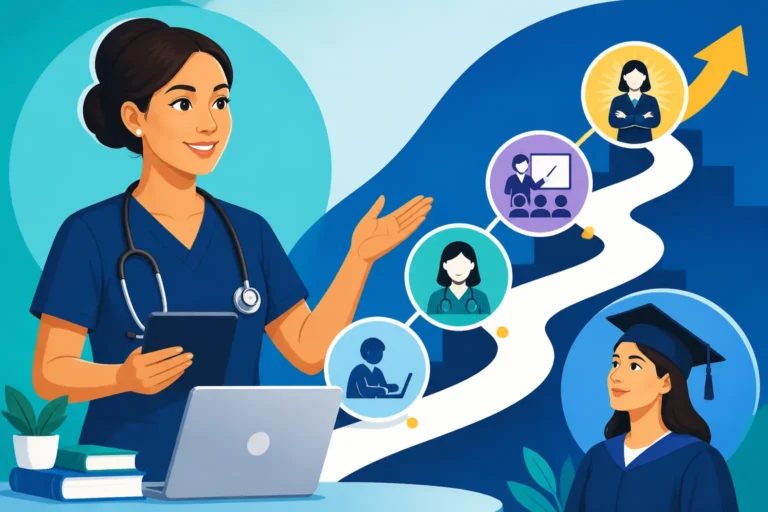
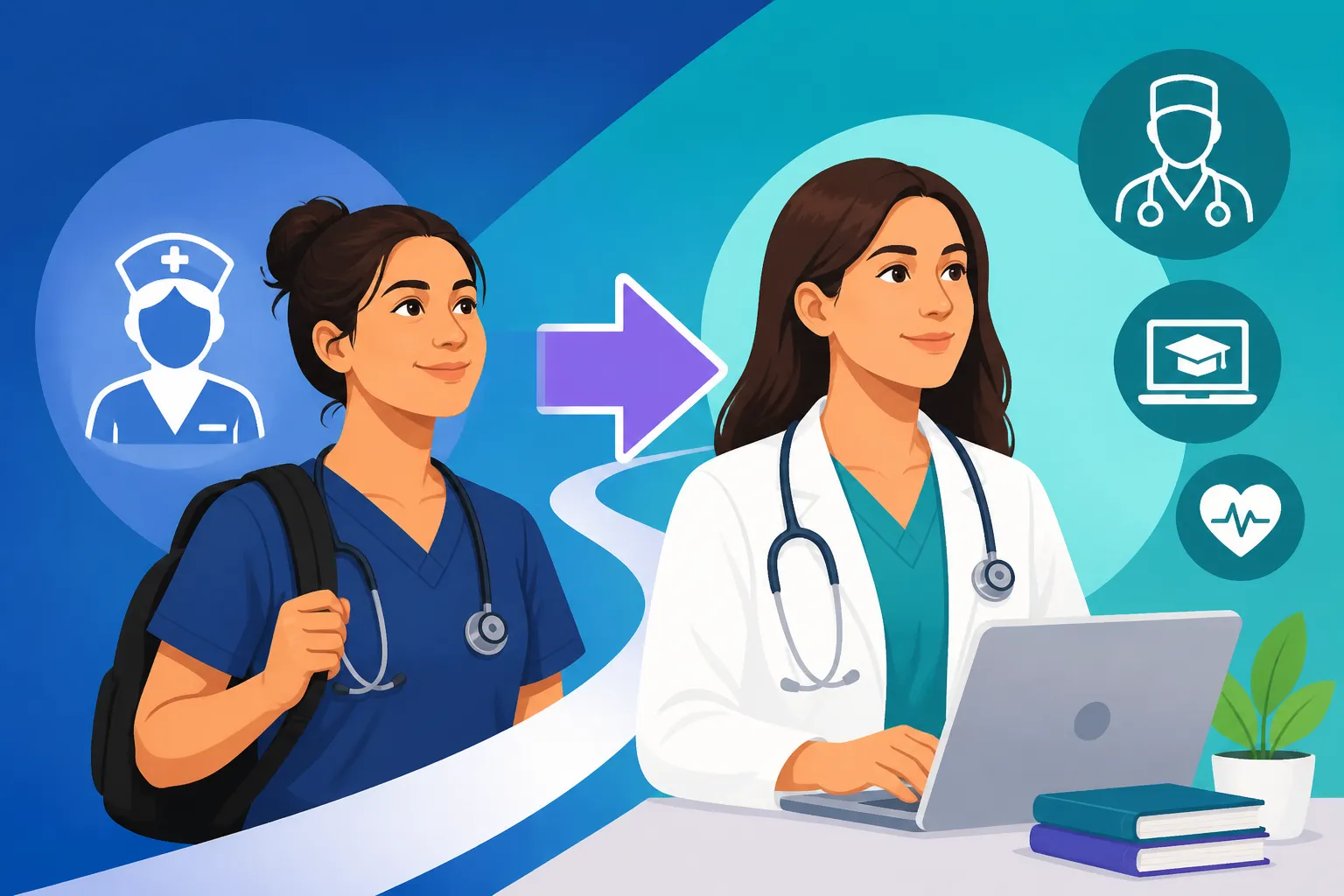
Making the leap from a BSN-prepared Registered Nurse to a Nurse Practitioner is a significant career advancement, and choosing an online program can make this transition more feasible for many. It's not just about earning another degree; it's about transforming your practice and expanding your impact.
Why Choose the Online Path to Become an NP
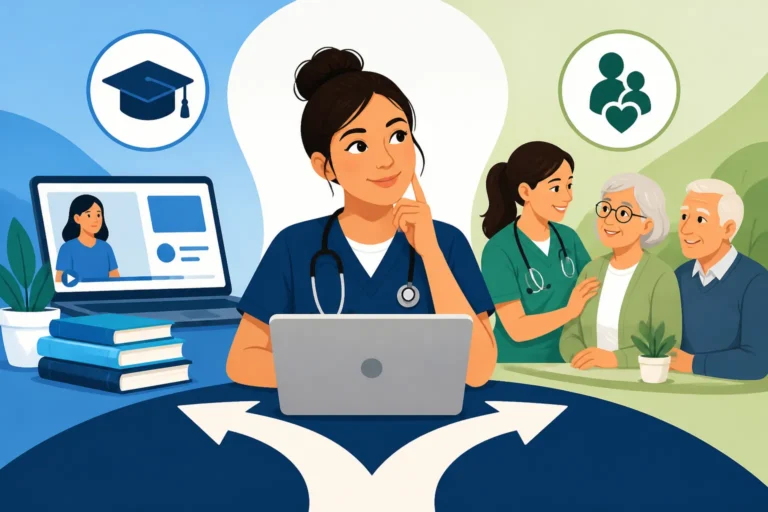
For many experienced nurses, the traditional brick-and-mortar educational model just isn't practical anymore. Life intervenes, bills need to be paid, and families need attention. This is where online BSN to NP programs truly shine, offering a flexibility that campus-based programs often can't match. You might be working full-time in a busy hospital in Phoenix, Arizona, or managing a family while doing part-time shifts in a clinic in Dallas, Texas. An online program allows you to integrate your studies into your existing life, rather than having to completely uproot it. This doesn't mean it's easy – far from it. It requires immense self-discipline, excellent time management skills, and a strong commitment to learning in an independent setting. However, the ability to complete coursework on your own schedule, often from the comfort of your home, is a game-changer for countless nurses who dream of becoming an NP without putting their current careers or personal lives on hold. It’s also important to consider the overall timeline for this transition, and exploring topics like How Long to Become a Nurse Practitioner can help you set realistic expectations.
Online programs also open up a wider geographical net. You're not limited to the NP programs physically closest to you. This means you can often find a program that perfectly aligns with your career goals, whether it’s a specific specialization or a unique learning model, even if it’s based hundreds or thousands of miles away. This expanded choice can be crucial in finding a program that truly fits your needs and aspirations.
Key Differences Between BSN and NP Roles
Moving from a BSN-level RN to an NP isn't just a title change; it's a fundamental shift in your scope of practice, responsibilities, and decision-making authority. As a BSN-prepared nurse, your primary role often revolves around implementing care plans, administering medications, educating patients, and advocating for their needs within a physician-led team. You are a vital part of the healthcare delivery system, executing and managing care.
As a Nurse Practitioner, you step into an advanced practice role where you are empowered to diagnose illnesses, order and interpret diagnostic tests, develop and manage treatment plans, and often prescribe medications, all within your specialty and state regulations. For example, a Family Nurse Practitioner (FNP) in a primary care setting might manage a patient’s chronic diabetes, conduct annual physicals, and prescribe insulin, while an Adult-Gerontology Acute Care Nurse Practitioner (AGACNP) in an ICU might manage complex ventilatory support and order advanced imaging for a critically ill patient. This increased autonomy and responsibility require a deeper, more specialized knowledge base, which is precisely what online MSN programs are designed to provide. This leap in responsibility also comes with a significant increase in professional satisfaction and, typically, a higher earning potential, which makes pondering Is an MSN Worth It a common and important question for many nurses.
Navigating Online MSN Programs for NP Licensure
The journey to becoming an NP through an online program is a structured one, typically involving specific admission criteria, a rigorous curriculum, and crucial clinical experiences. Understanding each phase is key to a successful transition.
Admission Requirements for Online BSN to NP Programs
Applying to an online BSN to NP program often feels like a daunting task, but breaking down the requirements can make it manageable. First and foremost, you absolutely need an active, unencumbered Registered Nurse (RN) license. Most programs will require your BSN degree from an accredited institution. When it comes to academics, a competitive GPA from your BSN program is usually a must, often around a 3.0 or higher on a 4.0 scale, although some programs might have a slightly lower threshold or offer probationary admission. You'll typically need to submit official transcripts from all prior academic institutions. If you're wondering about the specifics, our guide on MSN Admission Requirements dives deep into this.
Beyond the academic prerequisites, most programs will also look for a strong professional background. This often includes letters of recommendation from supervisors or professors who can attest to your clinical skills, work ethic, and potential for advanced practice. You'll also likely write a personal statement or essay articulating your career goals, why you want to become an NP, and why you believe you're a good fit for their program and the online learning environment. Some specializations, like Acute Care NPs, might prefer or require a certain number of years of experience in relevant critical care settings, such as an ICU or ER. It’s not just about getting in; it's about demonstrating you have the foundational knowledge and the personal drive to succeed in an intensive online graduate program.
The Online Curriculum: What to Expect
Once you’re in, the real work begins. Online BSN to NP programs are designed to be academically rigorous, mirroring the content and expectations of their on-campus counterparts. The curriculum generally starts with core Master of Science in Nursing (MSN) courses that build your foundational knowledge for advanced practice. These universally include advanced physiology/pathophysiology, advanced pharmacology, and advanced health assessment. These courses don't just review what you learned in your BSN; they delve into these topics at a much deeper, more complex level, preparing you to critically analyze patient conditions and treatment responses. You might want to review MSN Program Prerequisites to ensure you're ready for this step up.
After the core MSN coursework, you'll move into specialty-specific courses. This is where your chosen NP track — whether it's Family Nurse Practitioner (FNP), Psychiatric Mental Health Nurse Practitioner (PMHNP), Adult-Gerontology Primary Care Nurse Practitioner (AGPCNP), or another specialization — truly takes shape. You'll study specific populations, disease processes, diagnostic tools, and evidence-based interventions relevant to your future practice. For instance, an FNP student will take courses focused on the health of individuals across the lifespan, from pediatrics to geriatrics, while a PMHNP student will focus on mental health conditions, psychopharmacology, and therapeutic modalities. Many online programs, like those offered by Capella University or Walden University, use a blend of virtual lectures, discussion boards, case studies, and simulated patient encounters to deliver this content. As you get closer to certification, you’ll find valuable resources like Uworld for practice questions and study guides, helping you solidify your knowledge and prepare for your board exams. These tools can be incredibly helpful in translating theoretical knowledge into practical, testable understanding.
Clinical Placements in Online NP Programs
Here’s where many online NP students face their biggest challenge: securing clinical placements. While the didactic coursework is 100% online, hands-on clinical experience is a non-negotiable requirement for NP licensure. You'll need to complete hundreds of supervised clinical hours in your chosen specialty, working under the direct supervision of an approved preceptor (usually a physician or a certified Nurse Practitioner). The exact number of hours varies by program and specialization, but it's typically between 500 and 1000 hours. This crucial component ensures you gain the practical skills needed to diagnose, treat, and manage patients effectively. It is truly the bedrock of your future practice. If you're exploring Best Online Nurse Practitioner Programs, pay close attention to how they support clinical placements.
Some online programs have robust systems in place to help you find preceptors and clinical sites, leveraging their networks of affiliated hospitals and clinics. Others might provide resources and guidance but ultimately place the responsibility on the student to secure their own placements. This can be a significant hurdle, especially in competitive urban areas like Los Angeles, California, or New York City, where preceptors are in high demand. It often requires proactive networking, cold-calling clinics, and a willingness to travel within your region to find suitable sites. Many students find themselves dedicating substantial time to this search, and a frank discussion with program advisors early on about their clinical placement support is essential. For more detailed insights, check out our guide on How to Find NP Preceptors. Successfully navigating these clinical rotations is not only about meeting requirements but also about building the confidence and competence to step into your NP role.
After Graduation: Certification and Practice
Once you've completed your intensive online coursework and accumulated all your clinical hours, you're on the home stretch. But the journey doesn't end with a diploma; there are still critical steps to take before you can legally practice as a Nurse Practitioner.
NP Certification Exams and Boards
Earning your Master of Science in Nursing (MSN) is a huge accomplishment, but it's just one piece of the puzzle for becoming a licensed NP. The next crucial step is passing a national certification exam specific to your specialty. For most common NP roles, you'll be choosing between exams offered by two primary credentialing bodies: the American Nurses Credentialing Center (ANCC) and the American Association of Nurse Practitioners (AANP). For instance, if you graduated from an FNP program, you could take either the ANCC FNP exam or the AANP FNP exam. Both are highly respected and lead to national certification. The choice often comes down to individual preference for test format or content focus, as the ANCC exams sometimes include a greater emphasis on theory and research questions, while AANP exams are generally more clinically focused.
Preparing for these board exams is intensive and requires dedicated study. Many successful candidates utilize comprehensive review courses, textbooks, and practice question banks. This is where tools like Uworld truly shine, offering thousands of practice questions with detailed rationales that mimic the actual exam experience. Engaging with such resources can significantly boost your confidence and readiness, helping you identify areas where you need to focus your study efforts. Passing this exam is the definitive proof of your competence as an entry-level Nurse Practitioner in your chosen specialty. More details on this process can be found in our article on NP Certification Exams Explained.
Licensure and Practice Authority
Once you’re nationally certified, the final step before you can officially hang out your shingle is to apply for state licensure. Each state's Board of Nursing has its own specific requirements for Nurse Practitioner licensure, which can vary considerably. You'll submit your national certification, your academic transcripts, and usually undergo a background check. It's incredibly important to research the specific requirements in the state where you intend to practice before you even start your program, if possible, to avoid any surprises.
A critical aspect of state licensure is understanding the scope of practice and prescriptive authority for Nurse Practitioners in that state. States vary widely on how much autonomy NPs have. Some states grant "full practice authority," meaning NPs can assess, diagnose, treat, and prescribe independently, without physician oversight. Other states have "reduced" or "restricted" practice authority, requiring a collaborative agreement with a physician or limiting certain aspects of NP practice, such as prescriptive rights. For example, states like Florida and Texas have historically had more restrictive practice environments, requiring physician collaboration, whereas states like Oregon and Washington have full practice authority. This distinction can significantly impact your daily practice and career opportunities. Understanding NP Prescriptive Authority by State is paramount for any aspiring NP.
Career Outlook and Advancement for Online NP Grads
The career outlook for Nurse Practitioners is exceptionally bright, regardless of whether you pursued your education online or in person. The Bureau of Labor Statistics projects significant growth for NP roles, much faster than the average for all occupations. This high demand is driven by an aging population, an increased emphasis on preventive care, and a nationwide shortage of primary care providers. As an NP, you'll find diverse opportunities in primary care clinics, specialty practices (cardiology, dermatology, women's health), hospitals, urgent care centers, and even telehealth platforms.
The salary potential for NPs is also robust, with median salaries significantly higher than that of BSN-prepared RNs. Your income will vary based on your specialty, geographic location, years of experience, and practice setting. For example, a Psychiatric Mental Health Nurse Practitioner (PMHNP) often commands a different salary range than a Pediatric Nurse Practitioner (PNP). Moreover, earning your MSN as an NP can open doors to further advancement. Many NPs choose to pursue a Doctor of Nursing Practice (DNP) degree, which is often seen as the terminal degree for advanced practice nurses, leading to leadership roles, policy development, and enhanced clinical expertise. Exploring options like an MSN to DNP Bridge Explained can illuminate potential future pathways. Ultimately, moving from a BSN to an NP online provides not just a job, but a dynamic, challenging, and deeply rewarding career path with substantial opportunities for growth and impact in the healthcare landscape. Our Nurse Practitioner Salary Guide provides even more detailed insights into what you can expect to earn.
| NP Specialty | Primary Focus Area | Typical Program Length (Online) | Common Practice Settings |
|---|---|---|---|
| Family NP (FNP) | Individuals across the lifespan (pediatrics, adults, geriatrics) | 2-3 years (full-time) | Primary care clinics, urgent care, community health |
| Adult-Gerontology Primary Care NP (AGPCNP) | Adults and elderly in primary care settings | 2-3 years (full-time) | Primary care, long-term care facilities |
| Adult-Gerontology Acute Care NP (AGACNP) | Acutely ill adults and elderly in hospital settings | 2-3 years (full-time) | Hospitals (ICU, ER, specialty units), specialty clinics |
| Psychiatric Mental Health NP (PMHNP) | Mental health care for individuals and families across the lifespan | 2.5-3.5 years (full-time) | Psychiatric clinics, hospitals, private practice, telehealth |
| Pediatric NP (PNP-PC/AC) | Infants, children, and adolescents (primary or acute care) | 2-3 years (full-time) | Pediatric clinics, hospitals (NICU, PICU) |
Disclaimer
Please remember that the information provided in this guide is for general informational purposes only and does not constitute professional advice. Nursing regulations, program requirements, and career outlooks can change, and vary significantly by state and institution. Always consult with academic advisors, state boards of nursing, and official program websites for the most accurate and up-to-date information relevant to your specific situation.